Table of Contents >> Show >> Hide
- What Is Kuba Cloth (and Why Does It Look Like Modern Art Had a Great Ancestor)?
- Why Framed Kuba Cloth Works So Well in Homes Right Now
- Sourcing Kuba Cloth Like a Responsible Design Sleuth
- The Framing Plan: Conservation First, Style Second
- Where Framed Kuba Cloth Looks Best (Room-by-Room Case Notes)
- Styling Combos That Always Work
- Design Sleuth Checklist: Before You Hang It Up
- Common Mistakes (and the Easy Fixes)
- Conclusion: Your Wall, But Smarter
- Field Notes: Real-Life Experiences with Framed Kuba Cloth ( of “Been There” Energy)
Some people collect art. Some people collect throw pillows “temporarily” (we both know how that ends). And then there are the true design detectivesthe ones who spot a textile with swagger, decode its story, and give it a proper spotlight. If that sounds like you (or who you aspire to be), welcome to the case file: framed Kuba cloth.
Kuba cloth is one of those rare decor moves that reads as both effortless and intentionallike you casually solved a design mystery between coffee refills. Framed on a wall, it brings texture, geometry, and cultural depth that a generic “abstract neutral canvas” simply can’t compete with (no shade… okay, a little shade).
What Is Kuba Cloth (and Why Does It Look Like Modern Art Had a Great Ancestor)?
Kuba cloth refers to a group of raffia textiles made by Kuba peoples in what is now the Democratic Republic of the Congo. The base is woven from raffia palm fiber, then decorated with a mix of embroidery, appliqué, and cut-pile techniques that create a velvety, raised texture. The patterns often look bold and “abstract,” but they’re not randomthey’re culturally meaningful designs made by skilled hands that know exactly what they’re doing.
One of the coolest parts (and the part you can casually mention at dinner parties): the making is traditionally collaborative. Men weave the raffia foundation cloth; women transform it with surface design and stitching. That teamwork is part of why Kuba textiles feel so alivethere’s human rhythm in the irregularities, a visual beat you won’t get from something printed off a roll.
Museums collect Kuba textiles because they’re historically significant, technically impressive, and aesthetically powerful. Translation for your living room: it’s decor that has receipts.
Why Framed Kuba Cloth Works So Well in Homes Right Now
If you’ve ever stared at a blank wall and thought, “I want something impactful but not shouty,” framed Kuba cloth is a strong suspectin the best way. Here’s why it plays nicely with modern interiors:
- Texture does the heavy lifting. Even in a neutral palette, the raised stitching and raffia weave create depth you can feel from across the room.
- Geometry reads as contemporary. The motifs can look strikingly modernlike minimalist artbut with far more warmth.
- It bridges styles. Kuba cloth can lean boho, Afrohemian, minimalist, eclectic, or even “quiet luxury” depending on the frame and placement.
- It’s a conversation piece without being try-hard. It doesn’t scream “look at me!” It whispers, “I have taste and a library card.”
Designers and shelter publications have used Kuba textiles as wall moments, curtains, upholstery accents, and pattern inspirationproof that it’s not a one-trick pony. But when you frame it, you turn a beautiful textile into a focused artwork with presence.
Sourcing Kuba Cloth Like a Responsible Design Sleuth
Before we talk frames, we talk where it came from. Kuba textiles are culturally important, and the market includes everything from vintage handwork to modern reproductions to “inspired-by” prints that are basically Kuba-adjacent fan fiction.
Vintage vs. New vs. Printed “Kuba Pattern”
- Vintage Kuba cloth often shows hand stitching, subtle irregularities, and natural fiber character. It may have wearand that wear can be part of its story.
- Newly made Kuba textiles can still be handmade, but quality and sourcing vary widely. Ask questions about origin, maker support, and fair compensation.
- Printed “Kuba” fabrics (often sold by the yard) can be great for upholstery or DIY projects, but they’re not the same thing as raffia embroidery. They’re a style reference, not an artifact.
How to Spot the Real Deal (No Magnifying Glass Required, but It Helps)
When you’re evaluating a piece, look for signs of handwork: uneven stitch spacing, slight variation in color, and a tactile surface that changes when light hits it. Raffia has a straw-like character; it won’t feel like a smooth cotton canvas. Many authentic pieces also have seams where panels were joined.
Ethical Buying Basics
Your goal is simple: buy from sellers who can explain what they’re selling. Look for reputable galleries, established textile dealers, fair-trade-minded design shops, or sources that document provenance. If the listing feels vague (“African textile, maybe Kuba?”) and the price feels too good, proceed like a detective in a horror movie: slowly, carefully, and preferably not alone.
The Framing Plan: Conservation First, Style Second
Textiles are sensitive. Light fades them, humidity stresses fibers, and bad framing can cause creases, distortion, or long-term damage. The good news: you don’t need museum-level perfectionyou just need smart, preservation-minded choices.
1) Control Light (Your Kuba Cloth Is Not Training for a Tanning Competition)
Avoid hanging framed textiles in direct sunlight or blasting them with strong spotlights. Consider a wall that gets indirect light, and think about UV protection for the glazing (more on that below). If your room gets bright, this is where you act like a grown-up and pick the “boring” protective option. Your future self will thank you.
2) Use UV-Protective Glazing and Create Breathing Room
Ask for UV-protective glass or acrylic. This helps reduce fading and fiber degradation over time. Next: make sure the textile isn’t smashed against the glazing. A spacer, shadowbox build, or float mount gives the cloth air space and prevents the surface texture from being flattened.
3) Mounting Matters: No Glue Crimes
A key rule: avoid permanent adhesives touching the textile. Proper textile mounting typically uses stitching, supportive backing fabrics, or conservation-safe methods that hold the cloth without stressing it. If you’re framing a smaller panel, a professional framer can mount it with techniques that distribute weight and reduce distortion.
If you’re DIY-framing (brave and/or stubbornrespect), choose archival, acid-free materials for anything in contact with the textile, and avoid “tight” stretching. Textiles aren’t posters; they move with humidity and time.
4) Choose the Frame Like You Choose Shoes: It Should Fit the Outfit
The frame can change the entire vibe:
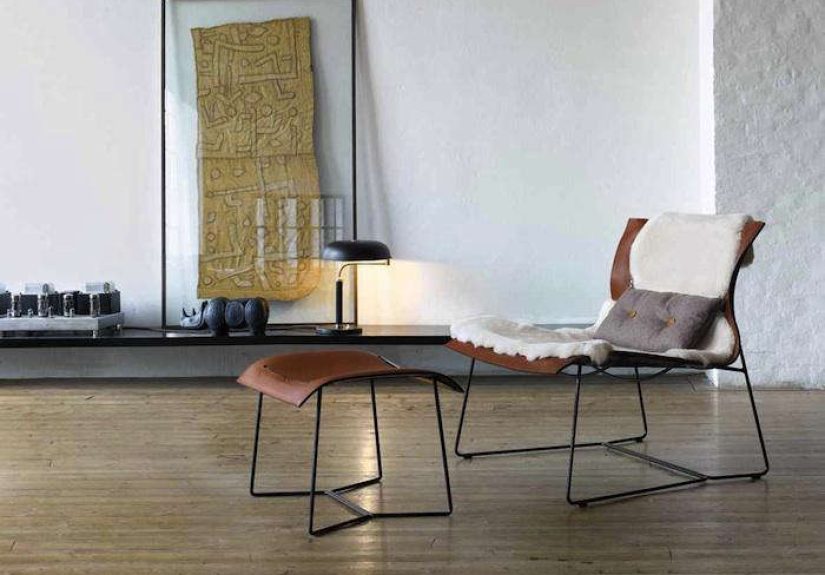
- Thin black frame: clean, modern, gallery feelgreat for graphic black-and-cream cloths.
- Warm natural wood: organic, earthy, lived-inperfect for raffia tones and layered neutrals.
- Gold/brass: elevated and boldworks beautifully if the textile has rich, dark contrast.
- Float frame or shadowbox: ideal if you want to highlight edges, seams, and texture.
Pro tip: if the textile is visually busy, keep the frame simple. Let the cloth be the headline.
5) DIY vs. Professional Framing: When to Call Backup
Consider professional framing if:
- The textile is vintage, sentimental, or pricey.
- The cloth is thick, heavy, or has fragile areas.
- You want a float mount, a shadowbox, or UV glazing done correctly.
DIY can work for sturdy, modern pieces or printed Kuba-inspired fabricespecially if you’re creating a “textile art” look on a budget. But if it’s the real raffia embroidery, a preservation-minded framer is your best co-investigator.
Where Framed Kuba Cloth Looks Best (Room-by-Room Case Notes)
Living Room: Above the Sofa, But Make It Textural
A medium-to-large framed panel above a sofa anchors the room without relying on loud color. If your space is neutral, Kuba cloth adds depth. If your space is colorful, it adds pattern without competingespecially in black, cream, and earthy brown palettes.
Entryway: Instant “This Home Has a Point of View”
An entryway is prime real estate for a framed Kuba textile because it’s a quick hit of personality. Pair it with a simple bench, a mirror, and a tray for keys. You’ll look organized even when your life is… aspirational.
Bedroom: The Headboard Alternative
If you want softness without upholstery, a framed textile above the bed gives a cozy, layered effect. Choose a wood frame for warmth, or a black frame for a crisp, boutique-hotel vibe.
Hallway or Stair Wall: The Gallery Wall MVP
Kuba cloth works brilliantly as part of a gallery wall because it breaks up prints and photos with tactile texture. Mix it with black-and-white photography, line drawings, and one metallic accent frame to keep it intentional.
Styling Combos That Always Work
- Minimalist + Kuba cloth: white walls, clean lines, one framed textile as the “hero” piece.
- Afrohemian decor: layered patterns, plants, carved wood, mixed metalsKuba cloth helps anchor the look with cultural storytelling.
- Modern organic: linen, oak, stone, warm neutralsKuba cloth adds pattern without feeling busy.
- Eclectic collector: pair Kuba cloth with ceramics, vintage finds, and bookslet the room feel curated, not coordinated.
The secret is balance: if everything is textured and patterned, nothing stands out. Give the Kuba cloth breathing room.
Design Sleuth Checklist: Before You Hang It Up
- Confirm placement: no direct sun, no heat vents, no damp walls.
- Measure like you mean it: tape it on the wall firstyour eyes lie, tape doesn’t.
- Choose UV glazing: especially if it’s vintage or richly dyed.
- Ensure spacing: textile should not press against glass/acrylic.
- Use archival contact materials: backing, mats, supports should be acid-free.
- Hang securely: textiles can be heavier than they lookuse proper anchors.
Common Mistakes (and the Easy Fixes)
Mistake: Framing it like a poster
Fix: Use a shadowbox, float mount, or spacers. Give the textile room to exist in three dimensions.
Mistake: Hanging it in a sunny spot because “the light is pretty”
Fix: Move it to indirect light, add UV glazing, and consider softer lighting. Pretty light today can mean faded cloth tomorrow.
Mistake: Buying a “Kuba” print expecting raffia embroidery
Fix: Embrace it for what it ispattern inspiration. Use it for pillows, upholstery, or DIY wall panels. Save “framed artwork” status for the real textile.
Conclusion: Your Wall, But Smarter
Framed Kuba cloth is one of those decorating choices that feels both artful and grounded. It brings texture, geometry, and cultural depthwhile staying surprisingly versatile. If you source thoughtfully and frame with preservation in mind, you’re not just decorating; you’re curating a piece of textile artistry that holds up over time.
So go ahead: solve the case of the empty wall. And when someone asks where you found that incredible piece, you can smile and say, “Oh this? Just a little design sleuthing.”
Field Notes: Real-Life Experiences with Framed Kuba Cloth ( of “Been There” Energy)
Let’s talk about the part no one puts in a catalog: the lived experience of making Kuba cloth work in a real home with real lighting, real budgets, and real-life chaos (like that one chair that exists solely to hold laundry).
Case File #1: The “Small Panel, Big Personality” Surprise
A lot of people assume Kuba cloth has to be huge to matter. Not true. One of the most satisfying setups is a smaller, framed panelsomething around the size of a large throw pillowhung in a spot that gets repeated attention, like an entryway or the corner near a reading chair. The experience is always the same: you walk past it a dozen times a day, and every time the texture catches light differently. It feels like the piece is quietly changing outfits. The “aha” moment usually comes when you realize the wall didn’t need more colorjust more depth.
Case File #2: The Rental-Friendly Upgrade That Doesn’t Scream “Rental”
If you’ve ever tried to make a rental feel personal without redoing the whole place, framed textiles are a cheat code. The trick is choosing a frame that looks intentional (thin black or warm wood), then hanging the piece where it can anchor a zoneabove a console table, over the bed, or centered between two windows. The experience here is pure satisfaction: suddenly the room has a “center of gravity.” Even if the couch is basic and the overhead light is offensive, the wall art signals taste. It’s like putting a blazer on a white T-shirt.
Case File #3: The Great Frame Debate (a.k.a. “Why Does This Piece Look Different Everywhere?”)
Here’s a surprisingly common experience: you love the textile, but in the wrong frame it looks either too rustic or too sterile. The fix is to treat framing as styling, not just containment. Put the textile next to your finishes: your floor tone, your hardware metal, your dominant wood shade. If your home has lots of black accents, a black frame makes the cloth feel graphic and modern. If your space is warm and organic, a natural wood frame makes it feel effortless. People often land on the “right” frame when they stop thinking about what’s trendy and start thinking about what the room is already saying.
Case File #4: The “I Should’ve Protected It” Lesson
The most universal experienceespecially with vintage textilesis realizing that light matters. Someone hangs the piece in a bright spot because it looks amazing at 2 p.m. Then months later they notice the tones shifting, or one area looks a little more tired. This is exactly why UV glazing and indirect placement are worth it. The best feeling is doing it right from the start: you get the drama of the textile, and you keep it looking strong for the long haul.
In short, living with framed Kuba cloth is less about perfection and more about intentional choices: thoughtful sourcing, smart framing, and placement that respects the material. Do that, and your wall doesn’t just look decoratedit looks curated.