Table of Contents >> Show >> Hide
- Why a DIY Bird Costume Works So Well
- Before You Start: Pick Your Bird Style
- Supplies That Work for Almost Any Bird Costume
- Way 1: Make a No-Sew Bird Costume with Cardboard Wings
- Way 2: Make a Felt Bird Costume with a Feather Cape and Mask
- Way 3: Make a Cozy Bird Costume from a Hoodie or Sweatsuit
- How to Make Any Bird Costume Look Better
- Mistakes to Avoid When Making a Bird Costume
- Which Bird Costume Method Should You Choose?
- Final Thoughts on Making a Bird Costume
- Experiences Related to Making a Bird Costume
If you want a Halloween look, school-play outfit, party costume, or dress-up masterpiece that says, “Yes, I am fabulous, and yes, I do have wings,” a DIY bird costume is a smart choice. It can be colorful, goofy, elegant, dramatic, or sweet. Better yet, you do not need a movie-studio budget or the sewing skills of someone who casually says things like “I just drafted a pattern last night.” You can make a homemade bird costume with simple supplies, a little patience, and a healthy respect for hot glue.
The best part is flexibility. A bird costume can become a bright parrot, a mysterious raven, a soft owl, a cheerful bluebird, a fancy peacock, or even a plump little chicken with serious main-character energy. In this guide, you will learn three practical ways to make a bird costume: a no-sew version with cardboard wings, a felt-and-fabric version with a cape and mask, and a cozy sweatsuit version that is easy to wear for hours. Whether you are dressing a child, a teen, or an adult, these methods can be scaled up or down without turning your living room into a full-blown craft tornado.
Why a DIY Bird Costume Works So Well
A DIY bird costume is one of those rare costume ideas that checks nearly every box. It can be last-minute or detailed. It can look polished without costing much. It also photographs beautifully because wings, tails, and beaks do a lot of visual heavy lifting. In plain English: even if the rest of the outfit is basic, people still get the idea immediately.
Bird costumes also play nicely with common craft materials. Felt creates layered feather shapes without fraying too much. Cardboard gives wings structure without weighing a ton. A plain hoodie, leggings, or sweatsuit can serve as the base, which means you are not starting from scratch. That is excellent news for anyone who has ever looked at a blank piece of fabric and immediately needed a snack.
Before You Start: Pick Your Bird Style
Before cutting anything, decide what kind of bird you want to be. This will help you choose color, shape, and personality.
Popular bird costume ideas
- Owl costume: browns, creams, and round feather shapes
- Peacock costume: teal, blue, green, and dramatic tail details
- Cardinal costume: bold red with black around the face
- Bluebird costume: sky blue, white, and soft rounded wings
- Raven or crow costume: black-on-black texture with a sleek silhouette
- Chicken costume: fluffy white or yellow with comic charm
- Parrot costume: bright tropical colors and lots of playful contrast
If you are making a kids bird costume, comfort matters more than perfection. If you are making one for an older child or adult, you can lean harder into dramatic wings, layered feathers, and character styling.
Supplies That Work for Almost Any Bird Costume
- Plain shirt, hoodie, dress, leggings, or sweatsuit in your bird color
- Felt sheets or felt yardage
- Cardboard, poster board, or lightweight foam board
- Scissors
- Hot glue gun or fabric glue
- Elastic, ribbon, or soft straps
- Headband, cap, or simple mask base
- Markers, paint, or colored paper for details
- Tulle, boas, or fabric scraps for extra texture
Try to keep the costume lightweight. Wings should look impressive, not double as a surprise upper-body workout.
Way 1: Make a No-Sew Bird Costume with Cardboard Wings
This is the easiest method if you want a quick homemade bird costume with big visual impact. It is especially good for school events, Halloween, and anyone who wants the “Wow, you made that?” reaction without threading a needle.
Best for
Beginners, kids, classroom events, and last-minute costumes.
Materials
- Large piece of cardboard or two matching cardboard panels
- Construction paper, cardstock, or felt for feathers
- Paint or markers
- Hot glue or strong craft glue
- Elastic loops or ribbon straps
- A matching shirt and pants or leggings
How to Make It
- Draw the wing shape. Sketch one large wing that curves gently outward. Fold your cardboard plan in half if you want both sides to match, or trace one side to make a second wing.
- Cut the wings. Keep the shape broad but not too tall. If the wings hit the ground or block the arms, your majestic eagle may become a tripping hazard.
- Make the feather layers. Cut feather shapes from paper, cardstock, or felt. Use different sizes. Larger feathers should go toward the outside edge, medium in the middle, and smaller near the top.
- Build from the bottom up. Glue the feather pieces in overlapping rows so each new row covers the top edge of the row below it. That layered look is what makes the wings read as “bird” instead of “creative fan project.”
- Add texture and color. Paint shading onto the feathers or use two or three tones of the same color for depth. For example, a bluebird costume looks richer with pale blue, medium blue, and white accents.
- Attach the straps. Glue or tape elastic loops on the back so the wearer can slide their arms through. Shoulder-style straps also work well.
- Pair with simple clothing. Use a plain top and bottoms in a matching color. Add a beak mask or headband to finish.
Why this method works
It gives you strong, visible wings without sewing. It is also easy to customize for a peacock, cardinal, raven, or parrot costume. If you want a brighter look, add paper feathers in bold layers. If you want a softer look, switch to felt and rounded edges.
Way 2: Make a Felt Bird Costume with a Feather Cape and Mask
If you want your bird wings costume to look softer, more detailed, and a little more storybook-inspired, go with a cape. This method works beautifully for owls, robins, bluebirds, and chickens. It drapes comfortably, moves well, and photographs like a dream.
Best for
Parents making costumes for kids, people who want a polished finish, and anyone who loves layered texture.
Materials
- Fleece, felt, or soft fabric for a cape base
- Extra felt in feather colors
- Scissors
- Fabric glue or basic sewing supplies
- Ribbon, snaps, or Velcro for closure
- Mask base, cardstock, or sturdy felt for the face piece
- Headband or cap for ears, crest, or comb
How to Make the Cape
- Cut a simple cape shape. Use a half-circle or rounded shoulder cape that falls to the elbows or waist, depending on the age of the wearer.
- Cut dozens of felt feathers. Yes, dozens. A bird costume is one of those crafts where “just a few more feathers” happens at least six times.
- Arrange by color and size. Keep smaller feathers near the neckline and larger ones toward the outer edge. For an owl costume, use brown, tan, cream, and a touch of rust. For a chicken, use white, yellow, and red accents.
- Attach in rows. Start at the bottom hem of the cape and work upward in overlapping layers.
- Create wing effect at the sides. Extend the feather layers slightly outward so the cape spreads nicely when the wearer lifts their arms.
- Add a closure. Velcro, ribbon ties, or snaps at the neck keep the costume easy to take on and off.
How to Make the Mask or Headpiece
- Cut a simple eye mask from stiff felt or cardstock.
- Add a folded triangle beak from paper, felt, or foam.
- Glue smaller feather shapes around the eyes.
- For an owl, add rounded brows and tiny ear tufts. For a chicken, attach a felt comb to a cap or headband.
Why this method works
A felt cape is more comfortable than rigid wings and easier for younger kids to wear. It also gives a fuller “bird body” look. The layered feather texture adds dimension, and the mask or cap makes the theme obvious right away. This is a great route if you want an owl costume DIY project or a softer, more classic bird character.
Way 3: Make a Cozy Bird Costume from a Hoodie or Sweatsuit
This is the practical genius option. Start with a hoodie or matching sweatsuit and build the bird details directly onto it. The final result is cute, wearable, and warm enough for a chilly evening. It is ideal for trick-or-treating, outdoor events, and kids who will absolutely refuse to wear anything itchy, stiff, or suspicious.
Best for
Cold weather, active kids, and anyone who wants maximum comfort with minimum costume drama.
Materials
- Hoodie or sweatsuit in the right color
- Felt or fleece for wings, belly, and tail
- Tulle, feather trim, or fabric strips
- Fabric glue, iron-on adhesive, or a few hand stitches
- Headband or hood details for face features
How to Build It
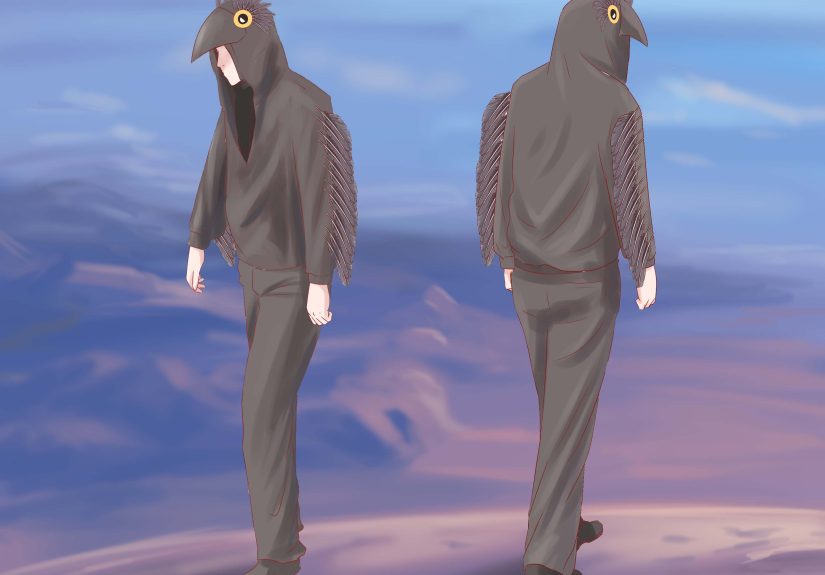
- Use the hoodie as the body. Red for cardinal, blue for bluebird, black for raven, white or yellow for chicken, brown for owl.
- Add wings to the sleeves. Cut wing panels from felt and attach them from wrist to side seam or from wrist to upper back. When the wearer spreads their arms, the wing shape appears.
- Create a feathered chest or belly. Add a contrasting felt oval or rows of feather shapes to the front. This makes the costume look intentional, not just “person in colorful sweatshirt.”
- Add a tail. Make a fan of felt feathers and attach it to the lower back. Keep it short enough to sit down in, unless your goal is to make chairs your sworn enemy.
- Decorate the hood. Add eyes, a beak, ear tufts, or a comb. If you do not want anything on the hood, use a separate mask or headband.
- Finish with leggings or matching sweatpants. Simple sneakers or flats in a coordinating color work perfectly.
Why this method works
Comfort. That is the headline. A sweatsuit bird costume looks adorable, keeps the wearer warm, and moves easily. It is also one of the easiest ways to make a bird costume for kids that survives an actual evening of walking, candy collecting, dancing, or dramatic backyard flapping.
How to Make Any Bird Costume Look Better
Add one standout feature
Choose one detail that gets all the attention: oversized wings, a dramatic tail, a sharp beak, or bold eye details. You do not need every possible bird feature on one costume. This is a costume, not an audition for an avian documentary.
Use color thoughtfully
Pick two to four shades instead of one flat color. Even a black raven costume looks better with matte black, charcoal, and a touch of gray.
Think about movement
The costume should look good when standing still and when moving. Test how the wings open, how the cape falls, and whether the tail bounces awkwardly. If the whole thing shifts every time the wearer takes two steps, that is not whimsy. That is engineering failure.
Keep the face visible enough
Masks should be cute, but the wearer still needs to breathe, see, and avoid walking into decorative pumpkins.
Mistakes to Avoid When Making a Bird Costume
- Making the wings too heavy: lightweight materials are your friend
- Using scratchy trim near the neck: comfort matters more than drama
- Skipping a test fit: always check movement before the big event
- Overloading with feathers: layered texture is great, but balance still matters
- Ignoring the weather: if it is cold, build from a hoodie or sweatsuit base
Which Bird Costume Method Should You Choose?
Choose Way 1 if you want a quick, bright, no-sew costume with big wings and clear visual impact.
Choose Way 2 if you want a more detailed, soft-textured look with a storybook feel, especially for an owl, robin, or chicken.
Choose Way 3 if comfort is the priority and you want a wearable, weather-friendly costume that still looks fun and creative.
Final Thoughts on Making a Bird Costume
Learning how to make a bird costume is less about following one rigid pattern and more about combining a few smart ideas: a strong base outfit, wings that suit the wearer, and face or tail details that sell the theme. That is why bird costumes are such a favorite for DIY projects. They are adaptable, budget-friendly, and surprisingly charming whether you go full peacock glamour or cheerful backyard chick.
Start simple, focus on comfort, and let color and shape do the storytelling. If the wings look lively, the beak makes people smile, and the wearer can actually move without negotiating with the furniture, you have succeeded. Congratulations: you have officially built a homemade bird costume that is ready to soar.
Experiences Related to Making a Bird Costume
One of the funniest things about making a bird costume is that it always seems easier in your head than on your dining room table. In your imagination, you cut a few feathers, glue a few pieces, add a beak, and somehow end up with a charming little cardinal or owl. In real life, you start with confidence, lose the scissors for ten minutes, find glitter in places glitter should never be, and eventually realize that “a few feathers” means about forty-eight. And yet, that is part of the magic. A bird costume is one of those projects that feels chaotic in the middle and strangely glorious at the end.
Many people find that the best experience comes from treating the costume like a creative experiment rather than a perfection contest. The first wing might come out slightly lopsided. The beak may look more “confused duck” than “noble raven.” The tail may need to be reattached after an ambitious test flap in the hallway. But once the pieces start coming together, the costume takes on a real personality. Suddenly it is not just cardboard, felt, and glue anymore. It is a bluebird. Or a peacock. Or a tiny chicken with the confidence of a Broadway star.
Another common experience is discovering that comfort matters more than almost anyone expects. A costume can look amazing on a hanger and still become a complete disaster after fifteen minutes if the neck scratches, the mask slides, or the wings smack into every doorway. People who have made bird costumes more than once usually learn to test everything early. Can the wearer sit down? Can they lift their arms? Can they see the floor? Can they survive a school parade, trunk-or-treat event, or family photo session without melting into costume-related despair? Those practical questions separate a cute idea from a costume that actually works.
There is also something surprisingly memorable about making a bird costume with other people. Parents often remember the evening spent cutting feathers with their kids. Siblings argue over colors, then suddenly become expert creative directors. Friends start with “I’ll just help for five minutes” and somehow end up debating whether the tail needs more teal. The whole process becomes part craft project, part comedy routine, part bonding experience. Even the mistakes become stories later. Especially the mistakes, honestly.
And then comes the best part: wearing it. A bird costume invites movement in a way many costumes do not. People flap. They pose. They tilt their heads dramatically. They sweep into the room like they own the sky and at least three nearby snacks. Kids especially seem to love the physicality of it. They do not just wear the costume; they become the bird. That sense of play is what makes this topic so appealing. A homemade bird costume is not just an outfit. It is a little performance, a small act of imagination, and a reminder that handmade things often have more charm than anything pulled from a plastic package.
In the end, the experience of making a bird costume is usually equal parts effort, improvisation, laughter, and payoff. It teaches patience, problem-solving, and the useful life lesson that hot glue fixes many things, though admittedly not all things. Most of all, it gives you a finished costume with personality. It may not be factory-perfect, but that is exactly why people remember it. A handmade bird costume has character, and character almost always wins.