Table of Contents >> Show >> Hide
- What Is Soap & Salvation?
- Why the Store Feels So Energizing
- The Chapel: Retail Space as Atmosphere
- The Founders’ Eye: Jo and Barrie McPherson
- What You Can Find Inside Soap & Salvation
- Why Rye, East Sussex Is the Perfect Setting
- The Design Lesson: Old Things Can Make a Home Feel New
- How to Bring the Soap & Salvation Look Into Your Own Home
- Why Concept Stores Still Matter
- Experiences Inspired by Soap & Salvation: A Slow Day in Rye
- Conclusion: A Store With Soul, Story, and Serious Style
Some stores politely ask you to shop. Soap & Salvation practically dares you to slow down, look closer, and fall in love with a wooden dish brush, a sculptural chair, a weathered table, or a book you did not know your coffee table had been waiting for. Located in the historic town of Rye, East Sussex, this energizing concept store is not a glossy retail box with a soundtrack and a scent machine. It is a restored chapel filled with vintage homewares, antique furniture, art, textiles, books, garden objects, and the quiet thrill of objects that have already lived interesting lives.
That is the magic of Soap & Salvation. It feels edited, but not stiff. It is design-led, but not snobby. It has the spiritual calm of a chapel, the treasure-hunt pleasure of an antique market, and the careful eye of a beautiful interiors magazine spreadexcept you can actually walk through it, touch things, and imagine them in your own home. For anyone interested in vintage interiors, sustainable decorating, concept stores, or independent shopping in Rye, this is the kind of place that makes the phrase “just browsing” sound wildly dishonest.
What Is Soap & Salvation?
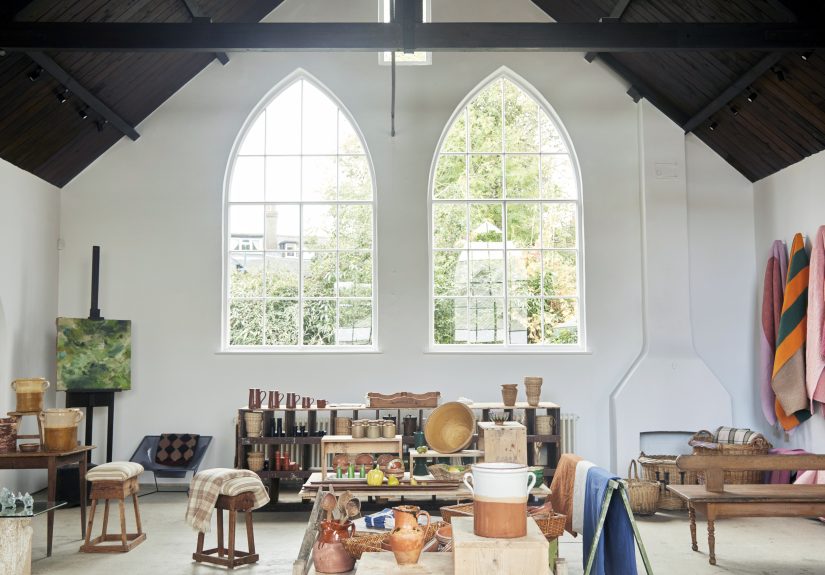
Soap & Salvation is a concept store in Rye, East Sussex, founded by Jo and Barrie McPherson in 2021. The shop is based at 20-22 Rope Walk and occupies a collection of old buildings, with a former Salvation Army chapel at its heart. The main chapel dates back to 1903, and its architectural bones do much of the heavy lifting: tall arched windows, a lofty vaulted ceiling, generous natural light, and a sense of space that allows every object to breathe.
The store focuses on vintage and antique homewares, furniture, art, mirrors, lighting, textiles, books, and garden pieces. But calling it “an antiques shop” feels a little too flat, like calling a perfectly flaky croissant “bread.” Soap & Salvation is more layered than that. It is a shop, yes, but also a display space, a library, a source of ideas, and a place where old materials are treated as design ingredients rather than dusty leftovers.
Why the Store Feels So Energizing
The word “energizing” might seem unexpected for a store full of old things. Yet Soap & Salvation proves that vintage design does not have to feel sleepy, heavy, or trapped under a velvet rope. The energy comes from contrast. Rustic antiques sit comfortably beside midcentury silhouettes. Hand-thrown ceramics feel at home near rare design books. A humble brush can seem just as desirable as an antique table. The store does not shout, “Look how expensive I am!” It says, “Look how much character a room can have when you stop buying everything in a matching set.”
That approach lines up with a larger shift in interiors: people want homes that feel collected, personal, repaired, layered, and lived-in. Fast furniture may be convenient, but it rarely comes with a good story. At Soap & Salvation, the story is half the appeal. A table may show marks from its previous life. A textile may bring color, softness, and history into a room. A vintage lamp may do more for atmosphere than a dozen identical new fixtures ever could.
The Chapel: Retail Space as Atmosphere
One of the biggest reasons Soap & Salvation stands out is the building itself. The former Salvation Army chapel gives the store a powerful sense of place. Instead of fighting the architecture, Jo and Barrie let it become part of the retail experience. The high ceiling creates drama without needing theatrics. The arched windows cast shifting light across furniture and objects. The clean, pale interior creates a calm backdrop for pieces that vary in age, texture, origin, and mood.
This matters because the best concept stores are not simply shelves with better lighting. They create a world. A customer enters, senses the point of view, and understands the mood before reading a single product tag. In Soap & Salvation, the world is clear: old things can feel modern; rustic pieces can be elegant; practical objects can be beautiful; and a shop can be a place to learn, linger, and imagine.
The Founders’ Eye: Jo and Barrie McPherson
Soap & Salvation reflects the design experience and personal instincts of its founders. Jo and Barrie McPherson spent years in the design world before settling in Rye and building the store around their love of sourcing, collecting, and arranging unique pieces. Their philosophy is not about chasing one strict period or style. Instead, they mix rustic antiques, twentieth-century design, contemporary handmade items, textiles, books, and art into a calm but expressive visual language.
The result is a store that feels carefully composed without looking overly polished. That is a difficult balance. Too much styling can make a shop feel like a stage set where customers are afraid to breathe near the merchandise. Too little editing can turn a beautiful antique collection into a garage sale with better lighting. Soap & Salvation lands in the sweet spot: curated, warm, and quietly confident.
What You Can Find Inside Soap & Salvation
Vintage and Antique Furniture
The furniture selection leans into pieces with form, function, and history. Expect a mix that may include rustic tables, benches, storage pieces, chairs, stools, and twentieth-century finds. The style is not one-note farmhouse or strict midcentury modern. Instead, it feels more like a well-traveled interior: a French table here, a sculptural chair there, a useful old piece that looks as if it has survived decades of real life and is better for it.
Art, Objects, and Ceramics
Soap & Salvation also excels at smaller decorative piecesthe objects that turn a house into a home. Ceramics, glassware, sculptural forms, mirrors, and artworks are arranged in vignettes that make it easy to imagine how pieces might live together. The store has also featured contemporary work, including ceramics by Emma Burrill, whose individually made vessels complement the shop’s love of one-of-a-kind forms.
Textiles With Personality
Textiles are one of the easiest ways to bring the Soap & Salvation mood home. Vintage quilts, blankets, cushions, throws, and woven pieces add softness and color without making a room feel overly decorated. This is where the shop’s “pared back but not plain” personality shines. A neutral room can suddenly come alive with one strong textile. It is the design equivalent of adding lemon zest to a recipe: small move, big lift.
A Design-Led Library and Bookshop
One of the most distinctive parts of Soap & Salvation is its library and bookshop. The collection includes rare, out-of-print, limited-edition, and carefully chosen titles on art, design, photography, fashion, architecture, and culture. This is not filler. The books reinforce the store’s identity as a place of reference and inspiration. Even visitors who arrive for furniture may leave thinking about visual culture, craft, and the long relationship between objects and ideas.
Garden and Outdoor Pieces
The Soap & Salvation sensibility also extends outside. Garden objects, planters, urns, tables, chairs, baskets, and weathered pieces fit naturally with the store’s interest in materials that improve with age. In a design world increasingly interested in outdoor rooms and functional gardens, this category feels especially relevant. A vintage garden chair or old planter can make an outdoor space feel established immediately, as if it has always belonged there.
Why Rye, East Sussex Is the Perfect Setting
Rye is not just a backdrop; it is part of the story. This historic East Sussex town is known for cobbled streets, independent shops, galleries, antiques, creative residents, and a strong sense of place. Visitors often come for the medieval atmosphere, Mermaid Street, historic houses, tea rooms, galleries, and coastal proximity. Soap & Salvation fits into that landscape beautifully because it mirrors Rye’s broader personality: old but lively, charming but not frozen, picturesque but still full of working creativity.
In many towns, a store like this might feel like a destination dropped in from elsewhere. In Rye, it feels rooted. The shop’s emphasis on reuse, craft, collecting, and local creative energy makes sense in a place where history is visible around every corner. You do not have to be an interior designer to enjoy it. You only need curiosity, a little time, and possibly the emotional strength to walk away from a chair that seems to understand you.
The Design Lesson: Old Things Can Make a Home Feel New
One of the best takeaways from Soap & Salvation is that refreshing a home does not always require buying new. In fact, the most interesting rooms often depend on older pieces. A room furnished entirely from one catalog can look tidy, but it may lack tension, texture, and surprise. Add an antique bench, a vintage textile, a handmade ceramic vessel, or a weathered mirror, and suddenly the space feels more human.
This is also where sustainability enters the conversation in a natural way. Vintage and antique pieces extend the life of existing materials. They reduce the need for newly manufactured goods. They often offer better craftsmanship than disposable furniture. Most importantly, they encourage slower buying. Instead of purchasing five forgettable things, you wait for one memorable piece. Your home becomes less like a showroom and more like a biography.
How to Bring the Soap & Salvation Look Into Your Own Home
Start With One Character Piece
You do not need to redesign your entire house in one dramatic weekend. Start with one piece that has character: a vintage stool, an old table, a ceramic lamp, a framed artwork, or a handwoven textile. Let it interrupt the perfection of your room in the best possible way. The goal is not clutter; the goal is soul.
Mix Rustic With Modern
Soap & Salvation works because it does not trap objects in their original era. A rustic table can sit beneath a modern lamp. A midcentury chair can pair with an old woven basket. A clean white wall can make antique pottery look sculptural. The mix keeps things lively and prevents a home from looking like a museum display labeled “Please admire this historically accurate dust.”
Use Books as Design Anchors
Design books, art catalogs, photography titles, and architecture volumes can do more than fill shelves. They communicate taste, invite conversation, and add structure to tables and corners. A stack of books beneath a ceramic vessel or beside a vintage lamp can create an easy, intelligent vignette.
Let Imperfection Stay Visible
One of the most refreshing things about the Soap & Salvation approach is the respect for age. Scratches, patina, old paint, marks, and softened edges are not flaws to hide. They are evidence. Of course, pieces should be usable and safe, but they do not need to look brand new. In fact, looking brand new is sometimes the problem.
Why Concept Stores Still Matter
In an age when almost anything can be ordered online at 11:47 p.m. while wearing pajamas, physical stores need to offer more than inventory. Soap & Salvation shows why the best concept stores remain powerful. They give shoppers a reason to visit in person. They create atmosphere. They teach through display. They turn shopping into discovery rather than simple acquisition.
Large retailers are experimenting with curated zones, seasonal vignettes, and immersive formats because customers increasingly want places that feel inspiring. Soap & Salvation does this on a more intimate scale. Its advantage is authenticity. The space, the founders’ eye, the town, and the objects all reinforce one another. Nothing feels randomly installed for a marketing campaign. The store feels lived-in, considered, and real.
Experiences Inspired by Soap & Salvation: A Slow Day in Rye
A visit to Soap & Salvation is best treated less like an errand and more like a small design pilgrimage. Begin with the town itself. Rye rewards wandering. The streets are narrow, old, and photogenic in a way that makes even sensible people take 37 pictures of a doorway. Arrive with enough time to walk slowly, because rushing through Rye is like speed-reading a handwritten letter from the past.
Before stepping into Soap & Salvation, spend a few minutes noticing the textures around town: brick, stone, painted timber, ironwork, old glass, worn thresholds, and garden walls softened by time. This visual warm-up matters. By the time you enter the shop, your eye is already tuned to the beauty of materials that have aged honestly. Inside, let the chapel space set the pace. Look up first. The vaulted ceiling and arched windows create a sense of lift, and the light changes how objects appear from one moment to the next.
Then move through the displays as if you are reading a room rather than scanning prices. Notice how a chair sits near a textile, how pottery gathers on a table, how books support the mood of a corner, and how empty space is used as carefully as stock. This is one of the best practical lessons the store offers: a room does not need to be full to feel rich. Sometimes the most luxurious thing is giving beautiful objects enough space to be seen.
If you are shopping, carry a mental picture of your home but stay open to surprise. You may arrive looking for lighting and leave thinking about a garden urn. You may believe you need a statement piece and discover that the real hero is a modest brush, basket, or book. That is part of the fun. Soap & Salvation is not a place where every object screams for attention. Some of the best pieces whisper, which is inconvenient if your suitcase is already full.
After visiting, take the experience back into Rye. Have coffee, visit a gallery, walk toward the older streets, or continue exploring independent shops. The store’s influence tends to linger. Suddenly you may notice the shape of a bench, the color of a weathered door, or the quiet authority of a handmade object. That is the real salvation in Soap & Salvation: it cleanses the eye. It reminds you that design is not about chasing newness for its own sake. It is about choosing objects with meaning, arranging them with care, and allowing your home to become a place where the past and present can sit together comfortablypreferably near a very good lamp.
Conclusion: A Store With Soul, Story, and Serious Style
Soap & Salvation is more than an attractive concept store in Rye, East Sussex. It is a persuasive argument for slower shopping, better objects, and interiors with memory. Its restored chapel setting gives it drama; its founders give it taste; its vintage and antique pieces give it depth; and its library gives it intellectual spark. Together, these elements make the store feel energizing rather than nostalgic.
For design lovers, antique hunters, interior designers, and curious travelers, Soap & Salvation offers something increasingly rare: a retail experience that feels personal, thoughtful, and rooted in place. It proves that old things can feel fresh, useful objects can be beautiful, and the best stores do not merely sell stylethey help you see it.