Table of Contents >> Show >> Hide
- Why Topical Treatments Matter in Rheumatoid Arthritis
- Topical NSAIDs: The Heavy Hitters for Local Inflammation
- Capsaicin: The Chili Pepper With a Day Job
- Lidocaine Patches and Creams: Numbing the Noise
- Menthol, Camphor, and Counterirritants: The “Icy-Hot” Effect
- Salicylate Creams: Familiar, But Not for Everyone
- What About Steroid Creams?
- Heat, Cold, and Paraffin: The Non-Drug Topical Helpers
- How to Choose the Right Topical for Your RA Pain
- How to Use Topicals Safely
- When Topicals Are Not Enough
- Real-World Experiences With Topical Treatments for RA Pain
- Conclusion
If rheumatoid arthritis had a personality, it would be that uninvited guest who shows up early, rearranges your furniture, and leaves your joints grumpy for the rest of the day. Rheumatoid arthritis, or RA, is an autoimmune disease, which means the immune system attacks the lining of the joints and triggers pain, swelling, stiffness, and fatigue. That is why managing RA pain is rarely about one magic fix. It usually takes a team effort: the right prescription treatment to control the disease, movement that does not feel like punishment, and practical tools for the days when your hands, wrists, knees, ankles, or feet are staging a tiny rebellion.
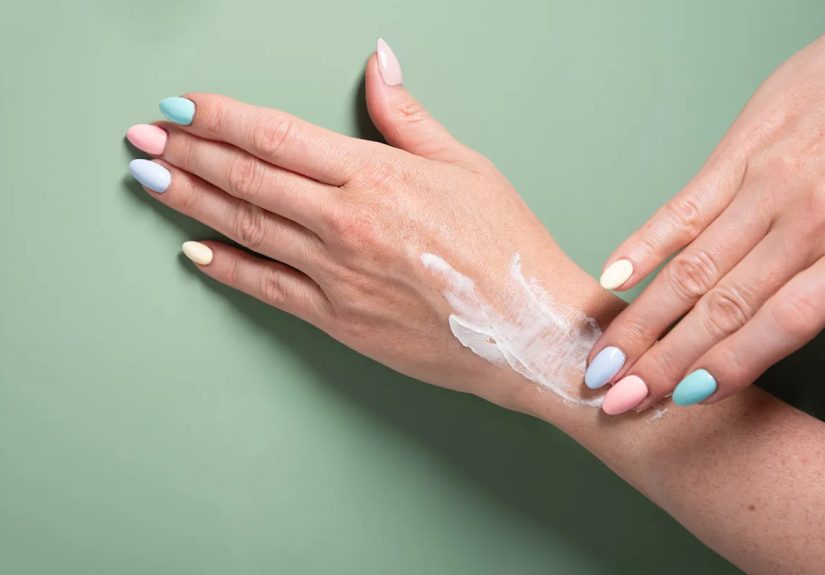
That is where topical treatments come in. Creams, gels, patches, rubs, and even heat or cold therapies can be useful for localized joint pain. They are not miracle workers, and they do not stop RA from damaging joints over time. But they can absolutely make a difference when one or two trouble spots are stealing the show. Think of topical treatments as the relief crew, not the whole fire department.
Why Topical Treatments Matter in Rheumatoid Arthritis
RA pain is complicated because it is driven by inflammation, nerve signaling, stiffness, and sometimes muscle tension around irritated joints. A topical product can help because it targets one small area instead of sending medication through the entire body. That can be appealing for people who want to avoid adding more pills to an already crowded medication schedule or for those who cannot tolerate certain oral pain relievers very well.
Topicals tend to work best when the pain is fairly localized. If your right wrist is cranky, your left knee is muttering under its breath, and the rest of your body is mostly cooperative, a gel or patch may be worth trying. If your RA is flaring all over, though, a topical product is more like bringing an umbrella to a hurricane. Helpful in spots, yes. Sufficient on its own, definitely not.
Topical NSAIDs: The Heavy Hitters for Local Inflammation
When people talk about the most evidence-backed medicated topical for arthritis pain, topical NSAIDs are usually at the top of the list. NSAID stands for nonsteroidal anti-inflammatory drug. The star player in this category is diclofenac gel, often sold over the counter in the United States as Voltaren Arthritis Pain.
Why does diclofenac get so much attention? Because unlike many other rubs and creams that mainly distract from pain, diclofenac is an actual anti-inflammatory medicine. In plain English, it is not just making your skin tingle so your brain gets temporarily confused. It is trying to calm down inflammation in the treated area.
For people with RA, that can be useful when pain is centered in smaller or moderately sized joints such as the hands, wrists, elbows, knees, ankles, or feet. It is especially appealing for someone who wants targeted relief without relying only on oral NSAIDs. That said, there is an important reality check here: most of the strongest clinical evidence and FDA labeling for topical diclofenac come from osteoarthritis and general arthritis pain, not RA-specific disease control. In rheumatoid arthritis, it is best viewed as an add-on for symptom relief rather than a core treatment for the autoimmune process.
What Diclofenac Gel Does Well
- Helps reduce localized pain and some inflammation.
- Can be useful for joints close to the skin, such as hands, wrists, knees, ankles, and feet.
- May offer relief with less whole-body exposure than a pill.
- Can fit nicely into an RA plan when only a few joints are acting dramatic.
What to Watch Out For
Because diclofenac is still an NSAID, it is not risk-free. Even though it is applied to the skin, it still carries important warnings, including possible stomach bleeding and increased risk of heart attack or stroke in some people. It also should not be used on broken or irritated skin. After application, you should avoid heat, tight bandages, and the temptation to slather on three other products in the same spot like you are frosting a cake.
Another practical point: it may not work instantly. Some people need several days of regular use before deciding whether it is helping. The product instructions matter here, and this is one of those rare times in life when reading the label is genuinely a power move.
Capsaicin: The Chili Pepper With a Day Job
Capsaicin is the ingredient that gives chili peppers their heat, and yes, someone really looked at that fiery little molecule and said, “What if we put this in a pain cream?” Oddly enough, that was not a terrible idea.
Capsaicin works by affecting pain-signaling nerve endings in the skin. Over time, it can reduce how loudly those nerves complain. It is often used for minor joint and muscle pain, including arthritis pain, and it may help some people with RA, especially when pain is stubborn but localized.
The catch is that capsaicin is not usually a “one dab and hallelujah” product. It often needs regular use for days or even a couple of weeks before the benefit becomes clear. In the beginning, it can cause a burning or stinging sensation. For some people, that sensation is mild and fades. For others, it feels like the cream is auditioning for a role as a tiny dragon. Technique matters. Apply a small amount, wash your hands thoroughly afterward, and do not rub your eyes unless you enjoy making regrettable life choices.
Who Might Like Capsaicin
- People who want a non-NSAID topical option.
- Those with isolated joint pain, especially if oral medications are not ideal.
- Patients willing to use it consistently and give it time to work.
Who Might Not
- Anyone with very sensitive skin.
- People who dislike heat sensations.
- Anyone likely to forget handwashing and accidentally turn eye contact into a medical event.
Lidocaine Patches and Creams: Numbing the Noise
Lidocaine is a topical anesthetic. Its main job is to numb the area and reduce pain signaling near the skin. Unlike diclofenac, it does not fight inflammation. Unlike capsaicin, it does not aim to retrain nerves over time. It is more of a “shhh, everybody calm down” approach.
For RA, lidocaine may be helpful when a joint or nearby soft tissue area is painful, tender, or irritating enough to make daily tasks miserable. Some people like lidocaine patches because they are neat, portable, and less messy than creams. Others prefer roll-ons or creams for hands and wrists.
The evidence for lidocaine in arthritis is not as strong as it is for some other pain conditions, and it is generally considered more of a symptom-soother than a problem-solver. Still, for the right person, especially someone with a clearly defined painful area, it can be a useful member of the pain-relief toolbox.
Menthol, Camphor, and Counterirritants: The “Icy-Hot” Effect
Counterirritants are topicals that create a cooling or warming sensation, often with ingredients like menthol or camphor. These products do not do much to change the actual inflammatory process in RA. Instead, they distract the nervous system by creating a new sensation on the skin. Basically, they persuade your brain to pay attention to the minty drama instead of the joint drama.
These products can be great for temporary relief, especially when stiffness and soreness are mild to moderate. They often feel good after a long workday, after light exercise, or on days when the joint pain is annoying but not deeply inflamed. The tradeoff is that the benefit may fade when the cooling or warming sensation wears off.
They are easy to find, easy to use, and often popular for a reason. Just do not confuse “feels impressive” with “treats inflammation.” They are comfort products, not disease-control products.
Salicylate Creams: Familiar, But Not for Everyone
Some topical products contain salicylates, ingredients related to aspirin. These can provide mild pain relief and a mild anti-inflammatory effect. For some people, they are perfectly reasonable over-the-counter options. For others, they deserve extra caution.
If you have an aspirin allergy, sensitivity to salicylates, or you take blood thinners, this is one category to discuss with a clinician or pharmacist before using. It is not the flashiest advice in the world, but it is important. A cream can still matter medically even when it looks harmless sitting next to shampoo and toothpaste.
What About Steroid Creams?
This question comes up a lot, usually because “steroid” sounds powerful and rheumatoid arthritis is definitely powerful in all the wrong ways. But topical corticosteroid creams are generally used for skin inflammation, not for treating pain inside RA-affected joints. They are not the same thing as a steroid injection into a joint, and they should not be expected to calm deep joint inflammation in a meaningful way.
So if you were hoping a random tube of hydrocortisone cream might fix a hot RA knuckle, that is probably wishful thinking wearing a pharmacy receipt as a disguise.
Heat, Cold, and Paraffin: The Non-Drug Topical Helpers
Not every topical treatment comes in a tube. Heat and cold therapies can be genuinely helpful in RA, and they are often overlooked because they do not come with a dramatic brand name.
Heat
Heat tends to be best for stiffness, especially morning stiffness or that annoying feeling that your fingers aged thirty years overnight. Warm packs, warm showers, heating wraps used safely, or paraffin wax baths for the hands can loosen tight tissues and make movement easier. Many people with RA find heat comforting before activity, hand exercises, or chores that require grip strength.
Cold
Cold tends to be better when a joint is swollen, hot, or flaring. A cold pack can numb pain and may help reduce swelling. If a joint looks puffy and feels like it is angry at you personally, cold is often the smarter first move.
Neither heat nor cold treats the underlying autoimmune disease, of course, but both can make daily life more manageable. And frankly, anything that makes opening jars less emotionally charged deserves some respect.
How to Choose the Right Topical for Your RA Pain
The best topical treatment depends on what kind of pain you are dealing with.
Try Diclofenac Gel If:
- You want an anti-inflammatory topical.
- Pain is centered in one or two accessible joints.
- You want something more targeted than an oral pain reliever.
Try Capsaicin If:
- You prefer a non-NSAID option.
- You are okay with regular application and a delayed payoff.
- You can tolerate a warming or burning sensation.
Try Lidocaine If:
- You want numbing relief for a very specific painful area.
- You are more focused on symptom control than inflammation control.
- You prefer patches or less messy products.
Try Menthol or Camphor Products If:
- You want quick, temporary comfort.
- Your pain is mild to moderate and you like the cooling or warming sensation.
- You want an easy over-the-counter option for sore days.
Use Heat or Cold If:
- Stiffness is the main problem, in which case heat often wins.
- Swelling or an active flare is the problem, in which case cold is often better.
How to Use Topicals Safely
Even over-the-counter products deserve respect. Use topicals on clean, dry skin. Do not apply them over cuts, rashes, infections, or irritated areas. Wash your hands after applying them unless your hands are the treatment area, and even then follow the product directions carefully. Avoid getting products in your eyes, nose, or mouth.
With diclofenac and many other topical pain relievers, skip heating pads, tight bandages, and layering other products on the same spot unless the instructions say it is okay. More product is not better. It is just more product.
It is also smart to check with your clinician if you are pregnant, have kidney disease, heart disease, a history of ulcers or GI bleeding, asthma triggered by aspirin or NSAIDs, or if you take blood thinners. Topical does not automatically mean risk-free.
When Topicals Are Not Enough
If your joints are frequently swollen, warm, and stiff for long stretches, or if your pain is interfering with sleep, work, or basic daily tasks, it is time to look beyond symptom patches and pain gels. RA needs disease control, not just pain camouflage. Disease-modifying antirheumatic drugs, often called DMARDs, and other prescription treatments are what help prevent long-term joint damage. Topicals can support that plan, but they cannot replace it.
Also, if you suddenly develop severe joint swelling, fever, redness, or a dramatic change in symptoms, do not assume it is “just arthritis being annoying.” That deserves medical attention.
Real-World Experiences With Topical Treatments for RA Pain
In real life, people with RA usually do not talk about topical treatments in grand, cinematic terms. Nobody says, “I applied a patch and then ran through a field in slow motion while inspirational music played.” The more honest version is this: topical treatments are often the small, practical things that help a hard day become a manageable day.
A lot of people with RA notice that their pain has patterns. Morning is often about stiffness. Evening is often about soreness. A hand that felt merely rude at breakfast can become downright rebellious by dinner. In those situations, topicals can fit into daily routines in a way that feels realistic. Someone may keep diclofenac gel near the bathroom sink and use it on wrists before work. Another person may reach for a paraffin bath in the evening because warm hands make it easier to button pajamas, hold a book, or type one more email without sounding angry in every sentence.
Hands are a huge theme in RA experiences. People often discover that hand pain is not only about pain. It is about function, confidence, and independence. It is the weirdly emotional experience of losing a wrestling match with a pickle jar, a shampoo bottle, or the cap on a sports drink. When a topical helps even a little, the benefit can feel bigger than the pain score suggests because it gives back a piece of normal daily life. That is why some patients swear by using a topical before cooking, gardening, commuting, or long typing sessions. They are not curing RA. They are trying to keep Tuesday from becoming a villain.
Capsaicin has its own special place in the experience conversation because first-time users often go through the same emotional arc: curiosity, bravery, warmth, surprise, regret, then eventual respect. People who stick with it and tolerate the initial burn sometimes say it becomes more useful after a week or two of regular use. The experience is less “instant relief” and more “gradual payoff if you are patient and do not touch your face.” That last part deserves its own framed certificate.
Lidocaine users often describe a different kind of satisfaction. They like the clean, quiet relief of numbing. It does not announce itself the way menthol does, and it does not bring the fiery personality of capsaicin. It is more subtle. Many people appreciate that, especially when they want relief during work or travel without smelling like a peppermint convention.
Then there are the menthol and camphor fans, who are often fully aware that these products are not changing the disease but still love the cooling sensation. The experience here is immediate comfort. It is the arthritis equivalent of turning your pillow to the cool side. Temporary? Yes. Worth it sometimes? Also yes.
One of the most consistent real-world lessons is that topicals work best when matched to the moment. Heat for stiffness. Cold for swelling. Diclofenac for a truly inflamed trouble spot. Lidocaine for localized tenderness. Capsaicin for patient people who do not mind routine. Menthol for quick comfort. The people who do best are often not the ones chasing the single best product. They are the ones building a smart toolkit.
And that may be the most honest experience of all. Managing RA joint pain is rarely about winning once and for all. It is about stacking small advantages. A gel here. A warm soak there. A patch before errands. A cold pack after too much activity. Good prescription care in the background. Better timing. Better habits. Fewer miserable surprises. When topical treatments are used with realistic expectations, they may not feel glamorous, but they can absolutely feel useful. In the world of rheumatoid arthritis, useful is a very beautiful word.
Conclusion
Topical treatments for managing joint pain in rheumatoid arthritis can be genuinely helpful, especially when pain is localized and you need extra relief without leaning only on oral medications. Diclofenac gel is usually the strongest anti-inflammatory option among medicated topicals. Capsaicin can help if you are willing to use it consistently. Lidocaine may soothe surface-level pain through numbing. Menthol, camphor, and salicylate products can offer temporary comfort, while heat, cold, and paraffin remain underrated classics.
The key is to keep expectations realistic. These products can make life easier, but they do not replace the disease-controlling treatments that protect joints over time. Use them wisely, safely, and as part of a bigger RA strategy. Because with rheumatoid arthritis, relief is rarely about one heroic product. It is about the right combination doing quiet, useful work in the background while you get on with living your life.