Table of Contents >> Show >> Hide
- Why Max Thieriot's Fire Prevention Message Feels Authentic
- From Fan Energy to Real-World Fire Safety
- Wildfire Prevention Starts Before the Smoke Is Visible
- How Fans Can Get Involved With Fire Prevention Awareness
- Why Entertainment Can Make Safety Messages Stick
- Specific Fire Prevention Examples Fans Can Use Today
- Extra Experience Section: What Fire Prevention Awareness Feels Like in Real Life
- Conclusion: The Fire Country Message Fans Should Take Seriously
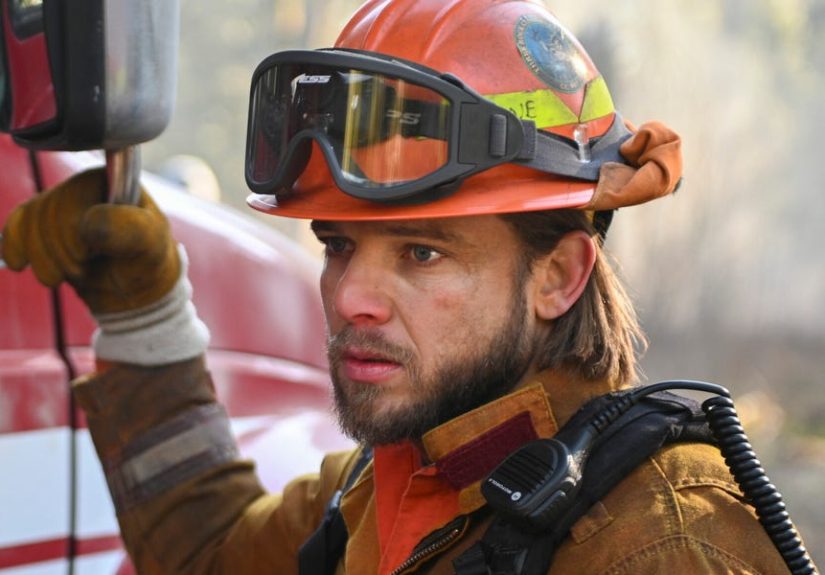
Television can make a wildfire look cinematic: roaring flames, heroic rescues, smoky sunsets, and a firefighter sprinting toward danger while the rest of us would be sprinting toward a snack drawer and a prayer. But for Max Thieriot, star, co-creator, and executive producer of Fire Country, the subject is not just prime-time drama. It is personal, practical, and urgently real.
Thieriot, who plays Bode Leone on the CBS drama, has helped turn Fire Country into more than a series about dangerous rescues and complicated small-town relationships. The show has also become a pop-culture doorway into conversations about fire prevention awareness, wildfire readiness, first responders, community responsibility, and what ordinary people can do before an emergency turns into a headline.
That matters because fire safety is not only the job of firefighters. It begins in kitchens, garages, backyards, bedrooms, apartment hallways, school events, neighborhood meetings, and yes, even fan communities online. When a familiar face like Max Thieriot uses the reach of Fire Country to encourage fans to pay attention, the message can travel farther than a standard public-service announcement. It turns entertainment into actionminus the cliffhanger, hopefully.
Why Max Thieriot’s Fire Prevention Message Feels Authentic
Fire Country is inspired by Thieriot’s experiences growing up in Northern California fire country, where wildfire risk is not an abstract concept. The series follows Bode Leone, a young man seeking redemption through a firefighting program, and it places him inside a fictional rural community where emergencies are deeply personal. In Edgewater, the person being rescued might be a neighbor, a childhood friend, or someone connected to the family dinner table by three separate emotional complications.
That small-town angle is one reason the show’s fire prevention message lands. Fire Country is not simply about flames; it is about consequences. A fire can destroy property, separate families, threaten pets and livestock, damage local economies, and leave emotional scars long after the smoke clears. The show dramatizes those stakes, but the real-world lesson is simple: preparation before the emergency is far easier than regret after it.
Thieriot and the Fire Country cast have also participated in public-awareness efforts connected to wildfire relief and support for first responders. When a television cast thanks firefighters, encourages donations, or reminds viewers to prepare, it may seem like a small gesture. But awareness campaigns often work best when they are repeated by people audiences already trust. Fans may tune in for Bode’s latest emotional spiral, but they can leave remembering to check the smoke alarm. That is a pretty good trade.
From Fan Energy to Real-World Fire Safety
One of the smartest parts of fire prevention awareness is that it gives fans something useful to do. Instead of only posting, “Bode better survive this episode,” viewers can turn their excitement into a household safety check. The action does not have to be dramatic. No one needs to rappel off the roof or speak in a gravelly firefighter voice. The most effective steps are often boring, which is exactly why they save lives.
Start With Smoke Alarms
Working smoke alarms are the foundation of home fire safety. They should be installed inside bedrooms, outside sleeping areas, and on every level of the home. They should be tested monthly, and older units should be replaced according to manufacturer guidance, commonly around the 10-year mark. A smoke alarm without power is not “vintage.” It is just a plastic ceiling decoration with dangerous confidence.
Fans can turn this into a monthly ritual. Watch an episode of Fire Country, then test the alarms. It takes less time than arguing online about whether Bode made the right decision. Families can also label the back of each alarm with the installation date, making replacement easier to track.
Practice a Two-Minute Escape Plan
Fire safety experts often emphasize that people may have only a very short time to escape once a home fire starts. That means every household needs a plan. Everyone should know two ways out of each room, where to meet outside, and why no one should go back inside after leaving. This includes children, older adults, roommates, guests, and anyone who assumes they will “figure it out” during an emergency. Emergencies are famously bad group-project leaders.
A good escape plan should include pets, accessibility needs, and backup routes. Apartment residents should know stairwell locations and building procedures. Families should practice during the day and at night, because a plan that only works when everyone is calm, awake, and wearing shoes is not really a plan.
Wildfire Prevention Starts Before the Smoke Is Visible
For viewers drawn to Fire Country because of its wildfire storylines, prevention begins outside the home. In wildfire-prone areas, defensible space is one of the most important concepts. It refers to the buffer between a building and surrounding vegetation, debris, or flammable materials. The goal is to reduce the chance that embers, heat, or flames can ignite the structure.
Practical steps include clearing dry leaves from gutters, moving firewood away from the house, trimming branches, removing dead vegetation, and keeping the area closest to the home as ember-resistant as possible. This is not glamorous work. Nobody has ever looked at a gutter scoop and said, “Hollywood, here I come.” But those small chores can make a meaningful difference when wind-driven embers are looking for something to ignite.
Build a Go Bag Before You Need It
Wildfire evacuation can move quickly. A go bag should include essentials such as water, nonperishable food, medications, copies of important documents, a flashlight, batteries, basic first aid, extra glasses or contacts, phone chargers, cash, pet supplies, and a change of clothes. The bag should be easy to carry and easy to find. If it is buried behind holiday decorations and a mystery box labeled “miscellaneous,” it is not ready.
Families should also know multiple evacuation routes. Roads can close, traffic can stall, and cell service can become unreliable. Planning ahead gives people options when stress is high and time is short.
How Fans Can Get Involved With Fire Prevention Awareness
Max Thieriot’s message works best when fans move from watching to participating. Fire prevention awareness does not require celebrity status, a television budget, or a heroic slow-motion entrance. It needs regular people doing repeatable things.
1. Share Verified Safety Tips
Fans can use social media to spread simple, accurate reminders: test smoke alarms, make an escape plan, clear dry vegetation, prepare a go bag, and sign up for local emergency alerts. The key word is accurate. In a crisis, misinformation spreads fast, so it is better to share guidance from fire departments, emergency agencies, the American Red Cross, CAL FIRE, FEMA, and other trusted organizations.
2. Support Local Fire Departments
Many fire departments host open houses, safety demonstrations, school visits, smoke-alarm programs, and community preparedness events. Fans can attend, volunteer where appropriate, donate to legitimate local foundations, or simply ask what help is needed. Sometimes awareness begins with showing up and listening.
3. Turn Fire Prevention Week Into a Household Challenge
Fire Prevention Week is a perfect time to make safety less intimidating. Families can create a checklist, assign roles, and reward completion with a movie night or pizza. The goal is not fear; it is confidence. A household that knows what to do is calmer, faster, and safer.
4. Make Preparedness Inclusive
Fire prevention awareness should include older adults, people with disabilities, children, renters, people living in rural areas, apartment residents, and pet owners. A strong plan considers who may need extra time, special equipment, transportation support, language access, or help understanding alerts. Community safety is strongest when it includes everyone, not just the person who owns the loudest emergency whistle.
Why Entertainment Can Make Safety Messages Stick
Procedural dramas have always influenced public attention. Medical shows make people talk about symptoms. Legal shows make everyone believe they can object in a courtroom. Firefighter dramas can make people think about risk, service, sacrifice, and prevention. Fire Country has an advantage because it connects action with emotion. Viewers care about the characters, and that emotional connection can make the safety message more memorable.
When fans see Bode, Manny, Sharon, Eve, Jake, and the rest of the Edgewater world deal with the aftermath of fire, they are reminded that emergencies are not isolated events. They ripple through families and towns. That is the real heart of fire prevention awareness: protecting people before they need rescuing.
Specific Fire Prevention Examples Fans Can Use Today
Here are simple examples that can turn awareness into action:
- Kitchen safety: Stay near the stove while cooking, keep towels and paper away from burners, and avoid cooking when distracted or exhausted.
- Electrical safety: Do not overload outlets, replace damaged cords, and give heat-producing appliances space.
- Heating safety: Keep portable heaters away from bedding, curtains, and furniture, and turn them off before sleeping or leaving the room.
- Smoke alarm routine: Test alarms monthly and replace units when they reach the end of their service life.
- Wildfire yard check: Remove dry leaves, needles, and debris from roofs, gutters, decks, and the first few feet around the house.
- Emergency contacts: Write down important numbers and keep printed copies in case phones lose battery or service.
- Pet preparedness: Keep leashes, carriers, food, medication, and vaccination records ready for evacuation.
The best part is that none of these steps requires panic. Fire prevention is not about living in fear. It is about building habits so ordinary days stay ordinary.
Extra Experience Section: What Fire Prevention Awareness Feels Like in Real Life
Anyone who has lived near wildfire country, watched a neighborhood fire truck race by, or smelled smoke on a windy day understands how quickly the mood can change. One minute, life is normal. The next, everyone is checking alerts, calling family, looking outside, and wondering whether the orange glow is sunset or something far less poetic.
The first experience many people have with fire prevention is surprisingly small. Maybe a teacher brought firefighters to school and let students see a fire engine up close. Maybe a parent made everyone practice crawling low under imaginary smoke. Maybe a smoke alarm chirped at 2 a.m., creating a household mystery that felt less like safety and more like a tiny robot demanding a battery sacrifice. These moments may seem minor, but they build familiarity. Familiarity helps people act faster when the situation is real.
In wildfire-prone communities, awareness often becomes part of the seasons. People clear brush, check gutters, review evacuation routes, and keep an eye on wind forecasts. Neighbors talk about defensible space the way others discuss lawn care. It becomes a shared responsibility. One home with dry debris stacked against the fence can affect the homes around it, which is why community-level action is so important.
There is also an emotional side to preparedness. Making a go bag can feel strange because it forces people to ask, “What would I take if I had only minutes?” The answer is usually practical at first: medication, documents, phone charger, water, keys. Then it becomes personal: photos, a child’s drawing, a pet’s leash, the hard drive with family videos. Fire prevention awareness reminds us that safety is not just about property. It is about memory, continuity, and the people we want beside us at the meeting point.
Fans of Fire Country can relate to this because the show understands emotional stakes. The most powerful scenes are rarely just about flames. They are about parents and children, old wounds, second chances, loyalty, and the fear of losing the place that made you. That is why Max Thieriot’s call for fans to get involved with fire prevention awareness feels bigger than a promotional message. It asks viewers to care beyond the episode.
A practical fan challenge could be simple: after the next episode, spend 30 minutes on prevention. Test alarms. Walk through escape routes. Clear dry leaves near the door. Check the go bag. Ask a neighbor if they receive local emergency alerts. Share one verified fire safety tip online. Thirty minutes will not turn anyone into a TV firefighter, but it can make a household safer.
The real win is cultural. When fire prevention becomes normal, people stop treating it as something only officials discuss during emergencies. It becomes part of responsible living, like wearing a seat belt or locking the door at night. Max Thieriot and Fire Country help make that conversation more visible, more human, and maybe even more memorable for fans who came for the drama but stayed for the message.
Conclusion: The Fire Country Message Fans Should Take Seriously
‘Fire Country’ Star Max Thieriot Wants Fans to Get Involved With Fire Prevention Awareness is more than a timely entertainment headline. It is a reminder that a hit TV show can inspire real-world habits. Max Thieriot’s connection to Northern California fire country gives the message authenticity, while the show’s emotional storytelling gives fans a reason to care.
Fire prevention awareness is not complicated, but it does require action. Test smoke alarms. Practice escape plans. Prepare go bags. Create defensible space. Support first responders. Share verified information. Check on neighbors. These steps may not come with dramatic music, but they can protect lives, homes, pets, memories, and communities.
In the end, Fire Country fans do not have to battle fictional infernos to make a difference. Sometimes the most heroic move is standing on a chair, pressing the smoke alarm test button, and making sure the people you love know exactly where to meet outside.