Table of Contents >> Show >> Hide
- What Hard Skin Really Is
- How to Remove Hard Skin at Home Safely
- How to Keep Hard Skin from Growing Back
- What Not to Do
- Who Should Be Extra Careful
- When Hard Skin Might Not Be “Just Hard Skin”
- When to See a Doctor or Podiatrist
- A Simple Weekly Routine for Hard Skin Removal
- Bottom Line
- Experiences People Commonly Have with Hard Skin Removal
- SEO Tags
Hard skin has a funny way of showing up uninvited, overstaying its welcome, and acting like it pays rent. One day your heel feels a little rough. The next day it could sand a coffee table. The good news is that hard skin is usually manageable at home when you handle it gently and fix the pressure or friction that caused it in the first place.
In most cases, “hard skin” means a callus or a corn. These thickened patches form because your skin is trying to protect itself from repeated rubbing or pressure. Translation: your body is improvising armor. Useful, yes. Stylish, not always. Pain-free, definitely not guaranteed.
This guide explains how to remove hard skin at home safely, which products actually help, what not to do, and how to stop rough patches from growing back like a stubborn sequel nobody asked for. It also covers when hard skin needs professional treatment instead of a DIY spa moment in your bathroom.
What Hard Skin Really Is
Hard skin is usually a protective response. When an area of skin gets repeated pressure or friction, the outer layer thickens over time. That is why hard skin often appears on the heels, balls of the feet, toes, or even hands if you lift weights, garden, row, or use tools often.
Calluses vs. Corns
Calluses are broader, flatter patches of thick skin. They usually form on weight-bearing areas like the heels or the balls of the feet. They can feel rough, dry, and sometimes tender.
Corns are usually smaller and more concentrated. They often develop on the tops or sides of toes where shoes rub. Corns can have a hard center and are more likely to hurt when pressed. If a callus is the wide, grumpy cousin, a corn is the tiny drama queen with a sharp opinion.
Why Hard Skin Keeps Coming Back
If you only file the skin down but never fix the cause, it usually returns. Common triggers include tight shoes, narrow toe boxes, high heels, barefoot walking on hard surfaces, sweaty feet, standing for long hours, foot shape changes, bunions, hammertoes, and gait issues that shift pressure to the same spot over and over.
Dry skin can also make the problem worse. Thickened skin that becomes very dry may crack, and cracked heels are more than a cosmetic annoyance. They can become painful and raise the risk of infection, especially if the skin splits deeply.
How to Remove Hard Skin at Home Safely
The safest home strategy is simple: soften, smooth, moisturize, and reduce pressure. Think gentle maintenance, not aggressive demolition.
Step 1: Soften the Skin First
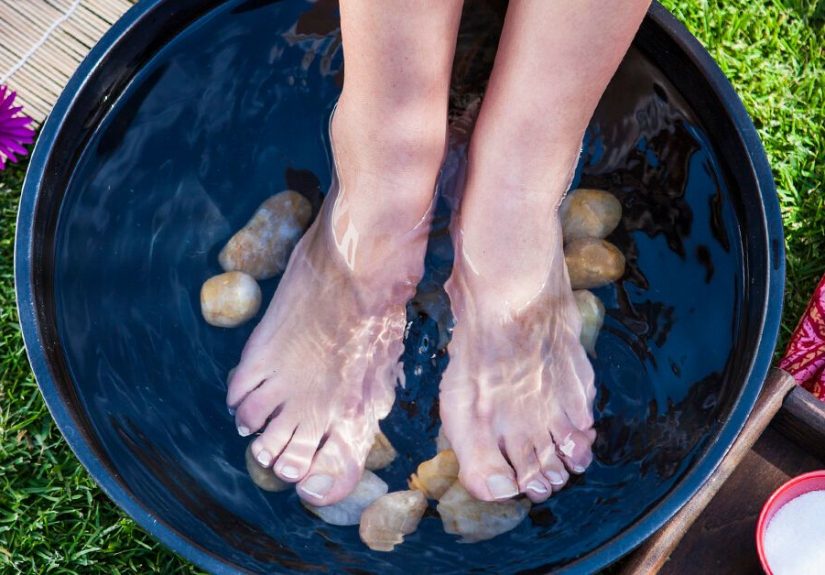
Soak the affected area in warm water for about 10 minutes. Warm, not hot. You are softening thick skin, not making soup. A mild soap is fine. This step helps loosen the outer dead skin so it is easier to reduce without scrubbing too hard.
If you have diabetes, neuropathy, poor circulation, or you are not sure how well you can feel temperature in your feet, skip long soaking sessions unless your clinician has told you it is okay. In those cases, even a too-hot foot bath can cause trouble fast.
Step 2: Gently Use a Pumice Stone or Foot File
After soaking, pat the skin dry and use a pumice stone, emery board, or foot file with light pressure. The goal is to remove some of the thickened skin, not all of it in one heroic session. Move in one direction or small circles, and stop if the area becomes sore, pink, or irritated.
This is where many people go wrong. Hard skin is not a personal insult. You do not need to “win.” Gentle, repeated care works better than turning your heel into a woodworking project.
Step 3: Apply a Moisturizer That Actually Helps
A plain lotion is better than nothing, but certain ingredients are better for hard skin removal and prevention:
- Urea: Great for softening thick, dry skin and rough heels.
- Lactic acid or ammonium lactate: Helps loosen dead skin and smooth rough patches.
- Salicylic acid: Can help dissolve thickened skin, but it must be used carefully.
- Petroleum jelly or thick ointment: Helps lock in moisture after treatment.
If the hard skin is on the heel, apply the active cream first, then seal it in with a thicker ointment at night. Cotton socks can help keep the product in place and your sheets from becoming collateral damage.
Step 4: Repeat on a Schedule, Not in a Panic
Hard skin usually improves with steady care over days to weeks. Soak and file a few times per week if needed, and moisturize daily. Over-filing can make the skin sore or trigger more thickening later, which is the exact opposite of the plan.
How to Keep Hard Skin from Growing Back
Prevention matters more than people think. If you solve the friction, you usually solve the cycle.
Wear Shoes That Do Not Pick Fights With Your Feet
Ill-fitting shoes are one of the biggest reasons hard skin keeps returning. Look for shoes with:
- A roomy toe box
- Enough depth so toes do not rub the top
- Cushioning under the heel and ball of the foot
- A secure fit that does not slide and create friction
- Support that matches your activity level
If a shoe requires a painful “break-in period,” your feet already filed a complaint. Listen to them.
Use Protective Padding
Non-medicated foam pads, toe sleeves, toe separators, cushioned insoles, and heel cups can reduce pressure. Donut-shaped pads are especially helpful for corns because they relieve pressure around the sore spot instead of pressing directly on it.
For recurring calluses on the ball of the foot, a metatarsal pad or better shoe cushioning may help. If hard skin forms because of a bunion, hammertoe, or other structural issue, padding may help temporarily, but a podiatrist can tell you whether orthotics or other treatment would work better.
Moisturize Daily
Moisturizing keeps skin more flexible and lowers the chance of rough buildup and cracking. For heels, use a thicker cream or ointment once or twice a day. Just avoid putting moisturizer between the toes, where extra moisture can encourage skin breakdown or fungal problems.
Choose Better Socks
Socks matter more than they get credit for. A good pair reduces rubbing, manages moisture, and cushions pressure points. Look for socks that fit well, do not bunch up, and work for your activity. Thick seams in the wrong spot can create a repeat problem that your feet remember even if you do not.
Pay Attention to How You Walk and Stand
If hard skin always forms in the same place, your foot mechanics may be part of the issue. Flat feet, high arches, toe deformities, long hours of standing, sports, or walking patterns can all concentrate pressure. When that happens, filing alone is like mopping the floor while the sink is still overflowing.
What Not to Do
Some hard skin removal methods are risky, especially on feet.
- Do not cut, shave, or slice hard skin with scissors, razors, blades, or “callus shavers.”
- Do not peel off large sections of skin.
- Do not sand the area aggressively until it burns or bleeds.
- Do not use medicated corn pads carelessly on normal skin.
- Do not ignore pain, bleeding, drainage, redness, or warmth.
A dramatic home fix may feel satisfying for about six minutes, followed by several days of regret. Skin that is cut or chemically burned can become infected, and that risk is much higher in people with diabetes, nerve damage, or circulation problems.
Who Should Be Extra Careful
Some people should not attempt much DIY hard skin removal at all. You should be very cautious and usually get professional advice first if you have:
- Diabetes
- Peripheral neuropathy or numbness
- Poor circulation
- A history of foot ulcers
- An immune condition that affects healing
- Very painful, inflamed, cracked, or bleeding skin
In these situations, even minor skin injury can turn into a major problem. If you have diabetes, do not cut calluses or corns yourself and be careful with over-the-counter acid products. Daily foot checks are important, especially if you cannot feel pain normally.
When Hard Skin Might Not Be “Just Hard Skin”
Not every rough patch is a callus. Sometimes people mistake plantar warts, eczema, fungal infections, or other skin problems for hard skin. A lesion deserves a closer look if it:
- Hurts more than you would expect
- Bleeds easily
- Has redness, swelling, warmth, or drainage
- Does not improve with gentle care
- Returns quickly in the exact same painful way
- Changes color or appearance
Some foot lesions can mimic a callus while needing completely different treatment. If something looks odd, acts angry, or refuses to cooperate, get it checked. Your feet are not being mysterious for fun.
When to See a Doctor or Podiatrist
Make an appointment if:
- Walking is painful
- The area cracks, bleeds, or looks infected
- You have diabetes, neuropathy, or poor circulation
- Home care has not helped after a couple of weeks
- The hard skin keeps coming back no matter what you do
- You think a bunion, hammertoe, or other foot shape issue is causing it
A podiatrist or dermatologist can trim thick skin safely, reduce pressure points, recommend better footwear or orthotics, and make sure the problem is actually a corn or callus and not something else.
A Simple Weekly Routine for Hard Skin Removal
If you want a realistic plan, try this:
Daily
- Check your feet for rough spots, redness, cracks, or tenderness.
- Apply a thick moisturizer, especially to heels and other dry areas.
- Wear well-fitting shoes and socks.
Two to Three Times a Week
- Soak the area for about 10 minutes.
- Use a pumice stone or foot file gently.
- Apply a urea, lactic acid, or other foot cream if appropriate.
As Needed
- Add non-medicated pads or insoles to reduce pressure.
- Replace worn shoes that have lost cushioning or support.
- See a professional if pain or thickening persists.
Bottom Line
The best home treatment for hard skin is not aggressive scraping or miracle goo. It is a boring, sensible combo that works: soften the skin, remove it gently, moisturize consistently, and stop the rubbing or pressure that caused it in the first place.
If your hard skin is mild, this approach is usually enough to make feet feel and look much better. If it is painful, keeps coming back, or you have diabetes or circulation issues, let a professional handle it. Your feet carry you through your life. They deserve better than a blade from the bathroom drawer and a speech about “toughening up.”
Experiences People Commonly Have with Hard Skin Removal
The examples below are realistic, composite experiences based on common patterns people report with calluses, corns, rough heels, and pressure-related hard skin.
One of the most common experiences is realizing that the hard skin itself is not always the whole problem. A lot of people spend weeks filing a heel or rubbing down a corn, only to discover that the real culprit is a favorite pair of shoes that fit like a grudge. Once they switch to shoes with a wider toe box or more cushioning, the skin finally stops building back up so quickly. That moment is usually less “medical breakthrough” and more “Wait, my sneakers were the villain?”
Another common experience is the cycle of overdoing it. Someone notices thick skin on a heel, attacks it with a rough file for 20 enthusiastic minutes, and ends up with a sore, irritated patch that feels worse than the original callus. Then comes the lesson most people learn eventually: gentle and consistent beats aggressive and occasional. The skin responds better to a little care several times a week than one dramatic exfoliation event that should probably come with a warning label.
People with cracked heels often describe the problem getting worse in dry weather, during sandal season, or after long shifts standing on hard floors. In those cases, the winning combination is usually not just filing. It is filing plus daily moisturizing, especially at night, plus socks, plus better support under the heel. In other words, hard skin removal works best when it is part of a routine, not a single random act of foot optimism.
Corns on the toes create a different kind of frustration. People often say they feel fine barefoot but miserable in shoes, especially dress shoes, pointed flats, or anything narrow in front. A small corn can feel weirdly powerful for something the size of a lentil. Many people find that cushioning pads or toe sleeves help quickly, but the real long-term fix is reducing the rubbing that formed the corn in the first place.
There is also the experience of discovering that what looked like “just a callus” is actually something that needs professional help. Some people notice the area is sharply painful, keeps returning in the exact same spot, or starts cracking, bleeding, or becoming inflamed. A visit to a podiatrist often saves them a lot of time and guesswork. Instead of endlessly buying foot creams and hoping for the best, they get the pressure point identified and a safer treatment plan.
For people with diabetes or numbness in the feet, the experience is often very different. They may not feel irritation early, so a callus can thicken before it gets attention. That is why regular foot checks matter so much. Many people in this group say the biggest change came from daily inspection, better shoes, and getting calluses trimmed professionally instead of trying home fixes that carry too much risk.
The biggest takeaway from real-world hard skin removal experiences is surprisingly simple: the skin usually improves when people stop treating it like an enemy and start treating it like a signal. Hard skin is your body telling you where pressure, friction, dryness, or poor shoe fit is happening. Once you respond to that message, the skin usually becomes a lot less dramatic.