Table of Contents >> Show >> Hide
- What Are Mohair Socks?
- Why Mohair Works So Well for Socks
- Mohair Socks vs. Merino Wool Socks
- Mohair Socks vs. Cotton Socks
- Best Uses for Mohair Socks
- How to Choose the Best Mohair Socks
- How to Wash Mohair Socks
- Are Mohair Socks Ethical?
- Common Myths About Mohair Socks
- Who Should Try Mohair Socks?
- Real-Life Experience: What Wearing Mohair Socks Actually Feels Like
- Conclusion
Mohair socks sound like something a very elegant goat would recommend while sipping espresso on a mountain. But behind the fancy name is a practical, hardworking sock fiber with a long history, a loyal fan base, and some surprisingly down-to-earth benefits. If your feet have ever staged a protest inside sweaty cotton socks, or if your hiking boots have turned your heels into modern art, mohair may be worth a closer look.
Mohair comes from the fleece of Angora goats, not Angora rabbits. That distinction matters because “mohair” is a specialty animal fiber known for strength, luster, softness, resilience, and impressive moisture management. In sock form, it is often blended with wool, nylon, polyester, acrylic, or elastane to create a better balance of comfort, stretch, durability, and shape retention. Translation: the goat brings the luxury; the supporting fibers bring the engineering department.
This guide explains what mohair socks are, why people love them, how they compare with merino wool and cotton socks, when to wear them, how to wash them, and how to buy a pair without falling for fluffy marketing nonsense.
What Are Mohair Socks?
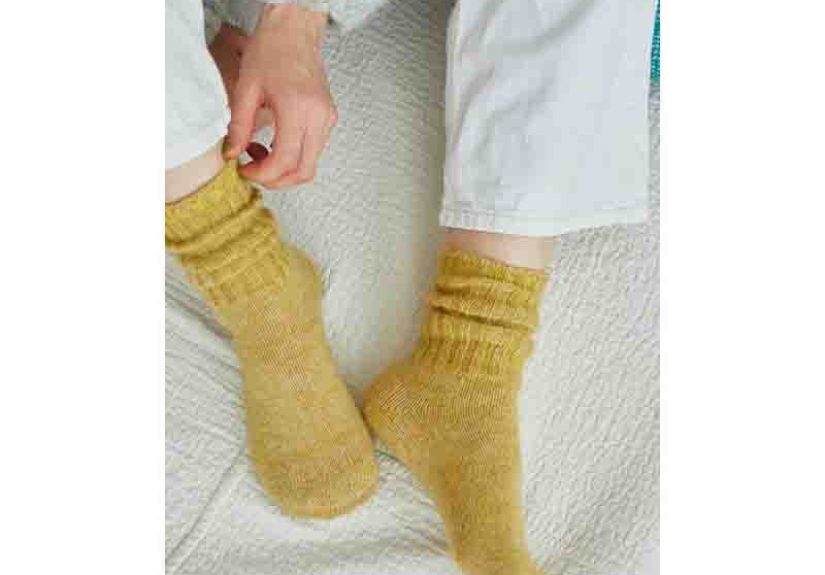
Mohair socks are socks made with mohair fiber, usually as part of a blend. Pure mohair is luxurious but not always practical by itself for modern socks because socks need stretch, recovery, abrasion resistance, and a snug fit. That is why many quality mohair socks include supporting fibers such as merino wool for softness and warmth, nylon for durability, polyester for drying speed, and elastane or spandex for stretch.
The star ingredient, however, is mohair. It is valued because the fiber has a smooth surface, natural shine, and good resilience. In everyday language, resilience means the sock is less likely to collapse into a sad, shapeless foot bag after a few wears. Mohair fibers can help socks feel springy, warm without being suffocating, and surprisingly comfortable during long periods on your feet.
Why Mohair Works So Well for Socks
1. Moisture Management for Happier Feet
Feet sweat. This is not a moral failing; it is biology being rude. A good sock helps move moisture away from the skin so your feet feel drier and less clammy. Mohair is known for breathability and moisture-wicking behavior, which makes it a strong candidate for hiking socks, running socks, work socks, and travel socks.
Moisture matters because damp skin is more vulnerable to friction. When moisture, heat, and repetitive movement team up, blisters arrive like tiny villains. A well-designed mohair sock can help reduce that risk by keeping the skin environment more comfortable. It cannot magically fix bad boots, poor sizing, or a 20-mile hike you trained for by walking to the fridge, but it can help.
2. Warmth Without the Swamp Effect
Mohair has insulating properties, which makes it useful in cold weather. However, it is not just a “winter-only” fiber. Because it can also help manage moisture, many people find mohair socks comfortable across a wider range of temperatures than expected. The right thickness matters here. A heavy cushioned mohair sock is better for winter boots, cold cabins, and long outdoor days. A lighter mohair blend can work for walking, travel, or daily wear when you want comfort without bulky padding.
3. Durability That Justifies the Price
Mohair socks usually cost more than basic cotton socks. That can feel dramatic at first. After all, they are socks, not a mortgage payment. But the value often comes from longevity. Mohair is prized for strength and durability, and when blended with nylon or other reinforcing fibers, it can stand up well to repeated wear.
The best way to think about price is cost per wear. A cheap sock that loses shape, holds odor, and develops holes quickly may not be cheap for long. A well-made mohair sock that survives seasons of hiking, work, or travel can be the smarter buy, especially if your feet are on duty all day.
4. A Smooth Feel That May Reduce Irritation
Mohair has a smoother surface than many traditional coarse wool fibers. That smoothness can make it feel less scratchy to some wearers. People who dislike old-fashioned wool socks may find mohair blends more pleasant, especially when the sock uses fine mohair or kid mohair. Still, skin sensitivity varies. If you have a known wool or animal-fiber sensitivity, start with one pair before buying enough socks to outfit a small hiking club.
Mohair Socks vs. Merino Wool Socks
Merino wool socks are famous for temperature regulation, softness, and odor resistance. They dominate the outdoor sock aisle for good reason. Mohair socks are less common but offer a compelling alternative, especially for people who want durability, smoothness, and moisture management.
Merino wool tends to feel soft and cozy, making it popular for hiking, skiing, and everyday wear. Mohair often feels silkier and more resilient. Some sock makers combine mohair and merino to get the best of both: merino’s soft comfort plus mohair’s strength and smooth performance. In other blends, mohair is paired with synthetics to improve durability, fit, and drying speed.
The winner depends on your feet. If you want a classic, easy-to-find hiking sock, merino is a safe choice. If you want something long-lasting, smooth, and a little more unusual, mohair socks deserve a try. Think of merino as the reliable friend who brings snacks. Mohair is the stylish friend who also knows how to pitch a tent.
Mohair Socks vs. Cotton Socks
Cotton socks are comfortable for casual, low-sweat situations. The problem is that cotton absorbs moisture and dries slowly. Once cotton gets wet, it tends to stay wet, which can lead to rubbing, odor, and cold feet. That is why outdoor experts often recommend wool or technical synthetic socks instead of cotton for hiking, backpacking, running, and long workdays.
Mohair socks are better suited for situations where your feet need moisture control, insulation, and durability. If you are lounging at home for an hour, cotton is fine. If you are walking all day, standing on hard floors, traveling through airports, hiking trails, or wearing boots, mohair has a stronger case.
Best Uses for Mohair Socks
Hiking and Trekking
Mohair socks are excellent candidates for hiking because they can provide cushioning, moisture control, and reduced friction. Choose sock height based on your footwear. Crew socks pair well with hiking boots because they protect the ankle and lower calf from boot abrasion. Low-cut mohair socks may work better with trail shoes in warm weather.
Running and Fitness Walking
Some performance running socks use mohair blends because the fiber can contribute to temperature regulation and blister resistance. For running, fit is everything. Look for a secure heel pocket, seamless or low-profile toe seam, breathable panels, and enough stretch to prevent bunching.
Work Boots and Long Shifts
If you stand for hours, your socks matter more than you think. A cushioned mohair sock can make work boots more comfortable by reducing rubbing and helping your feet stay drier. Workers in cold environments may appreciate thicker mohair socks, while those in warmer settings may prefer lighter blends.
Travel
Travel socks need to handle long walks, temperature swings, and repeated wear. Mohair socks can be useful because they are comfortable, durable, and less prone to feeling damp. Pack two or three pairs, wash them gently, and let them air dry overnight. Your suitcase will smell less like a gym bag that made poor life choices.
Everyday Comfort
You do not need a mountain, marathon, or lumberjack beard to wear mohair socks. Many people enjoy them for daily use, especially in cooler months. A thin or medium-weight mohair blend can fit into casual shoes, boots, and clogs while offering more comfort than basic cotton socks.
How to Choose the Best Mohair Socks
Check the Fiber Blend
Do not buy socks based only on the word “mohair.” Check the actual fiber content. A sock with a small percentage of mohair may still perform well if the design is strong, but it is not the same as a sock where mohair is a major component. Good blends are transparent about materials and percentages.
Match Cushioning to Activity
Light cushioning works for warm weather, casual walking, and tighter shoes. Medium cushioning is versatile for hiking, travel, and work. Heavy cushioning is best for cold weather, boots, hunting, mountaineering, or anyone whose feet enjoy the feeling of tiny mattresses.
Choose the Right Height
No-show socks are best for low shoes. Ankle socks offer a little more coverage. Crew socks are the classic choice for boots and hiking. Knee-high socks are useful for cold weather, skiing, hunting, and tall boots. The rule is simple: your sock should rise higher than the part of the shoe or boot that might rub your skin.
Prioritize Fit
A sock that is too large can wrinkle and cause hot spots. A sock that is too small can create pressure and slide around. The heel cup should sit where your heel actually lives, not somewhere near your Achilles tendon having an identity crisis. If you are between sizes, many sock experts suggest sizing down to reduce excess fabric, unless you have wide feet or prefer extra room.
Look for Reinforced Heels and Toes
The heel and toe zones take the most abuse. Reinforcement can extend sock life, especially for hiking, work, and running. Seamless or flat toe seams are also helpful if you are prone to irritation around the toes.
How to Wash Mohair Socks
Mohair socks are not difficult to care for, but they do appreciate manners. Always check the care label first because blends differ. In general, wash them in cold or lukewarm water on a gentle cycle, preferably inside out. Use a mild detergent. Avoid bleach and fabric softener because harsh additives can damage natural fibers and reduce performance.
Air drying is usually the safest option. Hang them or lay them flat away from direct heat. Some blends can tolerate low tumble drying, but heat is the enemy of many natural fibers. If you want your mohair socks to last, treat the dryer like a spicy food: acceptable in moderation, dangerous when overdone.
Are Mohair Socks Ethical?
Ethics depend on sourcing, animal welfare, land management, and supply-chain transparency. Mohair comes from Angora goats, and responsible production requires proper animal care. Shoppers who care about animal welfare should look for brands that explain where their mohair comes from and whether they use certification systems such as the Responsible Mohair Standard. This type of certification is designed to support better animal welfare, land management, social welfare, and chain-of-custody practices.
No certification is a magic wand, but transparency is better than vague claims. If a brand says “ethical mohair” but gives no details, ask questions. Good companies are usually proud to explain their sourcing. Bad ones hide behind adjectives wearing sunglasses.
Common Myths About Mohair Socks
Myth 1: Mohair Is the Same as Angora Rabbit Fiber
No. Mohair comes from Angora goats. Angora rabbit fiber comes from rabbits and should be labeled differently. This confusion is common because both names include “Angora,” but the animals, fibers, and labeling expectations are not the same.
Myth 2: Mohair Socks Are Only for Winter
Not necessarily. Thick mohair socks are great for winter, but lighter blends can be comfortable in milder weather. The sock construction, cushioning, and shoe breathability matter as much as the fiber itself.
Myth 3: Expensive Socks Are Always Better
Price can reflect better materials and construction, but it is not a guarantee. A good mohair sock should have clear fiber content, appropriate cushioning, reinforced wear zones, a comfortable toe seam, and care instructions. If the sock costs a lot but tells you nothing, keep shopping.
Myth 4: Mohair Never Smells
Natural fibers can help manage odor better than many basic synthetic or cotton socks, but no sock is immune to biology. If you wear them for a hard workout, wash them. Your roommates, spouse, tent partner, or innocent laundry basket will thank you.
Who Should Try Mohair Socks?
Mohair socks are a smart choice for hikers, runners, travelers, workers, cold-footed humans, people who dislike damp socks, and anyone curious about premium natural-fiber performance. They are especially appealing if you have tried cotton socks and found them too sweaty, or if merino wool socks worked well but you want something smoother or more durable.
They may not be ideal for everyone. If you are vegan, avoid animal fibers, or have sensitivities to wool-like materials, mohair may not fit your needs. If you mostly wear thin dress shoes, bulky mohair socks may be too thick. In that case, look for lightweight mohair blends or save the plush pairs for boots and home wear.
Real-Life Experience: What Wearing Mohair Socks Actually Feels Like
The first thing many people notice about mohair socks is that they feel different from ordinary socks. Not necessarily softer in the fluffy-cloud way that some merino socks do, but smoother, springier, and slightly more structured. Pulling on a good pair feels like giving your feet a tiny support crew. They do not sag immediately, they do not bunch under the arch, and they seem to understand that toes prefer peace, not chaos.
On a long walking day, the biggest benefit is not dramatic at first. You may not think, “Wow, my socks are performing an advanced moisture-management operation.” You simply notice, several hours later, that your feet are not as clammy as expected. The comfort is quiet. It is the absence of complaints. No hot spot on the heel. No weird damp chill when you stop for lunch. No sock wrinkle forming a miniature mountain range under your toes.
In boots, mohair socks can feel especially useful. A medium-cushion pair adds enough padding to soften pressure points without turning the boot into a sauna. This is where the fiber earns its reputation. During cool-weather hikes, yard work, camping trips, or warehouse shifts, mohair socks can keep feet warm while still helping them breathe. That balance is what separates premium socks from the bargain multipack that gave up emotionally after three washes.
For travel, mohair socks are also practical. Imagine a long airport day: security lines, cold airplane floors, unexpected sprinting to Gate B47, and the mysterious tropical climate that forms inside sneakers after six hours. A reliable mohair blend handles this better than cotton. If washed in a hotel sink and pressed gently in a towel, many lighter pairs dry well enough overnight, depending on humidity and thickness. They also take up less space than packing a separate sock for every possible mood your feet might have.
At home, thick mohair socks are a comfort item disguised as equipment. They are excellent for reading on the couch, working at a desk in winter, or making coffee on cold kitchen tile while pretending you are not emotionally dependent on caffeine. Unlike some fuzzy socks, good mohair socks still feel functional. They are warm, but not flimsy. Cozy, but not useless. The best pairs make you wonder why your sock drawer has tolerated mediocrity for so long.
There is one learning curve: care. Mohair socks reward gentle washing. Tossing them into a hot wash and scorching dryer cycle is a bold experiment in regret. Wash cool, avoid harsh detergents, and air dry when possible. Also, rotate pairs. Even durable socks need time to recover between wears. Treat them well, and they can become the socks you reach for firstthe ones that mysteriously disappear from the drawer because everyone else in the house has discovered them too.
The honest verdict? Mohair socks are not hype-proof miracle tubes. They will not fix shoes that do not fit. They will not turn a couch potato into a thru-hiker. They will not make Monday enjoyable, though science continues to investigate. But they do deliver a rare combination of comfort, moisture control, warmth, and durability. For people who walk, hike, work, travel, or simply appreciate having feet that do not feel like damp bread, mohair socks are absolutely worth considering.
Conclusion
Mohair socks combine luxury and function in a way few everyday items manage. They are made from the fleece of Angora goats, usually blended with other fibers to improve stretch, durability, and fit. Their strengths include moisture management, warmth, smoothness, resilience, and long-lasting comfort. That makes them useful for hiking, running, work boots, travel, cold-weather lounging, and daily wear.
The best mohair socks are not chosen by buzzwords alone. Look for clear fiber content, the right cushioning level, proper height, reinforced wear zones, and responsible sourcing. Wash them gently, dry them carefully, and give them a fair rotation. Your feet may not write you a thank-you note, but they will probably stop complaining so loudly.