Table of Contents >> Show >> Hide
- What you’ll learn
- Quick 10-second check: Is this an ingrown toenail?
- Why ingrown toenails happen (and why they keep coming back)
- Home remedies that actually help (for mild cases)
- 1) The warm soak routine (your toe’s version of a spa day)
- 2) Lift-the-edge method: cotton or waxed dental floss (gentle is the entire point)
- 3) Protect the area: petroleum jelly or OTC antibiotic ointment + a loose bandage
- 4) Pain relief: simple, boring, effective
- 5) Shoe strategy: give your toe a bigger apartment
- 6) Keep it clean, keep it calm
- 7) If you must trim, trim smart (and only what’s safe)
- What NOT to do (AKA “Please don’t make your toe a side quest”)
- When to stop DIY and call a professional
- What a doctor or podiatrist might do (and why it’s not as scary as it sounds)
- Prevention: Make it a one-time toe plot twist
- FAQ: quick answers for busy toes
- Real-world experiences: what people learn the hard way (about ingrown toenail remedies)
- Final thoughts
Ingrown toenails are the universe’s way of proving that even something as small as a nail can cause outsize drama. One minute you’re minding your business, the next your big toe is pulsing like it has its own opinion about your life choices.
This guide covers safe, practical remedies for getting rid of ingrown toenails (a.k.a. onychocryptosis), what to avoid (no “bathroom surgery,” please), when it’s time to call a podiatrist, and how to keep the problem from coming back for an encore. It’s written for mild cases and general educationif you have severe pain, spreading redness, pus, fever, or medical conditions like diabetes or poor circulation, skip the DIY section and jump straight to “When to Stop DIY.”
Quick 10-second check: Is this an ingrown toenail?
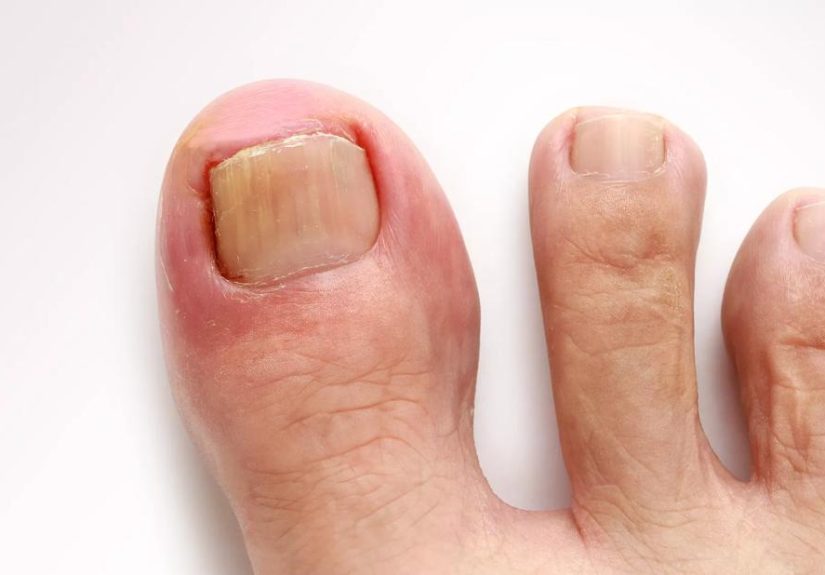
An ingrown toenail happens when the edge or corner of a nail presses into the surrounding skin instead of growing neatly over it. Early on, it can feel like a sore spot. As it worsens, it can look red, swollen, and irritatedsometimes with drainage or crusting if infection joins the party.
Common clues:
- Tenderness along one side of the nail (usually the big toe)
- Redness, swelling, or warmth at the nail fold
- Pain with shoes or when the toe is bumped (which is always, somehow)
- In later stages: drainage, pus, odor, or skin that looks “puffy” around the nail edge
Why ingrown toenails happen (and why they keep coming back)
Most ingrown toenails come down to two villains: pressure and shape. Pressure from tight shoes or repetitive impact pushes the nail into skin. Shape issueslike nails that naturally curve, thick nails, or nail edges trimmed into a curvemake it easier for the nail to “find” the skin and dig in.
Top causes and risk factors
- Trimming mistakes: cutting nails too short, rounding corners, or digging down the sides
- Tight toe boxes: narrow shoes, pointed dress shoes, snug boots, or cleats that squeeze the front
- Toe trauma: stubbing, dropping something on the toe, or sports that jam the toes forward
- Genetics: some people inherit nail shapes that curve more aggressively
- Sweaty feet: moisture softens skin, making it easier to puncture and inflame
- Thickened or fungal nails: thicker nails can press into skin more easily
Recurrence usually happens when the underlying mechanics don’t change: the nail keeps being trimmed into a curve, the shoes keep squeezing, or the nail’s shape keeps driving the edge into the skin. The goal isn’t just “relief today”it’s stopping the loop.
Home remedies that actually help (for mild cases)
If your toe is mildly painful and irritated but not showing signs of significant infection (no spreading redness, no pus, no fever), conservative care often helps. Think of this as giving the nail a gentle nudge back onto the right track while calming angry skin.
1) The warm soak routine (your toe’s version of a spa day)
Soaking softens the skin and nail edge, reduces swelling, and makes everything less “tight” and reactive.
- Fill a basin with warm water (not scaldingyour toe is already upset).
- Add mild soap, or use plain warm water. Some people use Epsom salt; the key is warmth and consistency.
- Soak for 10–20 minutes, 2–4 times daily for a few days.
- Dry the toe thoroughly afterward (moisture can invite bacteria).
Pro tip: if you’re going to try the “lift the edge” method next, do it right after a soak when things are softer.
2) Lift-the-edge method: cotton or waxed dental floss (gentle is the entire point)
The idea is to create a tiny “bridge” so the nail edge stops spearing the skin and can grow outward instead. This is best for early ingrown toenails, when the nail is just starting to press in.
- Wash your hands. Clean the toe with soap and water.
- After soaking, very gently lift the corner of the nail that’s pressing into skin.
- Place a small piece of clean cotton or waxed dental floss under the nail edge.
- Replace the cotton/floss daily (ideally after each soak).
- Stop immediately if you can’t do this without significant pain or bleeding.
This should feel like “slight pressure,” not “I can see my ancestors.” If it’s intensely painful, the nail may be too embedded for safe DIYand that’s your cue to move to professional care.
3) Protect the area: petroleum jelly or OTC antibiotic ointment + a loose bandage
Once the toe is clean and dry, apply a thin layer of petroleum jelly or an over-the-counter antibiotic ointment, then cover it with a bandage. The goal: reduce friction, keep the area cleaner, and prevent the nail edge from rubbing like sandpaper against inflamed skin.
Change the bandage daily (or more often if it gets wet). And yes, your toe deserves breathable downtimedon’t wrap it like a mummy.
4) Pain relief: simple, boring, effective
Over-the-counter pain relievers (like acetaminophen or an NSAID such as ibuprofen, if you can take them safely) can reduce pain and inflammation. Follow label directions and consider your health conditions and other medications.
If the pain is severe enough that you’re walking like you’re sneaking snacks at midnight, don’t just white-knuckle itsevere pain can signal a deeper embedment or infection.
5) Shoe strategy: give your toe a bigger apartment
Tight shoes keep the pressure on, which keeps the inflammation on. If possible, switch to:
- Open-toed shoes or sandals for a short period (weather and safety permitting)
- Sneakers with a wide toe box
- Socks that aren’t compressing the front of the foot
If your toe feels dramatically better the second you take your shoe off, that’s not your imaginationit’s physics.
6) Keep it clean, keep it calm
Once or twice daily, gently wash the toe with soap and water, dry it well, and keep the nail area free of lint and debris. Avoid harsh scraping, alcohol baths, or “disinfectant marathons” that irritate already angry skin.
7) If you must trim, trim smart (and only what’s safe)
For mild cases, you generally don’t want to cut deep into the corners. If there’s a sharp “spike” you can clearly see and safely clip without digging, you can blunt the edge with a nail file. Otherwise, let it grow out while you reduce pressure and inflammation.
What NOT to do (AKA “Please don’t make your toe a side quest”)
These are the greatest hits of “things that feel productive but usually backfire”:
- Don’t dig under the nail with sharp tools. This can tear skin, introduce bacteria, and worsen the embedment.
- Don’t cut a V-shape notch in the nail. It doesn’t “redirect” nail growth the way the myth claims.
- Don’t rip nail edges. Tearing creates jagged shards that love to stab skin later.
- Don’t ignore spreading redness or drainage. Infection is not a “wait and see” situation.
- Don’t attempt home removal if you have diabetes, poor circulation, or neuropathy. Small foot problems can become big ones fast.
In short: treat your toe like a delicate houseplant, not a DIY demolition project.
When to stop DIY and call a professional
Home remedies are for mild cases. If anything below is true, it’s time to get medical help (primary care, urgent care, or a podiatrist):
- Pus, drainage, or worsening swelling/redness
- Spreading redness beyond the nail fold or increased warmth
- Fever, chills, or feeling generally unwell
- Pain that’s escalating or not improving after a few days of proper care
- Recurrent ingrown toenails (same toe, same side, repeat offender behavior)
- Diabetes, poor circulation, severe nerve damage, or immune compromise
This isn’t about being dramaticit’s about preventing complications and getting you back into normal shoes without negotiating with your toe.
What a doctor or podiatrist might do (and why it’s not as scary as it sounds)
If the nail is significantly embedded or infected, conservative care may not be enough. The good news: in-office treatments are common, quick, and typically done with local anesthesiameaning your toe gets numb and you get to keep your dignity.
Assessment and infection control
A clinician will look for signs of infection (especially spreading redness or cellulitis). If infection is suspected, you may be prescribed antibiotics and given specific wound-care instructions. The key point: antibiotics can help with bacterial infection in the surrounding tissue, but they don’t fix the mechanical problem if a nail edge is still digging in.
Partial nail avulsion (removing the ingrown edge)
This is one of the most common procedures for a painful ingrown toenail: the clinician removes the portion of nail that’s acting like a tiny spear. Relief is often immediate once the pressure is gone.
Matrixectomy (helping prevent recurrence)
If you’ve had repeat ingrown toenails in the same spot, your clinician may recommend a procedure that discourages that edge from regrowing into trouble. One common approach is a chemical matrixectomy (often using phenol) after removing the ingrown portion. Translation: they remove the problematic edge and reduce the chance it returns as a sequel.
Aftercare (the unglamorous part that matters)
After treatment, you’ll likely be instructed to keep the toe clean, do soaks, use ointment, and wear roomy footwear while it heals. Most problems after procedures happen when aftercare is rushed or ignoredso treat the aftercare like it’s the whole show, not the credits.
Prevention: Make it a one-time toe plot twist
Preventing ingrown toenails is mostly about controlling nail shape and reducing toe pressure. Small habits add up.
1) Trim toenails straight across (not in a smile shape)
- Cut straight across, leaving the nail about even with the tip of the toe.
- Avoid cutting too shortshort nails can start growing downward into skin.
- Don’t dig into corners; if needed, gently smooth sharp edges with a file.
2) Upgrade your footwear (your toes deserve legroom)
Shoes that pinch the toe box are basically an ingrown toenail subscription plan. Choose shoes with enough room for your toes to lie naturally. If you wear cleats or work boots, consider getting properly fitted and introducing new shoes gradually to avoid sudden pressure points.
3) Protect your toes from repeated trauma
Runners, hikers, soccer players, and anyone who’s ever slammed a toe into furniture: repeated impact matters. Make sure laces keep your foot from sliding forward, keep nails at a moderate length, and consider protective footwear when appropriate.
4) Manage moisture and nail thickness
If your feet sweat heavily, rotate shoes, change socks, and keep the toe area dry. If nails are thickened or you suspect nail fungus, address it with appropriate medical advicethicker nails can press into skin and worsen ingrown nail risk.
5) If you can’t safely trim your nails, don’t improvise
If you have limited mobility, vision issues, or medical conditions that raise risk (like diabetes or poor circulation), professional nail care can prevent tiny problems from becoming big ones.
FAQ: quick answers for busy toes
How long does an ingrown toenail take to heal?
Mild irritation can improve over several days with consistent soaks, protection, and pressure relief. If it’s not improving within a few daysor is worsening get medical advice.
Should I try to “dig it out” if I can see the corner?
No. The goal is gentle separation and protection, not excavation. Digging increases the chance of infection and can make the nail embed more deeply.
Do I need antibiotics?
Not always. Antibiotics may be used if there’s an infection in the surrounding tissue (especially spreading redness, warmth, pus, or systemic symptoms). But mechanical pressure from a nail edge still needs to be addressed.
Why does it keep happening to me?
Common reasons: trimming corners too deeply, shoes that squeeze the toe box, repetitive toe trauma, naturally curved nails, or thickened nails. Preventing recurrence usually requires changing one (or more) of these factors.
Real-world experiences: what people learn the hard way (about ingrown toenail remedies)
If ingrown toenails had a personality, they’d be that coworker who “just has a quick question” and somehow steals your whole afternoon. And if you talk to people who’ve dealt with themathletes, busy parents, service workers on their feet all dayyou’ll hear a surprisingly consistent set of lessons. Consider this the “experience section” that saves you from becoming the next cautionary tale.
Experience #1: The shoe switch is the fastest win. People often try every home remedy while still wearing the same narrow shoes that caused the problem. Then they finally spend a weekend in sandals or a wide-toe sneaker and go, “Oh. So the toe box was the villain.” Pressure relief isn’t glamorous, but it’s often the difference between “manageable” and “miserable.” One runner described it as “my toe stopped being angry the moment I stopped crushing it.” Not a scientific measurement, but honestly? Accurate.
Experience #2: Consistency beats intensity. A common pattern is doing one heroic soak, then forgetting for two days, then returning with a stronger soak and louder frustration. The people who improve faster tend to do the boring stuff regularly: warm soaks, drying well, ointment, a bandage, roomy shoes. Ingrown toenail remedies aren’t like microwave popcornyou don’t set it and forget it. They’re more like watering a plant: small effort, repeated.
Experience #3: “Bathroom surgery” is the origin story of many infections. Lots of people admit they tried to clip the corner out with whatever was nearbytiny scissors, a nail tool, the kind of sharp object that should only touch craft paper. The story usually ends with more bleeding, more swelling, and the dawning realization that a toe is not an acceptable DIY workshop. People who avoid digging and instead focus on gentle separation (cotton/floss method) and reducing pressure tend to have fewer setbacks.
Experience #4: The cotton/floss trick works… when it’s early. In mild cases, many people report that gently lifting the nail edge after soaking and placing a tiny bit of cotton or waxed floss under it is the turning point. The key is “tiny” and “gentle.” People who force it usually describe it as “it hurt, so I pushed harder,” which is a sentence your toe would like to unsubscribe from. If you can’t do it without real pain, that’s a sign the nail is too embedded and it’s time for a clinician.
Experience #5: Getting professional treatment is often a relief, not a defeat. People commonly wait because they assume nail procedures are intense. Then they finally go in, get numbed, have the offending nail edge removed, and wonder why they spent two weeks limping around like a pirate. Especially for repeat ingrown toenails, a procedure that reduces regrowth in that trouble spot can be a game-changer. The “experience” here is simple: if your toe has been arguing with you for more than a few days, invite a professional mediator.
Bottom line: the most effective ingrown toenail remedies are usually the least dramaticreduce pressure, calm inflammation, keep things clean, gently guide the nail edge, and know when to stop DIY. Your toe doesn’t need a grand gesture. It needs a plan.