Table of Contents >> Show >> Hide
- Why No-Carve Pumpkin Decorating Is So Popular
- 1. Paint Your Pumpkin for an Easy, Stylish Upgrade
- 2. Use Decoupage for Pattern, Color, and Zero Artistic Pressure
- 3. Dress It Up With Flowers, Greenery, or Natural Elements
- 4. Add Texture With Fabric, Yarn, Ribbon, or Trim
- 5. Use Simple Embellishments for Cute, Fast Results
- Tips for Making No-Carve Pumpkins Look Better and Last Longer
- Final Thoughts
- Real-Life Experiences With No-Carve Pumpkin Decorating
- SEO Tags
Carving pumpkins is a classic fall ritual, but let’s be honest: it is also a classic way to end up with slippery pumpkin guts on your sleeves, mystery seeds on the floor, and a kitchen that smells like a squash exploded under pressure. The good news is that you do not need a knife, a stencil, or heroic cleanup skills to create a pumpkin that looks festive, stylish, and genuinely fun. No-carve pumpkin decorating has become one of the easiest ways to enjoy Halloween and fall decorating without the mess, the stress, or the accidental “why is the table sticky?” moment.
Whether you are decorating with kids, creating a cute front porch display, styling a centerpiece for a party, or just trying to make your pumpkin look less like a sad orange basketball, there are plenty of clever options. Painted pumpkins can look modern and chic. Decoupage designs can feel elegant or whimsical. Floral, fabric, and embellishment-based ideas can turn a plain pumpkin into something that looks custom-made for your home. Better yet, many no-carve designs last longer than carved pumpkins, which means your masterpiece gets more than one dramatic evening to shine.
Below are five creative, practical, and web-ready ways to decorate a pumpkin without carving it. Each method is easy to personalize, friendly for different skill levels, and far less likely to end with someone saying, “Maybe we should have just bought a wreath.”
Why No-Carve Pumpkin Decorating Is So Popular
No-carve pumpkin decorating works for a simple reason: it keeps the pumpkin intact. When you skip cutting into the shell, the pumpkin usually stays fresh longer and is easier to move, display, and reuse throughout the season. It is also a more family-friendly option, especially if younger kids want to help. Instead of handing out sharp tools and pretending that everyone will make wise choices, you can pass around paintbrushes, paper, glue, ribbon, and stickers. Much calmer. Much less dramatic.
Another reason these ideas work so well is flexibility. You can go spooky, cute, elegant, glamorous, rustic, playful, or minimal. One pumpkin can wear black-and-white stripes and look like modern porch decor. Another can wear pressed flowers and look ready for a fall wedding. A third can get googly eyes and become the unofficial mayor of your front step. There are no rules here, just seasonal ambition.
1. Paint Your Pumpkin for an Easy, Stylish Upgrade
If no-carve pumpkin decorating had a hall of fame, painted pumpkins would get the first plaque. Painting is simple, versatile, and surprisingly forgiving. You do not have to be an artist to make it look good. In fact, some of the best pumpkin painting ideas are built on very basic shapes, patterns, and color choices.
How to do it
Start by wiping your pumpkin clean and letting it dry fully. Then decide whether you want a full-coverage painted pumpkin or a more decorative look with patterns layered on top. Acrylic craft paint usually works well for details, while spray paint can create a smooth, even base coat quickly. You can keep the stem natural for a rustic look or paint that too for something more polished.
Try one of these approaches:
- Solid-color pumpkins in white, black, sage green, or blush for a modern display
- Polka dots, stripes, checkerboard patterns, or color blocking for a playful vibe
- Metallic accents in gold or silver for a glam centerpiece
- Monster faces, emoji expressions, or animal designs for kid-friendly Halloween fun
- Lettering, monograms, or house numbers for porch decor with personality
Why it works
Painted pumpkins are ideal because they can look as simple or as elaborate as you want. A few neat stripes can look designer-worthy. A pumpkin painted like a pineapple, ghost, cat, or disco ball can become a conversation piece. Mini pumpkins are especially fun for testing color schemes before committing to a larger design.
Pro tip: If you want crisp lines, use painter’s tape. If you want a more relaxed look, lean into the hand-painted charm. Fall decor does not have to look machine-made to be beautiful.
2. Use Decoupage for Pattern, Color, and Zero Artistic Pressure
Decoupage is the decorating method for people who want their pumpkin to look fancy without having to paint a perfect anything. With paper, napkins, tissue, book pages, faux leaves, or pressed florals, you can cover a pumpkin in texture and pattern while letting glue do most of the heavy lifting.
How to do it
Choose your material first. Paper napkins with floral prints are great for a soft, elegant look. Tissue paper works well for bright colors and playful shapes. Pressed leaves or flowers give the pumpkin an autumn garden feel. Cut or tear the pieces, brush a thin layer of decoupage medium onto the pumpkin, press the material down, and seal it with another light coat on top.
You can cover the entire pumpkin or decorate just one section. Both look great. Full coverage feels dramatic. Partial coverage feels curated and intentional, which is just a fancy way of saying, “Yes, I meant to leave some orange showing.”
Best design ideas
- Vintage floral pumpkins for mantels and tabletops
- Black-and-white typography pumpkins for a modern Halloween look
- Pressed leaf pumpkins for a natural fall centerpiece
- Tissue-paper confetti pumpkins for classroom or family craft nights
- Napkin decoupage pumpkins that mimic hand-painted art
Why it works
Decoupage adds detail quickly and creates a layered finish that looks far more advanced than the skill required. It is also excellent for people who enjoy crafting but do not want to freehand a whole design. You can match your pumpkin to your existing decor, whether your style is farmhouse, cottagecore, minimalist, or delightfully over-the-top.
3. Dress It Up With Flowers, Greenery, or Natural Elements
If you want a no-carve pumpkin that looks less “Halloween party in the garage” and more “stylish fall editorial spread,” floral decorating is the way to go. Fresh or dried flowers, faux stems, eucalyptus, wheat, leaves, pinecones, berries, and even acorns can transform a plain pumpkin into a display piece.
How to do it
You do not need to hollow out the pumpkin to get a beautiful result. Many floral no-carve pumpkin ideas involve attaching blooms and greenery to the outside with hot glue or floral adhesive. Start with a clean pumpkin, decide whether you want an all-over look or a crescent, crown, or trailing design, and attach your materials in layers. Begin with larger pieces, then fill gaps with smaller accents.
For a softer look, use dried flowers in muted autumn tones. For something more dramatic, combine cream pumpkins with deep burgundy florals or dark greenery. For a harvest-style centerpiece, mix in raffia bows, mini faux apples, or clusters of wheat.
Where this style shines
- Dining table centerpieces
- Front entry displays
- Thanksgiving decor that still works after Halloween
- Baby showers, bridal showers, and fall parties
- Homes where neon slime monsters are not exactly the decorating goal
Why it works
Floral pumpkins feel elevated without being fussy. They bridge Halloween and general fall decor beautifully, so your pumpkin does not have to retire the second October ends. They also photograph extremely well, which matters if your decorating style includes taking seventeen pictures before moving the pumpkin two inches to the left.
4. Add Texture With Fabric, Yarn, Ribbon, or Trim
Paint is lovely, but texture is where no-carve pumpkins start showing off. Soft materials can make a pumpkin feel cozy, layered, and custom. Fabric and trim-based pumpkin decorating ideas are especially useful if you want a craft that feels different from the usual painted look.
How to do it
You can wrap a pumpkin in fabric, glue on strips of ribbon, cover sections with lace, or even use an old sweater sleeve to create a cozy textured effect. Yarn can be wrapped around the pumpkin in sections or used to create patterns. Pom-poms, felt shapes, fringe, ric-rac trim, buttons, and bows can all become part of the design.
Some fun ideas include:
- Sweater pumpkins for a soft, cozy porch display
- Bandana or plaid fabric pumpkins for farmhouse-style decor
- Lace-covered pumpkins for a vintage look
- Pom-pom pumpkins for bright, kid-friendly fun
- Ribbon-wrapped pumpkins for a polished centerpiece
Why it works
Texture gives your pumpkin visual interest even if the color palette is simple. A plain white pumpkin wrapped in a neutral knit can look expensive and stylish. A bright pumpkin with pom-pom dots can look cheerful and playful. Fabric-based decorating also helps cover surface imperfections, which is great news if your pumpkin has a weird dent and is pretending it is not noticeable.
Pro tip: Use materials sparingly if you want a more elegant result. Overloading every square inch can start to look less curated and more “craft store aisle during a windstorm.”
5. Use Simple Embellishments for Cute, Fast Results
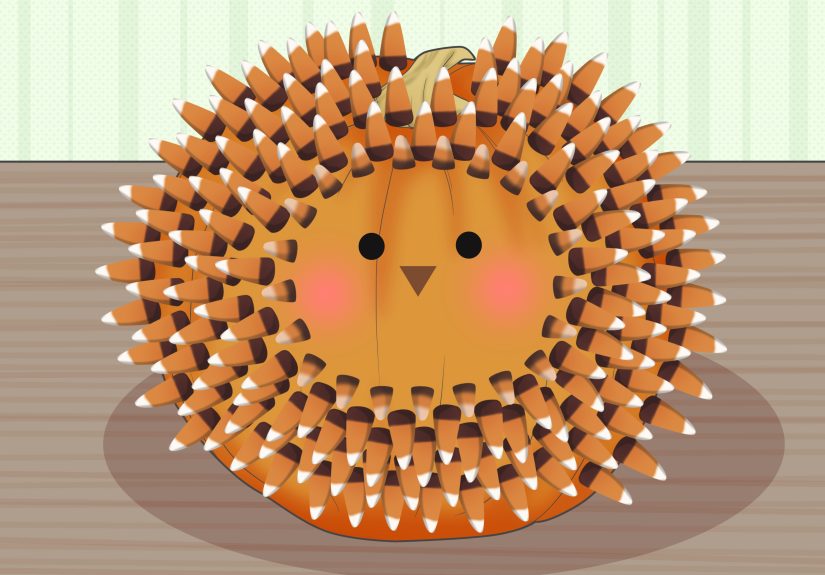
Sometimes you do not want a major project. Sometimes you want a pumpkin that looks adorable in under 20 minutes and does not require a trip to three stores and a minor emotional commitment. That is where embellishments come in. Think stickers, temporary tattoos, googly eyes, pushpins, faux insects, gems, candy, felt ears, paper cutouts, and glued-on shapes.
How to do it
Pick one theme and keep it consistent. A pumpkin decorated with black stars and moons can look magical. A white pumpkin with gold pushpins can feel chic. A mini pumpkin with giant googly eyes becomes instantly hilarious. Adhesive letters can spell names or seasonal phrases. Temporary tattoos work surprisingly well for intricate designs without the need to paint them by hand.
Quick embellishment ideas include:
- Googly-eye monster pumpkins for kids
- Gemstone pumpkins for sparkle
- Spider pumpkins using faux plastic bugs
- Animal pumpkins with felt ears, tails, and whiskers
- Alphabet or monogram pumpkins for family-friendly porch decor
Why it works
This method is fast, flexible, and easy to personalize. It is also one of the best choices for group activities because everyone can make something different without needing the same skill level. It is hard to mess up a googly-eye pumpkin. In fact, if it looks a little ridiculous, that usually means you nailed it.
Tips for Making No-Carve Pumpkins Look Better and Last Longer
- Start with a clean, dry pumpkin so paint and glue stick properly.
- Use faux pumpkins if you want a design you can keep for multiple seasons.
- Choose one style direction, such as glam, rustic, spooky, cute, or modern, and stick with it.
- Group pumpkins in different sizes for more visual impact.
- Display decorated pumpkins in a cool, dry place when possible.
- Mix real and faux materials thoughtfully so the finished look feels intentional.
- Test adhesives on a small area first if you are using a delicate or unusually textured pumpkin surface.
Final Thoughts
The best no-carve pumpkin ideas are not just about avoiding knives. They are about opening up more creative possibilities. Painting gives you endless color options. Decoupage delivers pattern without pressure. Flowers and natural elements bring elegance. Fabric and trim add cozy texture. Simple embellishments make it easy to create something playful in almost no time at all.
So if you want a pumpkin that is cute, clever, and still intact by the time the weekend is over, skip the carving tools. Decorate with color, texture, and personality instead. Your floors will be cleaner, your project will last longer, and nobody will have to scrape pumpkin strings off the dining chair. That alone deserves a round of applause.
Real-Life Experiences With No-Carve Pumpkin Decorating
One of the best things about decorating a pumpkin without carving it is how relaxed the whole experience feels in real life. A carving session often comes with a weird mix of excitement and low-level panic. You are trying to make something cute while also handling slippery tools and pretending that scooping out pumpkin insides is somehow “part of the fun.” No-carve decorating changes that mood completely. It feels less like a survival challenge and more like an actual fall activity people can enjoy together.
For families, this matters a lot. Younger kids can paint, stick on decorations, sort craft supplies, or choose themes without needing constant warnings about sharp edges. Teenagers usually like it more than they expect, especially if you let them go funny, ironic, or stylish with the design. Adults tend to appreciate that the activity can be creative without turning the kitchen into a disaster zone. Even people who claim they are “not crafty” often do well with no-carve pumpkins because the materials are forgiving. A crooked sticker can be repositioned. A messy paint line can become part of the look. A random pom-pom can suddenly turn into a design choice. Fall magic works fast.
Another common experience is that people discover their decorating personality through pumpkins, which sounds dramatic, but it is true. Some go full glam with metallic paint and rhinestones. Some lean rustic with dried flowers and twine. Some create goofy character pumpkins with giant eyes and felt accessories. Some start with a simple white pumpkin and accidentally end up building an entire porch color scheme around it. No-carve pumpkin decorating has a sneaky way of making people more creative than they expected.
It is also surprisingly satisfying because the results tend to last longer. Carved pumpkins can look amazing for a short window, then suddenly appear to age ten years overnight. No-carve pumpkins usually hold up better, especially when they stay whole and dry. That means the effort feels worth it. You decorate once and enjoy the display for days or even weeks. If you use faux pumpkins, the project can come back next year like a tiny seasonal celebrity.
There is also something special about how customizable the experience becomes. A pumpkin can match a party theme, a school event, a family movie night, a front porch palette, or a table centerpiece. You are not locked into the same triangular-eye jack-o’-lantern formula every year. You can make one pumpkin classy and another one ridiculous. Honestly, that balance might be the true spirit of fall decorating.
Most of all, no-carve pumpkin decorating tends to create better memories because people spend less time wrestling with the pumpkin and more time enjoying the moment. There is more laughing, more experimenting, and less cleanup-induced regret. It becomes the kind of seasonal activity people actually want to repeat. And that is probably the best endorsement of all: when a pumpkin project ends with everyone smiling instead of hunting for paper towels, you know you chose the right method.