Table of Contents >> Show >> Hide
- Before You Start: What Makes an Infinity Scarf Different?
- Way #1: Knit a Flat Scarf, Then Seam the Ends Together
- Way #2: Knit It Seamlessly in the Round on Circular Needles
- Way #3: Make a Quick Chunky Infinity Scarf with Bulky or Super Bulky Yarn
- Way #4: Knit a Lace Infinity Scarf for a Softer, Dressier Look
- Way #5: Knit a Möbius Infinity Scarf with a Deliberate Twist
- How to Choose the Best Method for You
- Common Mistakes to Avoid
- Conclusion
- Experiences from Real Knitting Life: What an Infinity Scarf Teaches You
If there were a Hall of Fame for comforting accessories, the infinity scarf would already have a plaque, a parade, and probably a warm cup of tea waiting backstage. It is cozy, stylish, forgiving, and wonderfully practical. Unlike a long traditional scarf that can flap dramatically into your soup, the infinity scarf stays put, looks polished, and makes even a rushed outfit look intentional.
The best part? There is not just one way to knit an infinity scarf. There are several, and each approach creates a different mood. Some are quick and chunky. Some are soft and drapey. Some are beginner-friendly enough to make you feel like a knitting wizard after one weekend. Others let you play with texture, lace, or a twist for extra personality.
In this guide, you will learn five smart ways to knit an infinity scarf, plus how to choose yarn, needles, and construction methods that make sense for your skill level. Whether you are brand-new to knitting or already own enough yarn to be gently judged by a closet shelf, there is a method here with your name on it.
Before You Start: What Makes an Infinity Scarf Different?
An infinity scarf is simply a scarf with no loose ends. It forms a continuous loop, so you can wear it long, doubled, or bunched like a cowl. Some are narrow and snug. Others are wide and dramatic enough to make you feel like a stylish marshmallow in the best possible way.
Before picking your method, think about these basics:
1. Width
A slim infinity scarf may be around 6 to 8 inches wide, while a plush cowl-style version may be 10 to 14 inches wide or even more. Wider scarves feel cozier and often look more luxurious, but they also use more yarn and take longer to knit.
2. Circumference
A shorter infinity scarf fits close to the neck like a cowl. A longer one can wrap twice. If you want a versatile adult infinity scarf, a finished circumference in the roughly 50- to 60-inch range is often a sweet spot. If you want a dramatic single loop, go longer. If you want a snug neck warmer, go shorter.
3. Yarn Weight
Bulky and super bulky yarns are the speed demons of the knitting world. They work up fast, show off texture beautifully, and are ideal for beginners who want visible progress before they lose emotional contact with the project. Lighter yarns, such as DK or sport, create more drape and a softer, less chunky look.
4. Construction
You can knit an infinity scarf flat and seam the ends together later, or you can knit it in the round so it is seamless from the beginning. Neither method is “more correct.” The better choice is the one that matches your comfort level and the look you want.
Way #1: Knit a Flat Scarf, Then Seam the Ends Together
This is the easiest and most beginner-friendly way to knit an infinity scarf. You make a simple rectangle, bind off, and then join the two short ends to create a loop. That is it. No circular knitting acrobatics. No wrestling with twisted cast-ons. Just classic, dependable knitting.
Why this method works
If you can cast on, knit, purl, and bind off, you can do this. It is especially good for beginners because you can use straight needles or circular needles worked flat, and you can pick an easy stitch pattern like garter stitch, rib, or seed stitch.
Best stitch patterns
- Garter stitch for a soft, squishy scarf that does not curl
- Rib stitch for stretch and texture
- Seed stitch for a tidy, polished look
- Moss stitch if you want texture with a little extra flair
How to do it well
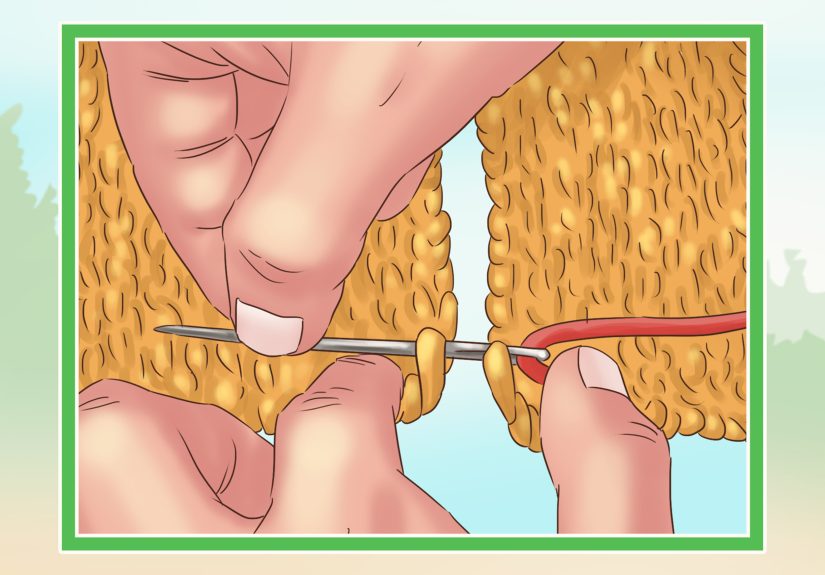
Knit your scarf to the length you want, usually long enough to wrap once or twice depending on your design. Then seam the ends together. A mattress stitch seam is a great choice because it can look neat and nearly invisible when done carefully. If you want the scarf to lie flat, join it without twisting. If you want a deliberate twist, add one before seaming and congratulations, you now look suspiciously advanced.
This method is ideal if you want your first infinity scarf to be relaxing instead of character-building.
Way #2: Knit It Seamlessly in the Round on Circular Needles
If the idea of seaming makes you sigh like a Victorian novelist, knitting in the round may be your love language. This method creates a seamless tube or loop from the start, which means no finishing seam at the end.
Why knit in the round?
It is clean, efficient, and perfect for stitch patterns that look best without interruption. It also saves you from sewing the ends together later, which is a sentence that has improved many knitters’ moods instantly.
What to watch out for
The biggest trap is twisting the cast-on when joining. Every knitter does this at least once, or at least develops a deep respect for the possibility. Before joining, lay all your cast-on stitches along the cable and make sure they face the same direction. Then place a marker and begin.
Great stitch choices for round knitting
- 1×1 or 2×2 rib for a stretchy, classic cowl
- Seed stitch adapted for knitting in the round
- Broken rib for subtle texture
- Simple knit-and-purl patterns for reversible wear
This method is fantastic for cowls and snug infinity scarves. It also pairs beautifully with finer yarns if you want a softer drape and less bulk around the neck.
Way #3: Make a Quick Chunky Infinity Scarf with Bulky or Super Bulky Yarn
Sometimes you do not want a long, meditative knit. Sometimes you want results. Glorious, cozy, “I made this by Sunday night” results. That is where bulky and super bulky yarn come in.
Why this method is so popular
Chunky infinity scarves are fast, warm, and extremely satisfying. The stitches are easy to see, mistakes are easier to spot, and the finished scarf has instant presence. It is basically the comfort-food casserole of knitting projects.
Good yarn and needle pairing
Bulky yarn usually pairs with larger needles, and super bulky yarn goes larger still. Always check your pattern or yarn label, but in general, larger yarn plus larger needles equals bigger stitches, faster progress, and a plush finished fabric. Make a small swatch first, because a chunky scarf that feels like cardboard is not cozy, it is just ambitious.
Best style for this method
Keep it simple. Garter stitch, ribbing, or a basic textured repeat looks great in bulky yarn because the yarn itself already does half the decorating. A short, thick infinity scarf can be knit flat and seamed or worked in the round as a cowl.
This is also a wonderful gift project. You can make one quickly, personalize it with color, and bask in the glory of being the person who gives handmade winter softness.
Way #4: Knit a Lace Infinity Scarf for a Softer, Dressier Look
Not every infinity scarf has to look like it is ready to survive a snowstorm in Minnesota. Some are airy, elegant, and perfect for layering indoors or during milder weather. A lace infinity scarf gives you softness, movement, and just enough drama to make your sweater jealous.
Why knit lace?
Lace adds visual interest without adding too much weight. It is especially lovely in fingering, sport, or DK yarn, and it works beautifully for scarves meant to drape rather than puff.
Tips for success
- Choose a lace pattern with a repeat you can memorize
- Use stitch markers if the repeat is wide
- Pick a yarn with good stitch definition
- Do not skip blocking, because blocking is where lace goes from “interesting” to “oh wow”
You can knit a lace infinity scarf flat and seam it, or work it in the round if the stitch pattern allows. If you want the join to be especially elegant, some knitters use a provisional cast-on and then graft the beginning and end together for a nearly seamless finish. That technique takes a little patience, but it produces a very refined result.
This method is perfect if you want an infinity scarf that feels less like ski lodge and more like effortless chic.
Way #5: Knit a Möbius Infinity Scarf with a Deliberate Twist
Now we get to the clever one. A Möbius scarf is an infinity scarf with a twist built into the loop. It creates a unique shape and drape, and it looks more complicated than it actually is, which is one of the finest categories a knitting project can belong to.
What makes a Möbius scarf different?
A regular infinity scarf is a loop. A Möbius scarf is a loop with one twist. That changes how it sits and folds when worn. It can look sculptural, cozy, and a tiny bit magical.
Two ways to get the twist
The simplest way is to knit a flat scarf and add one twist before seaming the ends together. The more adventurous way is to cast on for circular knitting and intentionally join with a twist from the start. That second method creates the true Möbius effect and earns you immediate knitting bragging rights.
Best stitches for a twisted scarf
Use uncomplicated stitches that let the shape shine. Garter, rib, and easy texture repeats all work well. If the stitch pattern is too busy, the twist can get visually lost. Let the geometry do the flirting.
This is the method to choose if you want an infinity scarf that feels a little more special, a little more architectural, and a little more likely to prompt someone to ask, “Wait, you made that?”
How to Choose the Best Method for You
If you are a beginner
Start with the flat-and-seam method or a chunky scarf. You will learn the basics, finish faster, and avoid a lot of unnecessary frustration.
If you hate finishing
Go straight for circular needles and knit in the round. Seamless projects are deeply satisfying, especially if sewing up knitted edges feels like your personal villain origin story.
If you want something gift-worthy
Bulky yarn, simple texture, and a clean finish are hard to beat. Fast does not have to mean boring.
If you want style and drape
Try lace or a lighter-weight yarn. These scarves feel more refined and often work well indoors as part of an outfit rather than strictly as cold-weather armor.
If you want a statement piece
Choose the Möbius twist. It stands out without needing flashy colors or complicated stitch gymnastics.
Common Mistakes to Avoid
Skipping the gauge swatch: Yes, it is boring. Yes, it matters. A swatch helps you avoid making a scarf that could either fit a dollhouse or double as a weighted blanket.
Choosing scratchy yarn: An infinity scarf sits right against your neck. If the yarn feels annoying in the skein, it will not become more charming after 600 stitches.
Forgetting drape: A stitch pattern can look gorgeous, but if the fabric is too stiff, the scarf will not wear well. Check the feel, not just the appearance.
Twisting by accident: If you are knitting in the round, take ten extra seconds before joining. Future you will be extremely grateful.
Rushing the finishing: Blocking, weaving in ends, and seaming neatly can take a project from “handmade” to “beautifully made.” There is a difference, and it shows.
Conclusion
There is no single best way to knit an infinity scarf, only the best way for the look, speed, and knitting mood you want today. If you want easy and reliable, knit a flat scarf and seam it. If you want sleek and seamless, knit in the round. If you want quick gratification, grab bulky yarn. If you want drape and elegance, try lace. And if you want a piece with personality, add that twist and make it Möbius.
The beauty of knitting an infinity scarf is that it leaves room for creativity without demanding chaos. You can keep it simple, make it sophisticated, or split the difference and create something cozy enough to wear every day but interesting enough to feel handmade in the best sense. In other words, it is the kind of project that earns repeat performances.
Experiences from Real Knitting Life: What an Infinity Scarf Teaches You
The first time many knitters make an infinity scarf, they expect it to be a small project. Then two things happen. First, they realize “just one more row” is a lie they will tell themselves repeatedly. Second, they discover that this simple project teaches a surprising amount about knitting.
One common experience is learning how much yarn personality matters. A scarf worked in buttery merino can feel luxurious and drapey, while one made in a denser, more structured wool can feel bold and architectural. Two scarves can use nearly the same stitch pattern and still come out with completely different attitudes. One says, “I am elegant and breezy.” The other says, “I am here to survive January.” Both are useful. Both are correct.
Another experience is that infinity scarves are deeply forgiving. If your edges are not runway-ready, no problem. If your tension changes a bit, texture often hides it. If you accidentally make the scarf a little longer than planned, congratulations, it now wraps twice and looks intentional. This is one reason knitters return to infinity scarves again and again. The project is flexible enough to let you learn without punishing you for being human.
Many knitters also find that infinity scarves are where they stop merely following instructions and start making choices. You begin by asking practical questions: Do I want a snug cowl or a long loop? Do I want ribbing, garter, seed stitch, or lace? Do I want subtle color or something loud enough to be seen from space? That shift matters. It turns knitting from a craft you perform into a craft you design.
Then there is the emotional side. Infinity scarves are excellent memory projects. People knit them while watching a favorite show, waiting for good news, traveling, or making gifts for loved ones. Because the pattern repeats are often simple, your hands settle into a rhythm and the project absorbs the mood of the moment. Years later, a finished scarf can still carry that memory with it.
There is also a special kind of satisfaction in wearing one you made yourself. Store-bought scarves can be lovely, but a hand-knit infinity scarf has evidence of time in it. You chose the yarn. You decided the texture. You handled every row. Even the tiny imperfections become part of the charm. They are not flaws so much as fingerprints.
And if you have ever gifted one, you know the other joy of infinity scarves: they are useful. People actually wear them. They are not decorative mystery objects that live in a drawer. They get pulled on during cold mornings, stuffed into tote bags, and wrapped around necks on windy evenings. A hand-knit infinity scarf enters real life, which is one of the nicest outcomes a knitting project can have.
So yes, an infinity scarf may look like a straightforward accessory. But in practice, it is also a skill-builder, a confidence boost, a comfort project, and sometimes a tiny woolly autobiography. Not bad for a loop.