Table of Contents >> Show >> Hide
- 1) The Goal (So the Game Makes Sense)
- 2) Controls & Setup: Make Mario Feel Good to Drive
- 3) Movement: The Real Secret Weapon
- 4) Cappy 101: Your Hat Is a Swiss Army Friend
- 5) Finding Power Moons: How Odyssey Hides Secrets in Plain Sight
- 6) Coins, Regional Coins, Outfits, and Helpful NPCs
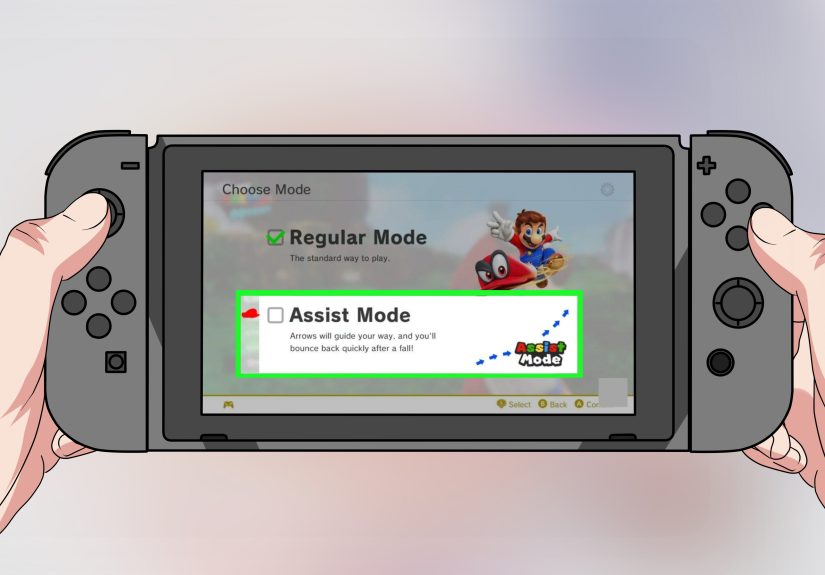
- 7) Assist Mode and Two-Player Mode: Odyssey for Everyone
- 8) After the Credits: Postgame, Challenges, and Balloon World
- Conclusion
Super Mario Odyssey looks like a cute globe-trotting vacation until you realize the “tour guide” is a sentient hat and the itinerary includes “possess a frog” and “fight a wedding-obsessed turtle.” Welcome. You’re going to have a great time.
This guide walks you through the fundamentalscontrols, movement, Cappy captures, Power Moons, exploration habits, co-op, and what to do after the creditsso you can stop feeling like you’re playing “Mario: Beautiful Confusion Edition” and start feeling like the smartest plumber alive.
1) The Goal (So the Game Makes Sense)
Odyssey is a “sandbox” 3D Mario game: each Kingdom is a big playground packed with mini-challenges and secrets, and your main job is to collect Power Moons to power the Odyssey airship and chase Bowser across the world.
The best mindset is simple: explore and experiment. If you try something silly and it works, congratulations you’ve discovered the intended solution.
Quick start checklist (first 20 minutes)
- Play the opening area slowly enough to learn what your hat can do.
- Practice 3 moves: long jump, cap jump, and dive.
- Start collecting regional coins (the purple ones) whenever you see them.
- Talk to NPCs with an exclamation markOdyssey loves handing out Moons for being social.
2) Controls & Setup: Make Mario Feel Good to Drive
You can play Odyssey with a Pro Controller, handheld, or Joy-Cons. No matter what you choose, the biggest difference is whether you lean into motion controls for certain Cappy moves or stick mostly to buttons.
Camera basics (your sanity depends on it)
The camera is your scouting drone. If you’re missing jumps, it’s often a camera angle problem, not a “you’re bad at video games” problem. Nudge the camera to see landing spots, check for hidden platforms, and look behind structures before you commit.
Practice the “Mario warm-up”
Before you chase Moons like a caffeinated magpie, spend a minute just moving: jump, dive, roll, climb, wall-jump. Odyssey rewards muscle memory, and the trickier platforming assumes you’re comfortable experimenting.
Friendly note about failure
Odyssey doesn’t really do traditional “Game Over” punishment. You usually lose some coins and respawn at a checkpoint, which makes trying risky jumps feel exciting instead of exhausting.
3) Movement: The Real Secret Weapon
The fastest way to get good at Super Mario Odyssey is to treat movement like a toy box. You’re not just jumpingyou’re chaining tools together to reach places that look “too far” until they suddenly aren’t.
Core moves you should master early
- Long Jump: Great for clearing gaps and moving fast across flat ground.
- Backflip: A quick vertical boost when you don’t have room to run.
- Ground Pound: Break crates, trigger hidden spots, and slam switches.
- Roll: Surprisingly fast travel (especially downhill).
Move combos you’ll actually use (a lot)
Here are a few “bread and butter” chains that solve half the game once they click:
- Cap Throw → Cap Jump: Toss Cappy, then bounce off him for extra height or distance.
- Jump → Cap Throw → Dive: A flexible distance-maker that turns “I can’t reach that” into “I can absolutely reach that.”
- Roll → Jump: Carry momentum into jumps when you need speed without a long runway.
If you feel “stuck,” change the question
Instead of asking “How do I jump to that ledge?” ask “What combination gets me there?” Odyssey is full of solutions that are technically optional but practically magical.
4) Cappy 101: Your Hat Is a Swiss Army Friend
Cappy isn’t just a weaponhe’s a remote control, a trampoline, a puzzle key, and occasionally a therapist (he tries). You can throw him to hit switches, knock items loose, and interact with suspicious objects.
Captures: “Borrow” an enemy’s body (politely)
The signature mechanic is Capture: toss Cappy at certain enemies/objects to take them over. This changes how you move, what you can break, and which areas are reachable.
Practical examples you’ll run into early and often: a frog that jumps higher than Mario, a Bullet Bill that smashes through obstacles, or a Goomba stack that can reach NPCs and platforms that are otherwise just out of reach.
Read the Action Guide (seriously)
Every Capture has its own move set. If a Capture feels “bad,” you’re probably missing its special action. Take two seconds to check the on-screen prompts or the in-game guide, then try again. The second try is where the fun lives.
5) Finding Power Moons: How Odyssey Hides Secrets in Plain Sight
The game teaches a “logic of discovery.” After a while, you’ll recognize patterns: chasing certain critters, using binocular spots for a wide view, or spotting interactive objects that scream “throw your hat at me.”
High-value exploration habits
- Get elevation: Climb towers, poles, and rooftops to scan the Kingdom. Binocular spots help you plan routes and spot oddities.
- Follow sparkles and vibrations: Shimmering ground often means “ground pound here.” Controller feedback can also hint at secrets.
- Assume there’s a second Moon: Many puzzle rooms and challenges hide an extra reward off the “main path.”
- Interact with everything: Odyssey rewards curiosity. If it looks decorative, treat it as suspicious until proven innocent.
A fun rule of thumb
If you can see a Moon, you usually have the tools to reach ityou just need the right approach (and maybe a bit of stubborn creativity).
6) Coins, Regional Coins, Outfits, and Helpful NPCs
Coins aren’t just score padding anymorethey’re your shopping budget. You’ll spend them on outfits, items, and convenience tools in each Kingdom’s Crazy Cap shop.
Regional coins (the purple ones) matter
Each Kingdom has its own regional coin style, used for that Kingdom’s unique souvenirs and outfit pieces. If you like completion, grab them as you go they’re often tucked into side paths you’ll want to explore anyway.
Outfits aren’t just fashion (but also: fashion)
Some costumes unlock additional opportunities, including Moons tied to that Kingdom’s shop and activitiesso buying outfits early can pay off.
When you’re missing “just a few” Moons
Don’t spiral. Use the game’s hint systems:
- Hint Toad: After you clear the main boss of a Kingdom, Hint Toad can point you toward Moon locations.
- Uncle amiibo: Scan amiibo to receive general Moon hints after a short wait.
7) Assist Mode and Two-Player Mode: Odyssey for Everyone
Assist Mode (use it, no shame)
Assist Mode is built for newer players, younger players, or anyone who wants a more relaxed trip. It gives you more health, gradual healing when idle, objective guidance arrows, and a safety bubble that rescues you from falls.
Two-player mode (Mario + Cappy)
Local co-op lets one player control Mario while the second controls Cappy, which can be a fantastic way to share the game with a kid, a friend, or a chaos gremlin roommate.
The Cappy player can help with combat, stuns, and positioning while Mario handles the platforming. It’s also a sneaky-good training mode: you’ll learn Kingdom layouts faster when two brains are looking for secrets.
8) After the Credits: Postgame, Challenges, and Balloon World
Beating the story is more like earning a membership card. More Moons and challenges appear across Kingdoms after the finale, giving you a reason to revisit places you thought you “finished.”
Dark Side and Darker Side
Odyssey’s endgame ramps up into serious platforming tests. One notorious late-game gauntlet, the Darker Side, is gated behind a large Moon requirement (and it absolutely expects you to know your movement tech).
Luigi’s Balloon World (hide-and-seek for your inner goblin)
After you finish the main story and update the game, you can find Luigi in various Kingdoms to play Balloon World, which includes: Hide It (you hide a balloon) and Find It (you hunt other players’ balloons). Internet access is required.
It’s a fun way to revisit Kingdoms with purposeand a surprisingly good excuse to master weird movement lines you’d never bother learning otherwise.
Conclusion
Learning how to play Super Mario Odyssey is really learning how to play with possibilities. Nail the movement basics, treat Cappy like a tool kit, and explore like the world is full of secrets (because it is). When you get stuck, swap strategies: change your angle, try a Capture, chain a move, or use hints to break the logjam. Most importantly: stay curious. Odyssey practically throws rewards at curiosity.
Bonus: of Real-Player Experience (Stuff You Only Learn by Doing)
The first time I played Odyssey, I made the classic mistake: I tried to “beat the level” instead of living in it. I’d grab a few Moons, power up the Odyssey, and blast off like I was late for a flight. It worked… but it felt like speed-walking through a theme park with your eyes glued to a map. The moment the game truly clicked was when I stopped treating Moons like chores and started treating them like punchlines: tiny comedic payoffs for doing something mildly unhinged, like throwing my hat at a random scarecrow because it looked smug.
Here’s what consistently improved my play: I began every Kingdom by getting highroof, tower, cliff, whateverand doing a slow camera sweep. Not because I’m a tactical genius, but because it reduces decision fatigue. When you can see the “shape” of a Kingdom, you stop wandering in circles and start making little plans: “I’ll clear that tower, then check behind the waterfall, then talk to the NPC with the exclamation mark.” That tiny structure keeps exploration fun instead of aimless.
Second: I learned to experiment with movement before I needed it. Doing cap jumps only in emergencies makes them feel unreliable. Doing cap jumps casually while crossing town makes them feel like breathing. Same with rolling: at first it felt like a weird gimmick, then I realized it’s basically Mario’s “commuter mode.” Roll a bit, hop, roll again, and suddenly long distances shrink. Once you’re comfortable, you start spotting routes that are “roll-friendly,” and the whole Kingdom becomes a faster, smoother playground.
Third: Captures became less “required mechanic” and more “problem solver.” If I saw a Moon that felt annoying to reach, I stopped brute-forcing jumps and started scanning the area for anything with a face (Odyssey’s weirdly generous definition of “face”). A lot of frustration disappears when you ask, “What does this Kingdom want me to possess?” Sometimes it’s obvious; sometimes it’s a goofy object you ignored because it seemed decorative. The best feeling is when a Capture’s moveset suddenly explains an entire regionlike the level was designed as a love letter to that one ability.
Finally: I stopped hoarding coins like a dragon with student loans. Buying a helpful outfit or paying for a hint when you’re genuinely stuck can keep your momentum (and your mood) intact. Odyssey is at its best when you’re bouncing between discoveries, not sulking in a corner because “I should be able to find this Moon without help.” The game isn’t grading you. It’s trying to make you grin.