Table of Contents >> Show >> Hide
- What Is the 2025 Pet Hacks Contest?
- The Heated Dog Bed Idea: Simple, Cozy, and Practical
- Why Heated Dog Beds Are Useful
- Safety Comes First: Warm Is Good, Hot Is Not
- What Makes This Pet Hack Smart?
- Heated Dog Bed vs. Self-Warming Bed
- Comfort Design: Because Dogs Are Picky Engineers
- Where to Place a Heated Dog Bed
- Maintenance: The Un glamorous Hero
- Cold Weather Care Beyond the Bed
- DIY Inspiration Without DIY Danger
- Real-World Experience: Living With a Heated Dog Bed
- Conclusion: A Warm Bed Is a Small Hack With a Big Heart
- SEO Tags
Some dogs want a diamond collar. Some want a designer sweater. Many, if we are being honest, want whatever you are currently eating and a nap spot that feels like it was personally approved by the sun. That is why the 2025 Pet Hacks Contest has such a delightful entry in the form of a heated dog bed built to keep an older hound warm, comfortable, and blissfully unaware of your thermostat negotiations.
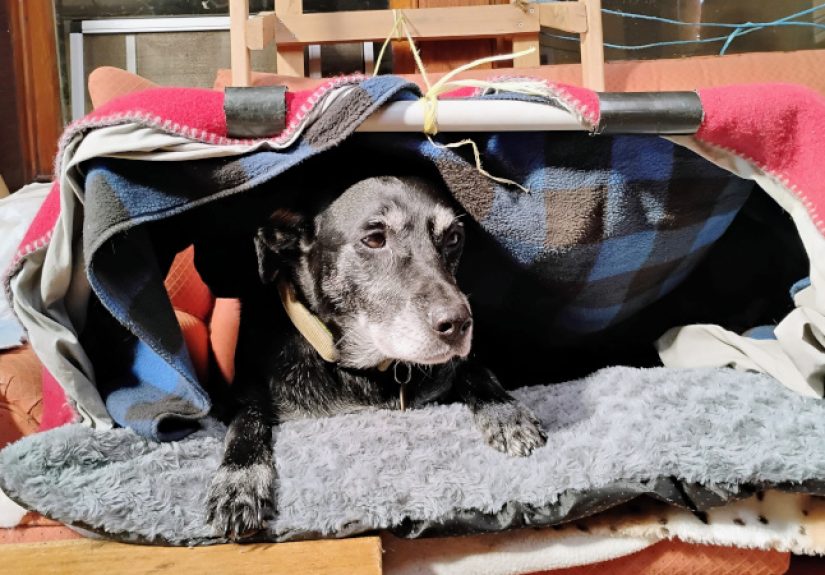
The project, featured in the pet-hack world as a simple but clever comfort build, uses a low-voltage heated blanket concept and a lightweight frame to create a cozy sleeping zone. It is not trying to reinvent veterinary medicine, smart-home automation, or the ancient canine art of stealing the warm side of the couch. Instead, it solves a very real problem: older dogs, short-haired dogs, small dogs, and dogs with stiff joints often need extra warmth when the house gets chilly.
And that is what makes this idea so charming. The best pet hacks are not always laser-guided kibble cannons or AI-powered squirrel translators. Sometimes, the smartest invention is a warm, safe, washable bed that says, “Good night, buddy. Your bones have earned a soft landing.”
What Is the 2025 Pet Hacks Contest?
The 2025 Pet Hacks Contest is exactly what it sounds like: a maker-friendly celebration of projects inspired by animal companions. The challenge invited creators to share builds that improve life for pets or make life easier, safer, or more fun for humans who live with them. That includes everything from automated feeders and tracking gadgets to smart toys, safety devices, habitat upgrades, and practical comfort projects.
What makes a contest like this appealing is its mix of engineering and affection. Pet projects are rarely abstract. They usually start with a real animal doing a real animal thing. A cat ignores an expensive toy and climbs into the box. A dog refuses to sleep anywhere except the draftiest corner of the house. A rabbit discovers cable management as a personal hobby. Suddenly, a maker has a problem to solve.
The heated dog bed fits beautifully into this category because it is useful, personal, and easy to understand. It is not technology for technology’s sake. It is technology wearing fuzzy slippers.
The Heated Dog Bed Idea: Simple, Cozy, and Practical
The featured heated dog bed was designed with an older dog in mind. That matters. Senior dogs often experience stiffness, reduced circulation, thinner muscle mass, and a stronger desire to remain exactly where they are once they have achieved maximum loaf position. A warm bed can make rest more comfortable, especially in colder rooms or during winter nights.
The project’s appeal comes from its low-tech cleverness. Rather than building a complicated heating system from scratch, the concept uses a 12-volt heated lap blanket style of warmer and supports it with a PVC frame. The frame creates a covered, box-like sleeping area, helping hold warmth around the dog’s resting spot. Think of it as a tiny heated lounge for a distinguished canine retiree who has seen things, smelled things, and deserves excellent napping infrastructure.
This is the kind of build that reminds us why DIY pet projects are so satisfying. It does not need to be flashy. It needs to work. It should be stable, safe, easy to clean, and comfortable enough that the dog chooses it voluntarily. Because dogs are honest reviewers. If they dislike your invention, they will simply sleep beside it and stare at you like your engineering degree came from a cereal box.
Why Heated Dog Beds Are Useful
A heated dog bed can be helpful for several types of dogs. Senior dogs may appreciate gentle warmth because it can ease everyday stiffness and make lying down more pleasant. Dogs with short coats, thin bodies, or low body fat can lose heat faster than thick-coated breeds. Small dogs may also chill more quickly because their bodies have more surface area compared with their size.
Cold weather does not affect every dog the same way. A Siberian Husky may treat a snowy yard like a luxury spa. A Greyhound may step outside, feel one breeze, and file a formal complaint with management. Breed, age, coat type, health status, weight, and activity level all influence how much warmth a dog needs.
Dogs That May Benefit Most
Heated bedding may be especially useful for:
- Senior dogs with stiff joints or arthritis-like discomfort
- Short-haired breeds such as Boxers, Greyhounds, Beagles, and Pit Bull-type dogs
- Small breeds that get cold quickly
- Dogs recovering from illness or surgery, under veterinary guidance
- Dogs sleeping in cooler rooms, garages, mudrooms, or drafty areas
That said, a heated bed is not a substitute for veterinary care. If a dog seems unusually cold, weak, painful, or reluctant to move, warmth may help comfort, but it does not answer the bigger health question. A veterinarian should be involved when symptoms are new, severe, or persistent.
Safety Comes First: Warm Is Good, Hot Is Not
When electricity, fabric, pets, and chewing instincts enter the same room, safety deserves the front-row seat. A pet-safe heated bed should provide gentle warmth, not toaster-level ambition. The goal is a cozy surface that supports natural body temperature, not a bed that turns your hound into a baked potato with opinions.
Commercial heated pet beds often include features such as thermostatic control, low wattage, chew-resistant cords, washable covers, water-resistant materials, and safety testing. These are not fancy extras. They are the difference between a thoughtful comfort product and a bad idea with a plug.
Key Safety Features to Look For
- Low-voltage or low-wattage heating: Gentle heat is safer and more appropriate for long resting periods.
- Thermostatic control: The bed should regulate temperature automatically instead of heating endlessly.
- Chew-resistant cord protection: Dogs investigate with mouths. Cords should not be easy targets.
- Certified electrical safety: Look for products tested by recognized labs such as UL, ETL, MET, or similar safety organizations.
- Washable cover: Dogs bring fur, dirt, drool, and mysterious crumbs from parallel dimensions.
- Padding between heat source and dog: The pet should never lie directly on a heating element.
- Indoor/outdoor rating: Outdoor use requires equipment specifically designed for protected outdoor environments.
For DIY projects, the safest approach is to avoid homemade wiring and use properly rated, commercially made heating components. A 12-volt automotive lap blanket or pet-safe warmer can reduce risk compared with improvised mains-voltage heating. Still, the power supply, cord routing, fabric placement, and supervision all matter.
What Makes This Pet Hack Smart?
The clever part of the heated dog bed is not just the heat. It is the shape. By using a light frame to hold the warming blanket above and around the sleeping area, the design creates a microclimate. Instead of trying to heat an entire room, it focuses warmth where the dog actually rests.
That is efficient. It is also dog-friendly. Many dogs love den-like spaces because they feel protected and enclosed. A bed with a soft canopy or partial cover can reduce drafts while giving the dog a sense of security. The design becomes part heated bed, part cozy cave, part retirement suite for a four-legged monarch.
Another advantage is modularity. A PVC frame is lightweight, inexpensive, and easy to adjust. Clips make the blanket removable. That means the setup can be cleaned, inspected, and modified as the dog’s needs change. A good pet hack should be serviceable because pets do not care about your “final design.” They care about comfort, smell, and whether the bed can survive a dramatic pre-nap circle routine.
Heated Dog Bed vs. Self-Warming Bed
Not every dog needs an electric bed. In many cases, a self-warming bed or thermal mat may be enough. These products reflect the dog’s own body heat and do not require power. They are often safer for chewers, easier to move, and less expensive.
An electric heated bed, however, can be more helpful in colder spaces or for dogs that struggle to stay warm. The decision depends on the dog, the room temperature, and the owner’s ability to supervise and maintain the setup.
Choose a Self-Warming Bed When:
- Your dog chews cords or digs aggressively
- The room is only mildly cool
- You want a no-power option for crates or travel
- Your pet prefers light warmth rather than active heat
Choose a Heated Dog Bed When:
- Your dog is older, thin-coated, or sensitive to cold
- The sleeping area is noticeably chilly
- You can monitor the bed and inspect it regularly
- The product is certified, thermostatically controlled, and pet-safe
The best setup may combine both ideas: a supportive orthopedic bed, a washable cover, draft protection, and gentle warming only when needed.
Comfort Design: Because Dogs Are Picky Engineers
A heated dog bed is not just an electrical project. It is also an ergonomics project. Dogs need enough room to stretch, turn around, curl up, and exit easily. If the bed is too small, the dog may avoid it. If it is too hot, too noisy, too slippery, or smells like fresh plastic, the dog may choose the laundry pile instead. The laundry pile always wins more often than humans expect.
For older dogs, support is as important as warmth. Memory foam or orthopedic foam can reduce pressure on elbows, hips, and shoulders. Low entry height helps dogs step in without strain. A non-slip bottom prevents sliding on tile or hardwood floors. Raised edges can provide a pillow-like border, but they should not trap a dog with limited mobility.
The ideal heated dog bed should invite rest without forcing the dog to stay on the heat. One smart layout is a warm zone on one side and an unheated zone on the other. That lets the dog self-regulate. If the dog gets too warm, it can shift away instead of needing human rescue from the Cozy Kingdom.
Where to Place a Heated Dog Bed
Location can make or break the project. Place the bed away from drafts, exterior doors, damp floors, and direct contact with space heaters. Avoid tight spaces where cords can be pinched, chewed, or hidden under rugs. Do not place the bed where water bowls can spill onto electrical components.
Good spots include a quiet corner of the living room, a bedroom area, a mudroom with stable temperature, or a sheltered indoor porch if the heating product is rated for that environment. Outdoor heated beds should only be used if they are specifically designed for outdoor use and placed in a dry, protected shelter.
Also consider your dog’s social habits. Many dogs want warmth, but they also want to keep tabs on their humans. A bed in a lonely room may be technically perfect and emotionally rejected. Dogs are not just heat-seeking missiles. They are family-seeking missiles with paws.
Maintenance: The Un glamorous Hero
A heated pet bed needs regular inspection. Look for frayed fabric, exposed wires, loose connectors, chew marks, discoloration, odd smells, or unusual heat patterns. If anything looks damaged, unplug it and stop using it. Do not repair electrical heating components with tape and optimism.
Cleaning is equally important. Remove the heating element before washing any cover, unless the manufacturer specifically says otherwise. Keep fur buildup under control because heavy fur and dust can trap heat. Make sure the bed is fully dry before reassembling it.
A Simple Weekly Checkup
- Inspect the cord and plug
- Feel the bed surface for even, gentle warmth
- Check for chewing, scratching, or digging damage
- Wash or shake out the cover as needed
- Confirm the bed is still placed away from water and drafts
This routine takes only a few minutes, which is less time than most dogs spend deciding where to poop while you freeze politely on the sidewalk.
Cold Weather Care Beyond the Bed
A heated bed is helpful, but winter comfort is bigger than one cozy rectangle. Dogs need dry fur, clean paws, fresh water, safe shelter, and sensible outdoor limits. After walks in snow, slush, or treated sidewalks, wipe the paws and belly. Ice melt and de-icing chemicals can irritate paw pads, and dogs may lick residue from their feet.
Short-coated dogs may benefit from sweaters or jackets during supervised walks. Booties can protect paws from ice and salt, though some dogs react to boots as if gravity has suddenly changed. Introduce gear slowly and reward generously.
Watch for signs that your dog is too cold: shivering, whining, slowing down, lifting paws, seeking shelter, or acting unusually tired. Bring the dog inside and warm them gradually. Extreme cold, wet conditions, wind chill, and age-related weakness can make winter risky faster than expected.
DIY Inspiration Without DIY Danger
The heated dog bed from the 2025 Pet Hacks Contest is inspiring because it encourages owners to observe their pets and solve real comfort problems. Still, any DIY heated pet project should respect electrical safety. Use certified parts. Avoid exposed wiring. Keep cords protected. Choose low-voltage components when possible. Never leave an untested homemade heating setup running unattended.
If your dog is a chewer, skip powered bedding unless the cord can be fully protected and the product is designed for chew resistance. If your dog has poor mobility, nerve issues, or cannot move away from heat easily, ask a veterinarian before using a heated bed. The dogs who need warmth most may also be the dogs most vulnerable to overheating or burns.
The safest pet hack is one that makes the animal’s life better without creating a new hazard. Warmth should be gentle. Comfort should be optional. Exit should always be easy.
Real-World Experience: Living With a Heated Dog Bed
Using a heated dog bed in daily life quickly teaches you that dogs are both simple and deeply mysterious. The first lesson is placement. You can buy or build the coziest heated bed in the house, but if it is three feet too far from the family action, your dog may treat it like abandoned real estate. Put it where the dog already likes to rest, and the chance of success goes way up.
The second lesson is that gentle warmth beats dramatic heat. Humans often imagine a heated bed should feel obviously warm the moment they touch it. Many good pet warmers are subtler than that. They are designed to warm under the dog’s body, not blast heat into the room. At first, this can seem underwhelming. Then the dog climbs in, sighs like a retired sea captain, and refuses to leave. That is when you realize the bed is doing its job.
Senior dogs, especially, may show small but meaningful changes. A dog that usually circles five times before lying down may settle faster. A dog that stiffly rises after a cold nap may seem more relaxed. A dog that used to migrate from rug to rug may choose one consistent resting spot. These are not miracle-cure moments. They are comfort moments, and comfort matters.
One practical trick is to keep the bed routine predictable. Plug it in before the coldest part of the evening, check that it feels normal, and let the dog choose whether to use it. Do not force the dog onto the bed. Dogs are excellent at making comfort decisions when given safe choices. Add a familiar blanket on top if the product allows it, but avoid thick layers that trap too much heat or interfere with the warmer’s design.
Another lesson is that cleaning must be easy or it will not happen often enough. A removable washable cover is worth its weight in biscuits. Dogs shed. Dogs drool. Dogs return from outside carrying tiny samples of the environment like unpaid scientists. If the bed cannot be cleaned without a heroic struggle, it will eventually become less “luxury spa” and more “archaeological site.”
For multi-pet homes, monitor sharing. A heated bed may become the most valuable square footage in the house. Cats may claim it. Smaller dogs may burrow into it. Larger dogs may attempt to fit only half their body on it and call that success. Make sure each pet can access warmth without crowding or guarding. If one pet becomes possessive, add a second warm resting area.
The final experience-based takeaway is simple: the best heated dog bed disappears into the household routine. It does not require constant fussing. It does not smell hot, spark, slide around, or make the dog uneasy. It just offers a safe, warm place where an old friend can sleep comfortably while the humans argue about whether 68 degrees is “perfectly reasonable” or “basically camping.”
Conclusion: A Warm Bed Is a Small Hack With a Big Heart
The 2025 Pet Hacks Contest heated dog bed is a reminder that great maker projects do not have to be complicated to be meaningful. A simple frame, a gentle heat source, and a dog-centered design can turn a chilly sleeping spot into a cozy retreat. For older dogs, short-haired breeds, small pups, and cold-sensitive companions, that kind of comfort can make winter nights easier.
The important word is safe. A heated dog bed should be low-wattage, thermostatically controlled, inspected regularly, protected from chewing, and appropriate for the dog’s age and mobility. Used wisely, it can be a practical comfort upgrade. Used carelessly, it can become a risk. The difference is thoughtful design.
In the end, this project works because it understands the assignment. Dogs do not need luxury for the sake of luxury. They need warmth, support, safety, and a place close enough to their humans that they can nap while still monitoring snack activity. That is not just a pet hack. That is love with a plug, a frame, and a very satisfied hound.