Table of Contents >> Show >> Hide
- Can Foods Really Help Boost Fertility?
- The Best Foods to Eat When Trying to Get Pregnant
- 1. Leafy Greens for Folate and Antioxidants
- 2. Beans, Lentils, and Chickpeas for Plant Protein
- 3. Whole Grains for Steady Energy and Hormone Support
- 4. Low-Mercury Fish for Omega-3 Fatty Acids
- 5. Eggs for Choline, Protein, and B Vitamins
- 6. Full-Fat or Low-Fat Dairy? Choose What Fits Your Health Needs
- 7. Berries and Citrus Fruits for Vitamin C
- 8. Nuts and Seeds for Healthy Fats, Zinc, and Selenium
- 9. Avocado and Olive Oil for Monounsaturated Fats
- Important Nutrients for Preconception Nutrition
- Foods and Drinks to Limit When Trying to Conceive
- A Simple Fertility-Friendly Day of Eating
- What About Fertility Foods for Men?
- When to Talk With a Healthcare Professional
- Conclusion: Build a Fertility Plate, Not a Pressure Plate
- Real-Life Experiences: Eating for Fertility Without Losing Your Mind
Trying to get pregnant can make breakfast feel oddly dramatic. Suddenly, your oatmeal is not just oatmeal. It is a possible “fertility-supporting whole grain moment.” Your grocery cart starts looking like it is auditioning for a prenatal vitamin commercial. And yes, you may find yourself staring at salmon in the store like it knows something about your future.
Here is the grounded truth: no single food can guarantee pregnancy. Fertility is influenced by age, hormones, ovulation, sperm health, medical history, weight, stress, sleep, genetics, and timing. However, food does matter. A nutrient-rich fertility diet can help support hormone production, ovulation, egg quality, sperm quality, blood sugar balance, and early pregnancy development. Think of it less like “eat this and get pregnant by Friday” and more like “feed the body that is trying to do one of the most complex biological projects on Earth.”
This guide explores fertility foods that may help when you are trying to conceive, what to limit, and how to build meals that feel satisfying instead of stressful. The goal is not perfection. The goal is nourishment, consistency, and a plate that says, “We are preparing for something important, but we still believe in flavor.”
Can Foods Really Help Boost Fertility?
Food can support fertility, but it should not be treated like a magic switch. A healthy eating pattern may improve the environment in which ovulation, implantation, and sperm production happen. Nutrients such as folate, iron, omega-3 fatty acids, zinc, vitamin D, iodine, choline, antioxidants, fiber, and protein all play roles in reproductive and overall health.
Many experts point to a Mediterranean-style eating pattern as a smart foundation for preconception nutrition. That means plenty of vegetables, fruits, beans, lentils, whole grains, nuts, seeds, olive oil, fish, eggs, dairy or fortified alternatives, and lean proteins. It also means limiting ultra-processed foods, trans fats, excessive added sugar, heavy alcohol use, and high-mercury fish.
In plain English: your body is not asking for a perfect fertility menu written in calligraphy. It is asking for steady meals, colorful plants, enough protein, healthy fats, and key nutrients before pregnancy begins.
The Best Foods to Eat When Trying to Get Pregnant
1. Leafy Greens for Folate and Antioxidants
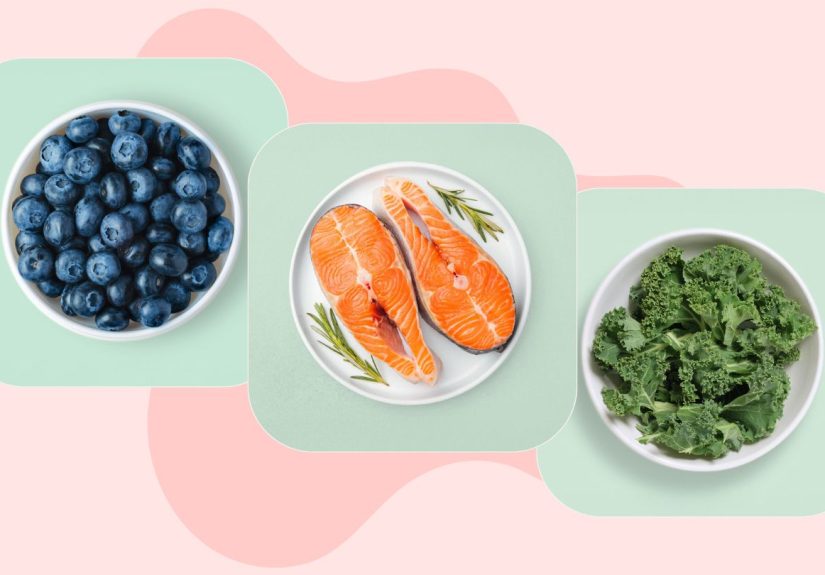
Spinach, kale, collard greens, romaine lettuce, arugula, and Swiss chard are excellent fertility-friendly foods because they provide folate, vitamin C, magnesium, fiber, and plant compounds that help fight oxidative stress. Folate is especially important before and during early pregnancy because it supports neural tube development, often before someone even knows they are pregnant.
Easy ways to eat more leafy greens include adding spinach to scrambled eggs, blending kale into smoothies, tossing arugula into pasta, or using romaine as a crunchy base for a salmon bowl. If the idea of a giant salad makes you sigh deeply, sneak greens into soups, omelets, tacos, and grain bowls. Fertility nutrition does not require chewing through a shrub.
2. Beans, Lentils, and Chickpeas for Plant Protein
Beans and lentils deserve more applause. They are affordable, filling, rich in fiber, and packed with plant-based protein, folate, iron, zinc, and magnesium. These nutrients may support ovulation, blood sugar balance, and overall reproductive health.
Try black bean tacos with avocado, lentil soup with spinach, chickpea salad sandwiches, hummus with vegetables, or a white bean and tomato skillet. If beans make your digestive system perform jazz music, start with smaller portions, rinse canned beans well, and build up slowly.
3. Whole Grains for Steady Energy and Hormone Support
Whole grains such as oats, quinoa, brown rice, barley, farro, buckwheat, and whole wheat bread provide complex carbohydrates, B vitamins, fiber, and minerals. Unlike refined carbohydrates that can spike blood sugar quickly, whole grains digest more gradually and may help support insulin balance. That matters because insulin and reproductive hormones are more connected than many people realize.
For a simple fertility-friendly breakfast, try oatmeal topped with berries, walnuts, and Greek yogurt. For lunch, build a quinoa bowl with roasted vegetables, chickpeas, olive oil, and lemon. For dinner, pair brown rice with salmon and sautéed greens. Nothing fancy required. Your ovaries are not checking whether you plated it like a cooking show.
4. Low-Mercury Fish for Omega-3 Fatty Acids
Fatty fish such as salmon, sardines, trout, anchovies, and herring provide omega-3 fatty acids, especially DHA and EPA. These fats support cell membranes, inflammation balance, and fetal brain and eye development once pregnancy occurs. Fish also offers protein, iodine, vitamin D, and selenium.
The key is choosing lower-mercury options. Good choices often include salmon, sardines, trout, cod, tilapia, shrimp, and light tuna in moderation. Fish to avoid when trying to conceive or during pregnancy include high-mercury options such as shark, swordfish, king mackerel, bigeye tuna, marlin, orange roughy, and tilefish from the Gulf of Mexico.
If you dislike fish, talk with a healthcare professional about whether an omega-3 supplement is appropriate. Also consider chia seeds, flaxseeds, and walnuts. They contain ALA, a plant omega-3, though the body converts it to DHA and EPA only in limited amounts.
5. Eggs for Choline, Protein, and B Vitamins
Eggs are a compact fertility-supporting food. They provide high-quality protein, choline, vitamin B12, iodine, selenium, and healthy fats. Choline is especially important for fetal brain development, and many people do not get enough of it from diet alone.
Enjoy eggs hard-boiled, scrambled with vegetables, baked into a frittata, or served over whole-grain toast with avocado. During pregnancy, eggs should be fully cooked to reduce foodborne illness risk, so this is a good habit to practice while trying to conceive.
6. Full-Fat or Low-Fat Dairy? Choose What Fits Your Health Needs
Dairy foods such as yogurt, milk, kefir, and cheese provide protein, calcium, iodine, vitamin B12, and sometimes vitamin D. Some fertility research has explored whether full-fat dairy may be linked with lower risk of certain ovulatory issues, but the evidence is not strong enough to say everyone should switch. Your best choice depends on your health history, cholesterol levels, preferences, and overall diet.
Greek yogurt with berries and nuts is a practical option because it combines protein, probiotics, antioxidants, and healthy fats. If you avoid dairy, choose fortified soy milk or another fortified alternative that contains calcium and vitamin D. Not all plant milks are nutritionally equal, so read labels like a gentle detective.
7. Berries and Citrus Fruits for Vitamin C
Blueberries, strawberries, raspberries, oranges, grapefruit, and kiwi bring vitamin C, fiber, water, and antioxidants to the fertility plate. Antioxidants help protect cells from oxidative stress, which may matter for both egg and sperm health.
Try berries in oatmeal, citrus slices in salads, or frozen berries blended into smoothies. If you are tired, busy, and not in the mood to lovingly prepare fruit, frozen berries count. Fertility nutrition is allowed to come from the freezer.
8. Nuts and Seeds for Healthy Fats, Zinc, and Selenium
Walnuts, almonds, pumpkin seeds, sunflower seeds, chia seeds, flaxseeds, and Brazil nuts offer healthy fats, minerals, fiber, and plant protein. Zinc and selenium are especially important for sperm production and reproductive health. Walnuts also provide plant-based omega-3 fats.
A small handful of nuts, chia pudding, pumpkin seeds sprinkled over soup, or almond butter on whole-grain toast can add fertility-supporting nutrients without requiring a complicated recipe.
9. Avocado and Olive Oil for Monounsaturated Fats
Healthy fats support hormone production and help the body absorb fat-soluble vitamins such as A, D, E, and K. Avocado and extra-virgin olive oil are staples of a Mediterranean-style fertility diet because they add flavor, satisfaction, and heart-healthy monounsaturated fats.
Use olive oil in salad dressings, drizzle it over roasted vegetables, or mash avocado onto toast with eggs. If your avocado turns brown before you use it, welcome to the human experience. It happens to the best of us.
Important Nutrients for Preconception Nutrition
Folate or Folic Acid
People who may become pregnant are commonly advised to get 400 micrograms of folic acid daily before conception. Foods rich in folate include leafy greens, beans, lentils, asparagus, oranges, and fortified grains. A prenatal vitamin can help fill gaps, but food still matters.
Iron
Iron supports red blood cells and oxygen transport. Pregnancy increases iron needs, so building iron stores before conception can be helpful. Sources include lean meat, poultry, seafood, beans, lentils, spinach, tofu, and fortified cereals. Pair plant-based iron with vitamin C foods, such as citrus or bell peppers, to improve absorption.
Vitamin D
Vitamin D supports immune function, bone health, and reproductive health. Food sources include fatty fish, eggs, fortified milk, and fortified plant milks. Many people have low vitamin D, so ask your clinician whether testing or supplementation makes sense.
Choline
Choline supports fetal brain development and is found in eggs, beef, chicken, fish, soybeans, and some beans. Many prenatal vitamins contain little or no choline, so food sources are worth paying attention to.
Zinc and Selenium
Zinc and selenium are important for sperm health and reproductive function. Foods that provide these minerals include seafood, meat, poultry, beans, nuts, seeds, eggs, and whole grains.
Foods and Drinks to Limit When Trying to Conceive
A fertility-friendly diet is not only about what you add. It is also about what you reduce. Limit trans fats found in some fried foods, packaged pastries, and highly processed snacks. Cut back on sugar-sweetened beverages, which can crowd out more nourishing choices and may affect blood sugar balance.
Alcohol is best limited or avoided when trying to get pregnant, especially because early pregnancy can happen before a missed period. Caffeine does not have to disappear completely for most people, but moderation is wise. Many experts suggest staying around 200 milligrams per day during pregnancy, which is roughly one 12-ounce cup of coffee, depending on the brew.
Also be careful with food safety. If pregnancy is possible, avoid unpasteurized milk and cheeses, raw or undercooked eggs, raw seafood, and undercooked meat. Wash produce well and heat deli meats until steaming if advised by your clinician. It may not sound glamorous, but food safety is part of fertility care too.
A Simple Fertility-Friendly Day of Eating
Breakfast: Oatmeal topped with blueberries, walnuts, cinnamon, and Greek yogurt.
Snack: Orange slices with pumpkin seeds or a boiled egg.
Lunch: Lentil and spinach soup with whole-grain toast and olive oil.
Snack: Hummus with carrots, cucumbers, and whole-grain crackers.
Dinner: Salmon with quinoa, roasted broccoli, avocado, and lemon.
Optional evening bite: Fortified milk or soy milk with a banana, or yogurt with chia seeds.
This kind of menu supports fertility because it includes fiber-rich carbohydrates, quality protein, healthy fats, folate, iron, omega-3s, antioxidants, and steady energy. It is also realistic. Nobody needs to survive on steamed kale and hope.
What About Fertility Foods for Men?
Fertility is not a solo project. Sperm health also responds to overall lifestyle. A diet rich in fruits, vegetables, whole grains, nuts, seeds, fish, and lean proteins may support sperm count, motility, and quality. Nutrients such as zinc, selenium, folate, vitamin C, vitamin E, and omega-3 fatty acids are especially relevant.
Partners trying to conceive can benefit from reducing smoking, heavy alcohol use, recreational drugs, and excessive heat exposure to the testes. In less clinical language: fertility is a team sport, and the snack drawer counts for both players.
When to Talk With a Healthcare Professional
If you are under 35 and have been trying to conceive for 12 months without success, or 35 or older and trying for 6 months, consider speaking with a fertility specialist. Talk sooner if you have irregular periods, known PCOS, endometriosis, thyroid disease, pelvic inflammatory disease, recurrent miscarriage, or a partner with known sperm concerns.
Also speak with a doctor or registered dietitian if you follow a vegan diet, have celiac disease, have a history of bariatric surgery, take medications, or have diabetes, kidney disease, anemia, or an eating disorder history. Personalized care matters. The internet can suggest lentils; your clinician can check labs.
Conclusion: Build a Fertility Plate, Not a Pressure Plate
Trying to get pregnant can feel emotional, hopeful, exciting, and occasionally like a full-time job with confusing snacks. Food cannot control every part of fertility, but it can support the body beautifully. Focus on fertility foods that provide folate, iron, omega-3 fats, protein, fiber, antioxidants, choline, zinc, selenium, and vitamin D.
The best fertility diet is not extreme. It looks like colorful vegetables, beans, lentils, whole grains, low-mercury fish, eggs, yogurt, nuts, seeds, olive oil, fruit, and enough food to feel energized. It also leaves room for joy. A nourishing preconception diet should make you feel supported, not scolded.
Real-Life Experiences: Eating for Fertility Without Losing Your Mind
Many people begin their trying-to-conceive journey with a sudden burst of nutritional ambition. One week, dinner is whatever is easiest. The next week, the kitchen contains chia seeds, prenatal vitamins, four kinds of greens, and a spouse who is afraid to touch the “fertility salmon.” This is normal. When pregnancy becomes a goal, food can start to feel like something you must manage perfectly. But the most helpful experience many couples discover is that consistency beats intensity.
A realistic fertility-food routine often begins with breakfast. Instead of skipping it or grabbing only coffee, people may try oatmeal with berries, eggs with spinach, or Greek yogurt with walnuts. These meals are not dramatic, but they provide protein, fiber, folate, and healthy fats early in the day. That can help with steady energy and may reduce the afternoon snack attack that ends with a vending machine negotiation.
Another common experience is learning that meal prep does not need to be fancy. A pot of lentil soup, a tray of roasted vegetables, cooked quinoa, boiled eggs, and washed fruit can carry several meals. When the fertile window arrives and everyone is already emotionally aware of the calendar, it helps if dinner does not require a 19-step recipe and a heroic attitude.
Couples also often find that eating for fertility works best when both partners join in. This does not mean both people must eat identical meals or pretend that sardines are their new personality. It means the household food environment becomes more supportive. More fruit on the counter. More nuts and yogurt available. More fish or bean-based dinners. Fewer default meals built only from refined carbs and processed meats. Small shifts add up.
There may also be emotional moments. Someone may feel guilty after eating pizza, drinking a second coffee, or forgetting a prenatal vitamin. But fertility nutrition is not ruined by one meal. The body works from patterns, not isolated bites. A helpful mindset is: “What can I add next?” Add a salad to the pizza. Add water after coffee. Add beans to soup. Add fruit to breakfast. Addition feels kinder than restriction, and kindness matters during a season that can already feel tender.
The biggest lesson from real-life TTC eating is that food should support the journey, not take it hostage. Build a plate that helps your body feel nourished, keep medical appointments, take recommended supplements, and leave room for normal life. Fertility-friendly eating is not about becoming a perfect person. It is about becoming a well-fed, well-supported person who is giving conception the best possible environment.