Table of Contents >> Show >> Hide
- What Is Sour Cherry Sorbet?
- Why Sour Cherries Work So Well in Sorbet
- Ingredients for Homemade Sour Cherry Sorbet
- Easy Sour Cherry Sorbet Recipe
- No-Churn Sour Cherry Sorbet Method
- How to Balance Sweetness and Tartness
- Fresh vs. Frozen Sour Cherries
- Tips for the Smoothest Sorbet
- Flavor Variations
- How to Serve Sour Cherry Sorbet
- Common Problems and Easy Fixes
- Food Safety and Storage
- Experiences With Sour Cherry Sorbet
- Conclusion
Sour cherry sorbet is what happens when summer puts on sunglasses, grabs a spoon, and says, “Let’s keep this bright, cold, and just dramatic enough.” It is intensely fruity, refreshingly tart, naturally dairy-free, and elegant enough for a dinner party while still being simple enough to make on a lazy afternoon when your main goal is not melting into the patio furniture.
Unlike heavy ice cream, sour cherry sorbet lets the fruit do the talking. The flavor is bold, clean, and slightly puckery in the best possible way. Sour cherries, also called tart cherries, have a sharper personality than sweet cherries. They are the cherries that refuse to be background singers. Their acidity gives sorbet a sparkling flavor that feels lighter than pie filling, brighter than jam, and much more exciting than yet another plain scoop of vanilla.
This guide covers everything you need to know: how to choose cherries, how to balance sweetness and acidity, how to make a smooth sorbet with or without an ice cream maker, and how to serve it beautifully. You will also find practical troubleshooting tips, flavor variations, storage advice, and a longer personal-style experience section at the end for readers who want the full cherry-stained, spoon-licking story.
What Is Sour Cherry Sorbet?
Sour cherry sorbet is a frozen dessert made primarily from tart cherries, sugar, water, and a little citrus juice. Unlike sherbet, it contains no milk or cream. Unlike granita, it is usually blended and churned or stirred into a smoother texture. The goal is a dessert that tastes like concentrated fruit: sweet enough to scoop, tart enough to wake up your taste buds, and smooth enough that you do not feel like you are chewing flavored snow.
The best sour cherry sorbet has three important qualities. First, it tastes unmistakably like cherries. Second, it has a balanced sweet-tart flavor, not syrupy and not painfully sour. Third, it has a scoopable texture. That texture depends on more than freezing fruit puree. Sugar is not just there to make sorbet sweet; it helps control ice crystals and keeps the finished dessert from turning into a freezer brick with ambition.
Why Sour Cherries Work So Well in Sorbet
Sour cherries are excellent for sorbet because they already bring the acidity and bold flavor that frozen desserts need. Cold temperatures dull sweetness and aroma, so fruit that tastes merely “nice” at room temperature can become shy after freezing. Sour cherries do not have that problem. They stay vivid, tangy, and fragrant even when frozen.
Montmorency cherries are one of the most common tart cherry varieties in the United States. They are bright red, juicy, and famous for pies, sauces, juices, and frozen desserts. Morello cherries are deeper in color and often slightly richer in flavor. Either variety can make excellent sour cherry sorbet, and frozen pitted tart cherries are often the easiest option because fresh sour cherries have a short season and can be hard to find outside cherry-growing regions.
Ingredients for Homemade Sour Cherry Sorbet
Essential Ingredients
Sour cherries: Use fresh or frozen pitted tart cherries. Frozen cherries are convenient, available year-round, and often picked at peak ripeness. If using fresh cherries, wash them well, remove stems, and pit them before blending.
Granulated sugar: Sugar balances the tartness and improves texture. Too little sugar can make icy sorbet; too much can make the mixture slushy or overly sweet. A dependable starting point is about 3 to 4 cups of cherries with 3/4 to 1 cup of sugar, then adjust to taste.
Water: Water helps dissolve the sugar into a simple syrup and gives the puree the right consistency. Do not overdo it; the more water you add, the more likely the sorbet becomes icy.
Lemon or lime juice: Citrus juice sharpens the cherry flavor. Even though sour cherries are already tart, a small amount of lemon or lime makes the flavor taste cleaner and fresher.
Salt: A tiny pinch of salt makes the fruit taste more complete. It will not make the sorbet salty. It simply helps the cherry flavor stand up straight and introduce itself properly.
Optional Ingredients That Make It Better
Almond extract: Cherries and almond are classic flavor friends because they share a warm, nutty aroma. Use only a few drops or up to 1/4 teaspoon. Almond extract is powerful; it enters a recipe wearing tap shoes.
Vodka or kirsch: A tablespoon or two of alcohol can help keep sorbet scoopable because alcohol freezes at a lower temperature. Keep it minimal, or the sorbet may not firm up properly.
Corn syrup: A small amount of light corn syrup can help create a smoother texture without making the sorbet taste overly sweet. This is optional, but useful if your homemade sorbets usually freeze too hard.
Fresh herbs: Mint, basil, lemon verbena, or thyme can add a sophisticated twist. Infuse herbs into the syrup, then strain before blending.
Easy Sour Cherry Sorbet Recipe
Ingredients
- 4 cups pitted sour cherries, fresh or frozen
- 3/4 cup granulated sugar, plus more to taste
- 1/2 cup water
- 2 tablespoons fresh lemon juice or lime juice
- 1/8 teaspoon fine salt
- 1/4 teaspoon almond extract, optional
- 1 tablespoon vodka or kirsch, optional
Instructions
- Make the syrup. Combine sugar and water in a small saucepan. Warm over medium heat, stirring until the sugar dissolves. Remove from heat and let it cool.
- Blend the cherries. Add the cherries, cooled syrup, lemon juice, salt, and almond extract if using to a blender. Blend until very smooth.
- Taste and adjust. The mixture should taste slightly sweeter than you want the finished sorbet to be, because freezing dulls sweetness. Add more lemon juice for brightness or a little more sugar syrup if it is too sharp.
- Strain if desired. For an ultra-smooth texture, pass the puree through a fine-mesh sieve. If you like a more rustic fruit texture, you can skip this step.
- Chill thoroughly. Refrigerate the mixture for at least 3 hours, or overnight. A cold base churns faster and usually freezes smoother.
- Churn. Pour into an ice cream maker and churn according to the manufacturer’s instructions until thick and slushy.
- Freeze until firm. Transfer to a shallow airtight container, press parchment paper on the surface, cover, and freeze for 2 to 4 hours before serving.
No-Churn Sour Cherry Sorbet Method
No ice cream maker? No panic. Your sorbet dreams are still alive and wearing a tiny chef hat.
Prepare the cherry mixture as described above, then pour it into a shallow metal pan. Freeze for 45 minutes, then scrape and stir vigorously with a fork. Repeat every 30 to 45 minutes until the mixture becomes evenly frozen and fluffy. For a smoother finish, break the frozen mixture into chunks and pulse it briefly in a food processor before freezing again for 30 minutes.
No-churn sour cherry sorbet may not be quite as creamy as churned sorbet, but it can still be bright, refreshing, and absolutely worth making. The key is stirring often enough to break up large ice crystals before they take over like tiny frozen landlords.
How to Balance Sweetness and Tartness
The biggest mistake with sour cherry sorbet is treating sugar as a simple flavor choice. Sugar affects both taste and texture. If you reduce it too aggressively, the sorbet may taste sharp and freeze rock-hard. If you add too much, it can taste flat and refuse to freeze properly.
A good rule is to make the unfrozen base taste slightly too sweet and slightly too intense. Once frozen, the flavor will mellow. Lemon juice should not dominate; it should make the cherries taste more cherry-like. Salt should disappear into the background. Almond extract, if used, should whisper, not shout from a rooftop.
Fresh vs. Frozen Sour Cherries
Fresh sour cherries are wonderful, but they are seasonal and delicate. If you find them at a farmers market, use them quickly. Look for cherries that are plump, brightly colored, and free from bruises or mold. Keep them refrigerated and wash them only shortly before using to help preserve quality.
Frozen sour cherries are often the practical champion. They are already pitted, easy to measure, and available when fresh cherries are nowhere to be seen. For sorbet, frozen fruit can be just as useful as fresh because it will be blended and frozen anyway. Let frozen cherries thaw slightly before blending if your blender needs help.
Tips for the Smoothest Sorbet
Chill the Base Before Freezing
A warm sorbet base takes longer to freeze, which can lead to larger ice crystals. Chill the puree until very cold before churning. Overnight chilling is especially helpful if you want a smoother texture and deeper flavor.
Use Enough Sugar
Sugar lowers the freezing point and improves scoopability. If your sorbet freezes too hard, the issue is often not enough sugar, too much water, or both.
Add a Little Alcohol Carefully
One tablespoon of vodka or kirsch can soften the texture without changing the flavor much. More is not always better. Add too much and your sorbet may turn into a chilly fruit smoothie that refuses to behave.
Store It Shallow
A shallow container helps sorbet freeze evenly and makes it easier to scoop. Pressing parchment paper against the surface helps reduce ice crystals.
Flavor Variations
Sour cherry lime sorbet: Replace lemon juice with lime juice and add a little lime zest for a sharper, tropical edge.
Cherry almond sorbet: Add almond extract and garnish with toasted sliced almonds when serving.
Cherry mint sorbet: Blend in a few fresh mint leaves or steep mint in the warm syrup for a cooling finish.
Cherry vanilla sorbet: Add a small splash of vanilla extract to round out the tartness.
Cherry red wine sorbet: Replace part of the water with a fruity red wine. This version is lovely for adults and pairs well with dark chocolate.
How to Serve Sour Cherry Sorbet
Sour cherry sorbet is beautiful on its own, but it also plays well with others. Serve it in chilled bowls with fresh cherries, mint, or a curl of lemon zest. Spoon it over pound cake for a simple summer dessert. Add a scoop to sparkling water for a quick cherry cooler. Pair it with chocolate cake if you enjoy the classic cherry-chocolate combination.
For a dinner party, serve small scoops between courses as a palate cleanser. The tartness refreshes the mouth and makes everyone feel fancy, even if the main course involved paper napkins and mild chaos.
Common Problems and Easy Fixes
My Sorbet Is Too Icy
Too much water or too little sugar is usually the problem. Let the sorbet soften, re-blend it with a little simple syrup, chill, and churn again if possible.
My Sorbet Is Too Sweet
Add more lemon or lime juice, a pinch of salt, or more unsweetened cherry puree. Re-chill before freezing again.
My Sorbet Is Too Hard to Scoop
Let it sit at room temperature for 5 to 10 minutes before serving. Next time, consider adding a tablespoon of vodka or using a small amount of corn syrup in the base.
My Sorbet Tastes Flat
It probably needs acid or salt. Add lemon juice in small amounts and taste as you go. A tiny pinch of salt can also make the fruit flavor pop.
Food Safety and Storage
Always wash fresh cherries under cool running water before using, and do not use soap. Remove any bruised, moldy, or damaged fruit. Keep cherries refrigerated until ready to prepare them, and avoid cross-contact with raw meat or seafood in the refrigerator.
Homemade sour cherry sorbet is best eaten within 1 to 2 weeks for ideal texture and flavor. It remains safe longer if kept frozen, but homemade sorbet can become icier over time. Store it in an airtight container with parchment pressed directly on the surface.
Experiences With Sour Cherry Sorbet
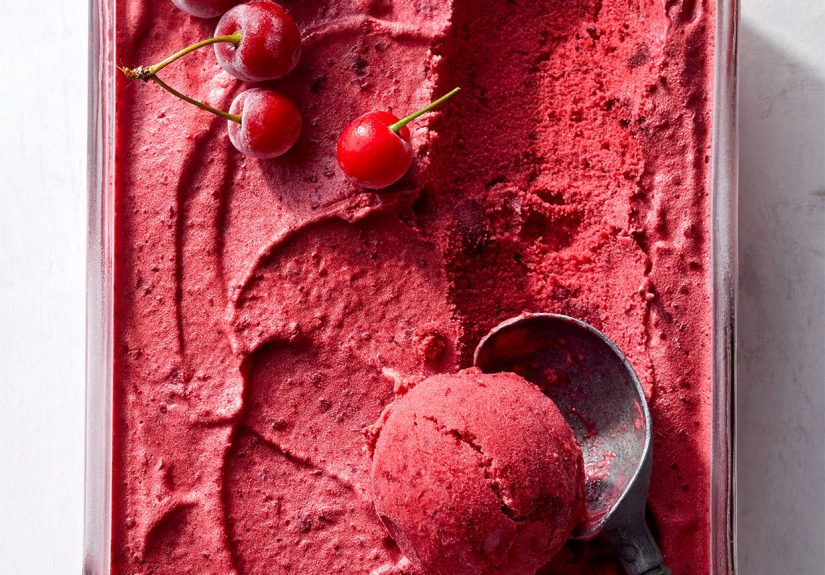
The first thing you notice when making sour cherry sorbet is the color. It is not shy. It stains the blender a jewel-toned red and makes the kitchen look as if you have been conducting very delicious science. There is something satisfying about turning a bowl of tart cherries into a frozen dessert that looks dramatic but requires surprisingly little effort.
One of the best experiences with sour cherry sorbet is tasting the base before it freezes. At first, it may seem too bold. The cherries are sharp, the sugar is obvious, and the lemon juice taps you on the shoulder. But this is exactly what you want. Once frozen, the flavor relaxes. The tart edges become refreshing instead of aggressive, and the sweetness settles into the background.
Serving sour cherry sorbet after a rich meal is also a small act of genius. After grilled meats, creamy pasta, or anything involving butter with confidence, a scoop of this sorbet feels clean and bright. It does not fight the meal; it resets the table. Guests usually expect something heavier for dessert, so the first spoonful often gets that surprised pausethe good kind, where everyone briefly stops talking because their taste buds are busy filing a compliment.
Another memorable part is how flexible the recipe can be. If the cherries are very tart, you can add a little more syrup. If they taste mellow, extra lemon wakes them up. If you want something sophisticated, a splash of kirsch or a few leaves of mint can change the entire mood. If you want comfort, almond extract makes the sorbet taste faintly like cherry pie filling that took a vacation to the freezer.
There is also a practical joy in using frozen sour cherries. Fresh sour cherries are wonderful, but they can be elusive. They appear suddenly, disappear quickly, and sometimes require the kind of farmers market timing usually reserved for concert tickets. Frozen cherries remove the drama. They let you make sour cherry sorbet in July, October, or during a random Tuesday when your freezer is the only thing standing between you and dessert disappointment.
The texture teaches patience. If you scoop it straight from a very cold freezer, it may resist like it has signed a legal contract. Give it a few minutes on the counter. The surface softens, the scoop glides in, and suddenly you have a glossy red curl of sorbet that looks like it came from a restaurant. This is a useful reminder that not every kitchen problem needs a gadget. Sometimes it just needs five minutes and emotional maturity.
For families, sour cherry sorbet can be a fun way to introduce tart flavors. Children who love sweet cherry pops may be surprised by the brighter taste, especially when served in tiny bowls with a few chocolate shavings. Adults tend to appreciate that it is refreshing rather than heavy. It is the rare dessert that can feel playful, elegant, and sensible at the same time.
Perhaps the best experience is the final spoonful. Sour cherry sorbet does not fade quietly. It leaves a clean, fruity tang that makes you want another bite even after the bowl is empty. That is the charm of this dessert: it is simple, but not boring; sweet, but not sleepy; tart, but not rude. In the crowded world of frozen treats, sour cherry sorbet earns its place with color, character, and just enough sass to keep your freezer interesting.
Conclusion
Sour cherry sorbet is one of the easiest ways to turn tart cherries into a refreshing homemade dessert with restaurant-level flavor. With the right balance of fruit, sugar, citrus, and chill time, you can create a smooth, scoopable sorbet that tastes bright, clean, and deeply cherry-forward. Use fresh cherries when they are in season, frozen cherries when convenience wins, and small flavor boosters like almond extract, mint, lime, or kirsch when you want a signature twist.
The beauty of this recipe is that it does not need cream, eggs, or complicated technique. It simply asks you to respect the fruit, balance the sweetness, and give the freezer a little time to work its magic. Make it once, and sour cherry sorbet may become your new favorite answer to hot weather, heavy dinners, and the eternal question: “What dessert feels special but will not make me take a nap?”
Note: This article is written in standard American English and synthesizes practical information from reputable recipe, nutrition, and food-safety resources. No external source links or unnecessary citation placeholders are embedded in the article body.