Table of Contents >> Show >> Hide
- What This Apron Actually Is
- Why “Hand-Loom” Makes This More Than Just Another Apron
- The Blue-and-White Color Story Has More Going On Than You Think
- Bangladesh and the Human Story Behind the Fabric
- Why It Works So Well in a Real Kitchen
- How to Style an Apron Without Looking Like You Are Auditioning for a Pie Commercial
- Caring for a Hand-Loom Cotton Apron
- Is the Apron Hand-Loom Blue/White Bangladesh Worth It?
- Extended Experiences: Living With a Blue-and-White Hand-Loom Apron
- Final Thoughts
If a kitchen apron could roll its eyes at flimsy fast-fashion home goods, this one probably would. The blue-and-white hand-loom apron from Bangladesh is the kind of piece that makes an ordinary Tuesday dinner feel slightly more civilized. It is practical, yes, but it also carries something more interesting than “machine-made and mysteriously soulless.” It carries texture, story, and the quiet confidence of an object that was woven to be used rather than merely photographed.
At first glance, the appeal seems simple: blue and white stripes, soft cotton, a clean silhouette, and a shape that looks ready for baking, grilling, meal prep, coffee rituals, and the occasional dramatic stare into a pot of pasta water. But the deeper charm of this apron is that it sits at the intersection of function and tradition. It is a humble kitchen textile with roots in a country known for remarkable handloom craftsmanship.
That contrast is what makes the piece so compelling. It is not a fussy collector’s item begging to be protected from tomato sauce. It is an everyday apron with enough heritage in its DNA to feel special. In a world crowded with products that scream for attention and then fall apart by the third wash, that is refreshingly grown-up.
What This Apron Actually Is
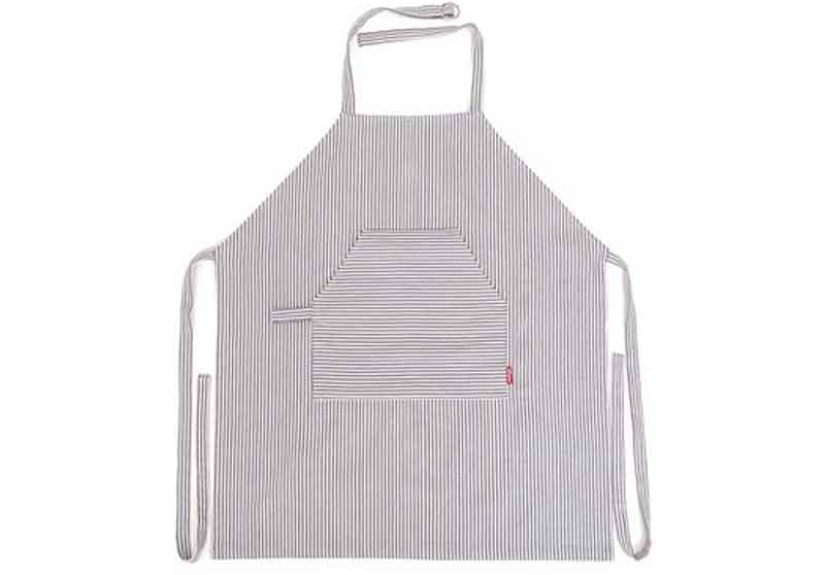
The product itself is straightforward in the best possible way. This hand-woven cooking apron is made from 100% cotton and measures about 86 centimeters long by 75 centimeters wide. It features an adjustable neck strap, a long waistband that can be tied in front or back, a roomy front pocket, and a side strap designed to hold a kitchen towel. In other words, it does not just look useful. It has clearly met a kitchen before.
That combination matters. A lot of aprons are either stylish but inconvenient, or practical in the aesthetic language of “middle school ceramics class.” This one manages to avoid both traps. The adjustable neck strap gives it flexibility for different body types, the long ties make it easier to get a comfortable fit, and the towel loop is one of those underrated details that instantly reveals whether a designer understands how people actually cook.
The cotton construction is also part of the appeal. Cotton tends to be breathable, comfortable, and forgiving during long stretches in the kitchen. If you are roasting vegetables, rolling dough, plating brunch, or pretending to be on a cooking show while reheating leftovers, natural fiber simply feels better than stiff synthetic fabric. Nobody wants to sauté onions while dressed like a crinkly patio umbrella.
Why “Hand-Loom” Makes This More Than Just Another Apron
The phrase “hand-loom” is not decorative marketing glitter. It signals a slower, more tactile way of making cloth. Hand-loomed textiles often show the subtle irregularities and visual richness that factory uniformity tends to sand away. That does not mean sloppy. It means alive. It means the fabric has a pulse.
Bangladesh has a long and respected history of handloom weaving. The country is especially famous for jamdani, a figured muslin tradition recognized as one of the great achievements of Bangladeshi weavers. Historically associated with Dacca, now Dhaka, jamdani represents a weaving legacy built on skill, patience, and elaborate design. This apron is not pretending to be a ceremonial jamdani sari, of course, but it comes from a textile culture where handwoven cloth is part of a serious artistic lineage.
That context changes the way you look at a simple striped apron. Instead of reading it as generic kitchen gear, you start to see it as part of a broader craft tradition: cotton transformed by hand, practical cloth elevated by technique, and everyday use made more beautiful through deliberate work. Even when the final product is modest, the method behind it still matters.
The Blue-and-White Color Story Has More Going On Than You Think
Blue and white is one of those combinations that somehow never gets fired by the design board. It survives every trend cycle because it works. It looks clean without feeling sterile, classic without feeling boring, and cheerful without drifting into cartoon territory. In a kitchen, those are very useful superpowers.
The striped blue-and-white look also taps into a visual language people already trust. It hints at coastal ease, farmhouse simplicity, Scandinavian neatness, and old-school utility all at once. It pairs well with wood countertops, white subway tile, matte black hardware, terracotta bowls, stainless steel cookware, and the increasingly emotional support sourdough starter living on the counter.
There is also a deeper textile resonance here. Museum collections include Bangladeshi muslin with rich blue in-weave patterning, proving that blue-and-white combinations are hardly strangers to the region’s textile imagination. That does not mean every modern striped apron is directly quoting museum cloth. It means the palette feels culturally at home rather than randomly assigned by a bored intern with a Pantone chart.
Bangladesh and the Human Story Behind the Fabric
One of the strongest reasons this apron deserves attention is the country behind it. Bangladesh is one of the world’s most important textile and apparel producers, and women make up a major share of the workforce in the sector. Development organizations have documented how textile and garment work in Bangladesh has expanded income, increased women’s decision-making power, and helped create new economic opportunities, even while the industry continues to face pressure to improve conditions, safety, and long-term sustainability.
That broader reality matters because it reminds buyers that textiles are never just textiles. They are labor, knowledge, timing, and livelihood woven together. In the artisan and fair-trade space, organizations connected to Bangladeshi makers often emphasize skills training, market access, and income opportunities for rural women. Some groups working with Bangladeshi artisans specifically describe helping women improve their standard of living, support children’s education, and preserve handcraft traditions through market-based work.
So while a blue-and-white apron may seem like a tiny domestic purchase, it sits inside a much larger conversation about craftsmanship, fair wages, women’s work, and the value of handmade goods in an industrial economy. Not bad for something that also holds a dish towel.
Why It Works So Well in a Real Kitchen
It is functional without looking overbuilt
The best kitchen textiles earn their keep quietly. This apron does that. The front pocket is useful for recipe cards, a phone timer, tasting spoons, or the mysterious clip you set down two minutes ago and cannot find because cooking turns everyone into a mildly confused detective. The towel loop is especially smart for people who wash hands often while cooking or want quick access to a cloth while moving between stove, sink, and counter.
It looks better the more lived-in your kitchen feels
Some aprons only look good in staged photos where a spotless lemon tart sits next to exactly three eggs and a linen towel folded by angels. This one has more range. It fits that dreamy lifestyle aesthetic, but it can also survive chili night, pancake batter chaos, and serious weekend meal prep. Because the stripes are visually structured, the apron keeps its charm even in a slightly messy environment.
It bridges utility and giftability
A hand-loom cotton apron also makes sense as a gift because it is useful without feeling impersonal. It works for home cooks, bakers, hosts, newlyweds, design lovers, and that one friend who bought a Dutch oven and suddenly began saying things like “my braise.” The handmade angle gives it warmth, and the design keeps it from looking too niche.
How to Style an Apron Without Looking Like You Are Auditioning for a Pie Commercial
The trick is to let the apron do what a good textile should do: add texture and polish without forcing a costume moment. Blue and white naturally layer well over denim, chambray, black tees, white button-downs, gray knits, and earthy neutrals. If your kitchen style leans minimal, the apron adds softness. If your space is more rustic or eclectic, it fits right in.
It also works beautifully in open-kitchen homes where cooking and hosting blur together. Instead of changing clothes or pretending you did not just splatter olive oil on yourself, you can throw on a well-made apron that looks intentional. That is a small luxury, but a real one.
Caring for a Hand-Loom Cotton Apron
Hand-loomed cotton rewards gentle treatment. Wash it in cool or lukewarm water, use a mild detergent, and skip anything too aggressive unless you are facing an apocalyptic sauce incident. Air drying or line drying helps preserve the fabric’s feel and shape, and a light iron can bring the stripes back to crisp, civilized order.
Most importantly, do not expect handwoven cotton to behave with robotic sameness. Part of the appeal is its texture and character. A slight variation in weave, a softer drape over time, or a subtly relaxed look after repeat use is not a flaw. It is the apron becoming itself.
Is the Apron Hand-Loom Blue/White Bangladesh Worth It?
Yes, if you care about three things: everyday usefulness, textile character, and the pleasure of buying fewer but better household items. This is not the apron you buy because you forgot you needed one and panic-added the cheapest option to an online cart. This is the apron you choose because you want a kitchen essential that feels considered.
Its value comes from the overlap of good material, thoughtful design, and a meaningful country-of-origin story. The exact specs make it practical. The hand-loomed cotton gives it warmth and texture. The Bangladeshi context gives it cultural and economic depth. Together, those qualities create an item that does more than protect your shirt. It gives ordinary kitchen work a little dignity, and frankly, we could all use more of that while chopping onions.
Extended Experiences: Living With a Blue-and-White Hand-Loom Apron
There is a certain kind of satisfaction that only shows up when an object quietly improves your routine. That is what a good hand-loom apron does. The first time you wear one, you notice the practical things: the cotton feels breathable, the ties are long enough to adjust comfortably, and the front pocket is immediately more useful than expected. The second time, you notice something else. You start reaching for it before you really need it.
It becomes part of the choreography of the kitchen. Coffee starts brewing, the apron goes on. Vegetables hit the cutting board, the towel slips into the side strap. You wipe your hands, stir a pot, answer the door, and keep moving. It is no longer an accessory. It is part of the ritual, like a favorite mug or a wooden spoon that somehow knows all your recipes better than you do.
The blue-and-white palette also changes the mood of the room in a subtle way. Bright red aprons can feel theatrical. Black aprons can feel serious, almost restaurant-like. This one feels calm. It brings a cool, collected energy that is especially welcome when dinner is running late, someone is hungry, and your onions are flirting with disaster. The stripes make the whole thing feel crisp even when the evening is not.
There is also something unexpectedly personal about wearing a hand-loomed textile while doing ordinary things. Frying eggs, washing herbs, kneading dough, tasting soup straight from the ladle like a tiny kitchen outlawthese moments become a little more grounded. The fabric does not announce itself loudly, but it adds texture to the experience. You remember that someone made this cloth. You remember that useful things can also be beautiful. Suddenly, making lunch does not feel like a chore so much as a small domestic performance in which you are, at the very least, dressed for the role.
And then there is the hosting angle. A hand-loom blue-and-white apron shines when friends are over. It looks polished enough that you do not feel disheveled while finishing a salad or pulling a tray from the oven, but it never feels precious. You can wear it while opening wine, setting plates, and pretending the dessert was always supposed to look “rustic.” In those moments, the apron works almost like a bridge between kitchen labor and table hospitality. It says, “Yes, I am cooking, but I also have standards.”
Over time, the best part may be that it ages with you. The cotton softens, the folds become familiar, and the apron collects memories rather than just stains. Sunday pancakes. Holiday prep. An ambitious recipe that absolutely did not go according to plan. A quick weeknight pasta that turned out weirdly excellent. A gift to a friend who just moved, got married, learned to bake, or decided adulthood might benefit from fewer plastic things and more real textiles. The apron becomes a witness to daily life, which is a very grand destiny for a very humble object.
Final Thoughts
The apron hand-loom blue/white Bangladesh stands out because it understands what lasting home goods are supposed to do. They should serve a purpose, look better with use, and carry enough character that they never feel disposable. This apron checks all three boxes. It is a useful cotton kitchen staple, a handsome blue-and-white design piece, and a reminder that handmade textiles still have a place in modern homes.
If you want a kitchen apron with personality, practicality, and a stronger story than “came in a bundle with potholders,” this one earns a serious look. It proves that even a simple striped apron can hold craft, culture, and everyday grace in the same weave.