Table of Contents >> Show >> Hide
- What Makes a Welsh Country Kitchen Feel So Timeless?
- Start With a Soft, Earthy Color Palette
- Choose Cabinets That Look Built for Real Life
- Use Open Shelving With Discipline
- Bring in Natural Wood for Warmth
- Pick Flooring That Can Handle Mud, Crumbs, and Life
- Add a Classic Sink and Simple Faucet
- Layer Lighting Like a Real Working Kitchen
- Use Hardware as a Small but Mighty Detail
- Decorate With Useful Objects
- Make the Kitchen Feel Connected to the Countryside
- How to Steal the Look on a Realistic Budget
- Design Mistakes That Can Ruin the Modest Country Look
- Experience Notes: Living With the Modest Country Kitchen Look
- Conclusion
A modest country kitchen in Wales has a special kind of confidence. It does not shout, “Look at my marble waterfall island!” It quietly puts the kettle on, warms the room with wood, and lets a few well-loved bowls do the decorating. This is the charm of Welsh country kitchen style: humble, practical, textured, and deeply connected to the landscape outside the window.
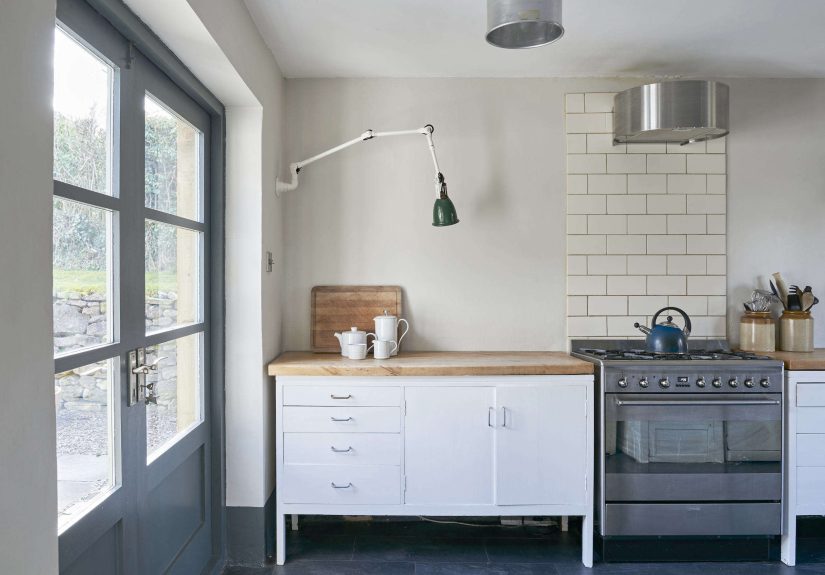
The look is not about copying a showroom. It is about building a kitchen that feels collected over time, even if you ordered half of it online while wearing sweatpants. Think painted cabinets, open shelving, natural wood, stone-like floors, brass or black hardware, handmade ceramics, soft whites, muted greens, and just enough imperfection to make the room breathe. A modest kitchen like this does not need a huge budget; it needs restraint, patience, and the courage to let useful things be beautiful.
In this guide, we will break down how to steal the look of a modest country kitchen in Wales and adapt it for a real American home. Whether you have a tiny galley kitchen, a builder-grade suburban space, or an old farmhouse that already creaks in all the right places, the same design principles apply: choose honest materials, keep the palette calm, layer texture, and make every item earn its place.
What Makes a Welsh Country Kitchen Feel So Timeless?
A Welsh country kitchen usually feels rooted rather than decorated. The style draws from rural cottages, old farmhouses, stone buildings, and interiors designed around daily life. These kitchens were never meant to impress guests with glossy perfection. They were meant to handle bread, muddy boots, soup pots, school bags, and the occasional dog who believes the floor is a buffet.
The best version of this look combines simplicity with warmth. Instead of polished glamour, you get natural materials. Instead of oversized cabinets from floor to ceiling, you may see freestanding storage, open shelves, rails, hooks, or a simple dresser. Instead of a cold white box, the room has layers: wood grain, painted joinery, worn metals, woven baskets, stone textures, linen curtains, and ceramics with a handmade wobble.
The Key Mood: Useful, Unfussy, and Quietly Beautiful
The main keyword here is modest country kitchen, and “modest” matters. This is not poverty-core, nor is it luxury pretending to be humble. It is a design attitude. The kitchen says, “I have everything I need, and no, I will not be adding a neon espresso bar.” It values proportion, comfort, and function over spectacle.
To create that mood, focus on three design goals: soften the room, simplify the storage, and add materials that age well. The more your kitchen looks like it can survive real life, the closer you are to the Welsh country spirit.
Start With a Soft, Earthy Color Palette
The color palette is the foundation of a modest country kitchen in Wales. Go too bright and the room loses its quiet charm. Go too gray and it starts to feel like a waiting room with a sink. The sweet spot is soft, earthy, and slightly weathered.
Classic choices include warm white, cream, chalky beige, mushroom, sage green, olive, dusty blue, slate gray, and muted clay. These shades echo the countryside without turning the kitchen into a theme park called “Welcome to Rustic Land.” They also work beautifully in small kitchens because they reflect light while still feeling cozy.
Best Cabinet Colors for the Look
Painted cabinets are a natural fit for Welsh cottage kitchen style. A soft cream cabinet instantly makes a room feel lighter and older in the best possible way. Sage green brings in a garden feeling, especially when paired with wood counters or open shelves. Deep olive can look handsome in a kitchen with good natural light, while dusty blue adds a gentle coastal note that feels right at home in Wales.
If you already have plain cabinets, paint is the most affordable transformation. Choose a low-sheen finish rather than a glossy one. Gloss can look too slick for a country kitchen, while satin or eggshell has a softer presence. Add simple knobs or cup pulls, and suddenly your cabinets look less “rental unit” and more “charming cottage where someone definitely makes jam.”
Choose Cabinets That Look Built for Real Life
Country kitchen cabinets should feel durable, approachable, and easy to use. Shaker-style cabinets are the obvious choice because their clean lines work in both traditional and modern spaces. They have enough detail to avoid looking flat, but not so much detail that dust starts holding family reunions in the corners.
For a modest Welsh-inspired kitchen, avoid overly ornate cabinet doors, shiny lacquer, and dramatic hardware. The goal is a room that feels handmade or at least hand-considered. Mix painted lower cabinets with natural wood shelves or a freestanding wood hutch to create the collected-over-time look.
Freestanding Pieces Add Soul
One of the easiest ways to make a kitchen feel more country is to include at least one freestanding piece. This might be a pine cupboard, a vintage dresser, a narrow sideboard, a butcher-block cart, or an old table used as an island. Built-in cabinetry can be practical, but too much of it may make the room feel rigid.
A freestanding cabinet breaks up the design and gives the kitchen a more relaxed rhythm. It also offers a chance to bring in warm wood, glass doors, chicken wire, or open storage. Use it for plates, mugs, linens, cookbooks, or the “good bowl” you own but only use when guests are coming and you want them to think you are more organized than you are.
Use Open Shelving With Discipline
Open shelving is a signature feature in many country kitchens, but it works best when it is edited. The goal is not to display every novelty mug you have collected since 2009. The goal is to keep useful, attractive pieces within reach: white plates, stoneware bowls, glass jars, wooden boards, copper pans, or a few everyday mugs.
Wood shelves bring warmth and texture to painted walls. In a modest kitchen, they can replace upper cabinets, making the room feel more open. This is especially helpful in small kitchens where heavy cabinetry can crowd the eye.
How to Style Open Shelves Without Chaos
Use a simple formula: stack, lean, group, and leave space. Stack plates in twos or threes. Lean a cutting board or shallow platter against the wall. Group jars by height. Leave a little breathing room between objects. Negative space is not wasted space; it is what keeps the shelf from looking like a garage sale with plumbing.
Stick to a limited palette for visible items. Cream, white, wood, glass, terracotta, and soft blue work beautifully together. If you love color, add it through one or two accents, such as a green pitcher or a patterned tea towel.
Bring in Natural Wood for Warmth
Natural wood is essential to the modest country kitchen look. It adds warmth, texture, and a sense of age. You do not need expensive custom cabinetry to get the effect. A wooden shelf, stool, table, cutting board, or countertop section can change the feeling of the entire room.
Oak, pine, maple, and walnut all work, but for a Welsh country kitchen, lighter or medium-toned woods often feel most authentic. Avoid finishes that look orange, shiny, or overly processed. Matte, oiled, waxed, or lightly aged wood feels much more natural.
Wood Countertops: Beautiful but Honest
Wood countertops are charming, but they require care. They can stain, scratch, and develop marks over time. For some people, that is the point. A wood counter in a country kitchen should not look like it lives in fear of tomatoes. It should age, soften, and tell a story.
If you want the warmth of wood without the maintenance, use it selectively. Try a butcher-block island, a wood-topped cart, or a small baking station. Pair it with more durable counters near the sink and stove, where water and heat are daily guests.
Pick Flooring That Can Handle Mud, Crumbs, and Life
A Welsh country kitchen should have flooring that feels grounded. Stone, slate, brick, terracotta, limestone-look porcelain, and wide-plank wood are all strong choices. In an American home, porcelain tile that mimics aged stone can be a practical option because it offers the look without the high maintenance.
The key is to avoid anything too glossy or too perfect. A little variation in tone makes the floor feel older and more forgiving. This is useful when someone drops toast butter-side down, which, according to the laws of kitchen physics, will happen within seven minutes of cleaning.
Small Kitchen Tip: Keep the Floor Quiet
In a small kitchen, choose flooring with subtle movement rather than a loud pattern. Soft stone tones, muted terracotta, or pale wood can make the room feel larger. If you love patterned tile, use it in a small zone, such as a pantry nook or entry area, rather than across the entire kitchen.
Add a Classic Sink and Simple Faucet
An apron-front sink, also called a farmhouse sink, is a classic choice for country kitchens. It looks generous, practical, and timeless. White fireclay is especially fitting for a modest Welsh-inspired kitchen because it feels traditional without being fussy.
If an apron-front sink is not in the budget, a deep undermount or drop-in sink can still work. The faucet matters just as much. Choose a bridge faucet, gooseneck faucet, or simple single-handle design in brass, nickel, or matte black. Avoid overly futuristic shapes. This kitchen does not need a faucet that looks like it is preparing for space travel.
Layer Lighting Like a Real Working Kitchen
Good lighting is one of the most practical upgrades you can make. A modest country kitchen needs more than one overhead fixture trying desperately to light every corner. Use layers: ceiling lights for general brightness, under-shelf or under-cabinet lights for tasks, and a pendant or wall sconce for atmosphere.
For the Welsh country look, choose fixtures with simple forms. Enamel pendants, aged brass sconces, ceramic shades, black metal lamps, and small glass fixtures all fit the style. Lighting should feel useful first and decorative second.
Warm Bulbs Make Everything Better
Choose warm white bulbs rather than cool white bulbs. Cool lighting can make cream cabinets look sterile and wood look flat. Warm lighting adds softness, especially in the evening when the kitchen becomes a place for tea, toast, homework, and standing in front of the fridge while pretending to make a decision.
Use Hardware as a Small but Mighty Detail
Hardware is the jewelry of the kitchen, but in a modest country kitchen, it should be more like a favorite pair of boots than a diamond necklace. Simple knobs, cup pulls, latches, and handles in aged brass, oil-rubbed bronze, black iron, or brushed nickel work well.
Do not overdo the contrast. Black hardware can look sharp on cream cabinets, while aged brass warms up sage green or blue. For wood cabinets, nickel or black often provides a clean balance. Choose hardware that feels comfortable in the hand because a kitchen is touched constantly.
Decorate With Useful Objects
The best country kitchen decor is useful. Cutting boards, mixing bowls, pitchers, baskets, linens, crockery, jars, and pans can all contribute to the look. This is excellent news for anyone who dislikes purely decorative objects that exist only to be dusted and judged.
Hang a few copper pans from a rail. Place wooden spoons in a ceramic crock. Keep onions in a woven basket. Fold linen napkins in an open drawer. Display a small stack of plates on a shelf. These simple touches make the kitchen feel lived-in without cluttering the counters.
What to Avoid
Avoid signs that say “Kitchen,” because the sink and stove have already made the announcement. Avoid fake distressing that looks too intentional. Avoid matching every object perfectly. The charm of a Welsh country kitchen comes from quiet variety: a little old, a little new, a little handmade, and one spoon that mysteriously came from your grandmother’s house even though nobody remembers packing it.
Make the Kitchen Feel Connected to the Countryside
Even if your view is a driveway instead of rolling Welsh hills, you can borrow the feeling of the countryside. Add potted herbs, dried flowers, a bowl of apples, linen curtains, or a simple wooden bench. Natural details soften the edges of the room and make it feel less manufactured.
Window treatments should be light and unfussy. Cafe curtains, Roman shades, or linen panels work well. Choose natural fabrics over shiny synthetics. If privacy is not an issue, leave the window bare and let the light do its job.
How to Steal the Look on a Realistic Budget
You do not need a full renovation to create this style. Start with the changes that deliver the biggest visual impact for the least money. Paint cabinets or walls. Replace hardware. Add wood shelves. Swap harsh lighting for warm fixtures. Bring in a vintage table or stool. Style your everyday dishes more intentionally.
If you can invest more, consider new counters, flooring, a farmhouse sink, or custom cabinet fronts. But do not assume expensive equals better. The Welsh country kitchen look actually improves when it feels humble. A room with one vintage cupboard and a few handmade mugs may feel more soulful than a kitchen where every surface is new and terrified of fingerprints.
Affordable Shopping List
To recreate the look, search for these pieces: Shaker cabinet doors, aged brass knobs, wood floating shelves, white stoneware plates, glass storage jars, linen tea towels, terracotta plant pots, a simple enamel pendant, a vintage pine table, woven baskets, ceramic crocks, butcher-block boards, and a muted green or cream cabinet paint.
For a more polished version, add a fireclay sink, bridge faucet, stone-look tile, and a freestanding pantry cabinet. Keep the palette consistent so the room feels intentional rather than randomly charming, which is a real risk when shopping vintage. One antique stool is character. Seven mismatched stools may look like the kitchen is hosting a support group.
Design Mistakes That Can Ruin the Modest Country Look
The first mistake is overdecorating. Country style does not mean every surface needs a rooster, a wreath, or a decorative rolling pin. The second mistake is choosing finishes that are too shiny. High-gloss cabinets, polished chrome everywhere, and mirror-like counters can fight the relaxed feeling.
The third mistake is ignoring function. A country kitchen should work hard. If the open shelves are too high to reach, the table blocks the oven, or the pretty baskets hide things you use every day, the design has wandered off into fantasy. Beauty is important, but this kitchen still needs to make breakfast.
Experience Notes: Living With the Modest Country Kitchen Look
After spending time studying and recreating modest country kitchen ideas, one thing becomes clear: the style works best when it is allowed to evolve. The first instinct is often to finish everything at once. Paint the cabinets, buy the shelves, order the dishes, choose the rug, replace the lights, and declare victory by Tuesday. But a Welsh-inspired country kitchen is not at its best when it feels instant. It needs a little breathing room.
The most successful spaces begin with function. Before buying anything decorative, pay attention to how the kitchen behaves during the day. Where do you make coffee? Where do dishes pile up? Which cabinet is secretly a black hole? Which corner gets the best light? A modest country kitchen should respond to those habits. A shelf above the counter is useful only if it holds things you actually reach for. A vintage table is charming only if people can move around it without performing a sideways dance.
One practical lesson is that texture matters more than quantity. A single wood shelf with a stack of white plates can do more for the room than ten decorative accessories. Linen curtains can soften a window faster than a complicated treatment. A worn cutting board leaning against the wall can add warmth without stealing counter space. This is the quiet magic of the look: small details carry a lot of weight.
Another experience worth noting is that restraint can feel uncomfortable at first. In a world of endless kitchen inspiration, it is tempting to add more: more color, more tile, more shelves, more vintage finds, more “moments.” But the modest Welsh country kitchen asks for editing. It rewards the person who removes one object before adding another. It is not empty; it is calm. There is a difference, and the difference is usually counter space.
Lighting is also more powerful than many people expect. Changing cool bulbs to warm bulbs can make cabinets look softer, wood look richer, and the entire kitchen feel more welcoming. A small wall sconce above a shelf or a simple pendant over a table can create atmosphere without major construction. This is especially helpful in older homes or rentals where a full remodel is not realistic.
The final lesson is to let useful things become part of the design. If you cook often, keep the tools visible but tidy. If you bake, display flour and sugar in glass jars. If you love tea, make the kettle, mugs, and canister part of the scene. A modest country kitchen should not look staged for a photograph every hour of the day. It should look ready for toast, soup, pie, conversation, and the occasional “Where did I put the measuring spoon?” crisis.
In the end, stealing this look is less about copying Wales and more about borrowing its sense of grounded simplicity. Use natural materials. Choose soft colors. Keep what is useful. Let the room age. Allow a few imperfections to stay. The result is a kitchen that feels warm, personal, and quietly beautifulthe kind of place where everyone gathers, even when the living room is perfectly available.
Conclusion
A modest country kitchen in Wales proves that great design does not need to be loud, oversized, or expensive. Its beauty comes from restraint, texture, honest materials, and the comfort of everyday use. With painted Shaker cabinets, natural wood shelves, stone-like flooring, simple lighting, useful decor, and a soft countryside palette, you can bring the same feeling into almost any home.
The secret is not perfection. It is warmth. Let the kitchen feel collected, practical, and personal. Choose pieces that age gracefully. Display what you use. Edit what you do not. When the room feels ready for coffee, conversation, and a loaf of bread cooling on the counter, you have successfully stolen the look.
Note: This article is written as original web-ready HTML content and intentionally excludes source links, citation placeholders, and unnecessary publishing artifacts.