Table of Contents >> Show >> Hide
- The Viral Cat Mix-Up That Got Funnier With Every New Detail
- Why This Story Feels Wildly Absurdand Weirdly Plausible
- Why the Internet Loved Every Second of It
- The Hidden Lessons Behind the Laughs
- Similar Real-Life Stories Prove This Is Not a One-Off
- Why Cat Stories Like This Keep Winning the Internet
- Extra Experiences Related to This Hilarious Neighbor-Cat Mix-Up
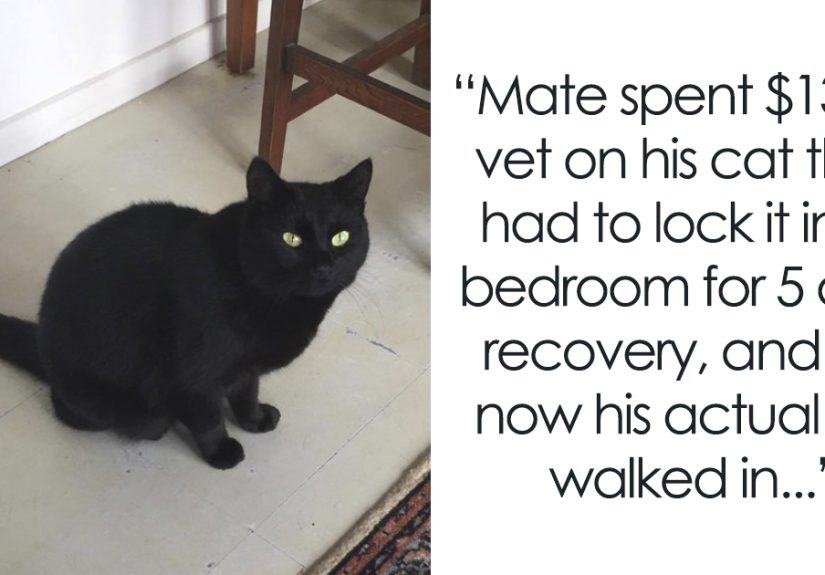
There are bad pet-owner moments, and then there are legendary pet-owner moments. Forget buying the wrong food or stepping on a squeaky toy at 2 a.m. This story belongs in the comedy hall of fame: a man thought his cat was acting strangely, took the feline to the vet, paid for treatment, kept the cat confined for recovery, and then discovered the truth in the most sitcom-worthy way possiblehis actual cat casually walked back into the house like nothing had happened.
That meant the cat receiving all the concern, medication, and forced bedroom rest was not his cat at all. It was the neighbor’s.
Yes. He accidentally kidnapped the neighbor’s cat, mistook it for his own, and managed to escalate the situation from “minor mix-up” to “unexpected feline identity crisis” with astonishing confidence. It is the kind of story that makes the internet stop scrolling, laugh out loud, and immediately say, “Honestly? This could happen to me.”
And that is exactly why this tale has had such staying power. It is funny because it is ridiculous. It is memorable because it is just believable enough. And it is weirdly educational because underneath all the laughter sits a very real reminder: cats are secretive, independent, territorial little oddballs, and when outdoor access, look-alike coats, and human overconfidence collide, chaos follows.
The Viral Cat Mix-Up That Got Funnier With Every New Detail
The now-famous story spread online after a tweet thread laid out the comedy of errors step by step. According to the account, the man spent around $130 at the vet because “his” cat seemed off. The cat was prescribed anti-anxiety medication and then kept in a bedroom for several days to recover. At first, that sounds like responsible pet parenting. Concerned owner? Check. Vet visit? Check. Follow-through? Also check.
Then the plot twisted its whiskers.
His real cat showed up.
That was the moment the whole thing went from ordinary pet worry to all-time neighborhood comedy. Somewhere in the middle of this saga, a neighbor had reportedly come by looking for a missing black cat. The man, absolutely certain the cat in his home was his, essentially told the neighbor there was no mystery to solve. Sorry, wrong house. Nothing to see here. Just my cat.
Except it was not his cat.
To make the story even better, one version of the retelling noted that the mistaken cat was male while his own cat was female, which only caused the internet to ask the obvious question: how did nobody notice this sooner? It is the kind of detail that doesn’t just add humorit kicks the entire story into another gear. By that point, the internet had fully embraced the idea that this was not just a cat mix-up. It was a full-scale farce starring one confused man, one suspiciously patient cat, one missing pet owner, and one actual cat who apparently had better things to do than participate in the drama.
Why This Story Feels Wildly Absurdand Weirdly Plausible
What makes this accidental neighbor-cat kidnapping so funny is not just the mistake itself. It is that cat owners know, deep down, that feline behavior is often bizarre enough to make a terrible assumption seem reasonable for a while.
Cats Are Masters of the Unannounced Entrance and Exit
Outdoor and indoor-outdoor cats roam. They wander. They inspect yards, porches, garages, sheds, fences, flower beds, and any household that appears likely to offer snacks, sunbeams, or emotional validation. Animal welfare and veterinary groups have long noted that outdoor roaming can expose cats to disease, injuries, wildlife conflict, neighbor disputes, and mistaken identity problems that sound silly until they happen to someone on your block.
So yes, if your cat has a habit of drifting in and out on its own schedule, you might not immediately panic when it reappears acting “a little weird.” You might assume it got into something, picked a fight, or had a stressful outdoor adventure. That assumption becomes even easier if the replacement cat looks almost exactly like yours.
Some Cats Absolutely Do Maintain Side Quests at Other Homes
One reason this story resonates is that many cat owners have learned an uncomfortable truth: their pet may not be as loyal to one address as the paperwork suggests. In recent years, multiple viral stories in U.S. media have featured cats who split time between households, spend most of the day at a neighbor’s place, or confidently settle into someone else’s garden as if they pay taxes there.
Translation: cats are not above living a double life.
A friendly outdoor cat may visit nearby homes for petting, food, heated patios, naps, or the thrilling novelty of receiving affection from strangers who believe they were chosen by destiny. This is charming when everyone knows what is happening. It is less charming when one household assumes the animal is theirs and the other is making “missing cat” flyers in their head.
Cats Also Hide Stress and Illness Until Humans Misread the Situation
The twist in this story hinges on the cat “acting strange,” which is funny in context but also rings true. Veterinary guidance consistently warns that changes in a cat’s behavior, vocalizing, appetite, litter habits, energy, or sociability can signal stress, fear, or illness. Cats are famously subtle patients. They do not file incident reports. They just become mysteriously dramatic in ways that leave humans guessing.
That means the owner’s first instinctto call the vetwas actually the most reasonable part of this whole mess. The truly unreasonable part was accidentally doing it for the wrong cat.
Why the Internet Loved Every Second of It
This tale hit the perfect sweet spot for viral storytelling. First, no one was seriously hurt. Second, the escalation was impeccable. Third, the cat seemed almost comically unfazed by the entire ordeal. In a story full of human confusion, the cat somehow comes off as the calmest participantan energy cats have been cultivating for centuries.
Online audiences especially love stories in which animals appear to possess hidden agendas. In this case, the joke almost writes itself. Did the neighbor’s cat knowingly accept free room, board, and pharmaceuticals? Was it confused? Opportunistic? Merely committed to the bit? The internet, unsurprisingly, chose to believe the cat was a furry criminal mastermind conducting an unauthorized domestic infiltration.
That framing helped turn a neighborhood misunderstanding into a modern cat legend. It is not just a story about mistaken identity. It is a story about how cats inspire humans to build entire comedic theories around behavior that may simply mean, “I saw an open door and went with it.”
The Hidden Lessons Behind the Laughs
As hilarious as this accidental catnapping is, it also comes with several real-world takeaways for pet owners.
Microchips Matter
Animal welfare experts and veterinarians consistently stress that microchips are one of the best tools for reuniting pets with their owners. A microchip is not a GPS tracker, and it does not replace a visible tag, but it gives shelters and clinics a permanent way to identify a cat. In a story like this, a quick scan could have ended the mystery before the medicine, the bedroom confinement, and the neighbor’s rising blood pressure.
Visible ID Matters Too
Here is the less glamorous but equally important truth: most random humans who encounter your cat are not carrying a microchip scanner in their back pocket. That is why experts often recommend both a microchip and a breakaway collar with up-to-date ID. If a friendly cat is found lounging in a neighbor’s laundry room like it owns the deed, a visible tag can solve the situation in seconds.
Outdoor Access Can Turn Small Confusions Into Big Ones
Organizations focused on cat welfare regularly point out that outdoor roaming increases all kinds of risksnot only traffic injuries and disease exposure, but also neighborhood misunderstandings. A sociable cat can become “the porch cat,” “the patio cat,” “the cat that visits at breakfast,” or, in truly elite circumstances, “the cat we accidentally medicated for five days.”
Never Underestimate Look-Alike Cat Chaos
Black cats, tuxedo cats, tabbies, and even orange cats can look startlingly alike from a quick glanceespecially in dim light, during a rushed routine, or when your brain has already decided, “Yep, that’s definitely Mr. Whiskers.” Human beings are excellent at confidence and not always excellent at verification. This story should be framed as a public service announcement for double-checking before launching into full pet-parent crisis mode.
Similar Real-Life Stories Prove This Is Not a One-Off
As funny as this case is, it belongs to a broader category of cat-related human confusion that keeps resurfacing in real life and in viral media.
There have been reports of people realizing the cat cuddled in their home is actually the neighbor’s pet who spends most of his day elsewhere. Other owners have gone viral after discovering the cat they were carrying or talking to was not their own cat at all. One woman documented the exact moment she realized the feline in her arms was an impostor only after receiving a message confirming her real cat was safe at home. Another story centered on a cat who had effectively moved into a neighbor’s garden and seemed deeply committed to the arrangement.
Then there are the stories that stop being funny and become touching: cats reunited with owners years after disappearing because a shelter or clinic scanned the animal’s microchip. Those reunions underline the bigger point behind all the comedy. Cats are independent enough to create confusion, but that same independence can turn a brief mix-up into a serious separation if owners are not prepared.
Why Cat Stories Like This Keep Winning the Internet
Part of the answer is obvious: cats are naturally funny. They are elegant one second, chaotic the next, and perpetually equipped with an expression that suggests they understand more than they are willing to explain. But stories like this also work because they tap into something familiar about neighborhood life and pet ownership.
Pets connect people. They make neighbors talk. They create shared stories, shared concern, and occasionally shared confusion. A dog may bark at everyone on the block, but a cat can quietly insert itself into several households and leave a trail of emotional, logistical, and comedic consequences behind.
That is why “Man accidentally kidnaps neighbor’s cat thinking it was his” is more than a throwaway funny headline. It is the perfect modern pet story: absurd, relatable, mildly incriminating, deeply internet-friendly, and impossible to forget.
And in the end, maybe the biggest winner was the cat. It got attention, medical care, a private recovery suite, and a starring role in one of the funniest accidental pet stories on the internet. Not bad for a feline who simply showed up and let the humans embarrass themselves.
Extra Experiences Related to This Hilarious Neighbor-Cat Mix-Up
If this story feels strangely believable, that is because cat owners keep reporting versions of the same chaos with different costumes. One of the most common themes is the “part-time cat” phenomenonthe pet that technically belongs to one household but spends suspiciously large amounts of time freelancing around the neighborhood. In one widely shared modern example, a woman realized her neighbor’s cat was basically living with her. The cat showed up constantly, settled in with total confidence, and behaved less like a visitor and more like a tenant who had strong opinions about couch placement. The owner was not angry so much as hilariously betrayed. Apparently, the cat had built a side relationship without bothering to notify management.
Another memorable experience involved a woman who only discovered she was handling the wrong cat after receiving confirmation that her actual pet was already safe at home. Until that moment, she had been completely convinced the cat in front of her was hers. That detail matters because it shows how easily the human brain fills in the blanks. If the color pattern is close enough, the size seems right, and the cat acts only mildly offendedwhich, to be fair, is standard cat behaviorpeople accept the illusion and move on.
Then there are the cats who adopt neighbors by sheer force of routine. Some stroll into nearby gardens every day and sprawl out in full view, like tiny furry emperors claiming summer property rights. Others wait at a certain door because they know there is water, shade, affection, or a person who falls for the “I have never been fed in my life” face. These stories usually begin with laughter, but they also reveal something useful: when cats roam, they build relationships and habits that humans do not always witness.
That is also why recovery stories can swing from funny to emotional in a heartbeat. There have been real cases of missing cats being reunited with their owners after years apart because a shelter, vet clinic, or rescue scanned the microchip. Those stories do not have the same sitcom energy as the neighbor-cat kidnapping saga, but they highlight the serious side of identification. A cat can be friendly, healthy-looking, and perfectly relaxed in someone else’s home while still being deeply missed somewhere else.
One more painfully funny example came from a woman who let a cat into a date’s home thinking it was his beloved pet, only to learn she had confidently welcomed the neighbor’s cat instead. That sort of moment is practically the social version of stepping on a rake. But it also proves the larger point: mistaken cat identity is not rare because people are careless. It happens because cats are independent, opportunistic, often similar-looking, and completely unbothered by human assumptions.
So the experience behind this headline is bigger than one viral thread. It is part of a growing archive of stories in which cats drift between homes, charm multiple people, scramble ownership certainty, and expose how quickly humans can become both devoted and confused. In other words, the funniest thing about the story may be this: the cat world has probably been running these neighborhood experiments on us for years, and we are only now catching up.
Conclusion: “Man accidentally kidnaps neighbor’s cat thinking it was his, and it escalates hilariously” is the kind of headline that earns clicks because it sounds impossible, then keeps readers because it turns out to be painfully plausible. It is funny on the surface, but it also says a lot about how cats roam, how neighbors interact, and how easily confidence can outrun verification. If there is a moral here, it is simple: love your cat, identify your cat, and maybe count the cats in your house before announcing to the neighborhood that everything is under control.