Table of Contents >> Show >> Hide
- Introduction: The Question Everyone Asks, But Should Handle Carefully
- What Does “Drunk” Actually Mean?
- Start With the Standard Drink
- So, How Much Alcohol Does It Take to Get Drunk?
- Why Alcohol Affects People Differently
- BAC Levels and Common Effects
- Warning Signs of Alcohol Poisoning
- Moderate Drinking: What Public Health Guidelines Say
- Underage Drinking: Why the Safest Amount Is None
- How to Reduce Risk If You Are an Adult Who Chooses to Drink
- Common Myths About Getting Drunk
- Real-Life Examples: Why “One More Drink” Can Be a Big Deal
- How to Know When to Stop
- When Drinking May Be a Bigger Problem
- Experience Section: What Safe Drinking Looks Like in Real Life
- Conclusion: The Safest Number Is the One That Keeps You in Control
- SEO Tags
Note: This article is for educational purposes and is written for adults of legal drinking age. It does not encourage drinking to get drunk, underage drinking, or risky alcohol use. If someone may have alcohol poisoning, call emergency services immediately.
Introduction: The Question Everyone Asks, But Should Handle Carefully
“How much alcohol does it take to get drunk?” sounds like a simple question, the kind someone might ask before a party, dinner, wedding, game night, or one of those office happy hours where the appetizers disappear faster than the small talk. But the real answer is not a single number. It depends on your body, your drink, your pace, your food intake, your health, your medications, your sleep, and even how accurately the bartender poured that “one drink.” Spoiler: that giant cocktail in a fishbowl glass is not one drink just because it has one straw.
The safest way to approach alcohol is not to ask, “How can I get drunk?” but “How can I avoid becoming impaired, sick, unsafe, or out of control?” Alcohol affects the brain quickly, and impairment can start before a person feels obviously drunk. That means judgment, reaction time, balance, memory, and decision-making may already be slipping while someone still insists, with great confidence and terrible coordination, that they are “totally fine.”
This guide explains what counts as a standard drink, why intoxication varies from person to person, what blood alcohol concentration means, how to recognize warning signs, and how adults of legal drinking age can reduce risk. The goal is simple: understand alcohol before it starts making decisions for you.
What Does “Drunk” Actually Mean?
Being drunk means alcohol has affected the brain and body enough to impair normal function. That impairment can show up as slower reflexes, louder speech, poor judgment, reduced coordination, emotional swings, sleepiness, nausea, memory gaps, or risky choices. In other words, alcohol does not just make people “feel different.” It changes how the nervous system works.
Some people use “buzzed,” “tipsy,” and “drunk” as if they are separate planets. In reality, they are points on the same road. A person may feel relaxed after a small amount, less inhibited after more, and visibly impaired after still more. The dangerous part is that the brain’s self-monitoring system is also affected. That is why someone can be impaired and still believe they are making excellent decisions. Alcohol is a famously unreliable personal assistant.
Start With the Standard Drink
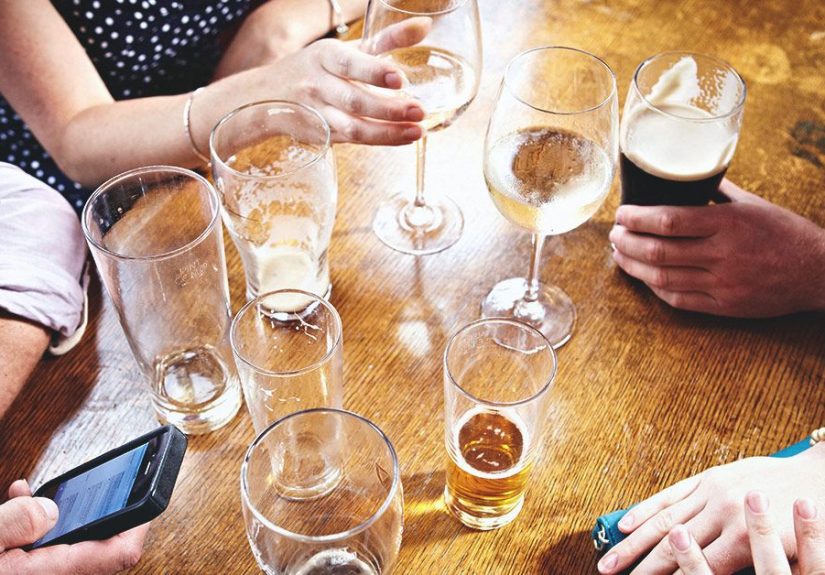
In the United States, a standard drink contains about 14 grams, or 0.6 fluid ounces, of pure alcohol. That usually equals one 12-ounce regular beer at 5% alcohol by volume, one 5-ounce glass of wine at about 12% alcohol, or one 1.5-ounce shot of distilled spirits at about 40% alcohol. This definition matters because “one drink” in real life can be misleading.
A tall craft beer may contain much more alcohol than a standard beer. A generous wine pour at home may be closer to two standard drinks than one. A mixed drink can vary wildly depending on the recipe and the hand of the person pouring it. If the pourer has a “more is more” philosophy, your cocktail may be doing mathematical gymnastics behind your back.
Common Examples of Standard Drinks
- 12 ounces of regular beer at 5% ABV
- 8 to 10 ounces of malt liquor at about 7% ABV
- 5 ounces of wine at about 12% ABV
- 1.5 ounces of 80-proof liquor, such as vodka, whiskey, rum, gin, or tequila
When people underestimate alcohol, it is often because they count glasses instead of standard drinks. A single glass can contain more than one standard drink, especially with strong beer, oversized wine pours, or cocktails made with multiple spirits.
So, How Much Alcohol Does It Take to Get Drunk?
There is no universal answer. For some adults, noticeable impairment may begin after one or two standard drinks, especially if they drink quickly, have not eaten, are smaller-bodied, are tired, or take certain medications. For others, outward signs may appear later, but that does not mean their judgment or reaction time is unaffected.
Public health guidance often uses blood alcohol concentration, or BAC, to describe intoxication. BAC is the amount of alcohol in the bloodstream. In the United States, a BAC of 0.08% is commonly used as the legal limit for driving for adults 21 and older, but impairment can begin below that level. “Legal limit” does not mean “safe limit.” It simply means the line used in many legal settings. A person can be too impaired to drive, make decisions, or stay safe even before reaching 0.08%.
For a typical adult, binge drinking is often defined as consuming enough alcohol to bring BAC to 0.08% or higher. That pattern commonly corresponds to about four or more drinks for women or five or more drinks for men in about two hours. This is not a recommended goal. It is a warning threshold associated with increased risk of injuries, alcohol poisoning, crashes, violence, and long-term health problems.
Why Alcohol Affects People Differently
Two people can drink the same amount and have very different reactions. Alcohol is processed by the body in complex ways, and intoxication is influenced by many factors.
Body Size and Body Composition
A smaller body generally has less water volume to dilute alcohol, which can lead to a higher BAC from the same amount of alcohol. Body composition also matters because alcohol distributes mainly through body water rather than fat tissue.
Biological Sex
On average, alcohol may affect women more strongly than men after the same number of drinks, partly because of differences in body water, enzymes, and metabolism. This is one reason moderate drinking guidelines and binge drinking thresholds often differ by sex.
Food Intake
Drinking on an empty stomach can make alcohol hit faster because the stomach empties more quickly into the small intestine, where alcohol is absorbed efficiently. Eating before or while drinking can slow absorption, though it does not cancel the effects of alcohol. Nachos are helpful; they are not magic armor.
Pace of Drinking
The liver can only process alcohol at a limited rate. Drinking quickly causes alcohol to build up in the bloodstream faster than the body can break it down. This is why several drinks in a short period can be much riskier than the same amount spread over a longer time.
Sleep, Stress, and Health
Being exhausted, dehydrated, sick, stressed, or emotionally overwhelmed can make alcohol feel stronger. A person who drinks the same amount on two different days may react differently depending on their condition.
Medications and Other Substances
Alcohol can interact dangerously with prescription medications, over-the-counter drugs, sleep aids, anxiety medications, pain relievers, antihistamines, and other substances. Some combinations can increase drowsiness, impair breathing, raise bleeding risk, or strain the liver. Anyone taking medication should read labels carefully and ask a healthcare professional whether alcohol is safe for them.
BAC Levels and Common Effects
BAC is not a perfect measure of how someone feels, but it is useful for understanding risk. Effects vary, but the general pattern is clear: as BAC rises, the brain and body become more impaired.
Low BAC: Mild Impairment Can Begin Early
At lower BAC levels, a person may feel relaxed, social, warm, or more talkative. But even mild alcohol exposure can reduce alertness and judgment. This is where people often say they are “just buzzed.” The problem is that “buzzed” is still impaired. Buzzed driving is not a clever compromise; it is a bad idea wearing casual shoes.
Moderate BAC: Coordination and Judgment Decline
As BAC rises, speech may become louder or slurred, reaction time slows, balance gets worse, and decision-making becomes less reliable. People may overestimate their abilities, underestimate danger, or make choices they would avoid when sober.
High BAC: Serious Risk
At higher BAC levels, a person may become confused, vomit, stumble, black out, pass out, or have trouble staying awake. This is dangerous. A person who is unconscious or difficult to wake after drinking needs urgent medical attention. Alcohol poisoning can be life-threatening.
Warning Signs of Alcohol Poisoning
Alcohol poisoning is a medical emergency. It happens when alcohol depresses vital functions such as breathing, heart rate, body temperature regulation, and consciousness. Never assume someone can “sleep it off” if they show serious symptoms.
Call Emergency Services If You Notice:
- Confusion, stupor, or inability to stay awake
- Slow, irregular, or stopped breathing
- Repeated vomiting
- Pale, bluish, cold, or clammy skin
- Seizures
- Loss of consciousness
- Inability to wake the person
While waiting for help, keep the person on their side if they are vomiting or unconscious, stay with them, and do not give them more alcohol, caffeine, food, or a cold shower. Coffee does not sober someone up. It just creates a more awake impaired person, which is not exactly a public health breakthrough.
Moderate Drinking: What Public Health Guidelines Say
For adults of legal drinking age who choose to drink, moderate drinking is commonly defined as up to one drink per day for women and up to two drinks per day for men. This does not mean people should drink daily. It also does not mean someone can “save up” drinks all week and spend them on Saturday night like beverage coupons.
Some people should not drink at all, including anyone under the legal drinking age, anyone who is pregnant or may be pregnant, people planning to drive or operate machinery, people with certain medical conditions, people taking medications that interact with alcohol, and people recovering from alcohol use disorder.
Underage Drinking: Why the Safest Amount Is None
For people under 21 in the United States, the safest and legal choice is not to drink alcohol. Teen brains are still developing, and alcohol use during adolescence is linked with higher risks of injury, poor school performance, unsafe situations, and later alcohol-related problems. This article is not a guide for minors to estimate how much alcohol they can handle. It is a guide to understanding risk and making safer choices.
If you are a teen or young adult feeling pressured to drink, a simple exit line can help: “No thanks, I’m good,” “I’m driving,” “I have practice tomorrow,” or “I don’t drink.” You do not owe anyone a dramatic courtroom defense. A clear no is enough.
How to Reduce Risk If You Are an Adult Who Chooses to Drink
The safest option is not drinking. For adults 21 and older who choose to drink, the next best option is drinking less and avoiding intoxication. Safe drinking is not about testing your limits. It is about staying in control of your body, your choices, and your ride home.
Know What You Are Drinking
Check the alcohol by volume, also called ABV. A 12-ounce beer at 5% ABV is very different from a 16-ounce craft beer at 9% ABV. A cocktail with multiple shots is not the same as a single standard drink.
Set a Limit Before You Start
Decide in advance how much you will drink, and keep that number low. Making the decision before alcohol enters the conversation is much easier than negotiating with your future tipsy self, who may suddenly believe karaoke is destiny.
Drink Slowly
Spacing drinks gives your body more time to process alcohol. Alternating with water or another nonalcoholic drink can help reduce total alcohol intake and prevent dehydration.
Eat Before and During Drinking
Food can slow absorption and may help you feel steadier. Meals with protein, fat, and carbohydrates are more helpful than drinking on an empty stomach. Again, food does not make alcohol harmless, but it can reduce how quickly alcohol hits.
Plan Transportation Before Drinking
Never drive after drinking. Arrange a sober driver, rideshare, taxi, public transit, or a place to stay before the first drink. The worst time to solve transportation is after alcohol has already started lowering your standards and confidence.
Avoid Drinking Games and Shots
Drinking games, rounds of shots, and “catching up” are common ways people drink too much too fast. Fast drinking is one of the biggest risk factors for dangerous intoxication.
Watch Out for Peer Pressure
A good friend will not pressure you to drink more than you want. If someone keeps pushing, the problem is not your limit. The problem is their respect for it.
Common Myths About Getting Drunk
Myth 1: “I Can Handle My Alcohol, So I’m Safe”
Tolerance may make someone feel less drunk, but it does not remove impairment. A person with tolerance may still have poor reaction time, reduced judgment, and elevated BAC. Feeling fine is not the same as being safe.
Myth 2: “Beer and Wine Don’t Count Like Liquor”
Alcohol is alcohol. Beer, wine, and liquor all contain ethanol. What matters is the amount of pure alcohol consumed, not whether it arrived in a fancy glass, a bottle, or a cocktail with a tiny umbrella living its best life.
Myth 3: “Coffee Sobers You Up”
Only time lowers BAC. Coffee may make someone feel more alert, but it does not speed up alcohol metabolism. Cold showers, greasy food, and heroic speeches in the bathroom mirror do not sober someone up either.
Myth 4: “If Someone Passes Out, Let Them Sleep”
Passing out after drinking can be a sign of alcohol poisoning. If someone is unconscious, vomiting repeatedly, breathing slowly, or cannot be awakened, call emergency services. Waiting can be dangerous.
Real-Life Examples: Why “One More Drink” Can Be a Big Deal
Imagine two adults at a dinner party. One has a full meal, drinks one glass of wine slowly, and switches to sparkling water. The other skips dinner, drinks two strong cocktails quickly, then has a shot because “everyone is doing one.” Even if both people say they had “a couple drinks,” their actual alcohol exposure and risk may be very different.
Or consider a backyard barbecue. Someone grabs a 16-ounce craft beer at 8% ABV and calls it “one beer.” In standard drink terms, it may be closer to two drinks. If they have two of those in an hour, they may have consumed the alcohol equivalent of about four standard drinks without realizing it.
These examples show why counting containers is unreliable. The better question is not “How many drinks did I hold?” but “How much pure alcohol did I actually consume, and how fast?”
How to Know When to Stop
Stop drinking before you feel drunk. Waiting until obvious impairment appears means alcohol has already affected your brain and body. Warning signs that it is time to stop include feeling lightheaded, becoming louder than usual, losing track of drinks, stumbling, feeling nauseated, forgetting parts of conversations, or needing friends to monitor your behavior.
It is also time to stop if you are drinking to cope with stress, sadness, anger, boredom, social anxiety, or pressure. Alcohol may temporarily blur emotions, but it does not fix the source of them. Sometimes the bravest drink order is water with lime and the confidence of a person who has plans tomorrow.
When Drinking May Be a Bigger Problem
Alcohol use can become concerning when someone often drinks more than intended, feels unable to cut back, needs alcohol to relax, hides drinking, experiences blackouts, misses responsibilities, argues about drinking, or continues drinking despite health, school, work, legal, or relationship problems.
If any of that sounds familiar, support is available. Talking with a healthcare professional, counselor, trusted adult, or support service can help. Needing help is not a character flaw. It is a practical response to a real health issue.
Experience Section: What Safe Drinking Looks Like in Real Life
Safe drinking is less glamorous than movie scenes make it look, but it is much better at preventing regret. In real life, the smartest person at the table is often not the one making the loudest toast. It is the person who knows their limit, eats dinner, drinks water, keeps their phone charged, and already knows how they are getting home.
One common experience is the “accidental strong drink” situation. Someone orders a cocktail that tastes sweet, fruity, and harmless. It arrives in a tall glass, decorated like a tropical vacation, and does not taste strong at all. That is exactly when caution matters. Sweet mixers can hide alcohol flavor, but they do not reduce alcohol content. A drink can taste like fruit punch and still contain multiple standard drinks. The safe move is to sip slowly, avoid ordering another right away, and check how you feel before continuing.
Another real-world lesson is that drinking without eating can turn a normal night into a wobbly science experiment. People often underestimate how much food matters. Maybe they rushed from work to meet friends, had only coffee all afternoon, and then started with a beer or cocktail. Alcohol may hit faster than expected, and suddenly the room feels warmer, jokes seem funnier, and walking in a straight line requires more planning than it should. Eating beforehand is not a free pass to drink heavily, but it can help slow absorption and reduce the shock of alcohol hitting an empty stomach.
Group settings can also create pressure. At weddings, parties, tailgates, birthdays, and holiday gatherings, alcohol is often treated like background music: always there, always refilled, and somehow louder as the night goes on. A useful strategy is to keep a nonalcoholic drink in your hand when you do not want more alcohol. People are less likely to offer another drink if you already have one. Sparkling water, soda, iced tea, or a mocktail can help you stay social without increasing your alcohol intake.
Another experience many adults recognize is the “I feel fine” trap. Alcohol can make people feel confident before they realize they are impaired. That confidence is part of the problem. A person may believe they can drive, send a serious text, settle an argument, or make a big decision. Safe drinking means creating rules before alcohol is involved: no driving, no major decisions, no emotional texting, and no trying to prove anything. Future-you will be grateful, and your message history will be less dramatic.
Hosting also comes with responsibility. If you are serving alcohol, offer food, water, and appealing nonalcoholic options. Do not pressure guests to drink. Watch for signs that someone has had too much, and help arrange a safe ride when needed. A good host wants people to remember the evening for the food, laughter, and musicnot for a medical emergency or a bad ride home.
Finally, the best drinking experiences often involve moderation or no alcohol at all. The conversation is clearer, the food tastes better, the photos are less mysterious, and the next morning does not feel like a personal betrayal. Safe drinking is not boring. It is simply the art of enjoying the moment without handing the steering wheel to alcohol.
Conclusion: The Safest Number Is the One That Keeps You in Control
So, how much alcohol does it take to get drunk? The honest answer is: it depends, and aiming to get drunk is risky. Intoxication can begin sooner than people expect, especially when drinks are strong, consumed quickly, or taken on an empty stomach. Body size, sex, food, sleep, medications, health, and drinking pace all matter.
For adults of legal drinking age, the safest approach is to drink less, drink slowly, know what counts as a standard drink, avoid binge drinking, and never drive after drinking. For anyone under 21, pregnant, taking certain medications, managing health conditions, or recovering from alcohol problems, the safest choice is not drinking.
Alcohol may be common, but common does not mean harmless. Respect the drink, respect your limits, and remember: the best night out is one you can safely remember the next day.