Table of Contents >> Show >> Hide
- Why This Trend Resonates With So Many People
- What The 50 Best End Results Usually Get Right
- 1. They fix the lighting first
- 2. They add a rug that actually fits the room
- 3. They layer textures instead of stuffing the room with more stuff
- 4. They rearrange the furniture for conversation, not just television
- 5. They bring in wood, plants, and other natural elements
- 6. They use warmer, moodier colors with more confidence
- 7. They finish the windows
- 8. They include art and objects that reveal a real person lives there
- 9. They improve storage so the room can breathe
- 10. They think beyond what the room looks like and consider how it feels
- Standout Transformation Patterns You See Again And Again
- How To Steal The Best Ideas Without Spending A Fortune
- The Real Experience Of Living In A Cozier Space
- Conclusion
- SEO Tags
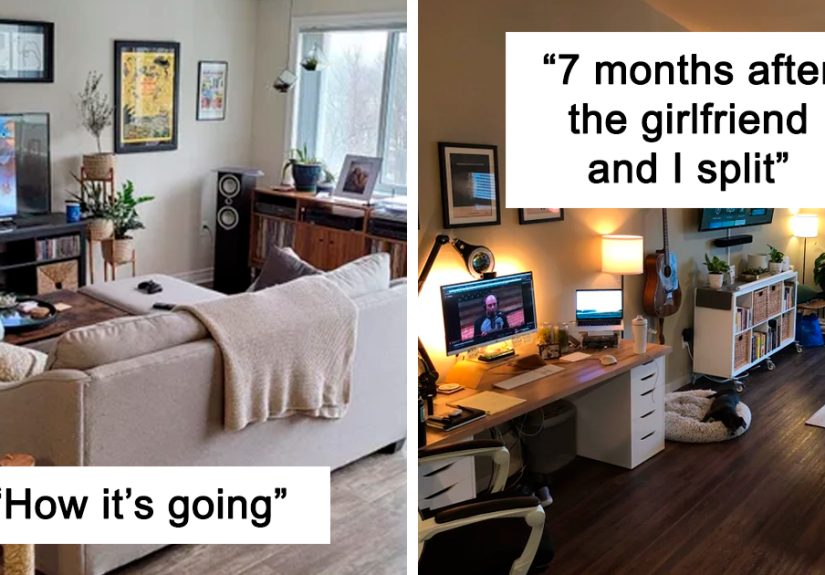
There is a very specific kind of photo that keeps showing up online: a guy posts a picture of his apartment, bedroom, or living room and asks a simple questionHow do I make this feel cozier? The room usually has a decent sofa, a television that looks emotionally unavailable, one heroic overhead light, and just enough personality to suggest the resident owns exactly one frying pan. Then the internet goes to work. People recommend a rug, softer lighting, curtains, plants, art, better furniture placement, and maybe a throw blanket that doesn’t look like it was issued by a college dorm.
And the end results? Honestly, some of them are magic. The “after” spaces feel warmer, calmer, more grown-up, and way more livable. They still look masculine when that matters to the owner, but they also look welcoming, layered, and human. Which is the whole point. A cozy room is not about making your place look like a furniture showroom or a candle exploded in the corner. It is about creating a home that invites you to stay a while.
This is why the trend has caught on. These transformations are not just about decor. They are about comfort, confidence, and the subtle art of not living in a room that feels like a waiting area for an oil change. Across the best end results, the same lessons appear again and again. If you want a home that feels warmer without becoming cluttered, these are the design moves that keep showing up for a reason.
Why This Trend Resonates With So Many People
The appeal is easy to understand. Plenty of men were never really taught how to make a space feel finished. They learned how to buy furniture when they needed it, not how to compose a room. So a lot of homes start out functional but flat. There is a couch because you need somewhere to sit. There is a bed because, well, sleep is important. But the softer layers that make a room feel completeambient light, textiles, art, color variation, and layoutoften arrive later, if they arrive at all.
That is why these photo posts are so relatable. People are not asking for a luxury renovation. They are usually asking how to make a plain room feel less cold. And the internet’s best responses tend to be refreshingly practical. No one says, “Demolish the wall and hire an Italian plaster artisan.” They say, “Get a real rug.” “Move the couch off the wall.” “Turn off the big light.” “Add curtains.” “Buy a lamp that does not look like it came free with your router.” Revolutionary stuff.
The larger lesson is that coziness is not one style. It is not only rustic, Scandinavian, minimalist, vintage, or modern. Cozy is a feeling created by layers, proportion, softness, and intention. That means nearly any aesthetic can become more inviting with the right decisions.
What The 50 Best End Results Usually Get Right
1. They fix the lighting first
If there is one universal truth in these home transformations, it is this: overhead lighting is rarely enough. A room lit only from the ceiling tends to feel flat, harsh, and vaguely interrogational. The best “after” photos almost always include layered lightingtable lamps, floor lamps, wall sconces, accent lights, or warm bulbs that create a softer mood. Good lighting makes a room look more expensive, more intentional, and dramatically more comfortable.
In practical terms, this means using multiple light sources at different heights. One lamp near a chair creates a reading zone. Another lamp on a side table softens the sofa area. A dimmable bulb changes everything at night. Suddenly the room stops shouting and starts speaking in a much more attractive indoor voice.
2. They add a rug that actually fits the room
A tiny rug floating in the middle of the floor does not make a room cozy. It makes the room look like it lost a bet. In the best end results, a larger rug anchors the seating area and ties the furniture together. It adds texture, color, softness underfoot, and visual structure. Even a basic room looks more complete when the furniture feels connected instead of randomly scattered around it.
The best rug choices are usually not the loudest ones. They are the ones that add warmth, pattern, or subtle contrast without hijacking the room. Think muted geometric prints, low-key vintage looks, warm neutrals, or a deeper color that grounds lighter furniture.
3. They layer textures instead of stuffing the room with more stuff
This is an important distinction. Cozy does not mean crowded. The strongest room makeovers do not necessarily add more furniture; they add more texture. That can mean a chunky throw blanket over a sofa, linen or velvet pillows, a woven basket, wood accents, boucle upholstery, a leather chair, or curtains that soften hard lines. A room becomes interesting when materials start talking to one another.
Texture is especially useful in spaces that lean minimalist. If your room is mostly black, white, gray, or beige, texture keeps it from feeling sterile. A wool throw, natural wood coffee table, matte ceramic lamp, and soft drapery can do more for a room than ten random accessories ever could.
4. They rearrange the furniture for conversation, not just television
Many “before” rooms are organized around one thing: the screen. The sofa faces the TV, end of story. The best “after” rooms still make space for entertainment, but they also create a sense of connection. Chairs angle inward. A coffee table lands within reach. Seating no longer hugs every wall like it is being punished. The room starts to function for talking, reading, relaxing, and hanging outnot just binge-watching crime dramas while eating takeout straight from the container.
Even a small shift helps. Pulling the sofa a few inches off the wall, adding a chair in a corner, or creating a secondary nook can make a room feel far more intentional. Cozy rooms invite people into them; they do not just point everyone at one large glowing rectangle.
5. They bring in wood, plants, and other natural elements
Nature is the undefeated champion of making interiors feel warmer. The best end results often introduce wood tones, greenery, stone, branches, baskets, or earthy colors that make the room feel grounded. A place with only metal, plastic, and glass can look sleek, but it can also feel cold. Natural materials add life.
Houseplants help because they soften corners, break up hard edges, and give the room literal living energy. Wood tones do the same thing visually. A walnut side table, oak shelving, cane accents, or even a rough ceramic planter can make a space feel more relaxed and less manufactured.
6. They use warmer, moodier colors with more confidence
Not every cozy room is painted dark, but the best ones almost always feel warm. That warmth might come from rich browns, soft taupes, olive greens, rust accents, muted blues, or creamy off-whites with warm undertones. What matters is that the palette feels intentional. Rooms become more inviting when the colors support the mood instead of defaulting to “rental white plus mystery gray.”
This does not mean you need to paint every wall espresso brown and live like a Victorian detective. It means using color to create atmosphere. A camel throw, olive accent chair, terracotta pillow, tobacco leather ottoman, or warm-toned art can shift the entire emotional temperature of a room.
7. They finish the windows
One of the most overlooked upgrades in these transformations is window treatment. Bare windows can work in some homes, but in many spaces they make the room feel unfinished. Curtains or Roman shades add softness, height, privacy, and a sense that someone actually meant to live there. Floor-length drapes, especially when hung a bit higher and wider than the window frame, can make a room feel more polished and more generous.
This is one of those changes that seems small until you see the before-and-after. Suddenly the room has edges that feel gentler. Sound softens. Light diffuses better. The whole place looks less like a temporary setup and more like a home.
8. They include art and objects that reveal a real person lives there
The best transformations are not just prettier. They are more personal. A framed print, record collection, travel photo, stack of books, sculptural object, or vintage find adds soul. The room stops looking generic and starts telling a story. This matters because coziness is not only visual. It is emotional. People relax more easily in spaces that feel lived-in and specific.
The trick is curation. Not every surface needs something on it. But one thoughtful gallery wall or one styled shelf does more than a dozen random “decor pieces” purchased in a panic because the coffee table looked lonely.
9. They improve storage so the room can breathe
A cozy room still needs order. In many successful makeovers, hidden storage or smarter storage is what allows the softer design elements to shine. Baskets hold blankets. Closed cabinets hide cords and clutter. A bookshelf gives everyday objects a home. A bench stores shoes near the entry. The room feels calmer because it is not visually shouting from every corner.
This is why some of the best end results look “effortless.” They are not effortless. They are simply edited well. Cozy is easier to achieve when the room has fewer visual interruptions.
10. They think beyond what the room looks like and consider how it feels
The smartest transformations go beyond furniture and color. They consider sensory experience. How does the room smell? How does it sound? Does the chair actually feel good to sit in? Is there a throw within reach? Is the light flattering at night? Can you read here? Can you host a friend here? Can you have coffee here on a Sunday morning without feeling like you are in a sparsely furnished simulation?
That is the deeper reason cozy homes work. They support rituals. Reading, resting, listening to music, stretching out, talking to friends, or winding down after work all become easier when the room encourages them.
Standout Transformation Patterns You See Again And Again
Across the strongest home makeovers, a few recurring “before and after” patterns show up repeatedly:
- The empty-corner rescue: a dead corner becomes a reading chair, lamp, and small tablesuddenly the room has a soul.
- The rental refresh: peel-and-stick wallpaper, better curtains, and warmer lighting turn a generic apartment into a place with identity.
- The sofa-area upgrade: one oversized sectional plus a real rug and layered pillows transforms the room from plain to inviting.
- The bedroom glow-up: better bedding, two matching lamps, an upholstered headboard, and art above the bed make the room feel finished.
- The plant correction: one or two well-placed plants soften a room more effectively than fifteen tiny objects scattered everywhere.
- The palette cleanup: reducing visual chaos and repeating a few warm tones makes the room feel calmer without making it boring.
These improvements are not flashy, but they work because they address how people actually experience a room. The internet loves dramatic makeovers, yet the spaces that linger in your memory are often the ones that simply feel good to be in.
How To Steal The Best Ideas Without Spending A Fortune
You do not need designer furniture or a giant budget to get similar results. Start with the highest-impact basics. Replace harsh bulbs with warmer ones. Add two or three lamps. Buy the largest rug you can reasonably afford. Hang curtains high and wide. Bring in a plant that will not file a complaint about your care routine. Add one good throw blanket, two textured pillows, and a piece of art that means something to you. Then edit the clutter. That is often enough to change the entire mood.
If you have more room in the budget, upgrade the anchor pieces that people use the most: the sofa, the bed, the reading chair, or the dining seating. Comfort is visible. A room with one beautiful, comfortable chair will often feel cozier than a room with several mediocre pieces that are technically present but spiritually absent.
And if you are unsure where to begin, ask the internet. Apparently, that is how half the best transformations start anyway.
The Real Experience Of Living In A Cozier Space
What makes this topic more interesting than a typical decor trend is that the payoff is not just visual. A cozier home changes your daily experience in ways that are easy to underestimate until you live with them. When men post their “before” photos online, they are often asking for decorating help, but what they are really asking for is lifestyle help. They want the room to feel less empty at the end of a long day. They want to enjoy being home instead of just occupying it.
That shift shows up in ordinary moments. You walk in after work, drop your keys, and instead of being greeted by one blinding overhead light and the emotional energy of an underfurnished cube, you step into a room with warm lamps, a soft rug, and a chair that actually invites you to sit down. That changes your whole evening. You exhale sooner. You put your phone down faster. You stop feeling like you should be out somewhere else because your home finally feels like a place worth returning to.
A cozier space also changes how people interact with you. Friends linger longer. Dates notice details. Family members stop politely pretending your place has “a very minimalist vibe” when what they mean is, “You own three things and one of them is a folding chair.” The room starts doing social work for you. It signals warmth, care, and competence without saying a word. That does not mean your home has to be fancy. It just has to feel considered.
There is also a quiet confidence in learning how to shape your environment. For a lot of people, especially those who were not raised thinking much about interiors, making a home feel cozy can feel oddly personal. You are deciding what comfort looks like for you. Maybe it is moody lighting, dark walls, and a leather chair with a stack of books nearby. Maybe it is linen curtains, soft neutral bedding, and a playlist humming in the background. Maybe it is a deeply comfortable couch, a record player, and a plant you have miraculously kept alive for six months. None of those choices are trivial. They are how you turn square footage into a lived experience.
The best part of the “men asking how to make their homes cozier” trend is that it normalizes this process. It tells people they are allowed to care about atmosphere. They are allowed to want softness, warmth, beauty, and calm. They are allowed to ask how to make a room more inviting without surrendering their taste or identity. And they are allowed to discover that the answer is rarely complicated. Better light. Better texture. Better layout. Better editing. More intention. Less fear.
In the end, the best transformations are not really about impressing strangers online. They are about creating a place where daily life feels easier, softer, and more enjoyable. The room becomes somewhere you can read, host, nap, think, laugh, decompress, and be yourself. That is not just coziness. That is quality of life with better lamps.
Conclusion
The viral appeal of these home makeovers comes down to one simple truth: people want homes that feel good, not just homes that function. The 50 best end results may vary in style, budget, and square footage, but they almost always rely on the same principleslayered lighting, better layout, richer texture, warmer color, natural materials, edited clutter, and personal details that make a room feel lived in. In other words, cozy is not a mystery. It is a series of smart choices that add up to comfort.
If your place feels a little cold, a little unfinished, or a little too committed to the “guy who just moved in yesterday” aesthetic, that is fixable. Start small, stay intentional, and build a room that supports the life you want to have in it. The best end result is not just a nicer photo. It is a home you genuinely want to spend time in.