Table of Contents >> Show >> Hide
- What Is a Chicken Broth-Only Diet?
- Why People Think Chicken Broth Helps With Weight Loss
- Can You Lose Weight by Drinking Only Chicken Broth?
- The Biggest Risks of Drinking Only Chicken Broth
- Who Should Avoid a Chicken Broth-Only Diet Completely?
- Chicken Broth vs. Bone Broth: Is Bone Broth Better?
- How to Use Chicken Broth Safely for Weight Loss
- A Healthier Weight-Loss Strategy That Actually Makes Sense
- Common Myths About Chicken Broth and Weight Loss
- So, Can You Safely Lose Weight by Drinking Only Chicken Broth?
- Experience Notes: What People Often Notice When They Try Broth-Only Weight Loss
- Conclusion
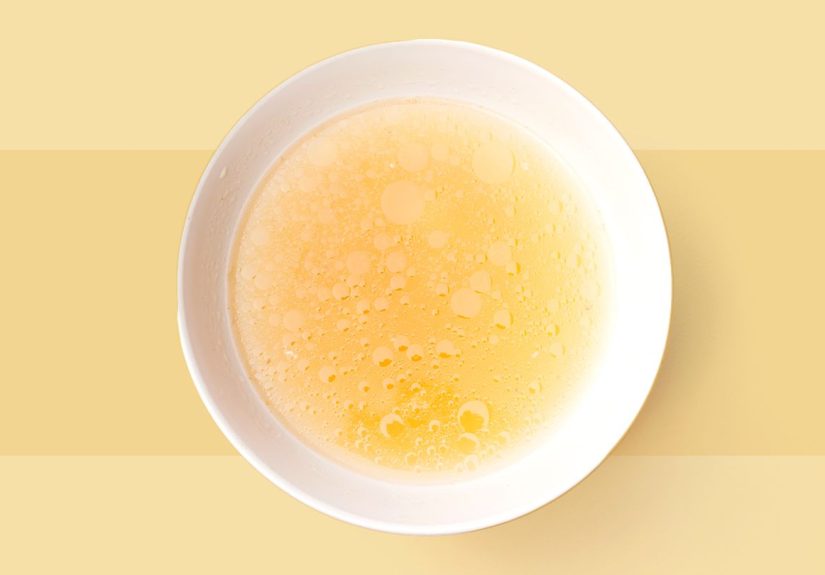
Chicken broth has a cozy reputation. It shows up when you have a cold, when your soup needs a hug, and when your grandmother believes the answer to every problem is “sip something warm.” But lately, chicken broth has also been dragged into the weight-loss spotlight. The question is simple: Can you safely lose weight by drinking only chicken broth?
The honest answer: not safely, not sustainably, and not in a way your body will thank you for later. Drinking only chicken broth may lead to quick weight loss on the scale because it is extremely low in calories. But that kind of loss is usually a mix of water, glycogen, and possibly musclenot the calm, steady fat loss most people actually want. Your body is not a phone battery that can run all day on “low power mode” because you poured warm salty liquid into it. It needs protein, carbohydrates, healthy fats, fiber, vitamins, and minerals to function well.
That does not mean chicken broth is bad. Far from it. A warm cup of broth can be comforting, hydrating, and useful in soups, stews, and lighter meals. The problem begins when broth goes from “helpful kitchen sidekick” to “the entire cast, crew, and catering department.” Let’s unpack what happens when someone tries a chicken broth diet, why it seems tempting, what the risks are, and how broth can fit into a healthier weight-loss plan without turning your meals into a sad beige puddle.
What Is a Chicken Broth-Only Diet?
A chicken broth-only diet is exactly what it sounds like: replacing regular meals with chicken broth, sometimes for one day, several days, or longer. Some versions use homemade broth; others use boxed broth, bouillon cubes, bone broth, or broth powders. People may try it because it feels simple, cheap, and “clean.” No meal planning. No counting portions. No deciding whether the leftover pizza is “emotionally supportive” or just lunch.
But simple does not always mean safe. Chicken broth is mostly water, sodium, flavor compounds, and small amounts of nutrients. Bone broth may contain more protein than standard broth, but even then, it is not a complete diet. A cup of bone broth may offer some protein, but it does not provide the full range of nutrients the body needs each day. Standard chicken broth often contains even less protein and may be high in sodium, depending on the product.
That means drinking only chicken broth creates an extreme calorie restriction. Yes, the scale may move down quickly. But fast weight loss caused by severe restriction is not the same as healthy fat loss. It is often temporary, difficult to maintain, and more likely to trigger fatigue, cravings, nutrient gaps, and rebound eating.
Why People Think Chicken Broth Helps With Weight Loss
Chicken broth has a few qualities that make it seem like a weight-loss miracle at first glance. It is low in calories, warm, savory, and filling for a short time. It can also make you feel like you are “doing something healthy,” especially if you are used to heavier meals or sugary drinks.
It Is Low in Calories
Weight loss generally requires a calorie deficit, meaning you consume fewer calories than your body uses. Chicken broth makes that easytoo easy. If you replace meals with broth, calories drop dramatically. That is why weight may fall quickly in the beginning.
However, a calorie deficit should still provide enough nutrition to support energy, muscle, hormones, digestion, and daily life. A broth-only plan usually fails that test. Think of it like trying to build a house with only paint. Paint is useful, but nobody wants to live in a shiny wall-less structure during a thunderstorm.
It May Reduce Appetite Temporarily
Warm liquids can feel soothing and may take the edge off hunger for a short period. A cup of broth before a meal may help some people slow down and eat more mindfully. The warmth, saltiness, and volume can create a brief feeling of fullness.
But fullness is not the same as nourishment. Broth leaves out fiber-rich carbohydrates, healthy fats, and enough complete protein to keep hunger controlled for hours. Many people who rely only on broth eventually feel ravenous, distracted, tired, or cranky. In other words, the broth may be calm, but your stomach may start writing strongly worded emails.
It Feels Like a Detox
The word “detox” is often used in diet marketing, but your body already has detox systems: your liver, kidneys, lungs, digestive tract, and skin. They work around the clock without needing a dramatic broth-only retreat. Drinking broth does not magically flush fat from your body. Fat loss happens over time through consistent habits, not through a few days of nutritional punishment dressed up as wellness.
Can You Lose Weight by Drinking Only Chicken Broth?
You probably can lose weight temporarily by drinking only chicken broth, but that does not make it safe or smart. Any extremely low-calorie plan can cause short-term weight loss. The issue is what kind of weight you lose, how your body responds, and what happens afterward.
During very low-calorie intake, your body uses stored carbohydrate called glycogen. Glycogen holds water, so when glycogen drops, water weight drops too. That can make the scale look exciting at first. But once you return to normal eating, some of that water returns. This is why crash diets often create the illusion of success followed by the frustration of regain.
Another concern is muscle loss. When the body does not get enough energy and protein, it may break down lean tissue. Losing muscle can reduce strength, affect metabolism, and make long-term weight management harder. A healthy weight-loss plan should protect muscle as much as possible through adequate protein, regular movement, and resistance training when appropriate.
The Biggest Risks of Drinking Only Chicken Broth
Chicken broth may sound harmless because it is sold in friendly cartons and appears in soup recipes, but using it as your only food can create real problems.
1. Not Enough Calories for Daily Function
Your body needs energy for basic functions: breathing, thinking, walking, digesting, regulating temperature, and pretending not to panic when your inbox has 147 unread emails. A broth-only diet usually provides far too little energy. This can lead to weakness, dizziness, irritability, poor concentration, headaches, and feeling cold.
2. Too Little Protein
Protein supports muscle, immune function, enzymes, hormones, and tissue repair. Bone broth may contain some protein, but most chicken broth is not high enough in protein to replace balanced meals. Even higher-protein broth does not provide everything a normal diet should include.
For weight loss, protein is especially important because it helps with satiety and muscle maintenance. A plan that cuts calories while also underfeeding protein is like trying to keep a campfire alive while removing the logs and hoping the smoke does the heavy lifting.
3. No Fiber
Fiber is found in foods such as vegetables, fruits, beans, lentils, oats, nuts, seeds, and whole grains. Chicken broth has essentially no fiber. Without enough fiber, digestion can slow down, bowel habits may change, and hunger may become harder to manage.
Fiber also supports gut health and helps meals feel more satisfying. A broth-only plan removes one of the most helpful tools for sustainable weight management.
4. Missing Vitamins and Minerals
Chicken broth can contain small amounts of minerals, but it is not a multivitamin in liquid form. A broth-only diet may fall short in vitamin C, vitamin D, calcium, potassium, magnesium, folate, essential fatty acids, and many other nutrients. Over time, nutrient gaps can affect energy, mood, immunity, bone health, and overall wellness.
5. Too Much Sodium
Many broths are salty. Sodium is not evilyour body needs itbut too much can be a concern, especially for people with high blood pressure, heart disease, kidney disease, or those advised to limit sodium. Some boxed broths and bouillon products can add up quickly if you drink them all day.
Low-sodium broth is a better choice if you use broth regularly, but even low-sodium broth should not become your entire diet. “Low sodium” does not mean “nutritionally complete.” It just means the salt shaker has slightly less main-character energy.
6. Higher Risk for Rebound Eating
Extreme restriction often leads to intense cravings. After days of broth, a normal sandwich can look like a five-star banquet. This is not a character flaw; it is biology. Your body pushes back against deprivation by increasing hunger and food focus. That can lead to overeating, guilt, and another round of restriction. It is a cycle many people know too well, and broth-only dieting can feed itironically, without feeding you.
Who Should Avoid a Chicken Broth-Only Diet Completely?
Some people should be especially cautious with any extreme diet. A broth-only plan is not appropriate for children, teens, pregnant or breastfeeding people, older adults at risk of muscle loss, athletes, people with diabetes, anyone with kidney disease, heart disease, high blood pressure, a history of eating disorders, or anyone taking medications affected by food intake or electrolytes.
Even for healthy adults, a broth-only approach is not a wise self-directed weight-loss method. If someone needs a medically supervised very low-calorie diet, that should be handled by qualified health professionals with monitoringnot by guessing in the soup aisle.
Chicken Broth vs. Bone Broth: Is Bone Broth Better?
Bone broth is usually simmered longer than standard broth and may contain more protein, gelatin, and minerals. It can be a nutritious ingredient, especially compared with sugary drinks or ultra-processed snacks. But bone broth still does not provide a complete diet.
Some people like bone broth because it feels more filling than regular broth. That can be helpful when used as part of a meal. For example, bone broth can be the base of a soup with shredded chicken, vegetables, beans, barley, brown rice, or noodles. That transforms broth from a lonely cup of liquid into an actual meal with texture, nutrients, and staying power.
The key phrase is part of a meal. Bone broth is not a magic potion. It is food. Useful food, yes. But still just food.
How to Use Chicken Broth Safely for Weight Loss
If you enjoy chicken broth, you do not need to banish it from your kitchen like it committed a nutritional felony. The safer approach is to use it strategically inside a balanced eating pattern.
Use Broth as a Soup Base
Soup can be a smart weight-loss meal when it includes enough protein, fiber, and volume. Try using chicken broth with vegetables, lean chicken, turkey, tofu, beans, lentils, or whole grains. This gives you the comfort of broth plus the nutrients your body actually needs.
Drink a Small Cup Before a Meal
Some people find that sipping a small cup of broth before lunch or dinner helps them slow down. This can be helpful if it prevents rushed eating. But it should not replace the meal. The goal is calm appetite support, not turning dinner into a disappearing act.
Choose Low-Sodium Options
Read labels. Look for “low sodium” or “reduced sodium,” especially if you use broth often. Homemade broth can also help you control salt. Add herbs, garlic, onion, pepper, lemon, parsley, thyme, ginger, or bay leaf for flavor without relying only on salt.
Pair Broth With Real Food
A balanced broth-based meal might include chicken broth, shredded chicken, carrots, celery, spinach, white beans, and a small portion of brown rice. Another option could be broth with tofu, mushrooms, bok choy, and noodles. These meals are still warm and satisfying, but they provide more complete nutrition.
A Healthier Weight-Loss Strategy That Actually Makes Sense
The best weight-loss plan is not the one that makes you suffer the most. It is the one you can repeat without feeling like your life has been replaced by a punishment montage.
A safer strategy usually includes a moderate calorie deficit, regular meals, enough protein, high-fiber foods, enjoyable movement, sleep, stress management, and realistic expectations. It should include foods you like, because a plan that requires you to hate every bite is not disciplineit is bad project management.
Instead of asking, “How little can I eat?” ask, “What can I eat consistently that supports my health and helps me feel satisfied?” That question leads to better answers: soups with protein and vegetables, salads with healthy fats, Greek yogurt with fruit, eggs with whole-grain toast, rice bowls with lean protein, or simple home-cooked meals with reasonable portions.
Weight loss does not require a perfect diet. It requires a pattern. Small changes repeated often beat extreme plans that last three days and end with you standing in front of the refrigerator at midnight having a spiritual conversation with leftover cake.
Common Myths About Chicken Broth and Weight Loss
Myth 1: “If It Is Low-Calorie, It Must Be Healthy”
Low-calorie foods can be helpful, but calories are only one part of nutrition. A food can be low in calories and still fail to provide what your body needs. Broth-only dieting is a classic example.
Myth 2: “Broth Burns Fat”
Chicken broth does not burn fat. It may help reduce calorie intake when used wisely, but it does not have special fat-melting powers. If broth could melt fat, soup restaurants would be the new gyms.
Myth 3: “A Few Days Won’t Matter”
For some people, even a short extreme diet can trigger dizziness, overeating, poor mood, or unhealthy food obsession. People with medical conditions or a history of disordered eating are at higher risk. Safety matters even when a plan is short-term.
Myth 4: “Homemade Broth Makes It Safe”
Homemade broth may be lower in additives and easier to control for sodium, but it still does not provide all essential nutrients. Better ingredients do not turn an incomplete diet into a complete one.
So, Can You Safely Lose Weight by Drinking Only Chicken Broth?
No, drinking only chicken broth is not a safe or sustainable way to lose weight. It may cause short-term scale changes, but it comes with too many risks: low energy, inadequate protein, no fiber, missing nutrients, possible excess sodium, muscle loss, and rebound eating.
Chicken broth can absolutely have a place in a healthy diet. Use it in soups, stews, sauces, grains, and warm drinks. Let it support your meals, not replace your entire menu. Your body deserves more than a mug of salty hope.
Experience Notes: What People Often Notice When They Try Broth-Only Weight Loss
People who experiment with broth-only weight loss often describe the first day as surprisingly easy. The broth is warm, savory, and comforting. It gives the feeling of doing something disciplined. Some notice less bloating because they are eating fewer solid foods, less sugar, and fewer ultra-processed snacks. The scale may drop a little, and that quick feedback can feel motivating. At first, chicken broth seems like the quiet little shortcut nobody told them about.
Then day two or three often tells a different story. Hunger becomes louder. Energy may dip. A person who normally handles school, work, errands, workouts, or family responsibilities may feel foggy and impatient. The brain starts making oddly specific requests: toast, eggs, rice, tacos, cereal, anything with a chewable personality. This is where many people discover that appetite is not just “willpower.” The body notices when it is underfed, and it responds.
Another common experience is social awkwardness. It is hard to join lunch with friends, eat dinner with family, or go out on the weekend when your entire plan is “I brought a thermos.” Food is not only fuel; it is culture, connection, routine, and pleasure. A weight-loss approach that isolates you from normal life is usually not built for the long run.
Some people also report feeling disappointed when the weight returns after they stop. This can happen because much of the early loss is water. When normal meals come back, glycogen and water return too. That does not mean the person failed. It means the method created a temporary result instead of a stable routine.
A better experience usually comes from using broth in a less extreme way. For example, someone might swap a heavy takeout lunch for a hearty chicken vegetable soup with beans or rice. Another person might sip low-sodium broth in the afternoon instead of grazing on snacks when they are not truly hungry. Someone else might use broth to cook quinoa, lentils, or vegetables so healthy meals taste better. These small changes are less dramatic, but they are also less likely to backfire.
The most successful weight-loss stories rarely sound like “I suffered heroically and lived on broth.” They sound more like “I found meals I enjoy, stopped skipping protein, added vegetables, walked more, slept better, and stopped trying to fix everything by Monday.” Chicken broth can be part of that story. It just should not be the whole book.
Conclusion
Chicken broth is a useful, comforting, and versatile food. It can support a healthier eating pattern when used as a base for soups or as a light addition to meals. But drinking only chicken broth for weight loss is too restrictive to be considered safe for most people. It lacks enough calories, fiber, healthy fats, vitamins, minerals, and often enough protein. It may also contain more sodium than expected.
If your goal is lasting weight loss, skip the crash-diet drama. Build meals that include protein, fiber-rich carbohydrates, healthy fats, and plenty of colorful plants. Use broth as a tool, not a total diet. Your body is not asking for perfection; it is asking for consistency, nourishment, and maybe soup with actual ingredients in it.