Table of Contents >> Show >> Hide
- What Gout Actually Is
- Why People Talk About Pineapple for Gout
- Can Pineapple Stop a Gout Flare? The Honest Answer
- How to Use Pineapple During a Gout Flare
- Simple Ways to Add Pineapple to a Gout-Friendly Routine
- What to Avoid If You Want Pineapple to Actually Help
- What Actually Helps Prevent Future Gout Flare-ups
- When to Call a Doctor Instead of the Produce Aisle
- Real-World Experiences: What People Often Notice When They Try Pineapple for Gout
- Final Thoughts
If you have gout, you already know the condition has two favorite hobbies: showing up uninvited and acting like your joint has been personally offended by life. A gout flare can turn a normal toe, ankle, or knee into a throbbing, red-hot protest sign. So it makes sense that people go hunting for foods that might calm the chaos. One fruit that gets a lot of attention is pineapple.
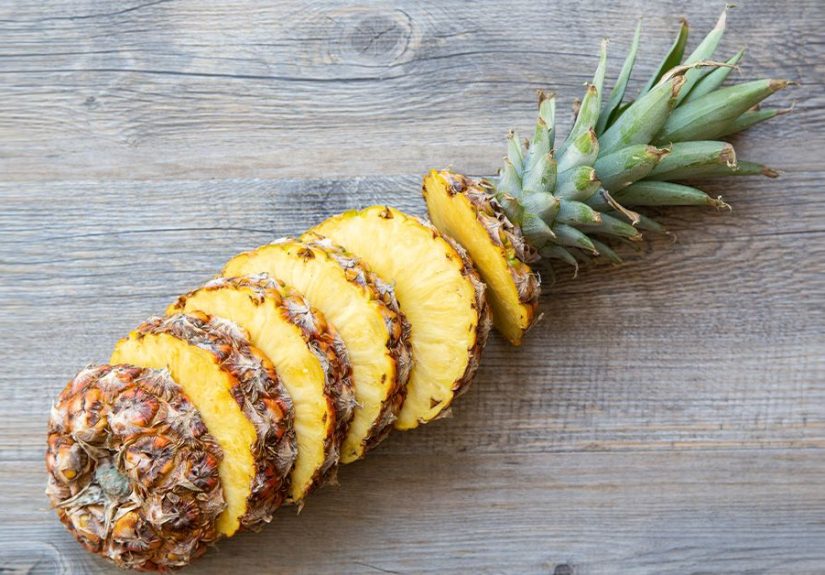
Why pineapple? It has a healthy reputation, it contains vitamin C, and it is linked to bromelain, a group of enzymes found in the pineapple plant that may have anti-inflammatory effects. That sounds promising. But before we hand a pineapple a tiny medical degree, let’s be honest: pineapple is not a cure for gout, and it is not a replacement for proper treatment. What it can do is play a supportive role inside a smart, gout-friendly eating pattern.
This article breaks down what gout is, why pineapple gets talked about so much, how it may help during flare-ups, how to use it without accidentally turning your “healthy choice” into a sugar bomb, and what really matters most when you want fewer attacks in the future.
What Gout Actually Is
Gout is a form of inflammatory arthritis caused by a buildup of uric acid in the body. When uric acid stays too high for too long, sharp crystals can form in and around joints. Those crystals are the real troublemakers. They trigger sudden, intense inflammation, which is why a flare can feel dramatic, fast, and deeply unfair.
Many people first feel gout in the big toe, but it can also affect the ankle, foot, knee, wrist, elbow, or fingers. During a flare, the joint may become swollen, warm, shiny, tender, and so painful that even a bedsheet feels rude. Between attacks, symptoms may fade, which can fool people into thinking the problem has packed up and moved out. It has not. If uric acid stays high, more flares can happen over time.
That matters because the goal is not just to survive the next painful episode. The real goal is to reduce inflammation now while also lowering the odds of future attacks.
Why People Talk About Pineapple for Gout
Pineapple contains bromelain
Bromelain is a group of enzymes found in the pineapple plant, especially in the stem and also in the fruit. It has been studied for its possible anti-inflammatory effects, which is why it often shows up in conversations about swollen joints, sports injuries, sinus problems, and post-surgical recovery. That connection is the main reason pineapple gets pulled into the gout conversation.
Here is the important reality check: most of the research around bromelain has focused on supplements, not a bowl of fresh pineapple, and the evidence is not strong enough to say bromelain is a proven treatment for gout flare-ups. So yes, pineapple enters the chat for a reason, but it does not get to run the whole meeting.
Pineapple also provides vitamin C
Pineapple is also known as a source of vitamin C, and that matters because vitamin C has been associated with lower uric acid levels in some research. That does not mean one pineapple smoothie will send your uric acid into a peaceful retirement. It does mean pineapple can fit nicely into a food pattern that supports overall gout management.
In other words, pineapple may help because it brings a few useful traits to the table: hydration-friendly food volume, vitamin C, and a reputation for supporting inflammation control. Just do not confuse “helpful food” with “medical fix.” Those are very different job descriptions.
It can be a better choice than some sugary snacks
Another reason pineapple gets attention is practical, not magical. When people with gout are trying to clean up their diet, replacing processed sweets, soda, or syrupy desserts with a reasonable serving of fresh fruit is often a smarter move. That matters because high-fructose beverages and heavily sweetened foods are strongly linked with higher uric acid and more gout trouble.
Pineapple still contains natural sugar, so portion size matters. But fresh pineapple is generally a much better idea than washing down a flare with soda and hoping for the best.
Can Pineapple Stop a Gout Flare? The Honest Answer
Not by itself. Pineapple is not a stand-alone treatment for an acute gout attack. If you are in the middle of a true flare, the most effective relief usually comes from the treatments your clinician recommends, such as anti-inflammatory medicine, colchicine, or corticosteroids. These are the heavy hitters. Pineapple is more like the supportive friend who brings water and reminds you not to make terrible decisions.
That does not make pineapple useless. It may still help in a supportive way by fitting into a low-purine, lower-sugar, hydration-conscious routine. For some people, eating pineapple during a flare feels soothing because it is easy to eat, refreshing, and part of a cleaner food pattern. But the fruit should be viewed as an assistant, not the lead physician.
If you have a first-time flare, a fever, severe swelling, or a joint that looks infected, get medical care. Not every swollen, painful joint is “just gout,” and delaying diagnosis is a terrible strategy dressed up as confidence.
How to Use Pineapple During a Gout Flare
1. Choose fresh pineapple first
The best option is plain fresh pineapple. It gives you the fruit without added syrup, extra sugar, or mystery ingredients pretending to be wellness. Aim for a modest serving, such as about 1 cup of chunks, eaten slowly rather than inhaled like you are trying to win a contest.
Fresh pineapple is usually the cleanest choice when you want the benefits of the fruit without turning your snack into dessert cosplay.
2. Pair it with water
Hydration matters in gout. If you want to use pineapple during a flare, pair it with a full glass of water. This is one of the smartest and simplest things you can do. Water supports kidney function and helps your body get rid of uric acid more effectively. Pineapple by itself is fine. Pineapple plus water is better.
A practical mini-routine could look like this: eat a small bowl of fresh pineapple, drink a large glass of water, rest the joint, and follow your prescribed flare plan. That is a much more realistic strategy than relying on fruit alone.
3. Skip pineapple juice with added sugar
This is where good intentions often go to die. Many pineapple juices, canned pineapple products, smoothies, and fruit drinks come with added sugar. Even 100% juice can be easy to overdo because it delivers a concentrated sugar load without the same chewing satisfaction you get from whole fruit.
If you want pineapple for gout support, whole fruit beats sweetened juice almost every time. If you do drink juice, keep it small, unsweetened, and occasional rather than making it your “flare-up medicine.” That title has not been earned.
4. Keep portions reasonable
More is not always better. Eating half a pineapple in one sitting may leave you with mouth irritation, stomach discomfort, and a lot of sugar all at once. A moderate portion makes more sense. Think of pineapple as one part of a supportive eating strategy, not an edible loophole.
5. Use it inside a low-purine meal pattern
Pineapple works best when the rest of your plate is not sabotaging the situation. A gout-friendlier meal pattern usually emphasizes vegetables, whole grains, legumes, low-fat dairy, nuts, seeds, and moderate amounts of lean protein. If you eat pineapple right after a dinner of organ meats, beer, and sugary dessert, the fruit is not going to perform a miracle rescue mission.
6. Be cautious with bromelain supplements
Some people go from “pineapple might help” to “I should buy the strongest bromelain supplement on the internet at 2 a.m.” Slow down. Bromelain supplements are more concentrated than the fruit itself, but they are not proven gout treatments, and supplements can cause side effects or interact with medications. If you are thinking about using bromelain in supplement form, talk to your healthcare provider first.
Simple Ways to Add Pineapple to a Gout-Friendly Routine
If you enjoy pineapple and want to use it wisely, here are some practical options:
- Fresh pineapple with plain water as a snack
- Pineapple with plain Greek yogurt or low-fat yogurt
- A smoothie made with pineapple, unsweetened yogurt, ice, and water instead of juice
- Pineapple added to oatmeal or chia pudding without extra sweetener
- Pineapple salsa over grilled chicken or tofu instead of sugary sauces
These ideas work because they keep the fruit in a balanced context. You get flavor and variety without piling on excess sugar or high-purine extras.
What to Avoid If You Want Pineapple to Actually Help
Don’t drown it in sugar
Candied pineapple, pineapple upside-down cake, syrup-packed canned fruit, and oversized juice blends may be delicious, but they are not your gout flare’s ideal roommates.
Don’t use it to justify alcohol
A pineapple cocktail is still alcohol. Fancy garnish does not cancel physiology.
Don’t ignore the rest of your diet
If your overall eating pattern is heavy on beer, liquor, soda, organ meats, red meat, and frequent high-purine seafood, pineapple alone will not compensate for that.
Don’t stop prescribed gout medicine
If your clinician has prescribed medicine for flares or long-term uric acid control, keep following that plan unless they tell you otherwise. Food is supportive. Medication is often what keeps gout from running the show.
What Actually Helps Prevent Future Gout Flare-ups
This is where the long game matters. If you want fewer flares over time, focus on the strategies that have the strongest evidence behind them:
Lower uric acid when needed
For many people, repeated gout attacks mean it is time to talk about urate-lowering treatment. This is what addresses the root issue rather than just the painful fireworks.
Drink enough water
Dehydration can make gout worse. Staying well hydrated is one of the simplest habits with real payoff.
Limit alcohol
Beer is especially notorious, but heavy alcohol use in general can raise gout risk and trigger attacks.
Cut back on sugary drinks and high-fructose foods
Soda, sweetened juices, energy drinks, and many processed foods can work against you.
Choose more low-fat dairy and plant foods
Low-fat milk, yogurt, beans, lentils, vegetables, and whole grains often fit well into a gout-conscious meal plan.
Manage weight steadily, not drastically
Gradual weight loss can help reduce uric acid and gout risk. Crash dieting, on the other hand, can backfire.
Put simply, the best gout diet is not one miracle fruit. It is a pattern.
When to Call a Doctor Instead of the Produce Aisle
See a healthcare professional if:
- You have your first suspected gout flare
- The joint is extremely red, hot, and painful
- You have fever or chills
- You cannot bear weight
- Your attacks are becoming more frequent
- You have kidney disease or kidney stone symptoms
- You are considering bromelain supplements and take regular medications
A new swollen joint can be gout, but it can also be infection or another type of arthritis. That is not something to diagnose by fruit enthusiasm alone.
Real-World Experiences: What People Often Notice When They Try Pineapple for Gout
When people start using pineapple as part of a gout-friendly routine, their experiences tend to be practical rather than dramatic. Most do not say, “I ate pineapple and my flare vanished in 20 minutes while angels sang overhead.” Real life is much less cinematic. What people often notice instead is that pineapple helps them make better choices during a flare.
For example, a person who usually reaches for soda, sports drinks, or rich comfort food might switch to a bowl of fresh pineapple and a large glass of water. That one decision can improve hydration, reduce added sugar, and feel easier on the stomach. The benefit may come less from pineapple acting like a miracle cure and more from pineapple helping the person avoid foods and drinks that make gout management harder.
Some people also report that pineapple feels refreshing when they are dealing with the fatigue and frustration that can come with a flare. Gout is not just painful; it is exhausting. The joint hurts, sleep may be lousy, and every step can feel like a negotiation. In that situation, light, cold, juicy fruit can simply feel more appealing than a heavy meal. That matters because eating reasonably well during a flare is often harder than health articles make it sound.
Another common experience is realizing that whole pineapple works better than pineapple juice. People often start with juice because it sounds convenient, then notice that it is easier to overconsume, more sugary, and less satisfying. Whole fruit usually wins because it slows things down. You chew it, you notice it, and you are less likely to turn one serving into half a carton without realizing it.
There is also the “I thought healthy meant unlimited” phase. This is a classic plot twist. Someone adds pineapple because it is fruit, then starts eating huge portions or blending it with sweetened yogurt, honey, and juice. At that point, the routine becomes less gout-friendly and more dessert with a wellness costume. A more balanced experience usually comes from moderate portions and simple pairings.
People who already follow a broader gout plan often describe pineapple as a nice supporting player, not the hero. It fits into breakfasts, snacks, and lighter meals. It can satisfy a sweet craving without pulling them toward soda or pastries. It may help them feel more consistent with a lower-purine eating pattern. But they usually notice the biggest improvements when pineapple is part of a bigger system: prescribed medication, hydration, less alcohol, fewer sugary drinks, more low-fat dairy, and better long-term uric acid control.
Some people also discover that pineapple is not perfect for them personally. A large amount may irritate the mouth, bother the stomach, or just feel too acidic. That does not mean pineapple is “bad” for gout. It simply means personal tolerance matters. A food can be generally useful and still not be everyone’s best friend.
The most realistic takeaway from real-world experience is this: pineapple may be a smart addition to a gout-conscious routine, but it usually works best as part of a larger pattern of good habits. It is the helpful teammate, not the one-person championship roster.
Final Thoughts
Pineapple can absolutely have a place in a gout-friendly diet. It brings vitamin C, natural sweetness, hydration-friendly volume, and a connection to bromelain that explains why so many people are curious about it. But the evidence does not support treating pineapple like a cure for acute gout flare-ups.
The smartest way to use pineapple for gout is simple: choose fresh fruit, keep the serving reasonable, pair it with water, avoid sugary pineapple products, and use it alongside a broader plan that includes medical treatment when needed. If you like pineapple, great. Invite it to the table. Just do not ask it to replace your clinician, your medications, or the rest of a healthy routine. That is too much pressure for one spiky fruit.