Table of Contents >> Show >> Hide
- What Is the John Pawson Damascus Steel and Ebony Handle Steak Knife?
- John Pawson’s Minimalist Design Language
- Why Damascus Steel Matters
- The Beauty of a Macassar Ebony Handle
- Craftsmanship, KAI, and the Japanese Blade Connection
- How It Performs at the Table
- Design Details That Make It Stand Out
- Who Should Buy This Knife?
- How to Care for a Damascus Steel and Ebony Handle Steak Knife
- How It Compares With Ordinary Steak Knives
- Styling It on the Table
- Experience: Living With a Knife Like This
- Conclusion
The John Pawson Damascus Steel and Ebony Handle Steak Knife is not the sort of dining tool that hides politely beside the mashed potatoes. It is quiet, yes. Minimal, absolutely. But boring? Not even close. This is a steak knife designed by John Pawson, the British architectural designer known for transforming restraint into something almost theatrical. In his world, fewer lines do not mean less personality; they mean every line had better behave.
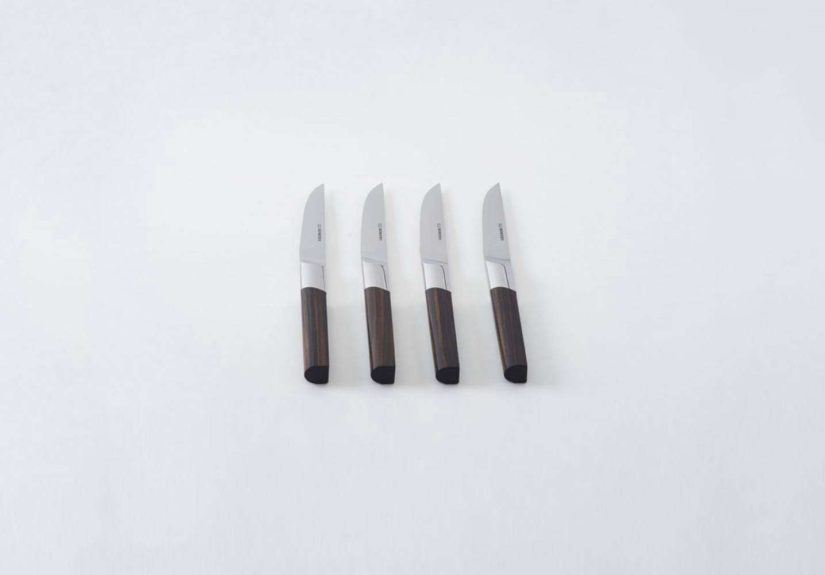
Designed in 2013 for When Objects Work, this luxury steak knife brings together a bright Damascus steel blade and a dark Macassar ebony handle in a form that feels architectural, tactile, and deeply intentional. It has the calm confidence of an object that does not need decorative fireworks because the materials are already doing the talking. The blade shows organic patterning, the handle reveals dense natural grain, and the proportions are spare enough to make a dinner table feel suddenly more composed.
At first glance, it may look like “just a knife.” Then you pick it up, notice the contrast between slender blade and substantial handle, and realize this is closer to functional sculpture. It is made for cutting steak, of course, but it also cuts through the usual clutter of tableware design. In a world full of steak knives with chunky rivets, theatrical serrations, and handles that look ready to audition for a medieval banquet, Pawson’s version whispersand somehow gets the whole room to listen.
What Is the John Pawson Damascus Steel and Ebony Handle Steak Knife?
The John Pawson Damascus Steel and Ebony Handle Steak Knife is a premium table knife created for the design company When Objects Work. It combines Damascus steel with a Macassar ebony handle, measures roughly 24 centimeters or 9.5 inches in total length, and was developed in collaboration with KAI, the Japanese blade maker associated with Seki City’s long cutlery tradition.
Its purpose is simple: to cut steak cleanly and look extraordinary while doing it. But the design does not shout “luxury” in the obvious way. There are no gold accents, no exaggerated curves, no steakhouse swagger. Instead, Pawson relies on proportion, material contrast, and refinement. The result is a knife that feels equally appropriate beside dry-aged ribeye, roasted mushrooms, or a very serious Tuesday-night pork chop.
Product listings have described the knife as sold individually, with a blade length of about 5 inches and a total length of about 9.5 inches. Earlier U.S. retail references placed it in the high-end design category, with pricing that reflected its designer pedigree, rare materials, and craft-focused production. This is not the knife you buy because you lost one in the dishwasher. This is the knife you buy because you care about how objects behave at the table.
John Pawson’s Minimalist Design Language
John Pawson is frequently associated with minimalism, but that word can be misleading if it makes you think of cold rooms, empty shelves, and furniture that looks nervous when someone sits on it. Pawson’s best work is not about removing comfort. It is about removing distraction. He focuses on space, proportion, light, material, and the quiet power of exact relationships.
That approach translates beautifully into cutlery. A steak knife is a small object, but it still has architecture. It has mass, balance, junctions, edges, surfaces, and the meeting point between hand and tool. Pawson treats those elements seriously. The knife draws on contrasts: curved and straight, matte and gloss, slender blade and weighted handle, dark wood and bright steel. These opposites are not fighting; they are having a very civilized dinner conversation.
The knife also belongs to Pawson’s broader interest in everyday objects. His cutlery designs are known for clean silhouettes and disciplined forms. They do not chase novelty for its own sake. Instead, they ask a better question: what happens when an ordinary object is refined until nothing unnecessary remains? In this steak knife, the answer is a piece that feels timeless rather than trendy.
Why Damascus Steel Matters
The blade is one of the knife’s main attractions. Damascus steel is admired for its distinctive layered or water-like surface pattern. Historically, the term referred to blades associated with wootz steel, prized for toughness, edge retention, and striking visual banding. Modern Damascus kitchen knives are usually made through pattern welding, where different steels are layered, forged, and manipulated to create unique patterns.
For buyers, the important point is this: Damascus steel is not magic glitter sprinkled on a blade. Its performance depends on the quality of the steels used, the heat treatment, the geometry, and the finishing. But when done well, it offers a rare mix of beauty and function. The pattern gives every blade a subtly individual character, so two knives can share the same design while still looking slightly different. That is part of the charm.
On the John Pawson steak knife, Damascus steel works especially well because the rest of the form is so restrained. A busier handle or more decorative silhouette would compete with the blade. Pawson gives the steel room to breathe. The pattern becomes the visual ornament, but it is ornament born from material and process rather than applied decoration. In other words, the blade dressed itself.
The Beauty of a Macassar Ebony Handle
The handle is made from Macassar ebony, a dense, dark hardwood known for dramatic striping, fine texture, and natural luster. It is the kind of wood that makes you understand why people use phrases like “rich grain” without sounding completely ridiculous. Its dark brown to nearly black tones can include lighter streaks, giving the handle visual depth without disrupting the knife’s minimal form.
Macassar ebony is also a practical choice for a luxury handle because it feels substantial in the hand. Its density gives the knife a sense of seriousness. The handle’s darker tone also balances the brighter Damascus blade, creating a pleasing contrast between warmth and precision. Where the steel feels cool and technical, the ebony feels organic and grounded.
This contrast is central to the knife’s appeal. The blade is slender, patterned, and bright. The handle is heavier, darker, and quietly textured. Together, they create a visual rhythm that feels almost architectural. The knife is not simply assembled; it is composed.
Craftsmanship, KAI, and the Japanese Blade Connection
The knife was made in collaboration with KAI, a Japanese company with roots in Seki City, one of Japan’s historic centers of blade making. KAI’s history reaches back to 1908, and Seki City has been associated with fine blades for centuries. That heritage matters because a steak knife is only as convincing as its edge. A beautiful knife that cannot cut is just a very confident letter opener.
KAI’s involvement gives the John Pawson steak knife a craft narrative that goes beyond design-world elegance. The object joins Pawson’s contemporary minimalism with Japanese blade-making knowledge. The result is a knife that feels precise rather than ornamental, disciplined rather than flashy.
This collaboration is also a smart match philosophically. Japanese blade culture often values sharpness, control, balance, and respect for material. Pawson’s design language values reduction, proportion, and clarity. Put those ideas together and you get a table knife that avoids gimmicks. It does not need a loud handle or oversized blade because the quality is in the refinement.
How It Performs at the Table
A steak knife should cut cleanly without tearing the meat into sad little fibers. The John Pawson Damascus Steel and Ebony Handle Steak Knife is designed as a refined dining tool, not a rugged camp knife or a heavy carving blade. Its slender blade makes it feel elegant and controlled. The handle adds enough presence to make the knife comfortable and stable.
For steak, this matters. A good steak knife should glide through a seared crust and tender interior with minimal effort. If you have ever used a dull restaurant knife that saws through ribeye like it is negotiating a mortgage, you know how much a sharp knife improves dinner. Clean cutting preserves texture, presentation, and the tiny bit of dignity left after someone asks for ketchup with filet mignon.
The Pawson knife is best understood as a table knife for people who care about the dining ritual. It is not only about cutting meat. It is about how the object feels when lifted, how it rests beside a plate, how it catches light, and how it makes the table setting feel intentional. It turns the small act of slicing into something more graceful.
Design Details That Make It Stand Out
1. Material Contrast
The dark Macassar ebony and bright Damascus steel create immediate visual tension. The contrast is strong but not loud, which is very Pawson. Think black-tie dinner, not fireworks display.
2. Minimal Silhouette
The form is stripped down and balanced. There are no unnecessary flourishes, which allows the quality of the materials to become the main visual story.
3. Organic Blade Pattern
The Damascus pattern prevents the knife from feeling sterile. Each blade has movement and individuality, like a tiny storm cloud trapped in steel.
4. Architectural Balance
The relationship between handle heft and blade slenderness is carefully judged. It feels like a small-scale study in proportion, which is exactly what makes it interesting.
5. Table Presence
This knife elevates a place setting without looking overdesigned. It pairs well with white plates, stoneware, linen napkins, wood tables, and modern interiors where “less is more” does not mean “dinner is canceled.”
Who Should Buy This Knife?
The John Pawson Damascus Steel and Ebony Handle Steak Knife is ideal for design collectors, architecture enthusiasts, serious home entertainers, and anyone building a table setting with long-term value in mind. It is also a compelling gift for people who appreciate objects that combine craftsmanship and restraint.
It is probably not the right choice for someone who wants a low-maintenance set of dishwasher-safe steak knives for weekly backyard barbecues. This knife asks for a little respect. It should be hand-washed, dried immediately, and stored carefully. If your household has a mysterious drawer where good knives go to collide with pizza cutters and measuring spoons, this piece deserves witness protection.
For the right owner, however, it offers something mass-market steak knives rarely provide: a sense of intimacy. You notice the handle. You notice the blade. You notice the act of cutting. That awareness is part of the pleasure.
How to Care for a Damascus Steel and Ebony Handle Steak Knife
Care is straightforward, but it should be consistent. Wash the knife by hand with mild soap and warm water. Avoid abrasive sponges, harsh detergents, soaking, and the dishwasher. Dishwashers are especially unkind to fine knives because heat, water pressure, detergent, and contact with other utensils can damage both blade and handle.
After washing, dry the knife immediately with a soft towel. This helps prevent water spots and reduces the risk of corrosion, especially if the Damascus blade contains high-carbon steel layers. For some Damascus blades, occasional food-safe mineral oil can help protect the surface. The ebony handle may also benefit from thoughtful care, depending on the finish and use conditions. A dry wooden handle should never be left wet or exposed to extreme temperature changes.
Storage matters as well. Use a dedicated knife tray, protective sleeve, display box, or safe slot that keeps the blade from knocking against other utensils. A premium steak knife should not have to fight a vegetable peeler for survival.
How It Compares With Ordinary Steak Knives
Most steak knives fall into two broad categories: utilitarian and decorative. Utilitarian knives focus on function, often with stainless steel blades and synthetic handles. Decorative knives may use colorful handles, rustic shapes, or brand heritage to stand out. The Pawson knife occupies a more refined space. It is functional, but its function is filtered through architectural minimalism and luxury materials.
Compared with serrated steak knives, a fine straight-edged knife can feel smoother and more precise when properly maintained. Serrated knives are forgiving because they keep sawing even when dull, but they can tear meat rather than slice it cleanly. A sharp plain edge feels more elegant, though it requires occasional maintenance.
Compared with casual stainless sets, the Pawson knife is more expensive and more demanding. But it also offers a richer material experience. The ebony handle feels warmer and more personal than steel or plastic. The Damascus blade gives visual depth. The overall design feels like something chosen, not merely purchased.
Styling It on the Table
This knife looks best when the table setting gives it room. Pair it with simple plates, natural linen, matte ceramics, clear glassware, and understated flatware. It also works beautifully on wood, stone, or dark tabletops where the ebony handle can echo the surrounding tones.
For a modern dinner, use it with charcoal napkins and white stoneware. For a warmer setting, pair it with walnut boards, cream plates, and low candlelight. For a more dramatic mood, place it beside black ceramic plates and polished glassware. The knife adapts easily because its design is quiet, but it never disappears.
It also makes a strong single-place-setting statement. While many people buy steak knives in sets, a single designer knife can be used as a collector’s piece, a special-occasion tool, or a gift for someone who enjoys cooking and design. It is the sort of object that starts conversations without needing to perform circus tricks.
Experience: Living With a Knife Like This
Using the John Pawson Damascus Steel and Ebony Handle Steak Knife is less like grabbing a tool and more like joining a small ritual. The first thing you notice is the visual calm. It does not sparkle in a loud way. It simply sits beside the plate with confidence. The ebony handle gives the knife a grounded presence, while the Damascus blade catches light in soft, shifting patterns. Before dinner even begins, it suggests that someone cared about the details.
The first cut is where the experience becomes practical. A well-designed steak knife changes the mood of a meal because it removes friction. You are not wrestling with the food. You are not pressing down awkwardly while pretending everything is fine. The blade moves with control, and that control makes the meal feel more polished. Even a simple grilled steak feels more intentional when the knife is balanced and sharp.
There is also a surprising emotional pleasure in the handle. Macassar ebony has a density and smoothness that makes ordinary handles feel a little anonymous by comparison. It has enough visual grain to remind you it came from nature, but the finish and form keep it refined. In hand, it feels warm, steady, and substantial. That matters because dining is sensory. Taste gets the headlines, but touch, sound, weight, and sight are all at the table too.
Over time, a knife like this encourages better habits. You do not toss it in the sink and forget about it. You wash it, dry it, and put it away. That may sound fussy, but it actually adds a pleasant rhythm after dinner. Caring for a good object reminds you that not everything in the kitchen needs to be disposable, replaceable, or treated like it came free with a toaster. Some things are better when they ask for attention.
It also changes how guests respond to a meal. People may not immediately know the designer or the material, but they notice the object. Someone picks it up and pauses. Someone asks about the blade pattern. Someone runs a thumb carefully along the handlenot the edge, please, we are civilizedand comments on the weight. The knife becomes a bridge between food, design, and conversation.
The best experience related to the John Pawson Damascus Steel and Ebony Handle Steak Knife is not about showing off. It is about slowing down. It makes a steak dinner feel less like consumption and more like composition: plate, food, glass, linen, hand, blade. Everything has its place. Pawson’s genius is that he can make an everyday object feel deeply considered without making it precious to the point of uselessness.
That is why this knife is memorable. It does not rely on novelty. It relies on proportion, craft, and the quiet drama of excellent materials. It is a reminder that luxury does not always need to be loud. Sometimes luxury is a dark ebony handle, a patterned steel blade, a clean cut through a perfectly rested steak, and the tiny satisfaction of knowing the table got the details right.
Conclusion
The John Pawson Damascus Steel and Ebony Handle Steak Knife is a rare example of tableware that succeeds as both tool and design object. Its Damascus steel blade brings visual movement and cutting performance, while the Macassar ebony handle adds warmth, weight, and natural elegance. The knife reflects Pawson’s minimalist philosophy: reduce the unnecessary, refine the essential, and let materials speak clearly.
For everyday practicality, it requires more care than a basic stainless steel steak knife. For design lovers, collectors, and thoughtful hosts, that care is part of the appeal. This is not just a knife for cutting steak. It is a knife for elevating the entire experience around the plate. Quiet, precise, and beautifully composed, it proves that even the smallest object at dinner can have architectural presence.