Table of Contents >> Show >> Hide
- Why Humira Still Feels Expensive in 2025
- What Is Humira?
- How Much Does Humira Cost Without Insurance in 2025?
- Humira Savings Card: Who May Qualify?
- Patient Assistance for Uninsured or Underinsured Patients
- Medicare and Humira Cost in 2025
- Biosimilars: The Biggest Humira Savings Story
- How Much Can Biosimilars Save?
- Insurance Formularies Are Changing
- Practical Ways to Save on Humira in 2025
- Humira Cost Examples in 2025
- What Patients Should Ask Before Filling Humira
- Experiences Related to Humira Cost 2025: Savings and More
- Conclusion
Note: This article is for educational and pricing-navigation purposes only. Humira, adalimumab biosimilars, and insurance coverage decisions should always be discussed with a licensed healthcare professional, pharmacist, or insurance plan representative.
Why Humira Still Feels Expensive in 2025
Humira cost in 2025 remains one of the most searched medication-price topics in the United States, and for good reason: Humira is not a $12 bottle of allergy tablets sitting politely on a pharmacy shelf. It is a biologic medicine used for several inflammatory autoimmune conditions, and biologics often come with specialty-drug pricing, insurance rules, prior authorizations, and a paperwork trail long enough to make a printer nervous.
For many common Humira 40 mg two-pen or two-syringe packs, the U.S. list price has been around the high-$6,000 range for a four-week supply, although the exact amount can vary by product form, dose, pharmacy, plan, and date. GoodRx reported a January 2025 list price of about $6,923 for a four-week supply, and AbbVie’s later public wholesale acquisition cost listing showed common 40 mg two-pack Humira products at $6,922.62. List price is not the same as what every patient pays, but it explains why Humira can feel financially intimidating before insurance and savings options enter the chat.
The better news is that 2025 is not 2015. Humira now faces biosimilar competition, Medicare Part D has a major out-of-pocket cap, and more insurers are pushing patients toward lower-cost adalimumab alternatives. In plain English: the sticker price may still be scary, but the savings landscape has changed.
What Is Humira?
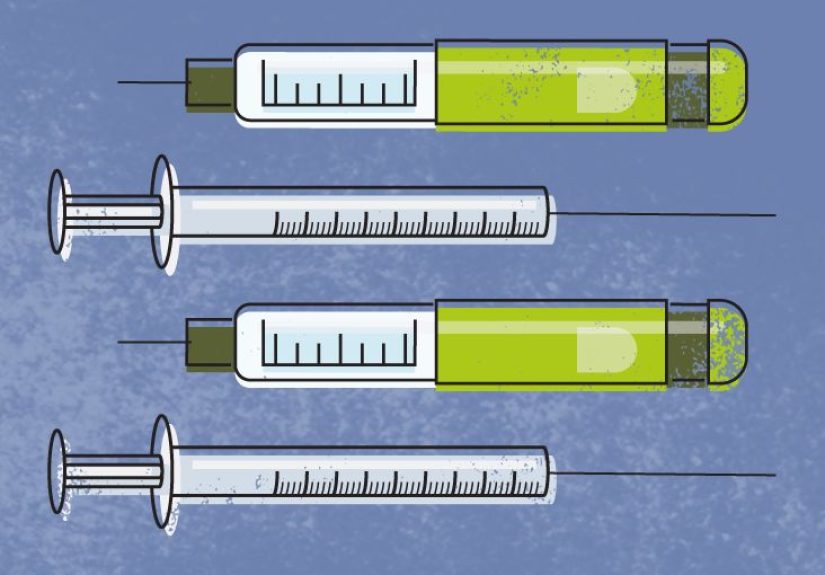
Humira is the brand name for adalimumab, a tumor necrosis factor blocker, often called a TNF blocker. Doctors prescribe it for conditions such as rheumatoid arthritis, psoriatic arthritis, ankylosing spondylitis, Crohn’s disease, ulcerative colitis, plaque psoriasis, hidradenitis suppurativa, uveitis, and certain juvenile inflammatory conditions. It is injected under the skin, commonly using a prefilled pen or syringe.
Because Humira works by affecting immune-system activity, cost should never be the only factor in treatment decisions. The official labeling includes a boxed warning about serious infections and malignancy risk, and patients should not start, stop, switch, or stretch doses without medical guidance. Saving money is great; accidentally turning your immune system into a poorly supervised group project is not.
How Much Does Humira Cost Without Insurance in 2025?
Without insurance, Humira can cost thousands of dollars per month. A typical four-week supply may be listed around $6,900, while some dosing schedules, starter packs, or higher-dose packages can cost more. Drugs.com notes that Humira may cost roughly $7,000 to $13,000 for a one-month supply without insurance, depending on the product, pharmacy, discounts, and eligibility for assistance.
That does not mean every patient pays the list price. In the U.S., prescription drug pricing works like a badly written mystery novel: there is a list price, a negotiated insurance price, a formulary tier, possible rebates, a deductible, coinsurance, copay cards, patient assistance programs, and sometimes a specialty pharmacy that calls you from a number your phone labels “Potential Spam.” The final patient cost depends on how all those pieces fit together.
Common factors that affect Humira cost
- Insurance type: Commercial insurance, Medicare, Medicaid, marketplace plans, and no insurance all work differently.
- Formulary status: Your plan may prefer Humira, a specific biosimilar, or a private-label biosimilar.
- Deductible: Early in the year, patients may pay more until the deductible is met.
- Copay vs. coinsurance: A flat copay is easier to predict than a percentage of a high specialty-drug price.
- Dose and product form: Starter packs, maintenance doses, citrate-free versions, pens, and syringes may be priced differently.
- Pharmacy network: Many plans require specialty pharmacies for biologic drugs.
- Savings eligibility: Manufacturer copay cards usually exclude government insurance programs.
Humira Savings Card: Who May Qualify?
The Humira Complete Savings Card is one of the best-known savings options for eligible patients with commercial insurance. AbbVie states that eligible commercially insured patients may be able to get Humira for as little as $0 per month, subject to terms and conditions. This offer is not generally available to patients using Medicare, Medicaid, VA, DoD, TRICARE, or other government-funded insurance programs.
For someone with employer-sponsored insurance, the savings card may dramatically reduce the pharmacy counter shock. For example, a patient whose plan approves Humira but assigns a high specialty copay might use the savings card to lower out-of-pocket costs, depending on annual program limits and plan rules. However, some insurance plans use copay accumulator or maximizer programs, which can change how manufacturer assistance counts toward deductibles. Translation: read the fine print before celebrating with a victory latte.
Patient Assistance for Uninsured or Underinsured Patients
Patients without insurance, or with limited coverage, may be eligible for myAbbVie Assist, AbbVie’s patient assistance program. AbbVie says qualifying U.S. patients may receive certain medicines at no cost through the program, depending on eligibility, coverage status, and income criteria.
This option is especially important for people who are uninsured or stuck in coverage gaps. The application may require income documentation, prescription information, and healthcare provider participation. It is not instant magic, but for qualified patients it can be the difference between abandoning treatment and staying on therapy.
Medicare and Humira Cost in 2025
For Medicare beneficiaries, 2025 brought a major change: Medicare Part D out-of-pocket costs for covered prescription drugs are capped at $2,000 for the year. CMS announced that the 2025 Part D redesign limits covered prescription drug out-of-pocket spending to no more than $2,000, and Medicare also offers the Medicare Prescription Payment Plan to spread out-of-pocket drug costs across the calendar year.
This cap can be a big deal for people taking Humira or an adalimumab biosimilar under Part D, because specialty drugs can otherwise cause very high early-year expenses. Still, the $2,000 cap applies only to covered Part D drugs. If your plan does not cover Humira, requires a biosimilar first, or demands prior authorization, the cap does not magically unlock the prescription. Coverage rules still matter.
Extra Help may reduce Medicare drug costs further
Medicare beneficiaries with limited income and resources should check whether they qualify for Extra Help, also called the Low-Income Subsidy. The Social Security Administration explains that Extra Help assists with Medicare Part D costs such as deductibles and copays, and people can apply before or after enrolling in Part D.
For a patient using Humira, Extra Help may be more valuable than coupon hunting because manufacturer copay cards usually do not apply to Medicare. If the choice is between guessing and applying, apply.
Biosimilars: The Biggest Humira Savings Story
The biggest reason Humira cost conversations changed in 2025 is biosimilar competition. A biosimilar is a biologic product that is highly similar to an FDA-approved reference product, with no clinically meaningful differences in safety, purity, and potency. The FDA states that biosimilar approvals can increase treatment options and potentially lower costs.
Adalimumab biosimilars include products such as Amjevita, Cyltezo, Hyrimoz, Hadlima, Hulio, Abrilada, Yuflyma, Yusimry, Idacio, and Simlandi, though availability and insurance preference vary. In 2025, more adalimumab biosimilars gained interchangeable status, which can make substitution easier under state pharmacy laws and plan rules. The Rheumatologist reported that several adalimumab biosimilars were interchangeable with Humira by 2025, including Yuflyma after its April 2025 designation.
Are biosimilars the same as generics?
Not exactly. A generic drug is an identical copy of a small-molecule medication. A biosimilar is not described as identical because biologics are made from living systems and are more complex. But FDA-approved biosimilars must meet strict standards. For patients, the practical question is usually: “Will my doctor, insurance plan, and pharmacy allow or prefer this product?”
How Much Can Biosimilars Save?
Potential savings can be substantial, but they are not uniform. Some adalimumab biosimilars entered the market with lower list prices, while others launched with higher list prices designed to work within rebate-driven insurance systems. Cost Plus Drugs, for example, has listed adalimumab-aacf at $618.75 for a 40 mg/0.8 mL prefilled syringe kit, while other reports have described additional adalimumab biosimilar options in the hundreds rather than thousands of dollars per two-pack.
That sounds simple, but U.S. pharmacy benefit design rarely wins awards for simplicity. A lower cash price may help an uninsured patient or someone using a pharmacy discount route, but an insured patient may be required to use the plan’s preferred biosimilar. The “cheapest” option on paper is not always the cheapest option at your pharmacy counter.
Insurance Formularies Are Changing
In 2024 and 2025, major pharmacy benefit managers increasingly moved away from brand-name Humira on certain formularies and toward biosimilars. CVS Caremark announced that, effective April 1, 2024, Humira would be removed from major national commercial template formularies while biosimilars would be covered. Reuters also reported that Cigna and UnitedHealth planned to remove Humira from some preferred reimbursement lists in 2025 and recommend cheaper biosimilar versions instead.
This is why one patient may say, “My Humira copay is $5,” while another says, “My plan stopped covering it unless I try a biosimilar first.” Both can be telling the truth. The answer depends on the plan, the employer, the PBM, the diagnosis, the prescriber’s documentation, and whether prior authorization has been approved.
Practical Ways to Save on Humira in 2025
1. Ask your prescriber about biosimilars
Ask whether an adalimumab biosimilar is medically appropriate for your condition and dosing schedule. Do not switch on your own, but do ask directly. A simple question such as, “Is my insurance-preferred biosimilar clinically appropriate for me?” can start a useful conversation.
2. Confirm your plan’s preferred product
Call the number on your insurance card and ask: “Which adalimumab product is preferred on my formulary in 2025?” Also ask whether Humira requires prior authorization, step therapy, or specialty pharmacy fulfillment. Write down the representative’s name, date, and reference number. Future you will be grateful.
3. Check the Humira Complete Savings Card
If you have commercial insurance, check whether the manufacturer savings card applies. Make sure you understand annual maximums and whether your plan uses an accumulator adjustment program.
4. Look into patient assistance
If you are uninsured or underinsured, review myAbbVie Assist eligibility. If you are on Medicare, check Extra Help first because government insurance rules usually limit manufacturer coupon use.
5. Compare pharmacy routes carefully
Specialty pharmacy pricing, discount pharmacies, biosimilar cash prices, and insurance-preferred options may differ. Before paying cash, confirm whether the purchase will count toward your insurance deductible or Medicare Part D out-of-pocket cap. Sometimes a lower cash price saves money today but does not help you meet plan limits.
6. Appeal when medically necessary
If your insurer denies Humira or requires a biosimilar and your doctor believes brand Humira is medically necessary, ask about an appeal or exception request. Documentation matters: diagnosis, prior treatment history, adverse reactions, disease control, and medical rationale can all affect the outcome.
Humira Cost Examples in 2025
Example 1: Commercial insurance with savings card. Maria has employer-sponsored insurance. Her plan covers Humira after prior authorization, and she qualifies for the savings card. Her out-of-pocket cost may fall dramatically, possibly to a very low monthly amount, depending on program limits and plan design.
Example 2: Medicare Part D user. Robert takes an adalimumab product covered by his Part D plan. His early-year costs may still feel heavy, but once he reaches the 2025 $2,000 out-of-pocket cap for covered Part D drugs, he should not pay additional out-of-pocket costs for covered Part D prescriptions for the rest of the year. He may also use the Medicare Prescription Payment Plan to spread payments, though this does not reduce total cost.
Example 3: Uninsured patient comparing options. Tanya does not have insurance. Brand Humira’s list price is overwhelming, so her clinic helps her apply for patient assistance and also asks whether a lower-cost adalimumab biosimilar is clinically appropriate. This two-track approach gives her more than one possible path.
What Patients Should Ask Before Filling Humira
- Is Humira or an adalimumab biosimilar preferred by my insurance plan?
- Do I need prior authorization?
- Will my prescription be filled through a specialty pharmacy?
- Can I use a manufacturer savings card?
- Does my plan use a copay accumulator or maximizer?
- If I am on Medicare, how close am I to the Part D out-of-pocket cap?
- Would Extra Help, Medicaid, or patient assistance apply to me?
- What should I do if the pharmacy says the prescription is denied?
Experiences Related to Humira Cost 2025: Savings and More
Many patients describe Humira cost as less of a single price and more of a monthly adventure, like opening a mystery box where the prize is either “manageable copay” or “please call seven departments.” The experience often begins at the doctor’s office, where the treatment decision feels clinical and straightforward. Then the prescription enters the insurance system, and suddenly the patient learns new vocabulary: prior authorization, formulary exception, specialty tier, copay accumulator, biosimilar preference, and “your call is important to us.”
A common experience in 2025 is the surprise biosimilar conversation. Someone who has taken Humira for years may receive a letter saying their plan now prefers a biosimilar. At first, this can feel alarming. Patients may worry the new product is weaker, experimental, or being chosen only because it is cheaper. A good clinician can help explain that FDA-approved biosimilars must meet rigorous standards, and that many switches are driven by both cost and expanding evidence. Still, the emotional side matters. When a medication helps keep pain, gut symptoms, skin flares, or eye inflammation under control, change can feel personal.
Another frequent experience is the “January cost spike.” Patients with deductibles often see higher costs early in the year. Even with insurance, specialty medications can trigger sticker shock before deductibles are met. For Medicare beneficiaries in 2025, the $2,000 Part D cap can provide meaningful relief, but some people may still face front-loaded costs unless they opt into the Medicare Prescription Payment Plan. That payment plan can smooth expenses across the year, which may help household budgeting, even though it does not lower the total amount owed.
Commercially insured patients often have a different experience. Some may pay very little with the Humira Complete Savings Card, while others discover that their plan structure limits how much the savings card helps them. The frustrating part is that two people taking the same medication at the same dose can pay very different amounts because their employers chose different benefit designs. This is why comparing stories online can be helpful emotionally but confusing financially.
Uninsured and underinsured patients often face the steepest climb. For them, the best experience usually comes from asking for help early. Clinic staff, specialty pharmacies, manufacturer support programs, nonprofit foundations, and social workers may know routes that patients would not find on their own. The paperwork can be annoying, but it is often worth completing. One practical tip: keep a folder with your insurance card, denial letters, income documents, prescription details, prior authorization approvals, and assistance program forms. It is not glamorous, but neither is paying thousands because one fax vanished into the medical-office Bermuda Triangle.
The most important real-world lesson is this: do not assume the first quoted price is the final answer. Ask questions, request alternatives, verify coverage, and involve your prescriber. In 2025, Humira cost is still high, but savings options are more varied than ever. The patients who save the most are often not the lucky ones; they are the ones who keep asking, documenting, appealing, and checking whether a biosimilar or assistance program fits their situation.
Conclusion
Humira cost in 2025 can still be expensive, especially for uninsured patients or people facing specialty-drug deductibles. However, the savings picture is more hopeful than the list price suggests. Commercially insured patients may qualify for the Humira Complete Savings Card, uninsured or underinsured patients may explore myAbbVie Assist, Medicare beneficiaries benefit from the 2025 Part D out-of-pocket cap for covered drugs, and adalimumab biosimilars are creating more competition in a market that badly needed it.
The smartest strategy is not to guess. Confirm your plan’s preferred product, ask about biosimilars, check assistance programs, and work with your doctor before switching medications. Humira may still be a big-ticket biologic, but in 2025, patients have more savings doors to knock onand a few of them may actually open.