Table of Contents >> Show >> Hide
- What Is a Fire & Water Bowl?
- Why Fire and Water Work So Well Together
- Popular Fire & Water Bowl Materials
- Design Styles: From Subtle Glow to Full Resort Drama
- Fuel Options: Natural Gas vs. Propane
- Ignition and Controls
- Where to Place a Fire & Water Bowl
- Safety Considerations Every Homeowner Should Respect
- Water Flow, Sound, and Splash Control
- Maintenance: Keeping the Bowl Beautiful
- Common Mistakes to Avoid
- Is a Fire & Water Bowl Worth It?
- Real-World Experiences With Fire & Water Bowls
- Conclusion
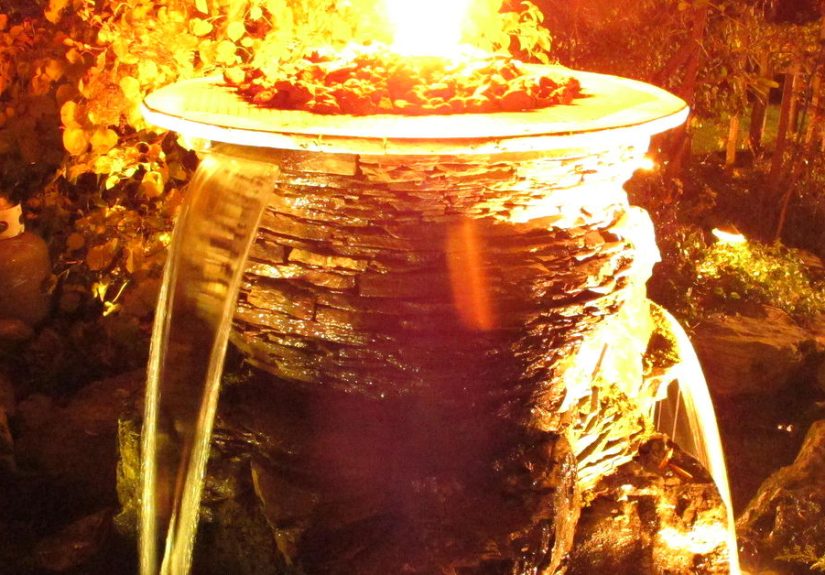
A fire & water bowl is what happens when your backyard decides it is done being “just a backyard” and applies for a luxury resort job. It combines a gas flame with a flowing water feature, usually placed near a swimming pool, spa, patio, or raised landscape wall. The result is simple but dramatic: fire dances above the bowl while water spills from the front, around the edges, or through a sculptural scupper into the pool below.
At first glance, a fire and water bowl looks like pure theater. And yes, it is very good at theater. But behind the glow and splash is a carefully planned outdoor feature involving fuel type, drainage, water flow, materials, wind exposure, building codes, and maintenance. In other words, it is not just a pretty bowl with a personality disorder. It is a design element, a mechanical feature, and a safety-sensitive appliance all in one.
Whether you are planning a new pool, upgrading an existing outdoor living area, or simply trying to understand why everyone on design shows suddenly has flames near water, this guide breaks down what a fire & water bowl is, how it works, where it belongs, what materials matter, and how to make it look intentional instead of “someone got ambitious at the home-improvement store.”
What Is a Fire & Water Bowl?
A fire & water bowl is an outdoor decorative feature that combines two elements in one structure: a gas-powered fire feature and a water-spilling fountain. Most are installed near pools, spas, reflecting pools, patios, courtyards, or outdoor kitchens. The bowl typically contains a burner assembly, decorative media such as lava rock or fire-rated stone, and a water channel or spillway that sends a sheet or stream of water into the pool or basin below.
The key visual trick is contrast. Fire provides movement, warmth, light, and drama. Water provides sound, reflection, softness, and motion. Put them together, and the backyard suddenly feels less like a place to store pool noodles and more like a space where people might say things like, “Let’s have dinner outside tonight.”
Common styles include round bowls, square bowls, low-profile basin shapes, tall urn-like forms, and wide linear bowls. Some models use a single front spillway, while others create a 360-degree overflow effect where water cascades evenly around the bowl. The right choice depends on the pool shape, surrounding architecture, budget, and how dramatic you want the backyard to feel after sunset.
Why Fire and Water Work So Well Together
Fire and water are opposites, which is exactly why they look so good together. Fire grabs attention. Water calms it down. Fire adds height and energy. Water adds sound and flow. In design terms, a fire & water bowl creates a focal point without needing a giant statue, oversized fountain, or mysterious modern sculpture that makes guests ask, “Is that art or plumbing?”
For pools, fire & water bowls are especially effective because water reflects flame. At night, the light bounces across the pool surface, creating a layered effect that standard landscape lighting cannot quite match. During the day, the bowl still works as a sculptural water feature. That dual-purpose appeal is one reason homeowners, pool builders, and landscape designers often use fire and water bowls in high-end outdoor spaces.
They Add Structure to Open Outdoor Areas
A large pool deck can feel empty without visual anchors. Fire & water bowls solve that problem by framing the pool, marking corners, emphasizing a raised wall, or creating symmetry. Two matching bowls at the far end of a rectangular pool can make the whole layout feel balanced and intentional. One bowl tucked into a rock waterfall can create a more natural, resort-style effect.
They Extend Evening Use
A pool may be the star during the day, but fire features take over at night. A fire & water bowl adds glow, movement, and a sense of warmth even when no one is swimming. It makes patios feel inviting after dinner and gives the outdoor area a reason to exist beyond sunscreen hours.
Popular Fire & Water Bowl Materials
Material choice affects appearance, durability, maintenance, weight, and price. Since a fire & water bowl deals with heat, moisture, outdoor weather, minerals, and sometimes pool chemistry, this is not the place for flimsy materials. The bowl needs to look good and survive the awkward relationship between flame and water.
GFRC Concrete
GFRC, or glass fiber reinforced concrete, is one of the most common materials for modern fire and water bowls. It offers the look of solid concrete without the same extreme weight. GFRC can be molded into round, square, geometric, rustic, or contemporary shapes, and it is often available in multiple finishes. It works well for homeowners who want a substantial architectural look without installing something that requires a small crane and a prayer.
Copper
Copper fire & water bowls have a warm, classic appearance that pairs beautifully with Mediterranean, tropical, rustic, and resort-style landscapes. Hammered copper is especially popular because it catches light well and hides minor visual imperfections better than a perfectly smooth surface. Over time, copper can develop a patina, which many homeowners love. If you want every outdoor element to remain factory-shiny forever, copper may test your commitment to natural aging.
Stainless Steel
Stainless steel suits contemporary and coastal designs. It has a clean, crisp look and can pair well with glass tile, porcelain pavers, modern pool coping, and minimalist architecture. Marine-grade stainless steel is often chosen where moisture exposure is a major concern. Like all materials, it still needs appropriate care, but it delivers a polished, modern effect.
Powder-Coated Metal
Powder-coated finishes allow homeowners to match a fire & water bowl to a broader color palette. Black, white, gray, bronze, and custom tones can help the bowl blend into the architecture rather than shout for attention. This is useful for modern homes where every detail has been carefully selected and nobody wants the bowl to arrive looking like it wandered in from a different backyard.
Design Styles: From Subtle Glow to Full Resort Drama
There is no single “correct” fire & water bowl style. The best choice depends on how the feature supports the overall outdoor design. A formal pool may need symmetry. A natural lagoon pool may need an organic shape. A modern courtyard may need a low, square bowl with clean lines and a controlled water sheet.
Symmetrical Poolside Bowls
Symmetry is the classic move. Place two matching bowls on columns, pilasters, or a raised bond beam at the far edge of the pool, and the entire space instantly looks more finished. This approach works especially well with rectangular pools, straight coping lines, and formal landscaping. It creates that “boutique hotel at sunset” feeling without requiring a concierge desk near the barbecue.
Single Statement Bowl
A single fire & water bowl can be just as effective when placed strategically. It might sit at the corner of a spa, at the end of a reflecting pool, or beside a seating area where the flame is visible from multiple angles. The trick is to give it enough visual importance. A lonely bowl dropped randomly on a deck can feel like an expensive afterthought. A bowl integrated into a wall, planter, or pool edge feels designed.
360-Degree Spill Bowls
A 360-degree spill bowl allows water to cascade around the entire edge. This creates a floating, sculptural effect and works beautifully where the bowl can be viewed from several sides. It is more visually active than a single scupper design and can look spectacular at night when firelight reflects off the water.
Wide Spillway Bowls
A wide spillway sends a broad sheet of water into the pool. This style emphasizes sound and movement. It is a good choice when you want the water feature to feel calm, continuous, and architectural rather than splashy or fountain-like.
Fuel Options: Natural Gas vs. Propane
Most fire & water bowls use natural gas or propane. Natural gas is convenient for permanent installations because it connects to a fixed gas line. Once installed correctly, there is no need to replace tanks. Propane can be useful where natural gas is unavailable, but it requires proper storage, ventilation, and code-compliant installation.
The fuel decision should be made early in the design process. It affects burner selection, gas line sizing, ignition systems, controls, and installation cost. It is also one of the reasons fire & water bowls should be planned with qualified pool builders, plumbers, gas professionals, electricians, or licensed contractors. This is not the ideal weekend project for someone whose main qualification is owning a confident-looking wrench.
Ignition and Controls
Fire & water bowls can be operated manually or through automated systems. Manual systems may use a key valve and match-lit ignition, depending on the product and local code. Automated systems use electronic ignition and may integrate with pool automation, smartphone controls, timers, or outdoor scene presets.
Automation is especially convenient when multiple bowls are installed. Instead of walking around the pool turning each one on individually, homeowners can activate the water flow, fire, landscape lights, and pool lights together. That is the kind of small luxury that feels unnecessary until you have it, and then suddenly walking outside to flip switches feels like churning butter.
Safety features matter. Flame-sensing systems, proper shutoff controls, certified burner assemblies, and code-compliant installation all help reduce risk. If wind, water, or another issue causes the flame to go out, a properly designed system should not continue releasing gas unchecked.
Where to Place a Fire & Water Bowl
Placement is part design decision, part safety decision, and part common sense. A fire & water bowl should be visible, balanced, accessible for maintenance, and located away from combustible materials, overhead obstructions, heavy wind tunnels, and crowded walkways.
Raised Pool Walls
Raised pool walls are one of the most popular locations. The bowl sits above the pool, water spills downward, and the flame remains visible from the patio, pool, and interior of the home. This placement also keeps the feature out of the main walking path.
Pool Corners
Corner placement works well for pairs. It defines the pool shape and creates a strong visual endpoint. For rectangular pools, this can be especially elegant. For freeform pools, corners are less obvious, so the placement should follow the natural curve and sightlines.
Near Spas
A fire & water bowl near a spa adds atmosphere and reinforces the idea of relaxation. The warmth of the flame and the sound of moving water pair well with spa seating. Just make sure the feature is not placed where people will climb, lean, or accidentally treat it like a drink table. It is not a drink table. It is literally on fire.
Outdoor Living Zones
Fire & water bowls can also work near patios, dining areas, or lounge spaces. In these settings, the water may spill into a basin rather than a swimming pool. The feature becomes part of the outdoor room, adding sound and glow without requiring a full pool remodel.
Safety Considerations Every Homeowner Should Respect
A fire & water bowl is beautiful, but it is still an outdoor gas appliance with an open flame. That means safety is not optional. Always follow manufacturer instructions, local codes, and professional guidance. Local requirements can vary depending on fuel type, property layout, permits, and regional fire rules.
Important safety planning includes proper clearances, non-combustible surfaces, secure gas connections, adequate ventilation, safe access to shutoff valves, and distance from furniture, plants, umbrellas, curtains, pergolas, and roof overhangs. Children and pets should be supervised around active fire features, and flames should never be left unattended.
Wind is another major factor. A bowl placed in a windy corridor may have an uneven flame, excessive heat movement, or ignition problems. Designers often study prevailing wind direction before finalizing placement. This is less glamorous than choosing finishes, but it prevents your elegant fire feature from behaving like a tiny dragon with boundary issues.
Water Flow, Sound, and Splash Control
The water side of the feature deserves just as much attention as the fire side. Water flow affects sound, appearance, evaporation, splash, and comfort. Too little water can look weak. Too much water can splash onto coping, furniture, or people who did not volunteer for a surprise mist treatment.
A narrow scupper creates a more focused stream. A wide spillway creates a sheet-like effect. A 360-degree overflow produces continuous movement around the bowl. The right option depends on the height of the bowl, distance to the pool surface, surrounding tile, and desired sound level.
In quiet courtyards, even a modest water flow can feel soothing. Near a busy outdoor kitchen or large entertainment area, a stronger water sound may be welcome. However, louder is not always better. A waterfall that roars through dinner conversation may make guests feel like they are eating beside a decorative airport runway.
Maintenance: Keeping the Bowl Beautiful
Fire & water bowls are not maintenance-free, but routine care is manageable when the system is installed correctly. Leaves, pollen, insects, soot, mineral deposits, and pool chemistry can all affect appearance and performance over time.
Basic maintenance includes removing debris from the bowl, checking the water path for clogs, keeping burner media arranged according to manufacturer instructions, wiping surfaces as recommended, and inspecting for scale buildup near the spillway. Gas components, ignition systems, and water lines should be inspected by qualified professionals as part of seasonal pool or outdoor living maintenance.
In colder climates, winterization is important. Water left in lines or bowls can freeze, expand, and damage components. Covers may help protect the bowl when it is not in use, but they should only be placed after the fire feature has cooled completely and according to manufacturer guidance.
Common Mistakes to Avoid
The first mistake is treating a fire & water bowl as a last-minute accessory. It should be part of the design plan early, especially if gas lines, electrical controls, water lines, drainage, or structural supports are required.
The second mistake is choosing a bowl based only on photos. A model that looks perfect online may be too large, too small, too loud, too modern, too rustic, or visually disconnected from the actual space. Samples, finish boards, renderings, and professional design input can prevent expensive disappointment.
The third mistake is ignoring scale. A tiny bowl on a massive pool wall looks timid. An oversized bowl beside a compact plunge pool can look like it is preparing to host a ceremonial volcano. Proportion matters.
The fourth mistake is underestimating maintenance. Fire and water are both dynamic. They leave residue, move air, carry minerals, and interact with weather. A well-planned bowl is enjoyable. A neglected one becomes an expensive birdbath with mood lighting.
Is a Fire & Water Bowl Worth It?
For the right outdoor space, yes. A fire & water bowl can add atmosphere, nighttime beauty, sound, warmth, and a strong architectural focal point. It can make a pool area feel more complete and turn a plain patio into a destination. It is especially valuable for homeowners who entertain outdoors, enjoy evening poolside relaxation, or want a high-end resort look at home.
That said, it is not the right choice for every yard. If space is tight, local fire restrictions are strict, wind exposure is severe, or the budget does not allow for professional installation, simpler water features or landscape lighting may be better starting points. The best outdoor design is not the one with the most features. It is the one where every feature earns its place.
Real-World Experiences With Fire & Water Bowls
The most common reaction people have after installing a fire & water bowl is surprise at how much it changes the mood of the entire backyard. During the day, it may look like a handsome architectural accent. At night, it becomes the thing everyone notices first. Guests walk outside, pause for half a second, and then say some version of, “Okay, wow.” That pause is the real review.
One practical experience many homeowners mention is that placement matters more than they expected. A fire & water bowl positioned where it can be seen from inside the house delivers value even when nobody is outside. From a kitchen window, living room, or covered patio, the flame and water movement create a view. It turns the backyard into a living scene rather than a dark rectangle beyond the glass.
Another lesson is that sound is personal. Some people love the steady splash of a wider spillway because it masks traffic noise and makes the pool area feel calm. Others prefer a softer flow because they want conversation to remain easy. The best experience usually comes from testing or carefully discussing water volume before installation. Water sound should feel like atmosphere, not a plumbing announcement.
Homeowners with multiple bowls often appreciate automation more than they expected. Turning on two or four bowls manually can feel charming once. After that, it becomes a small chore. Automated controls make the feature easier to enjoy casually. A single button can activate water, flame, and lighting for an evening scene. That convenience often determines whether the bowls are used frequently or only when company comes over.
Maintenance experiences are also worth noting. Most owners find that regular light cleaning is better than occasional heroic scrubbing. Removing leaves, wiping mineral deposits early, and keeping the water path clear can preserve the look of the feature. In areas with hard water, scale can appear around spillways, so routine attention makes a visible difference. The bowl may be dramatic, but its care routine should be boring. Boring maintenance is good maintenance.
Material choice shapes long-term satisfaction. People who choose copper often enjoy the way it ages, especially in landscapes with warm stone, wood tones, and lush planting. People who prefer a crisp modern look may be happier with stainless steel, powder-coated metal, or clean-lined concrete. The best finish is not necessarily the trendiest one. It is the one that still looks like it belongs after the first season, the first party, and the first round of patio furniture changes.
A final real-world lesson: fire & water bowls are most successful when they are integrated, not decorated around. The surrounding tile, coping, wall height, plantings, lighting, and seating all affect the final result. A bowl installed as part of a complete outdoor composition feels luxurious. A bowl added without context can feel like a fancy object waiting for the rest of the yard to catch up.
In short, the best fire & water bowl experience is not just about buying a beautiful feature. It is about designing a moment. The flame, the water, the reflection, the sound, the seating angle, and the view from inside the home all work together. When planned well, the bowl becomes more than a backyard upgrade. It becomes the reason people stay outside longer than they planned.
Conclusion
A fire & water bowl is one of the most striking ways to elevate a pool, patio, or outdoor living space. It combines the glow of fire with the movement of water, creating a focal point that feels dramatic without being chaotic. The best designs consider scale, materials, fuel type, water flow, safety, maintenance, and how the feature fits into the broader landscape.
Choose the right bowl, place it with intention, hire qualified professionals, and maintain it consistently. Do that, and your outdoor space can shift from “nice backyard” to “why are we ever going inside?” And honestly, that is a pretty strong design goal.