Table of Contents >> Show >> Hide
- Why Heart Attacks Still Need Better Treatments
- Meet Hi1a: The Tiny Venom Molecule With a Big Job
- From Spider Venom to Drug Candidate
- How the Drug Could Help During a Heart Attack
- Why Donor Hearts Are Part of the Story
- What Makes Venom Such a Useful Medical Library?
- What We Know So Farand What We Do Not
- Why This Research Matters for the Future of Heart Care
- Common Questions About the Spider Venom Heart Drug
- Experiences Related to the Topic: What This Breakthrough Could Mean in Real Life
- Conclusion: A Venom-Inspired Idea With Serious Potential
- SEO Tags
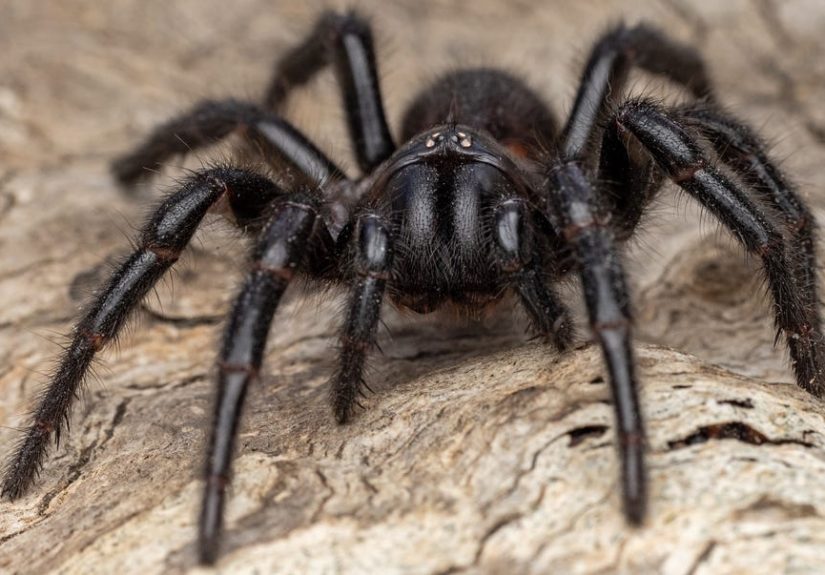
Some medical breakthroughs arrive wearing a white lab coat. Others, apparently, arrive with eight legs and the kind of reputation that makes even brave adults suddenly remember they left something in another room. The latest example is a potential heart attack treatment inspired by the venom of the K’gari funnel-web spider, an Australian arachnid that sounds less like a research partner and more like the final boss in a nature documentary.
Yet this is not science fiction, comic-book origin material, or an excuse to start calling cardiologists “Spider-Man.” Researchers have identified a molecule from funnel-web spider venom called Hi1a, studied how it protects oxygen-starved cells, and helped move a miniaturized drug version, known as IB409, into early human testing. The goal is bold: protect heart muscle during and after a heart attack, when every minute matters and damaged cells can shape the rest of a person’s life.
The idea is simple enough to sound elegant and complicated enough to deserve serious applause: instead of only reopening a blocked artery, what if doctors could also help heart cells survive the biochemical chaos caused by oxygen loss? That is where spider venom enters the room, politely, with a name tag.
Why Heart Attacks Still Need Better Treatments
A heart attack, also called a myocardial infarction, occurs when part of the heart muscle does not receive enough blood. Most commonly, this happens because coronary artery disease has narrowed or blocked the arteries that feed the heart. When blood flow drops, oxygen delivery falls. When oxygen disappears, heart cells begin to suffer. The longer blood flow is interrupted, the greater the damage.
Modern emergency medicine has become very good at reopening blocked arteries. Doctors may use medicines, angioplasty, stents, or coronary artery bypass grafting, depending on the patient’s condition and the type of heart attack. In a typical emergency, the mission is clear: restore blood flow quickly, limit injury, prevent fatal complications, and keep the heart pumping like the overworked hero it is.
But there is a frustrating gap. Reopening the artery is essential, yet the cells that were starved of oxygen may still die from the stress response triggered during the attack. It is a bit like fixing the plumbing after the basement has already started flooding. The pipe matters, but so does protecting everything inside the room.
That is why a cardioprotective drug is so exciting. A treatment based on spider venom would not replace emergency care, stents, clot-busting therapy, or cardiac rehabilitation. Instead, the dream is to add another shield: a medicine that helps heart muscle cells survive the period when oxygen levels crash and the cell environment becomes dangerously acidic.
Meet Hi1a: The Tiny Venom Molecule With a Big Job
Hi1a is a small protein originally identified in the venom of Australian funnel-web spiders. Researchers at the University of Queensland and collaborators studied the molecule because venom is not just nature’s “do not touch” label. Venoms are chemical libraries packed with highly specific molecules that target nerves, muscles, blood vessels, and cell channels. That sounds scary at a picnic, but in a laboratory, specificity is gold.
Hi1a gained attention because it appears to block a cellular doorway called acid-sensing ion channel 1a, or ASIC1a. These channels respond to acidity outside cells. During a heart attack, oxygen deprivation can make the local cell environment more acidic. That acidic stress can activate channels and contribute to a cascade that tells cells, in effect, “We are done here.” Scientists sometimes describe this as a death signal.
Hi1a’s potential value is that it may interrupt that signal. By blocking ASIC1a, the molecule may reduce the wave of injury that happens when heart tissue is deprived of oxygen. In preclinical studies, researchers reported improved survival of heart cells exposed to heart attack-like stress. The same line of research has also explored whether the molecule could protect brain cells after stroke, another condition where oxygen deprivation can cause rapid and devastating damage.
From Spider Venom to Drug Candidate
No, doctors are not planning to keep funnel-web spiders in ambulance glove compartments. Let us be grateful for many things, including that one. The clinical drug candidate is not raw venom. It is a refined, engineered approach based on the protective molecule discovered in venom research.
The original molecule, Hi1a, helped scientists understand the biological target. The drug candidate now in early human testing is IB409, a miniaturized peptide developed by Infensa Bioscience. A peptide is a short chain of amino acids, the same building blocks that form proteins. Peptide drugs can be designed to interact with specific targets in the body, although they still must pass the same tough tests of safety, dosing, stability, and effectiveness as other medicines.
In January 2026, public announcements reported that IB409 had been administered to the first participants in a Phase 1 clinical trial. Phase 1 is the earliest stage of human testing. It does not prove that a drug works for heart attack victims. Instead, it asks foundational questions: Is the drug safe enough to continue? What dose can be tolerated? How does the body process it? Are there early warning signs that researchers need to understand before moving forward?
That distinction matters. “Spider venom drug enters human trials” is exciting. “Spider venom drug is proven to save heart attack victims” would be premature. Science is dramatic enough without giving it a cape and a fog machine.
How the Drug Could Help During a Heart Attack
The strongest promise of Hi1a-inspired medicine is its possible role during the emergency window of a heart attack. When a coronary artery is blocked, the downstream heart muscle is deprived of oxygen. Cells under stress become acidic, ion channels respond, and injury can spread. A medicine that blocks ASIC1a could theoretically reduce cell death while emergency teams work to restore circulation.
Researchers have described a future in which a drug like this might be given in a hospital, or eventually by first responders, if trials prove it is safe and effective. Imagine a patient with crushing chest pressure being rushed to the emergency department. The ambulance crew already knows time is muscle. In a future scenario, they might also have a protective medication that starts defending heart tissue before the artery is fully reopened.
That is the big clinical dream: not replacing the current playbook, but improving it. Today, treatments focus heavily on removing the blockage and reducing future risk. A venom-inspired drug would aim at the cellular injury itself. It would be like telling the heart cells, “Hang on. Help is coming.”
Why Donor Hearts Are Part of the Story
The spider venom discovery is not only about heart attack patients. It may also matter for heart transplantation. Donor hearts face stress during retrieval, transport, and preservation. If heart cells die during that window, the organ may become less suitable for transplant, or the transplant may face greater risk.
Researchers have suggested that protecting donor hearts with a Hi1a-based therapy could improve heart cell survival and possibly extend the time available for transport. That could be meaningful because transplant medicine lives under constant pressure from organ shortages. A treatment that preserves more donor hearts would not create organs out of thin air, but it might help more donated hearts remain usable.
For patients waiting on transplant lists, even incremental improvements can feel enormous. A better-preserved donor heart may mean a better chance, a longer travel distance, or a wider donor pool. The science still needs proof in human studies, but the logic is powerful: protect cells when oxygen stress is at its worst.
What Makes Venom Such a Useful Medical Library?
Venom sounds like something medicine should avoid. In reality, venom has already inspired important drugs. The reason is precision. Animals that use venom have evolved molecules that act on biological targets with impressive accuracy. Some venom compounds affect clotting. Others influence blood pressure, pain pathways, nerve signaling, or ion channels.
For drug discovery, that precision can be a gift. Scientists do not simply scoop venom into a vial and call it medicine. They identify a useful molecule, study its target, modify it, test it, and refine it. A dangerous natural substance can become the starting point for a carefully controlled therapy.
Hi1a fits this pattern. The spider did not evolve the peptide because it wanted to help cardiologists. Nature is not that considerate. But the molecule’s ability to block ASIC1a makes it scientifically interesting. Researchers saw a mechanism, tested it in models of oxygen-starved tissue, and began turning a venom clue into a drug development program.
What We Know So Farand What We Do Not
The most important thing to know is that IB409 remains experimental. It is not an approved heart attack treatment. Patients should not delay emergency care, ignore chest pain, or wait around hoping venom science will magically handle the situation. If someone has symptoms of a heart attack, the safest move is still immediate emergency medical care.
Current evidence supports a promising biological mechanism and encouraging preclinical results. The Phase 1 trial is designed to test safety, tolerability, dosage, and pharmacokinetics. If those results are favorable, later trials would need to show whether the drug actually improves outcomes in heart attack or stroke patients. That means measuring real clinical benefits, such as reduced heart damage, better heart function, fewer complications, or improved recovery.
Many drugs look brilliant in the lab and then stumble in humans. That does not make the research weak. It means human biology is gloriously complicated and occasionally rude. The road from discovery to approved therapy can take years, and each stage asks harder questions.
Why This Research Matters for the Future of Heart Care
Heart attack survival has improved because emergency systems, diagnostic tools, stents, medicines, and cardiac rehabilitation have all advanced. Still, many survivors face long-term consequences, including reduced heart function and heart failure. A drug that limits the original injury could change the recovery story before it starts.
That is why the spider venom angle is more than a quirky headline. The real story is a new strategy for cardioprotection. Instead of treating only the blocked artery, researchers are targeting the stress messages inside oxygen-starved tissue. If successful, this could open a new class of emergency medicines for ischemic injury, the kind of damage caused when blood supply is blocked and tissue lacks oxygen.
The possible applications also go beyond heart attack. Stroke, organ transplantation, and other ischemic conditions may benefit from similar protective strategies. Of course, each condition requires separate testing. A heart is not a brain, a donor organ is not an emergency room patient, and a lab model is not a living person with blood pressure, medications, allergies, and a family member asking nervous questions in the hallway.
Common Questions About the Spider Venom Heart Drug
Is the drug made from actual spider venom?
The drug is inspired by a molecule identified in spider venom. The clinical candidate is a developed peptide drug, not a vial of raw venom. That distinction is important for safety, consistency, and manufacturing.
Can it cure a heart attack?
No approved evidence currently shows that IB409 cures heart attacks. The goal is to reduce tissue damage by protecting heart cells, but this must be proven in clinical trials. Emergency treatment to restore blood flow remains essential.
Could it be used in ambulances?
Researchers have discussed the hope that a therapy like this might someday be used early, possibly by first responders. That remains a future possibility, not current standard practice.
Why use spider venom at all?
Venom molecules often interact with very specific cell targets. In this case, the target is ASIC1a, a channel involved in cellular responses to acidity and oxygen deprivation. That makes the molecule useful as a starting point for drug design.
Experiences Related to the Topic: What This Breakthrough Could Mean in Real Life
To understand why this research feels so important, picture the ordinary way a heart attack enters a family’s life. It rarely sends a calendar invite. It arrives during breakfast, on a work commute, after mowing the lawn, or while someone insists they are “probably fine” even though everyone else in the room has turned the color of printer paper.
In those first minutes, the experience is emotional and practical at the same time. Someone calls emergency services. Someone unlocks the front door. Someone tries to remember medications. The patient may feel chest pressure, shortness of breath, sweating, nausea, pain in the arm or jaw, or unusual fatigue. The medical system begins moving fast because every delay can mean more injured heart muscle.
Now imagine a future where paramedics have one more tool. They still give oxygen when needed, monitor heart rhythm, prepare for defibrillation if necessary, and rush the patient toward definitive care. But alongside the existing emergency plan, they may one day carry a drug designed to protect heart cells from oxygen-starvation damage. That would not make the ambulance ride relaxing. Nobody has ever described sirens as spa music. But it could make those minutes more medically powerful.
For patients, the biggest hope is not just survival, but quality of survival. Many heart attack survivors live with anxiety afterward. They wonder whether their heart is weaker, whether climbing stairs will feel different, whether they can return to work, exercise, travel, or play with their kids without fear following them like a gloomy little weather cloud. A therapy that reduces initial heart muscle damage could potentially improve the road after discharge.
For families, the experience could also change. Anyone who has sat in a hospital waiting area knows that time becomes strange there. Coffee tastes like cardboard. Chairs become enemies. Every footstep sounds like news. A treatment that protects the heart during the emergency window could give doctors and loved ones a better starting point for recovery conversations.
For clinicians, the excitement is different but just as real. Emergency doctors, cardiologists, nurses, and paramedics already work inside a race against biology. They know that reopening an artery is critical, yet they also know that cells may continue to suffer. A cardioprotective drug would give them a new lever to pull, one aimed directly at the tissue damage that shapes long-term outcomes.
For transplant teams, the emotional weight is even more delicate. A donor heart represents generosity during loss, logistics under pressure, and hope for someone who may have waited months or years. If a venom-inspired therapy could help preserve donor hearts during transport, it might turn more donated organs into successful transplants. That is not just a scientific win. It is a human one.
And yes, there is something wonderfully humbling about the source. A creature many people would prefer to meet only through thick glass may help inspire a therapy for one of the world’s most urgent medical emergencies. Science has a funny sense of humor. Sometimes the thing we fear becomes the thing that teaches us how to heal.
Conclusion: A Venom-Inspired Idea With Serious Potential
The story of Hi1a and IB409 is a reminder that medicine often advances by looking where nobody comfortable would willingly place a hand. A molecule from funnel-web spider venom has helped scientists explore a new way to protect heart cells during oxygen deprivation. Early research suggests that blocking ASIC1a may reduce cell death in heart attack-like conditions, while the Phase 1 trial of IB409 marks the beginning of human safety testing.
There is still a long road ahead. The drug must prove it is safe, then prove it works, then prove it can fit into real emergency care. But the concept is exciting because it addresses a major unmet need: limiting heart muscle damage during the critical window when blood flow is blocked or being restored.
For now, the best heart attack advice remains beautifully unglamorous: recognize symptoms, call emergency services, and get treatment fast. But in the future, the emergency toolkit may include a medicine inspired by one of nature’s most intimidating chemists. Not bad for a spider that never applied to medical school.