Table of Contents >> Show >> Hide
- The House That Looked Like a Dream and Behaved Like a Riddle
- Who Was Bob Swinehart?
- The Strange Features Inside 777 Pine Street
- The Renovation That Became a Psychological Test
- Was 777 Pine Street Haunted?
- The Tragic Shadow Behind the Story
- Why the Story Went Viral
- What Really Happened, Then?
- Lessons From 777 Pine Street for Homeowners and Mystery Lovers
- Experiences Related to the Mystery of 777 Pine Street
- Conclusion: The Real Answer Is More Human Than Supernatural
Note: This article discusses a reported story involving a private residence in Emmaus, Pennsylvania. It is intended for informational and analytical reading, not for encouraging visits, trespassing, or disturbing current occupants.
The House That Looked Like a Dream and Behaved Like a Riddle
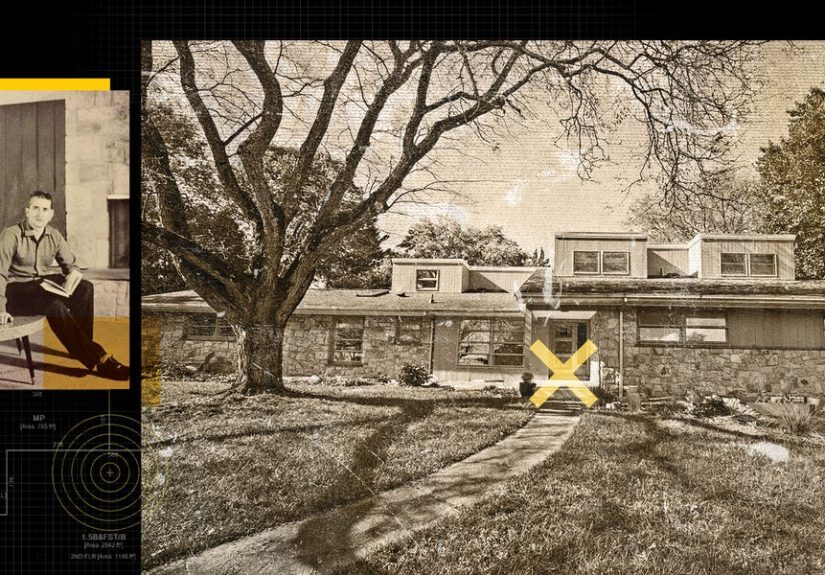
Every old house has a personality. Some have squeaky floors. Some have “character,” which is real-estate code for “bring a toolbox and maybe a therapist.” But 777 Pine Street was not just another charming mid-century home with a few loose screws. It was the kind of house that seemed to arrive with its own soundtrack: mysterious wiring, hidden spaces, odd architectural choices, local rumors, and a past owner whose life already sounded like the outline of a novel.
So, what really happened at 777 Pine Street? The best answer is not “ghosts,” although the story certainly knows how to rattle a doorknob. What happened was a collision between history, home renovation, money stress, family pressure, local mythology, and the long shadow of a man named Bob Swinehart, a celebrated bowhunter who built the house in 1955. Decades later, writer David Howard and his wife, Ann Quigley, bought the property and discovered that they had not simply purchased a home. They had inherited a puzzle.
The house, located in Emmaus, Pennsylvania, had the kind of appeal that makes otherwise sensible adults say dangerous things like, “We can fix it ourselves.” It had space, light, a large lot, a stone fireplace, a big basement, and a second floor that suggested possibility. It also had hidden compartments, a strange lookout-like chimney feature, sealed-off spaces, an unusual electrical system, and enough repair issues to make a contractor whisper the two most terrifying words in homeownership: money pit.
Who Was Bob Swinehart?
To understand 777 Pine Street, you have to understand Bob Swinehart. He was not an ordinary homeowner with a fondness for unusual shelving. Swinehart was a nationally known archer and bowhunter, famous for taking Africa’s Big Five with traditional bowhunting equipment. In archery circles, he became a legend: a showman, adventurer, speaker, author, and larger-than-life personality who turned danger into a public identity.
Swinehart’s life had a mythic quality. He grew up fascinated by archery, admired legendary archer Howard Hill, and eventually built his own reputation through skill, risk, and self-promotion. He wrote about hunting, gave demonstrations, appeared in media, and filled his world with trophies and stories. He was the sort of man who did not merely live in a house; he built a stage for his legend.
That helps explain why 777 Pine Street felt so unusual. A private fence, hidden spaces, odd security features, and rooms with unclear purposes make more sense when viewed through the lens of a man who lived between public performance and private anxiety. The house was not just shelter. It was a fortress, a trophy case, a retreat, and perhaps a place where Swinehart tried to control a world that did not always feel controllable.
The Strange Features Inside 777 Pine Street
When Howard and Quigley moved in, they found features that sounded less like a family home and more like a Scooby-Doo location with better square footage. There were hidden compartments, crawl-space routes, odd doors, a curious second-floor layout, and what the family jokingly called a panic room. A ladder led to a false chimney with a hatch-like opening, giving the impression of a lookout post. There were also traces of old security wiring and unexplained modifications.
Was there a secret tunnel? That rumor circulated, as rumors do, wearing a dramatic cape and refusing to provide documentation. But the more grounded evidence pointed to something subtler: a house adapted by an unusual owner for unusual reasons. Some features may have reflected security concerns. Some may have been practical experiments. Some may have been personal eccentricity. And some may simply have been mid-century creativity aging into weirdness.
Old houses often become mysterious because they outlive the people who understood them. A switch plate that made perfect sense in 1962 becomes a cursed artifact in 2012. A crawl space designed for access becomes “the haunted tunnel.” A homemade modification becomes “evidence.” Add time, silence, a few neighborhood stories, and one badly timed electrical failure, and congratulations: your house now has lore.
The Renovation That Became a Psychological Test
The real drama at 777 Pine Street was not that a ghost floated down the hallway carrying a repair invoice. The drama was that the house slowly exhausted the people trying to save it. Howard and Quigley bought the home in 2009, believing they could manage the repairs and eventually use the extra space wisely. That is a familiar homeowner fantasy. It usually begins with optimism, graph paper, and a hardware-store loyalty card. It ends with someone Googling “can a roof emotionally attack you?”
Problems stacked up. The roof leaked. Sections of the ceiling failed. Appliances aged out. Siding, windows, drywall, plumbing, heating, and electrical systems demanded attention. The old low-voltage lighting system became especially maddening because some lights would not turn on, while others refused to turn off. That is not paranormal activity. That is a house saying, “I was wired during the Eisenhower administration, good luck.”
Low-voltage lighting systems were not imaginary; they were installed in many American homes during the mid-20th century. They used relays and momentary switches instead of conventional modern switches. When maintained, these systems can function. When neglected, modified, or partially updated over decades, they can become difficult to diagnose. At 777 Pine Street, the wiring became a symbol of the entire house: complicated, stubborn, expensive, and almost personal in its timing.
Was 777 Pine Street Haunted?
The short answer: there is no solid evidence that 777 Pine Street was haunted. The more interesting answer: it is easy to understand why people used that word.
Houses feel haunted when ordinary systems behave unpredictably. Lights misfire. Water appears where it should not. Old furnaces groan. Pipes knock. Hidden spaces suggest secrets. A history of tragedy adds emotional weight. A tired family begins to notice patterns. The brain, being a very talented but occasionally dramatic intern, connects the dots into a story.
There are also real environmental reasons old buildings can feel unsettling. Moisture can create odors, stains, decay, and health concerns. Carbon monoxide exposure can cause confusion, dizziness, weakness, and flu-like symptoms. Low-frequency sound, or infrasound, may contribute to stress and eerie sensations in some settings. None of that proves those factors were present at 777 Pine Street in a decisive way. But it shows why “haunting” is often less about spirits and more about architecture, stress, sensory cues, and expectation.
In Howard’s telling, the most powerful haunting was internal. The house intensified worry, financial strain, fatigue, and distance inside the marriage. That is the part many readers recognize. A house does not need to be possessed to possess your schedule, your savings, your weekends, and your patience.
The Tragic Shadow Behind the Story
Bob Swinehart’s later years gave the house its deeper sadness. His life, once defined by adventure and public admiration, became marked by mental-health struggles, family tragedy, and personal decline. Reports connected his final years to paranoia, despondency, and unresolved trauma. His death in 1982 was ruled a suicide.
This is where the story becomes more than a spooky renovation tale. Swinehart’s life raises questions about masculinity, performance, danger, and silence. He had built a public image around fearlessness. He had faced large animals at close range with a bow. He had transformed risk into identity. Yet the danger that ultimately overwhelmed him was not in Africa. It was private, psychological, and largely hidden.
That contrast gives 777 Pine Street its emotional force. The secret rooms are interesting. The wiring is irritating. The rumors are fun in a flashlight-under-the-chin kind of way. But the real mystery is human: how a person can be famous and unknown at the same time, celebrated and suffering, surrounded by trophies yet stalked by invisible pain.
Why the Story Went Viral
The phrase “What Really Happened at 777 Pine Street?” works because it promises a mystery with an address. Readers love mysteries with addresses. An address makes the strange feel findable. It turns atmosphere into geography. Suddenly, the story is not just about “a house.” It is about that house, on that street, with that number: 777, a number already loaded with symbolism, luck, superstition, and slot-machine sparkle.
The story also went viral because it blends genres. It is a renovation nightmare, a haunted-house tease, a biography of an eccentric sportsman, a marriage story, and a meditation on obsession. That combination gives readers multiple entry points. Homeowners see the repair panic. True-crime readers sense a dark backstory. Architecture fans notice the mid-century oddities. Psychology-minded readers see stress and projection. Everyone else just wants to know why there was a hatch in the chimney.
Most importantly, the story feels true in the way good nonfiction often does: not because every mystery gets solved, but because the uncertainty feels honest. Life rarely ties itself up like a TV episode. Sometimes the secret room remains mostly a secret. Sometimes the wiring never fully makes sense. Sometimes the “answer” is not one dramatic revelation but a stack of smaller truths, each one heavier than expected.
What Really Happened, Then?
What really happened at 777 Pine Street is this: a remarkable man built a remarkable house; time turned that house into a container for rumor and decay; a hopeful family bought it; the repairs became overwhelming; the past became irresistible; and the search for answers revealed more about people than about ghosts.
The house did not need supernatural forces to become powerful. It had history. It had design quirks. It had deferred maintenance. It had a famous former owner whose life ended tragically. It had new owners who were creative, ambitious, and financially stretched. That is already enough pressure to make walls feel like they are listening.
In the end, 777 Pine Street was not a simple haunted house. It was a haunted story. The haunting came from memory, debt, grief, pride, and the fantasy that if we can just fix the house, decode the past, or explain every strange switch and sealed door, we can finally feel safe. But houses are not always puzzles waiting for a final clue. Sometimes they are mirrors. And sometimes the scariest thing they show us is how much of ourselves we have poured into them.
Lessons From 777 Pine Street for Homeowners and Mystery Lovers
1. A Cheap Dream House May Be Expensive in Disguise
When a large, beautiful, unusual home drops in price, buyers should ask why. That does not mean every bargain is a trap. But old roofs, outdated wiring, drainage issues, aging appliances, and unusual floor plans can turn affordability into a slow leak. A home inspection is not a magic shield; it is a flashlight. It shows what it can, but it cannot always reveal every buried system, past repair, or future disaster.
2. Mystery Adds Value to a Story, Not Always to a Mortgage
Secret rooms are thrilling until you have to insulate around them. A hidden hatch is delightful until it complicates resale. A strange old electrical system is charming until the lights start making executive decisions. The romance of an unusual home is real, but so is the invoice.
3. Houses Preserve Human Choices
Every remodel, every wall, every wire, every locked compartment reflects someone’s decision. Over decades, those decisions lose their explanations. Future owners inherit the physical choices without the emotional footnotes. That is why old homes feel layered. They are not just built; they are accumulated.
4. The Past Can Become a Room You Keep Entering
Howard’s investigation into Swinehart’s life shows how easily curiosity becomes obsession. Learning the history of a house can be meaningful, but it can also become a way of avoiding present pain. Sometimes the real question is not “What happened here?” but “Why do I need to know so badly?”
Experiences Related to the Mystery of 777 Pine Street
Stories like 777 Pine Street resonate because many people have experienced a smaller version of the same thing. Maybe not a hidden chimney hatch or a bowhunting legend in the backstory, but the sensation of moving into a place that seems to have opinions. The first week feels magical. The light falls beautifully through the windows. You imagine dinner parties, bookshelves, laughter, maybe a dog sleeping near the fireplace. Then the basement smells damp after rain, a switch controls nothing, and a previous owner’s “simple upgrade” turns out to involve seven wires, two mystery holes, and a level of confidence that should have been illegal.
Anyone who has lived in an older home knows the emotional rhythm. First comes romance. Then comes discovery. Then comes bargaining. “Maybe we can wait on the roof.” “Maybe the furnace has one more winter.” “Maybe that stain is old.” This is how houses recruit us. They reveal their needs slowly, like shy but expensive pets.
The experience becomes even more intense when a home has a story. A normal cracked wall is a repair issue. A cracked wall in a house with rumors becomes a clue. A light that flickers in a new condo is annoying. A light that flickers in a strange old house with a tragic former owner becomes a scene. We are storytelling creatures. Give us a noise in the night and we will build a plot around it before breakfast.
That is why 777 Pine Street is such a strong topic for readers. It turns common homeowner anxiety into narrative gold. The house becomes a character. The repairs become conflict. Bob Swinehart becomes the legend in the walls. Howard and Quigley become the modern family trying to live inside a structure that keeps pulling them backward. The experience is specific, but the emotion is universal: the fear that the thing we chose with hope may cost more than we can pay.
There is also a quieter lesson here about ambition. People often buy homes not just as shelters, but as versions of themselves. A big, unusual house can represent creativity, success, independence, and boldness. It says, “We are the kind of people who can handle this.” When the house starts winning, that identity gets bruised. It is not just the roof leaking; it is the dream leaking. That is why renovation stress can feel so personal. Drywall dust gets into the marriage. The budget sits at the dinner table. The unfinished room becomes a mood.
Still, the experience is not only negative. Old houses also give gifts: memory, texture, discovery, and the satisfaction of solving problems one stubborn inch at a time. A repaired window feels like a victory. A working light switch becomes a small miracle. A room that once felt impossible turns into a place where someone sleeps, studies, laughs, or grows up. That emotional complexity is what makes the 777 Pine Street story linger. It is not simply a warning. It is also a love letter to the beautiful, ridiculous, wallet-chewing places people dare to call home.
Conclusion: The Real Answer Is More Human Than Supernatural
The mystery of 777 Pine Street is compelling because it refuses to be only one thing. It is part haunted-house tale, part renovation cautionary tale, part biography, and part emotional autopsy of a family under pressure. The house had hidden spaces, strange systems, and a dramatic past, but the real story was never just about architecture. It was about what people bring into a home: ambition, fear, grief, pride, hope, and the need to make meaning out of chaos.
So, what really happened at 777 Pine Street? A house became a mirror. It reflected Bob Swinehart’s legend and struggles. It reflected David Howard and Ann Quigley’s dreams and strain. It reflected the way old buildings can turn ordinary repairs into mythology. And it reminded readers that sometimes the most haunting stories are not about ghosts at all. They are about people trying, failing, fixing, remembering, and finally moving on.