Table of Contents >> Show >> Hide
- Before You Paint: Prepare the Picture Frame Properly
- Method 1: Spray Paint Picture Frames for a Smooth, Modern Finish
- Method 2: Brush Paint Picture Frames for Control and Character
- Method 3: Decorative Painting for Vintage, Distressed, Metallic, or Color-Washed Frames
- How to Pick the Right Paint Color for Picture Frames
- Common Mistakes to Avoid When Painting Picture Frames
- Extra Experience: What I Learned from Painting Picture Frames
- Conclusion
Picture frames are the tiny tuxedos of your walls. They dress up family photos, make thrift-store prints look suspiciously expensive, and quietly hold your decor together while asking for almost no applause. But when a frame is scratched, outdated, too shiny, too dark, too gold, too orange, or just aggressively “grandma’s attic,” paint can turn it from wall clutter into wall magic.
The good news? Learning how to paint picture frames is one of the easiest home decor upgrades you can do in an afternoon. You do not need a professional workshop, a design degree, or a mysterious uncle named Gary who owns every tool known to humankind. You need the right prep, the right paint, and a little patience while things dry. That last part is important. Paint has a dramatic personality; rush it and it will wrinkle, drip, peel, or otherwise punish you emotionally.
In this guide, you will learn three practical ways to paint picture frames: spray painting for a smooth modern finish, brush painting for detailed control, and decorative painting for vintage, distressed, metallic, or color-washed effects. These methods work for wood frames, many laminate frames, MDF frames, and some metal or plastic frames when properly prepared. Whether you are refreshing one frame or creating a whole gallery wall, these techniques will help you get a clean, durable finish without making your dining table look like a craft store exploded.
Before You Paint: Prepare the Picture Frame Properly
Every beautiful painted frame starts before the first coat of paint. Prep is the unglamorous part, but it is also the reason your finished frame looks intentional instead of “I had 12 minutes and a leftover can of paint.” The basic process is simple: remove what you can, clean the surface, lightly sand if needed, prime when necessary, and protect the areas you do not want painted.
Remove the Glass, Backing, and Artwork
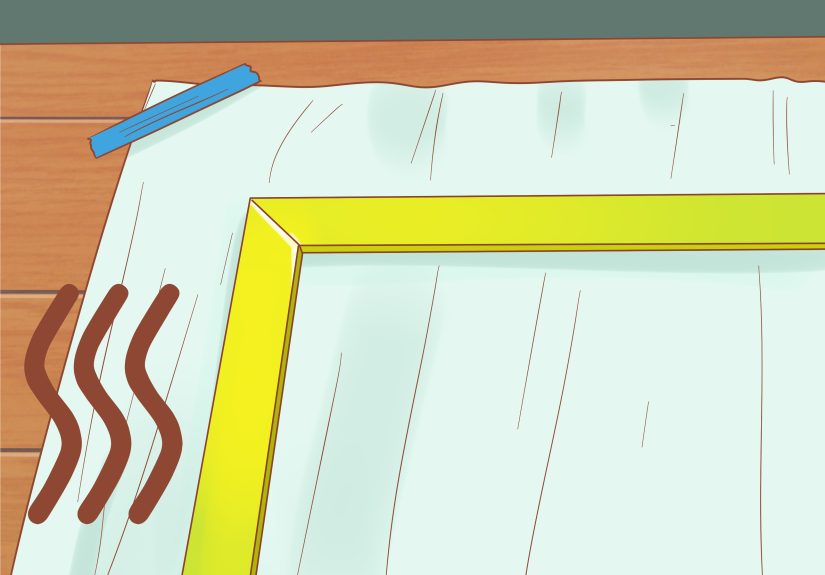
Take the frame apart before painting. Remove the glass, mat, photo, backing board, hanging hardware, and any small tabs if they come off safely. If the glass cannot be removed, cover it completely with painter’s tape and paper. Do not trust your “steady hand” near glass. A steady hand becomes a raccoon hand the moment wet paint is involved.
If the frame has decorative hardware, labels, felt pads, or hanging wire, decide whether to remove or tape around them. Removing hardware usually gives the cleanest result. For older frames, take a quick photo before disassembly so you remember how everything goes back together.
Clean Away Dust, Grease, and Old Residue
Paint does not like sticking to dust, wax, grease, fingerprints, or mystery grime from a yard sale. Wipe the frame with a soft cloth and mild soap-and-water solution. For carved frames, use a small brush or cotton swab to clean grooves and corners. Let the frame dry completely before sanding or painting.
This step matters even more for kitchen frames, bathroom frames, thrifted frames, and frames that have been sitting in storage. A clean surface helps primer and paint bond better, which means fewer chips later.
Sand for Better Adhesion
Light sanding helps paint grip the surface. You do not always need to sand down to bare wood; in most cases, you only need to dull the glossy finish. Use fine-grit sandpaper, often around 180- to 220-grit, for previously painted, varnished, or shiny surfaces. For delicate laminate or MDF frames, sand gently so you do not damage the thin surface layer.
After sanding, wipe away all dust with a tack cloth, microfiber cloth, or slightly damp cloth. Dust left behind can create bumps under the paint, and nobody wants a picture frame with acne.
Prime When the Surface Needs Help
Primer is your insurance policy. Use it when painting glossy frames, dark frames you want to turn light, raw wood, laminate, MDF, metal, plastic, or anything that has a slick finish. Bonding primer is especially helpful for laminate and glossy surfaces. Rust-inhibiting primer is useful for metal frames that show signs of rust or oxidation.
For small frames, primer can be brushed on, rolled on with a mini foam roller, or sprayed. Apply a thin, even coat and let it dry according to the product instructions. If the primer feels rough after drying, lightly sand it and wipe away dust before painting.
Method 1: Spray Paint Picture Frames for a Smooth, Modern Finish
Spray painting is the fastest way to give picture frames a sleek, even finish. It is especially useful for frames with grooves, carvings, rounded edges, or details that would show brush marks. Spray paint also works well when you are painting several frames the same color for a gallery wall.
This method is great for modern black frames, crisp white frames, metallic gold frames, satin brass looks, bold color accents, and quick thrift-store makeovers. It is also the method most likely to make you feel like a DIY wizard, provided you do not hold the can two inches from the frame and unleash a paint flood.
Best Frames for Spray Painting
Spray paint works well on wood, metal, MDF, and many plastic frames if you choose a paint designed for the surface. For plastic or laminate, look for spray paint or primer that specifically says it bonds to slick surfaces. For metal, choose paint that offers rust protection if the frame will be exposed to humidity or has any corrosion.
Spray paint is also ideal for ornate frames. A brush may miss tiny valleys or leave paint pooled in decorative grooves, but spray paint can reach those curves more evenly.
Supplies You Need
- Clean picture frame
- Painter’s tape and paper, if glass cannot be removed
- Fine-grit sandpaper or sanding sponge
- Tack cloth or microfiber cloth
- Spray primer, if needed
- Spray paint in your chosen finish
- Drop cloth, cardboard, or spray shelter
- Mask or respirator suitable for painting
- Clear protective topcoat, optional
Step-by-Step: How to Spray Paint a Picture Frame
First, set up your work area outdoors or in a very well-ventilated space. Choose a calm day if working outside. Wind is the enemy of spray paint. It can blow dust into your finish, send paint mist where it does not belong, and make your frame look like it was painted during a tiny tornado.
Place the frame on cardboard or elevate it slightly on small blocks so the edges are easier to reach. Shake the spray paint can thoroughly according to the label directions. Hold the can about 8 to 12 inches from the surface, depending on the product instructions, and spray in light, sweeping passes. Begin each pass slightly before the frame and end slightly after it. This helps prevent heavy spots at the edges.
Apply several thin coats instead of one thick coat. A thick coat may look satisfying for six seconds, then it can sag, drip, bubble, or dry unevenly. Thin coats create a smoother, more professional finish. Let each coat dry as directed before applying the next.
Spray the front, sides, and inner edges. Once the frame is dry enough to handle, flip it carefully and paint any visible back edges if needed. Let the final coat cure fully before reassembling the frame. Dry to the touch does not always mean fully cured, so be patient before pressing glass, backing, or artwork against the painted surface.
Best Spray Paint Finishes for Picture Frames
Matte black is a favorite for modern gallery walls because it creates clean contrast without glare. Satin white feels fresh, airy, and classic. Gold and brass metallic finishes can warm up a room and make simple art look more polished. Glossy finishes add drama but show surface flaws more easily, so prep carefully if you want high shine.
For a high-end look, try using the same spray paint color on mismatched thrifted frames. Different shapes and textures will still feel collected, but the shared color makes the group look intentional. This is one of the easiest ways to build a gallery wall on a budget.
Method 2: Brush Paint Picture Frames for Control and Character
Brush painting is the best method when you want more control, less overspray, or a hand-finished look. It is also practical if you are working indoors and cannot spray paint safely. With the right brush and paint, brush-painted frames can look smooth, rich, and custom.
This method is especially useful for wood frames, raw unfinished frames, chalk-style paint projects, latex or acrylic paint finishes, and frames with flat surfaces. It also works beautifully when you want to paint only part of a frame, such as the outer edge, inner lip, corners, or raised details.
Choose the Right Brush and Paint
For small frames, use a high-quality angled brush, artist brush, or small foam brush. A cheap brush can shed bristles into the paint, which is how your frame ends up wearing tiny hair extensions. For smoother surfaces, a foam brush can reduce brush marks. For carved details, a small bristle brush gives better control.
Acrylic craft paint works well for decorative frames and small projects. Latex or enamel paint can be a good choice for more durable finishes, especially on wood. Chalk-style paint is popular for matte, vintage, farmhouse, and distressed looks. For frames that will be handled often, consider sealing the paint with wax, polycrylic, or a compatible clear topcoat.
Step-by-Step: How to Brush Paint a Picture Frame
Start with a clean, sanded, dust-free frame. If the frame has a slick or dark finish, apply primer first. Use thin coats and follow the direction of the frame’s grain or shape. On wood frames, paint with the grain when possible. On ornate frames, dab paint gently into grooves, then smooth the raised areas so paint does not collect in blobs.
Let the first coat dry fully. The first coat may look uneven, especially over dark wood or glossy finishes. Do not panic. The first coat is often the awkward middle-school photo of the painting process. The second coat usually brings the glow-up.
Lightly sand between coats if you want an extra-smooth finish. Use fine-grit sandpaper and a gentle touch. Wipe away dust before adding the next coat. Two coats are usually enough, but some colors, especially white, yellow, red, and pale pastels, may need a third coat for full coverage.
How to Avoid Brush Marks
Do not overload the brush. Too much paint causes ridges and drips. Use long, smooth strokes and avoid brushing back and forth once the paint starts to set. Paint levels best when you apply it and then leave it alone. Fussing with half-dry paint is like trying to fix wet nail polish by poking it. It rarely ends with dignity.
If you want a very smooth finish, use self-leveling paint, a foam brush, or a small foam roller on flat frame sections. For a hand-painted cottage look, slight brush texture can actually add charm.
Method 3: Decorative Painting for Vintage, Distressed, Metallic, or Color-Washed Frames
Decorative painting is where picture frames become personality pieces. Instead of simply changing the color, you can create depth, age, contrast, shimmer, or a custom finish that looks collected over time. This method is perfect for vintage frames, ornate frames, farmhouse decor, boho walls, antique-style mirrors, and creative gallery displays.
The three easiest decorative finishes are distressed paint, dry brushing, and color washing. You can also add metallic highlights, dark wax, white wax, glaze, or a protective topcoat depending on the look you want.
Option A: Distressed Painted Frames
Distressing gives a frame a timeworn look, as if it has lived a charming life in a French cottage instead of sitting in your closet next to expired batteries. Start by painting the frame with a base color. Once dry, add a second color over it. After the topcoat dries, lightly sand raised edges, corners, and decorative details so the base color or original finish peeks through.
Distressing looks most natural when you focus on areas that would actually wear down over time: corners, edges, high points, and carved ridges. Avoid sanding random patches in the middle of flat areas unless you want the frame to look like it lost a fight with a belt sander.
Option B: Dry Brushing for Ornate Frames
Dry brushing is ideal for carved or textured frames. Dip a brush lightly into paint, then wipe most of it off on a paper towel. Drag the nearly dry brush over raised details. The paint catches the high points while leaving darker color in the grooves. This creates instant depth and works beautifully with white over gray, gold over black, silver over navy, or cream over natural wood.
This technique is forgiving because it is meant to look layered and imperfect. It is also a smart way to tone down a frame that feels too shiny or too formal. A little dry brushing can make an overly bright gold frame look softer and more antique.
Option C: Color Wash for a Soft, Layered Look
A color wash uses diluted paint to create a translucent finish. It is useful when you want the wood grain or base color to show through. Mix paint with a small amount of water until it has a thin, brushable consistency. Brush it onto the frame, then wipe away excess with a lint-free cloth. Build the color in layers until you like the effect.
Whitewash, gray wash, and taupe wash finishes are popular for coastal, rustic, and Scandinavian-inspired decor. Color washing works best on raw wood, lightly sanded wood, or matte painted surfaces. It is less effective on glossy plastic or sealed laminate unless you prime first.
How to Pick the Right Paint Color for Picture Frames
Choosing a frame color is part design, part instinct, and part standing in the paint aisle holding 14 swatches while questioning your entire personality. Start by looking at the art, the wall color, and the room’s existing finishes. The frame should support the artwork, not wrestle it for attention.
Black frames are timeless and work well with photography, modern art, line drawings, and gallery walls. White frames feel clean and casual, especially with colorful prints or light interiors. Natural wood tones add warmth. Gold and brass finishes bring elegance, while silver and pewter feel cooler and more contemporary.
For playful rooms, try bold colors like cobalt blue, tomato red, forest green, coral, or mustard. For a collected look, paint several frames in related shades instead of one exact color. For example, a gallery wall with cream, warm white, tan, and muted gold can feel layered without looking chaotic.
Common Mistakes to Avoid When Painting Picture Frames
The first mistake is skipping cleaning. Paint over grime and you are basically making a dust sandwich. The second mistake is skipping primer on slick surfaces. Some frames look like wood but are actually laminate, plastic, or coated MDF. If the surface is shiny, primer helps prevent peeling.
Another common mistake is painting too thickly. Whether brushing or spraying, thin coats are better. Thick paint hides detail, creates drips, and takes longer to cure. Also avoid reassembling the frame too soon. Fresh paint can stick to glass, mats, or backing boards, especially if the frame is pressed tightly together before curing.
Finally, do not forget the inner edge of the frame. That small lip around the artwork is often visible. If it stays the old color, the makeover may look unfinished. Paint it carefully with a small brush or light spray passes.
Extra Experience: What I Learned from Painting Picture Frames
After painting more picture frames than any reasonable person should admit, I have learned that frames are small but surprisingly dramatic. They reveal every shortcut. They also reward careful prep more than almost any other decor project. A frame may be only 8 by 10 inches, but if the paint chips at the corner or pools in the carved details, it will annoy you every time you walk past it with coffee.
One of the biggest lessons is that thrift-store frames are often better than they look. Many older frames are solid wood, nicely detailed, and far more interesting than basic new frames. The problem is usually the finish, not the frame itself. A dated cherry stain, orange varnish, or overly shiny gold can hide great shape underneath. Once painted matte black, soft white, muted green, or antique brass, the same frame can look like something from a boutique home store.
I have also learned to test colors before committing to a whole set. A paint color that looks perfect on the cap may look completely different on a frame hanging against your wall. Lighting changes everything. Warm bulbs can make white paint look creamy or yellow. Cool daylight can make gray look blue. Before painting ten frames for a gallery wall, paint one frame or even the back side first. Hold it near the wall and look at it in morning light, afternoon light, and evening light. Yes, this sounds fussy. It is also much easier than repainting ten frames while muttering things your houseplants should not hear.
For spray painting, the best experience-based tip is to keep the can moving. Most spray paint disasters happen because the can pauses too long in one spot. That creates a heavy patch, and heavy patches become drips. Start the spray off the edge, sweep across the frame, and release after passing the other edge. Think of it as a smooth wave, not a fire hose. Light coats may feel slower, but they usually finish faster because you do not have to sand out mistakes.
For brush painting, I have had the best results when using less paint than I think I need. A lightly loaded brush gives better control around corners and inner lips. If a frame has carved details, I paint the detailed areas first, then smooth the flat sections. This prevents paint from collecting in grooves after the flat areas already look nice. A small artist brush is also worth keeping nearby for touch-ups. It can reach tiny corners better than a standard brush.
Another useful lesson is to paint the back edge only if it matters. If the frame hangs flat on a wall, the entire back does not need a perfect finish. However, visible side edges should look clean. When frames are displayed on shelves, mantels, or easels, more of the side and back may show, so give those areas extra attention.
Drying time is where many DIY projects go from “beautiful” to “why is this sticky?” Paint may feel dry on the surface long before it is cured. If you stack freshly painted frames, press them against paper, or reinstall the glass too soon, the paint can dent or peel. I like to let frames rest longer than the label’s minimum when possible, especially if the weather is humid. Humidity slows drying, and picture frames apparently enjoy testing our patience.
Decorative finishes are the most fun because they are not supposed to look perfect. Distressing, dry brushing, and color washing allow room for adjustment. If you add too much paint, wipe some off. If you sand too much, repaint and try again. The key is to step back often. Up close, every tiny mark looks important. From across the room, those little variations create depth and charm.
Finally, the frame should serve the art. A bold painted frame can make simple art exciting, but it can also overpower delicate artwork. When in doubt, place the frame and art together before sealing the final finish. If the frame steals the show, tone it down with a softer topcoat, a dry-brushed neutral layer, or a less reflective finish. The best painted picture frames look intentional, protect the artwork visually, and make the whole room feel more finished.
Conclusion
Painting picture frames is one of the most affordable ways to refresh your home decor without buying new art, new furniture, or a new personality. With spray paint, you can create a smooth modern finish. With brush painting, you get control and a custom hand-painted look. With decorative techniques like distressing, dry brushing, and color washing, you can turn ordinary frames into pieces with texture, depth, and character.
The secret is not complicated: clean the frame, sand when needed, use primer on tricky surfaces, apply thin coats, and let the paint dry properly. Once you understand those basics, you can repaint one frame, coordinate a gallery wall, rescue thrift-store finds, or give old family photos a fresh place of honor. Your walls will look better, your budget will survive, and that forgotten frame in the closet may finally get its comeback tour.