Table of Contents >> Show >> Hide
- What Does “Hand-Wash” Really Mean?
- How to Hand-Wash Clothes the Right Way
- Step 1: Read the Care Label First
- Step 2: Sort by Color and Fabric
- Step 3: Use a Clean Sink or Basin
- Step 4: Choose Cool or Lukewarm Water
- Step 5: Add a Small Amount of Mild Detergent
- Step 6: Submerge, Soak, and Gently Swish
- Step 7: Rinse Until the Water Runs Clear
- Step 8: Press Out WaterNever Wring
- Step 9: Reshape and Air-Dry
- Why You Don't Always Need to Hand-Wash
- Hand-Washing vs. Machine Washing: The Real Decision
- Common Hand-Washing Mistakes
- Fabric-by-Fabric Guide
- of Practical Experience: What Hand-Washing Teaches You
- Conclusion
- SEO Tags
Hand-washing clothes sounds like one of those noble adult habits, right up there with folding fitted sheets and knowing where your tape measure is. It feels responsible, careful, and just a tiny bit dramatic. One minute you are rinsing a silk blouse in the sink, and the next you are staring into the water like a Victorian laundress with email.
But here is the truth: learning how to hand-wash clothes is absolutely useful, especially for delicate fabrics, wool sweaters, lace, lingerie, silk scarves, swimwear, and embellished pieces. However, you do not always need to hand-wash every garment that looks fragile, whispers “special care,” or makes you feel guilty from the laundry basket. Modern washers, gentle detergents, mesh laundry bags, cold water, and smart drying habits can handle more than many people think.
The real skill is not hand-washing everything. The real skill is knowing when hand-washing is worth it, when a delicate cycle is safe, and when the garment should go straight to a professional cleaner before you accidentally turn a beautiful blazer into a sad, expensive napkin.
What Does “Hand-Wash” Really Mean?
When a care label says “hand wash,” it usually means the garment needs less agitation, less heat, and less stress than a regular machine cycle provides. It does not always mean the fabric must be treated like a museum artifact while you whisper apologies into the sink. It means the item is vulnerable to stretching, shrinking, snagging, fading, felting, or losing its shape if washed too aggressively.
Hand-washing protects clothes by using four gentle forces: cool water, mild detergent, short soaking time, and careful handling. Instead of the washer drum tossing fabric around, your hands move water through the fibers. Instead of a high-speed spin, you press water out gently. Instead of tumble drying, you reshape and air-dry the piece.
That is why hand-washing is often best for pure wool, cashmere, silk, lace, bras, tights, swimsuits, vintage clothing, embroidered pieces, sequined tops, and delicate knits. These garments may survive a machine cycle once or twice, but repeated rough washing can slowly ruin fit, texture, color, and structure.
How to Hand-Wash Clothes the Right Way
The good news: hand-washing is simple. The bad news: if you treat it like scrubbing a frying pan, your clothes may file a complaint. The goal is to clean gently, not wrestle the garment into submission.
Step 1: Read the Care Label First
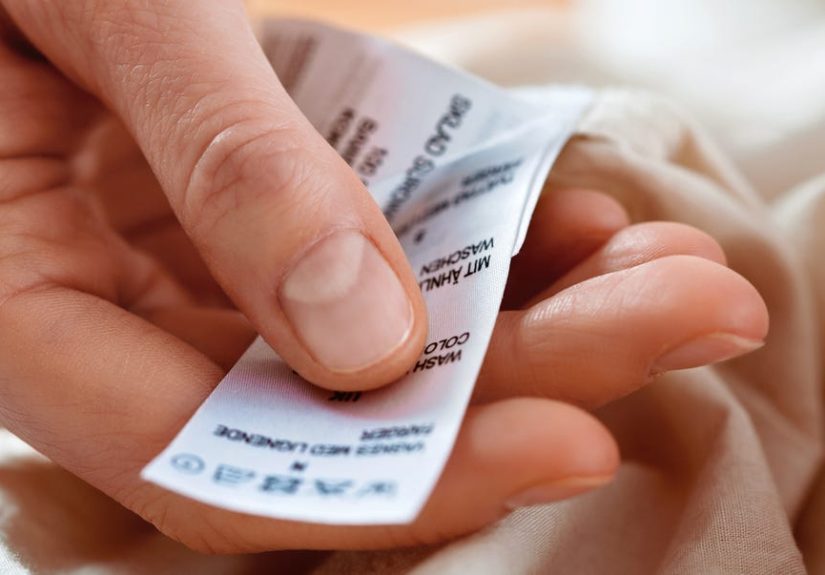
Before water touches fabric, check the care label. Look for washing instructions, water temperature, drying method, and warnings such as “dry clean only” or “do not wring.” In the United States, garment labels are required to provide at least one safe cleaning method, but that method may not be the only possible method. Still, the label is your first clue and your best defense against laundry regret.
Pay attention to the difference between “dry clean” and “dry clean only.” “Dry clean” may be a recommendation. “Dry clean only” means water could damage the garment’s fabric, dye, lining, padding, or structure. If the piece is expensive, lined, tailored, heavily embellished, or emotionally important, do not gamble just because a blog made you feel brave.
Step 2: Sort by Color and Fabric
Hand-washing does not give you permission to throw a red scarf, white camisole, and black wool sweater into the same sink and hope for peace. Wash similar colors and fabrics together. Darks with darks. Lights with lights. Wool with wool. Delicates with delicates. Laundry is not a team-building retreat.
If you are unsure whether a garment bleeds dye, test it. Dab a hidden seam with a white cloth or cotton swab dipped in cool water and a tiny bit of mild detergent. If color transfers, wash it separately or take it to a professional cleaner.
Step 3: Use a Clean Sink or Basin
Your sink may look clean, but sinks have secret lives. Toothpaste, skincare oils, food residue, and mystery grime can transfer to clothing. Before hand-washing, clean and rinse the sink, basin, bucket, or tub thoroughly. For small items like bras, silk scarves, and underwear, a sink works well. For sweaters, dresses, or larger garments, use a basin or bathtub so the fabric can move freely.
Step 4: Choose Cool or Lukewarm Water
Cold water is usually safest for delicate fabrics, dark colors, bright colors, wool, silk, lace, elastic, and anything likely to shrink or bleed. Lukewarm water may be fine for sturdier washable fabrics, but hot water is risky for delicates. It can fade dyes, weaken elastic, shrink wool, damage silk, and turn a flattering sweater into something suitable for a decorative pillow.
Always follow the label if it gives a temperature. If there is no label, use cool water. Cool water is the polite handshake of laundry: safe, calm, and unlikely to start trouble.
Step 5: Add a Small Amount of Mild Detergent
More detergent does not mean cleaner clothes. It often means more rinsing, more residue, and stiff fabric. Add only a small amount of gentle liquid detergent, delicate-wash detergent, or another mild cleanser appropriate for the fabric. Swish the water before adding clothes so the detergent dissolves evenly.
For wool and silk, choose a detergent made for delicate fibers when possible. Avoid bleach, harsh stain removers, and heavy-duty detergents unless the care label allows them. Delicate fabrics do not need a chemical pep talk.
Step 6: Submerge, Soak, and Gently Swish
Place the garment in the water and press it down gently until fully submerged. Let it soak for about 5 to 15 minutes for most items. Bras and underwear may soak a little longer, while silk should usually spend less time in water. During soaking, gently squeeze water through the fabric. Do not scrub, twist, stretch, or grind the garment against itself.
If the water changes color, it may be excess dye. That does not always mean disaster, but it is a sign to wash that garment alone in the future. If the fabric keeps bleeding color heavily, stop and rinse.
Step 7: Rinse Until the Water Runs Clear
Drain the soapy water and refill the sink with cool clean water. Press the garment gently through the rinse water. Repeat until no suds remain. Detergent residue can make clothes feel stiff, attract soil, irritate skin, and dull fabric. Rinsing well is not glamorous, but neither is wearing a crunchy sweater.
Step 8: Press Out WaterNever Wring
Wringing is one of the fastest ways to stretch, twist, and distort delicate clothing. Instead, lift the garment carefully, support its full weight, and press out water with your hands. Then lay it flat on a clean towel, roll the towel with the garment inside, and press gently to absorb moisture.
This towel-roll method is especially useful for sweaters, silk, lingerie, and other items that become heavy when wet. Water weight can stretch fabric, so the faster you remove excess water gently, the better the garment will keep its shape.
Step 9: Reshape and Air-Dry
Lay the garment flat on a clean dry towel or drying rack. Reshape it while damp: smooth collars, align seams, pat sweater cuffs into place, and restore bra cups or lace edges. Avoid hanging heavy knits because gravity can stretch them into strange new identities.
Keep delicates away from direct sunlight and high heat unless the label says otherwise. Never toss delicate hand-washed items into a hot dryer. A dryer may be convenient, but it is also where elastic, wool, lace, and fragile trims go to learn hard lessons.
Why You Don’t Always Need to Hand-Wash
Now for the plot twist: many items that seem delicate can be washed safely without true hand-washing. The key is understanding what the garment is made of, how it is constructed, and what your washing machine can do.
Modern washing machines often include delicate, gentle, wool, or hand-wash cycles. These settings usually reduce agitation, lower spin speed, and use cold or cool water. When used with a mesh laundry bag and mild detergent, they can clean many washable delicates with less effort and less wrist drama.
This does not mean every “hand-wash only” label should be ignored. It means not all delicate-looking clothes are equally fragile. A sturdy polyester blouse with no embellishment is not the same as a beaded silk camisole. A machine-washable knit is not the same as a pure wool sweater that felts if you look at it too confidently.
When a Delicate Cycle May Be Enough
A delicate or hand-wash machine cycle may be appropriate for lightly soiled, machine-washable items such as synthetic blouses, washable silk blends, some lingerie, swimsuits, activewear, fine knit tops, and delicate-looking garments made from durable fibers. Use cold water, a gentle detergent, and a mesh bag. Turn garments inside out, close zippers and hooks, and avoid washing delicates with jeans, towels, or anything with rough hardware.
The machine can be especially helpful when you have several similar items to clean. A small load of delicates in mesh bags on a gentle cycle is often safer than rushing through hand-washing while tired, distracted, or mildly annoyed at laundry as a concept.
When You Should Truly Hand-Wash
Hand-wash when the garment is fragile, valuable, sentimental, or easily distorted. Pure wool, cashmere, silk, lace, bras, embellished tops, sequins, embroidery, vintage items, delicate hosiery, and structured swimsuits often benefit from true hand-washing. These items need less friction and more control than even a gentle machine cycle may provide.
Also hand-wash when the garment has straps, beads, hooks, fringe, loose knits, or delicate trims that could snag. Mesh bags help, but they are not force fields. If a piece looks like it could lose a fight with a zipper, wash it by hand.
When You Should Not Hand-Wash at All
Some clothing should not be submerged in water. Avoid hand-washing items labeled “dry clean only,” especially tailored jackets, lined blazers, suits, suede, leather, velvet, acetate, taffeta, heavily structured garments, padded items, and pieces with delicate internal construction. Water can shrink linings, dissolve finishes, distort shoulder pads, loosen adhesives, or cause dyes to bleed.
Heavy-duty items like towels, bedding, work clothes, and very dirty cotton basics usually belong in the washing machine. Hand-washing a bath towel is technically possible, but so is eating soup with a fork. There are better tools available.
Hand-Washing vs. Machine Washing: The Real Decision
The decision is not really “hand or machine.” It is “how much risk can this garment handle?” Ask these questions before washing:
- Does the label say “dry clean only”?
- Is the fabric wool, silk, lace, cashmere, velvet, or acetate?
- Does it have beading, sequins, embroidery, padding, lining, or structure?
- Is the color likely to bleed?
- Would I be upset if this item shrank, stretched, or changed texture?
- Does my washer have a true delicate, gentle, wool, or hand-wash cycle?
- Do I have a mesh laundry bag and mild detergent?
If the garment is sturdy, washable, lightly soiled, and not emotionally priceless, a careful machine wash may be fine. If it is fragile, expensive, or irreplaceable, hand-wash or take it to a professional cleaner.
Common Hand-Washing Mistakes
Using Too Much Detergent
Detergent overload is one of the most common mistakes. A sink full of bubbles may look productive, but too much soap is hard to rinse out. Use a small amount and add more only if needed.
Soaking for Too Long
Long soaking can weaken fibers, loosen dyes, and stress delicate trims. Most garments do not need an overnight spa retreat. A short soak with gentle movement is usually enough.
Scrubbing Stains Aggressively
Rubbing a stain hard can spread it, set it deeper, or damage the fabric surface. Blot or gently work detergent into the stain with your fingertips. For serious stains on delicate or dry-clean-only items, use a professional cleaner.
Wringing Wet Clothes
Twisting wet fabric can stretch seams, distort knits, crush padding, and create wrinkles that look personally offended. Press water out instead.
Hanging Heavy Wet Knits
Wet sweaters are heavier than they look. Hanging them can stretch shoulders and lengthen the body. Dry knits flat, reshaped to their original size.
Fabric-by-Fabric Guide
Silk
Use cool water, mild detergent, and very gentle movement. Avoid soaking too long. Do not wring. Dry flat or hang only if the item is lightweight and the label allows it. Bright or dark silk may bleed, so test first.
Wool and Cashmere
Use cool water and a wool-safe detergent. Keep the water temperature consistent from wash to rinse because sudden temperature changes can encourage shrinking or felting. Press out water and dry flat.
Lace
Lace snags easily, so hand-washing is safest. Swish gently, rinse carefully, and lay flat. If machine washing is allowed, use a mesh bag and cold delicate cycle.
Bras and Lingerie
Hand-washing helps preserve elastic, lace, straps, and cup shape. Soak in lukewarm or cool water with gentle detergent, rinse well, press with a towel, reshape, and air-dry. Avoid the dryer unless you enjoy buying replacements.
Swimwear
Rinse swimwear after each use to remove chlorine, salt, sunscreen, and body oils. Hand-wash with mild detergent, press out water, and dry flat away from direct heat.
Activewear
Most activewear does not require hand-washing, but it does prefer cold water and low heat. Use a gentle cycle if the fabric is delicate or has elastic. Skip fabric softener, which can affect moisture-wicking performance.
of Practical Experience: What Hand-Washing Teaches You
After you hand-wash clothes a few times, you start noticing things a washing machine hides from you. You notice which fabrics bleed color the second they touch water. You notice which sweaters become heavy and stretchy when wet. You notice that a tiny amount of detergent goes a surprisingly long way. You also notice that some “delicate” items are tougher than expected, while some “normal” clothes behave like they were constructed from tissue paper and optimism.
One useful experience is learning to separate fear from fabric knowledge. Many people hand-wash because they are afraid of ruining clothes. That fear is reasonable, especially after one bad laundry accident. Nearly everyone has a story: a red sock that colonized an entire load of whites, a sweater that shrank into doll clothing, a bra that came out of the washer looking like modern sculpture. But fear alone can make laundry harder than it needs to be. Once you learn fabric types, label language, water temperature, and drying methods, you can make better decisions.
For example, a simple polyester blouse labeled delicate may do beautifully in a mesh bag on a cold gentle cycle. A silk scarf with bright dye may need hand-washing alone in cool water. A wool sweater should be handled gently, supported when wet, and dried flat. A structured blazer should not go near your sink unless you are trying to create a cautionary tale. These differences matter more than the general word “delicate.”
Another practical lesson: drying is often where clothes are saved or ruined. People focus on the washing step, but the drying step is just as important. A careful hand-wash followed by twisting, stretching, or hot tumble drying defeats the whole purpose. The towel-roll method is one of the best habits to learn. Lay the garment on a towel, roll it up, press gently, then unroll and reshape. It removes water without violence. Your sweater keeps its shape, your silk avoids stress, and your laundry routine feels less like a wrestling match.
Hand-washing also teaches patience, but not too much patience. You do not need to soak most garments for hours. You do not need a sink full of foam. You do not need six specialty products for one camisole. The best routine is usually simple: clean basin, cool water, small amount of mild detergent, short soak, gentle swish, thorough rinse, towel press, air-dry. The process becomes quick once you stop treating it like a complicated ritual.
Finally, experience teaches that hand-washing is not a moral achievement. You are not a better person because you washed socks in a sink. Use the washing machine when it is safe. Use the delicate cycle when the garment can handle it. Use mesh bags. Use cold water. Air-dry when needed. Save hand-washing for pieces that genuinely benefit from it. Laundry should protect your clothes, not consume your afternoon.
Conclusion
Knowing how to hand-wash clothes is a wardrobe-saving skill, but it does not mean you must hand-wash everything with a delicate label. True hand-washing is best for fragile fabrics, wool, cashmere, silk, lace, lingerie, embellished garments, swimwear, vintage pieces, and items that can stretch, snag, shrink, or lose shape. But many sturdy delicates can be safely cleaned in a modern washer using a cold delicate or hand-wash cycle, mild detergent, a mesh laundry bag, and careful air drying.
The secret is to respect the care label, understand the fabric, control agitation, avoid heat, and never underestimate the power of drying flat. Hand-washing is not about making laundry more dramatic. It is about giving the right clothes the right amount of careand letting your washing machine do the work when it safely can.