Table of Contents >> Show >> Hide
- Why This Middle Eastern Smoked Cockerel Recipe Works
- Ingredients
- How to Prepare the Cockerel
- How to Smoke the Cockerel
- How to Roast the Root Vegetables
- Serving Ideas
- Flavor Variations
- Common Mistakes to Avoid
- Storage and Leftovers
- Personal Cooking Experience: What This Recipe Feels Like in the Kitchen
- Conclusion
A beautifully smoked cockerel has a way of making dinner feel like an event, even if your “event” is simply surviving Tuesday with clean plates and only one mysterious spoon missing. This Middle Eastern spiced and smoked cockerel with roasted roots recipe is smoky, aromatic, colorful, and deeply satisfying. It brings together a small whole bird rubbed with warm spices, a gentle kiss of wood smoke, and a tray of caramelized root vegetables that taste as if they were personally hugged by cumin, garlic, lemon, and olive oil.
The flavor inspiration comes from classic Middle Eastern pantry staples: sumac for tart brightness, za’atar for herbaceous nuttiness, cumin and coriander for earthiness, cinnamon and allspice for warmth, and Aleppo-style pepper for mild fruity heat. Instead of overpowering the cockerel, the spices build layers. The smoke adds depth without turning the bird into a campfire souvenir. The roasted rootscarrots, parsnips, sweet potatoes, red onions, and beets if you darebring sweetness and texture to balance the savory poultry.
This recipe works for a true cockerel, a small whole chicken, or even a large Cornish game hen. In many American grocery stores, “cockerel” may not be easy to find, so do not panic and start questioning your life choices in the poultry aisle. A 3 1/2- to 4 1/2-pound whole chicken is the most practical substitute. The method remains the same: dry the bird, season it generously, smoke it at a steady temperature, finish it hot enough for better skin, and always cook poultry to a safe internal temperature.
Why This Middle Eastern Smoked Cockerel Recipe Works
The success of this dish comes down to balance. Smoked poultry can be delicious, but it has two common problems: rubbery skin and bland meat. This recipe avoids both. First, the cockerel is dry-brined with salt and spices, which helps the seasoning cling to the skin and gives the meat time to absorb flavor. Second, the smoker is kept warm enough to render some fat from the skin instead of simply bathing the bird in lukewarm smoke. Finally, a hotter finish gives the outside a better texture.
Middle Eastern spices are ideal for smoked poultry because they can stand up to wood smoke without losing their character. Sumac brings a lemony tang, za’atar adds toasted sesame and herb notes, cumin gives a savory backbone, and coriander keeps the rub fragrant rather than heavy. A small amount of cinnamon or allspice creates warmth in the background. The goal is not dessert chicken. Nobody invited pumpkin pie to this party. The goal is a subtle sweetness that rounds out the smoke.
The roasted roots are more than a side dish. They catch some of the same spice profile and echo the smoky-sweet theme. Root vegetables love high heat because it helps their natural sugars caramelize. When cut into even pieces and spread out on a pan, they roast instead of steam. That difference matters. Steamed carrots are polite. Roasted carrots are the ones who show up with stories.
Ingredients
For the Cockerel
- 1 cockerel or small whole chicken, about 3 1/2 to 4 1/2 pounds
- 2 tablespoons olive oil
- 1 tablespoon fresh lemon juice
- 1 teaspoon lemon zest
- 3 garlic cloves, finely grated or minced
- 1 1/2 teaspoons kosher salt
- 1 teaspoon black pepper
- 1 tablespoon za’atar
- 2 teaspoons ground cumin
- 2 teaspoons ground coriander
- 1 1/2 teaspoons sumac
- 1 teaspoon smoked paprika
- 1/2 teaspoon Aleppo-style pepper or mild chili flakes
- 1/4 teaspoon ground cinnamon
- 1/4 teaspoon ground allspice
- 1 small lemon, halved
- 1 small onion, quartered
- A few parsley or cilantro stems, optional
For the Roasted Roots
- 3 large carrots, cut into 1-inch pieces
- 2 parsnips, cut into 1-inch pieces
- 1 medium sweet potato, cut into 1-inch pieces
- 1 small red onion, cut into wedges
- 1 small beet, peeled and cut into smaller cubes, optional
- 2 tablespoons olive oil
- 1 teaspoon ground cumin
- 1/2 teaspoon coriander
- 1/2 teaspoon smoked paprika
- 1/2 teaspoon kosher salt, plus more to taste
- Black pepper to taste
- 1 tablespoon honey or pomegranate molasses
- 1 tablespoon lemon juice
- 2 tablespoons chopped parsley or cilantro
- 2 tablespoons toasted almonds, pine nuts, or pistachios, optional
Best Wood for Smoking
Use a mild fruit wood such as apple, cherry, or peach. Pecan also works if you want a rounder, nuttier smoke. Avoid heavy woods in large amounts because poultry absorbs smoke quickly. A cockerel should taste smoked, not like it spent a semester abroad inside a chimney.
How to Prepare the Cockerel
1. Dry the Bird Thoroughly
Remove the cockerel from its packaging and pat it very dry with paper towels. Moisture on the skin is the enemy of browning. If time allows, place the bird uncovered on a rack in the refrigerator for 4 hours or overnight. This dries the surface and helps the skin cook more cleanly.
2. Make the Middle Eastern Spice Rub
In a small bowl, combine olive oil, lemon juice, lemon zest, garlic, salt, pepper, za’atar, cumin, coriander, sumac, smoked paprika, Aleppo-style pepper, cinnamon, and allspice. Stir until the mixture becomes a loose paste. Taste a tiny amount. It should be salty, tangy, smoky, and aromatic. Remember, the rub has to season an entire bird, so it should taste bold before cooking.
3. Season Under and Over the Skin
Carefully loosen the skin over the breast and thighs with your fingers. Rub some of the spice paste under the skin, then spread the rest all over the outside of the cockerel. Place the lemon halves, onion quarters, and herb stems inside the cavity. Tie the legs with kitchen twine if desired. Tucking the wing tips behind the bird helps prevent them from burning.
4. Let the Seasoning Set
Let the seasoned bird rest in the refrigerator for at least 2 hours, or up to overnight. Even a short rest helps the salt and spices settle into the meat. If you are pressed for time, 30 minutes at room temperature before smoking is better than nothing, but the deeper flavor comes from patience. Annoying, yes. Worth it, also yes.
How to Smoke the Cockerel
1. Preheat the Smoker
Preheat your smoker to 275°F. This temperature gives the bird time to take on smoke while staying warm enough to help the skin render. Add apple, cherry, peach, or pecan wood according to your smoker’s instructions. If using a charcoal grill, set it up for indirect heat with the coals on one side and the bird on the cooler side.
2. Smoke the Bird
Place the cockerel breast-side up on the smoker grate. Close the lid and smoke until the internal temperature in the thickest part of the breast reaches about 145°F to 150°F. Depending on the size of the bird and your smoker, this may take around 1 1/2 to 2 1/2 hours. Do not cook by time alone. A thermometer is not optional here; it is the tiny kitchen referee that prevents guesswork.
3. Finish Hot for Better Skin
Increase the smoker temperature to 375°F, or transfer the bird to a 425°F oven. Continue cooking until the breast reaches 165°F and the thickest part of the thigh reaches at least 165°F. Many cooks prefer thighs closer to 175°F because the texture becomes more tender. Let the cockerel rest for 15 to 20 minutes before carving so the juices can redistribute.
How to Roast the Root Vegetables
1. Cut Evenly
Cut the carrots, parsnips, sweet potato, and onion into similar 1-inch pieces. If using beet, cut it slightly smaller because it can take longer to soften. Keep in mind that beets stain everything they touch, including your cutting board, your fingers, and possibly your confidence.
2. Season Generously
Toss the vegetables with olive oil, cumin, coriander, smoked paprika, salt, and pepper. Spread them on a large sheet pan in a single layer. Crowding the pan traps steam and prevents caramelization, so use two pans if needed. A little empty space between vegetables is your friend.
3. Roast Until Caramelized
Roast the vegetables at 425°F for 30 to 45 minutes, turning once or twice, until tender and browned at the edges. Drizzle with honey or pomegranate molasses and lemon juice during the last 5 minutes of roasting. Finish with chopped parsley or cilantro and toasted nuts for crunch.
Serving Ideas
Serve the smoked cockerel carved over the roasted roots, with the pan juices spooned on top. Add a bowl of garlicky yogurt sauce, tahini sauce, or herbed labneh on the side. Warm pita, couscous, rice pilaf, or a simple cucumber-tomato salad would also fit beautifully. If you want a brighter finish, sprinkle extra sumac over the carved bird just before serving.
For a dinner-party presentation, arrange the roasted roots on a large platter, place carved cockerel pieces over the top, and scatter herbs, toasted nuts, and lemon wedges around everything. It looks generous, colorful, and slightly dramaticin the best possible way. The platter says, “I cooked with intention,” even if you spent part of the afternoon Googling how to spell pomegranate molasses.
Flavor Variations
Spicier Version
Add 1/2 teaspoon cayenne pepper or extra Aleppo-style pepper to the rub. You can also serve the finished bird with harissa yogurt for heat and creaminess.
Sweeter, More Festive Version
Brush the bird lightly with pomegranate molasses during the final 10 minutes of cooking. This gives the skin a tangy glaze that pairs well with the warm spices.
No Smoker Version
Roast the seasoned cockerel in a 425°F oven until it reaches the proper internal temperature. You will miss the wood smoke, but smoked paprika and deep roasting still create excellent flavor. Place the bird on a rack over the vegetables so the juices season the roots as they cook.
Common Mistakes to Avoid
Using Too Much Smoke
Poultry has a delicate flavor compared with beef brisket or pork shoulder. Too much wood can turn the skin bitter. Start with a modest amount of mild wood and let the spices do their job.
Skipping the Rest
Cutting into poultry immediately after cooking lets the juices run onto the board instead of staying in the meat. Resting for 15 to 20 minutes makes carving cleaner and eating better.
Overcrowding the Vegetables
Roasted roots need space. If they are piled up like commuters on a Monday train, they will steam. Use a larger pan or divide them between two pans for proper browning.
Forgetting the Acid
Lemon juice, sumac, and pomegranate molasses are not decorative extras. They balance the richness of smoked poultry and the sweetness of roasted vegetables. Without acidity, the dish can taste flat.
Storage and Leftovers
Store leftover cockerel and vegetables in airtight containers in the refrigerator for up to 3 to 4 days. Reheat gently in a 325°F oven until warmed through. Leftover smoked poultry is excellent in pita wraps, grain bowls, salads, soup, or quick fried rice. The roasted roots can be chopped and folded into couscous with herbs, lemon, and a spoonful of yogurt.
For a next-day lunch, slice the smoked cockerel and tuck it into warm flatbread with roasted roots, pickled onions, cucumber, and tahini sauce. This is the kind of leftover meal that makes coworkers suspiciously interested in your lunch container.
Personal Cooking Experience: What This Recipe Feels Like in the Kitchen
Cooking a Middle Eastern spiced and smoked cockerel is one of those kitchen projects that feels more impressive than it is difficult. The first time you make it, you may expect some dramatic culinary obstacle: a smoker tantrum, a spice-rub crisis, a bird that refuses to cooperate. In reality, the process is mostly about preparation and patience. Once the cockerel is seasoned and the smoker is steady, the recipe becomes calm. The bird sits there, absorbing smoke and spice, while you get to feel like a highly organized person for at least ninety minutes.
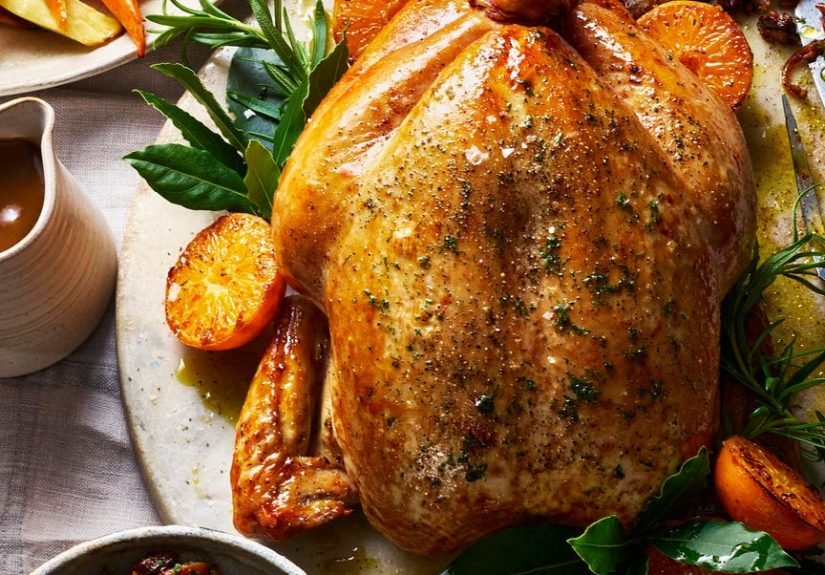
The most satisfying moment comes when the spice paste hits the bird. The color changes immediately. Pale poultry turns brick-red, gold, and speckled with herbs. The smell is even better: garlic, lemon, cumin, coriander, toasted sesame, and that sharp little spark of sumac. It smells like dinner has already become interesting. This is also the moment when anyone nearby will wander into the kitchen and ask, “What are you making?” Try to answer casually. Pretend this level of aroma is normal in your home.
Smoking adds a second layer of anticipation. Unlike fast stovetop cooking, where everything happens at once, smoking gives you time to notice small changes. The skin darkens. The spices bloom. The lemon and onion inside the cavity gently perfume the bird. If you use apple or cherry wood, the smoke stays soft and slightly sweet, which works beautifully with the warm spices. It should smell inviting, not aggressive. If your backyard smells like a burning fence, you have gone too far.
The roasted roots make the meal feel complete. Carrots and parsnips become sweeter at the edges, sweet potatoes soften into creamy bites, and red onions turn jammy. A drizzle of pomegranate molasses near the end adds shine and tang. This is where the dish becomes more than smoked chicken with vegetables. The flavors start talking to each other. The smoky bird needs the sweet roots. The sweet roots need the lemon. The lemon needs the herbs. The herbs need applause. It is a very well-organized dinner meeting.
One helpful experience-based tip: carve the cockerel on a board with a groove, then pour any resting juices over the roasted vegetables. Those juices carry smoke, spice, salt, and lemon, and they make the roots taste even better. Another tip is to keep a simple sauce nearby. A quick bowl of Greek yogurt, grated garlic, lemon juice, salt, and chopped parsley can rescue any bite that feels too smoky or too rich. It also makes the dish more flexible for guests who like creamy sauces with roasted meat.
This recipe is especially rewarding for weekend cooking, small gatherings, holiday alternatives, or any dinner where you want something memorable without making a gigantic turkey or wrestling with a roast the size of a footstool. It feels rustic but elegant, smoky but bright, familiar but different. Best of all, it leaves you with leftovers that are genuinely exciting. Cold smoked cockerel with tahini, pickles, and pita the next day is not a compromise. It is a victory lap.
Conclusion
This Middle Eastern spiced and smoked cockerel with roasted roots recipe is built around big flavor, smart technique, and practical cooking. The spice rub gives the bird tang, warmth, smoke, and depth. The smoking method keeps the meat juicy while encouraging better skin. The roasted roots add sweetness, color, and comfort. Together, they create a dish that feels special enough for guests but manageable enough for a confident home cook.
Whether you use a true cockerel, a small whole chicken, or a Cornish-style bird, the key is the same: season boldly, control the heat, use a thermometer, and finish with something bright. Lemon, sumac, herbs, and pomegranate molasses bring the whole meal into focus. It is smoky, spiced, slightly tangy, deeply aromatic, and just fancy enough to make your dinner table feel like it has excellent lighting.