Table of Contents >> Show >> Hide
- The Best Classic Cheese Souffle Recipe
- Why a Cheese Souffle Rises (Quick Science, No Lab Coat)
- Pro Tips for a Taller, Lighter Souffle
- Troubleshooting: What Went Wrong (and How to Fix It Next Time)
- Variations and Serving Ideas
- Make-Ahead and Storage
- Cheese Souffle Experiences (): What It’s Like in a Real Kitchen
A cheese souffle has a reputation for being “the final boss” of home cookingright up there with croissants and calmly assembling flat-pack furniture.
The truth? A classic cheese souffle is mostly two things: (1) a thick, cheesy base and (2) whipped egg whites that act like tiny balloons.
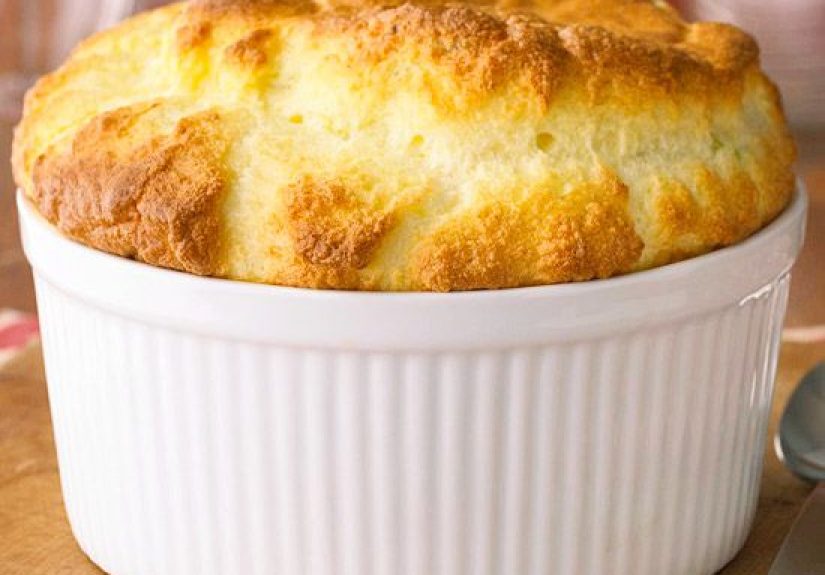
Treat those two parts well, and you’ll get a tall, golden, savory cloud that tastes like a French bistro moved into your kitchen and started paying rent.
This guide gives you a dependable, deeply cheesy cheese souffle recipe plus the “why it works” details:
how stiff peaks behave, why your dish prep matters, and how to troubleshoot the usual drama (souffles are theatrical by design).
The Best Classic Cheese Souffle Recipe
Recipe at a Glance
- Yield: 1 (2-quart) souffle, serves 4–6
- Prep time: ~20 minutes
- Bake time: 30–40 minutes
- Difficulty: Medium (but emotionally supportive)
What You’ll Need
- 2-quart straight-sided souffle dish (or deep casserole) or 6–8 ramekins (6–8 oz each)
- Saucepan + whisk
- Two bowls (one must be very clean for egg whites)
- Rubber spatula
- Optional but helpful: instant-read thermometer
Ingredients
- For the dish: 1 tablespoon softened butter (plus more if needed)
- For the dish coating: 1/2 cup finely grated Parmesan, divided
- For the base (Mornay-style): 4 tablespoons unsalted butter
- 3 tablespoons all-purpose flour
- 1 1/3 cups whole milk (warmed is easiest to whisk in)
- 1 teaspoon Dijon mustard (optional, but great with cheese)
- 1/2 teaspoon kosher salt (adjust to taste)
- 1/4 teaspoon black pepper (or 1/8 teaspoon white pepper)
- Pinch of nutmeg
- Pinch of cayenne (optional)
- 6 ounces Gruyère (or Comté), shredded
- 2 ounces sharp cheddar, shredded (optional, for extra punch)
- 6 large eggs, separated
- 1/4 teaspoon cream of tartar (optional but helpful for stability)
- 1 tablespoon minced chives or parsley (optional)
Step 1: Heat the oven and prep the dish
- Place a rack in the middle-lower part of the oven. Preheat to 375°F.
- Butter the inside of your souffle dish thoroughly, brushing in upward strokes along the sides (this helps encourage an even climb).
- Add about 1/4 cup Parmesan to the dish, then rotate and tap to coat the bottom and sides. Dump out excess.
-
Optional “height insurance”: wrap a parchment collar around the outside of the dish so it extends about 2–3 inches above the rim and secure with kitchen twine.
(This is especially useful if your dish is on the shorter side.) - Set the prepared dish in the fridge while you make the batter. Cold dish + warm batter = better lift.
Step 2: Make the thick cheese base
-
In a saucepan over medium heat, melt 4 tablespoons butter. Add the flour and whisk continuously for about 1 minute.
You’re cooking out the raw flour taste; you’re not trying to tan it like it’s on vacation. -
Slowly whisk in the milk. Keep whisking until smooth, then bring to a gentle simmer. Cook 2–4 minutes until the sauce is thick and glossy.
(If it can lightly coat a spoon, you’re in the right neighborhood.) - Remove from heat. Whisk in salt, pepper, nutmeg, Dijon (if using), and cayenne (if using).
- Stir in Gruyère (and cheddar if using) until melted and smooth.
-
Let the mixture cool for about 8–10 minutes. Then whisk in the egg yolks one at a time until the base is silky.
Stir in herbs if using.
Step 3: Whip the egg whites to stiff peaks
- In a clean, dry bowl, add egg whites and cream of tartar (if using). Any grease or yolk can block your whites from reaching stiff peaks.
- Beat on medium until foamy, then medium-high until stiff, glossy peaks form. When you lift the whisk, the peak should stand tall with only a slight bend at the tip.
Step 4: Fold (gently) and fill
- Stir about 1/3 of the whipped whites into the cheese base to loosen it. This first addition can be a little more enthusiastic.
-
Add the remaining whites and fold with a spatula using wide, sweeping motions: cut down the center, scoop under, lift, and turn the bowl.
Stop when you no longer see big white streaks. A few tiny streaks are better than overmixing. - Remove your prepared dish from the fridge. Pour in the batter until it sits about 1 inch below the rim. Don’t overfill.
- Wipe the inside rim clean (no batter smears) so the souffle can rise cleanly. Sprinkle the top with the remaining Parmesan.
Step 5: Bake and serve immediately
-
Place the dish on a rimmed baking sheet (for easy, steady handling). Bake at 375°F for 30–40 minutes,
until tall, deeply golden, and set but still tender in the center. - Optional doneness check: an instant-read thermometer inserted in the center should read about 170°F.
- Serve immediately. A souffle will settle as it cools, but that doesn’t mean it failedit means it’s a souffle doing souffle things.
Why a Cheese Souffle Rises (Quick Science, No Lab Coat)
A savory souffle rises because the egg whites trap air bubbles. In the oven, heat makes the air expand and moisture turn into steam.
Those bubbles inflate and push the batter upward. Meanwhile, the base (a thick cheese sauce) provides structure so it doesn’t collapse into a sad puddle.
That’s why technique matters more than “secret ingredients.” You’re building a stable foam, then treating it gently so it survives the trip to the oven.
Pro Tips for a Taller, Lighter Souffle
1) Prep the dish like you mean it
Butter and a Parmesan coating do two jobs: reduce sticking and give the batter a textured surface to “climb” as it rises. A straight-sided dish helps the souffle rise vertically instead of slumping outward.
2) Clean bowl, clean beaters, clean separation
Egg whites hate fat. Even a little yolk can sabotage volume. Use a clean metal or glass bowl, and separate eggs carefully (separate over a small bowl, then transferso one bad egg doesn’t ruin the party).
3) Stiff peaks, not “dry desert” peaks
You want glossy, stiff peaks that hold their shape. If the whites look clumpy, grainy, or watery at the bottom, they’ve gone too far and won’t fold smoothly.
4) Fold with patience, stop early
Overfolding knocks out air. Underfolding leaves large streaks that bake unevenly. Aim for “mostly uniform,” then stop.
Your oven will finish blending the last whispers of streaks.
5) Don’t overfill (leave headroom)
Give the souffle space to rise. Overfilling can cause overflow, uneven baking, and a top that browns before the center sets.
6) Skip the oven-door curiosity tour
Resist opening the door early. The souffle needs consistent heat to expand. Check near the end of baking, not at minute 12 because you “felt a vibe.”
Troubleshooting: What Went Wrong (and How to Fix It Next Time)
“It didn’t rise much.”
- Likely cause: whites not at stiff peaks, or you overfolded and deflated them.
- Fix: whip to glossy stiff peaks; fold fewer strokes; lighten the base with the first third of whites.
“It rose, then collapsed fast.”
- Reality check: all souffles settle as they cool. That’s normal.
- If it truly sank instantly: underbaked center or oven not hot/steady.
- Fix: bake until deeply golden and set; use the 170°F center check if you want certainty.
“The center is soupy.”
- Likely cause: underbaked or base too thin.
- Fix: cook the béchamel until thick; bake a bit longer; keep rack in the middle-lower area.
“It tastes flat, like ‘warm egg’ instead of ‘cheese dream.’”
- Likely cause: mild cheese or not enough salt/seasoning.
- Fix: choose flavorful melting cheeses (Gruyère, sharp cheddar); season the base well; add Dijon for lift.
“It stuck to the dish.”
- Likely cause: incomplete buttering/coating.
- Fix: butter thoroughly (including corners), coat with Parmesan, and keep the rim clean.
Variations and Serving Ideas
Cheese swaps (choose what melts well)
- Classic: Gruyère or Comté
- Bold: sharp cheddar + a little Parmesan
- Smooth: Gouda or fontina (blend with a sharper cheese for flavor)
Flavor add-ins (keep them dry)
- Herbs: chives, parsley, thyme
- Veg: sautéed leeks or spinach (squeeze very dry first)
- Heat: pinch of cayenne or a dab of Dijon
What to serve with a cheese souffle
Keep it simple: a bright green salad with a tangy vinaigrette is the classic move. The acidity cuts the richness, and suddenly your dinner feels like it owns a tiny scarf.
If you want something heartier, add roasted tomatoes or a vegetable soup.
Make-Ahead and Storage
Make-ahead options
- Best quality: make the cheese base earlier in the day, refrigerate, then re-warm gently to loosen before folding in freshly whipped whites.
-
Convenience option: some bakers refrigerate filled souffle batter in the prepared dish and bake later.
Expect slightly less dramatic rise, but still great flavor.
Leftovers (yes, you can)
A souffle is best right out of the oven, but leftovers are still delicious. Refrigerate covered and rewarm gently.
The texture will be more like a savory custard or eggy cheese casserolestill a win.
Cheese Souffle Experiences (): What It’s Like in a Real Kitchen
Making a cheese souffle is a lot like hosting a small party: the setup feels suspiciously calm, the last five minutes are chaos, and thenif all goes welleveryone shows up and looks fabulous.
The “experience” starts the second you butter the dish, because that’s when you realize souffle-making is basically a collection of tiny decisions that add up to one big result.
Butter too lightly and the batter clings. Coat with Parmesan and you can practically imagine the souffle gripping the sides like it’s rock climbing in a tiny ceramic canyon.
The next moment people remember is the first whisk of roux and milk, when the sauce thickens and you get that satisfying “oh, it’s working” feeling.
The smell changes from plain dairy to something toasted and cozy, and once the cheese melts in, it becomes a sauce that tastes like it could solve minor problems in your life.
This is also where patience pays off: letting the base cool slightly before yolks go in is one of those small, unglamorous steps that prevents heartbreak (and scrambled eggs).
Then you hit the meringue stagethe part that feels like a mini test of character. Egg whites start out awkward and watery, and then, suddenly, they become glossy and structured.
It’s a pretty cool transformation, and it teaches a useful kitchen lesson: you can’t rush the early frothy phase, and you can’t ignore cleanliness.
If there’s a smear of yolk or a greasy bowl, the whites may never stand up tall. When they do reach stiff peaks, they look like soft marshmallow snowdrifts, and it becomes easier to understand why they can lift an entire souffle.
Folding is where most people learn their “souffle personality.” Some cooks fold too timidly and leave big streaks, which can bake unevenly.
Others go full cardio and mix until the batter is perfectly uniform… and perfectly deflated. The sweet spot is confident gentleness:
big, slow turns with a spatula, stopping when the batter looks mostly combined. A few faint streaks aren’t a failure; they’re a sign you didn’t overwork the foam.
The oven wait is its own kind of suspense. Early on, nothing seems to happen, and it’s tempting to open the door “just to check.”
But the best souffle experiences come from trusting the process, letting the heat do its job, and checking near the end.
When it finally rises above the rim, it’s genuinely thrillinglike your dinner just achieved personal growth in real time.
And yes, it will start to settle as it cools. That’s not a collapse; that’s physics. The goal isn’t to freeze it in its tallest moment like a trophy.
The goal is to serve a dish that’s airy at the edges, creamy in the center, deeply cheesy, and proudly golden on top.
If you’re cooking for other people, the smartest “experience tip” is to stage your serving plan before baking: plates ready, salad dressed, everyone seated.
A cheese souffle is one of those foods that rewards timing more than perfection. Even a souffle that rises a little less than you hoped can still taste incredible.
And once you’ve made it once, the mystery disappearswhat’s left is a repeatable technique and a very good reason to keep eggs and Gruyère in the house.