Table of Contents >> Show >> Hide
- Why Your Food Choices Matter After Wisdom Tooth Extraction
- The Golden Rules of Eating After Wisdom Teeth Removal
- Foods to Eat After Wisdom Teeth Removal
- Foods to Avoid After Wisdom Teeth Removal
- A Simple Day-by-Day Eating Plan (With Actual Meal Ideas)
- Smart Shopping List (So You’re Not Crying Over Crunchy Cereal)
- Common Questions (Answered Without the Dental Lecture Vibes)
- When to Call Your Dentist or Oral Surgeon
- of Real-World Eating Experiences After Wisdom Teeth Removal
- Conclusion
Congratulationsyou’ve officially survived the tiny mouth apocalypse known as wisdom teeth removal.
Now you’re home, your cheeks are doing their best “chipmunk storing acorns” impression, and your stomach is asking,
“So… are we eating anything today?” Yes. You’re eating. You’re just eating like a very classy baby for a few days.
The goal after wisdom tooth extraction is simple: protect the blood clot(s), avoid irritation, and get enough calories and
protein so your body can heal without turning you into a cranky, hungry gremlin. This guide walks you through what to eat,
what to avoid, and how to upgrade from “pudding life” back to real mealswithout accidentally inviting dry socket to the party.
Why Your Food Choices Matter After Wisdom Tooth Extraction
After surgery, your extraction sites form blood clots that act like natural “bandages.” If those clots get disturbed,
healing can hurt more and take longer. Certain foods (crunchy chips, spicy salsa, tiny seeds) and certain habits (straws,
smoking, aggressive swishing) can mess with that process. Your mission is to eat in a way that’s gentle, nourishing,
and unlikely to leave crumbs hiding where they shouldn’t.
The Golden Rules of Eating After Wisdom Teeth Removal
- Think soft, smooth, and cool-to-lukewarm. Temperature extremes and rough textures can irritate tender tissue.
- No suction. Skip straws (and anything that requires strong sucking) so you don’t dislodge clots.
- Choose calories on purpose. You still need energyespecially if you’re taking meds that can make you nauseated on an empty stomach.
- Protein is your best friend. Healing loves protein: yogurt, eggs, tofu, soft fish, beans (blended), and protein drinks.
- Chew away from the surgery sites. If only one side was removed, favor the other side.
- Keep it clean (gently). Follow your clinician’s instructionsoften this includes gentle rinsing after the first day and after meals.
Foods to Eat After Wisdom Teeth Removal
Below are the best “recovery foods,” organized by how soon most people can tolerate them. Your oral surgeon or dentist’s
instructions come firstalways.
First 24 Hours: Liquids and No-Chew Soft Foods
On day one, your mouth is tender, your bite feels weird, and your patience is short. Keep it simple:
foods that slide down easily and don’t require chewing.
- Water (sip often; hydration helps everything).
- Broth and blended soups (warmnot hotlike chicken broth or pureed butternut squash soup).
- Greek yogurt or regular yogurt (protein + easy texture).
- Applesauce (smooth, mild, friendly).
- Pudding, custard, gelatin (the dessert era begins).
- Protein shakes (drink from a cup, not a straw; choose a smooth formula).
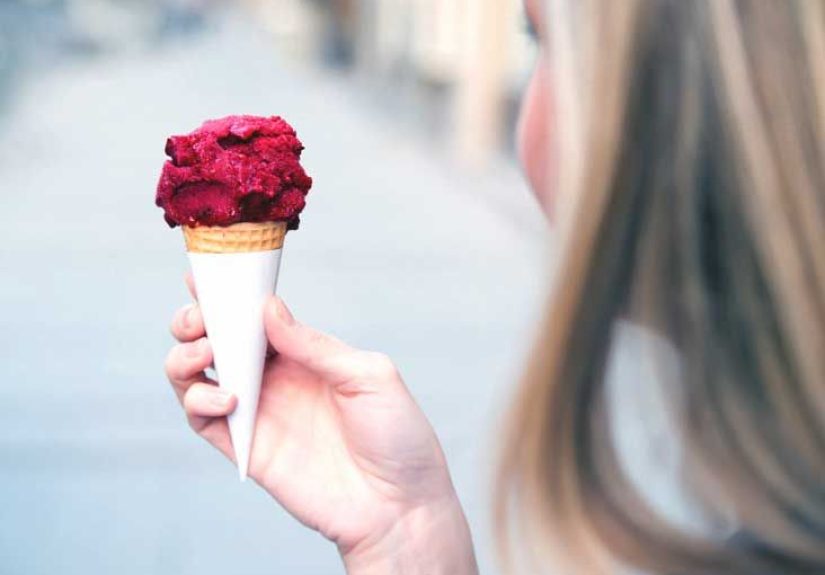
- Ice cream or sorbet (cool can feel soothingjust don’t go wild on crunchy mix-ins).
- Smoothies (seedless fruit only; avoid berries with tiny seeds unless strained very well).
Days 2–3: Soft Foods With Gentle Chewing
If swelling is improving and pain is manageable, you can add soft foods that require a little chewingbut still won’t
poke, scratch, or crumble into the sockets.
- Scrambled eggs (soft, protein-rich, and endlessly customizable).
- Mashed potatoes (add gravy or butter for calories; let them cool a bit).
- Oatmeal or cream of wheat (smooth, warmnot hot).
- Soft pasta (think tiny shapes; avoid sharp edges; keep sauce mild).
- Cottage cheese (protein + soft texture).
- Avocado (mash it; add a little salt; skip spicy toppings at first).
- Hummus (smooth, filling; pair with a spoon, not crunchy chips).
- Soft tofu (blend into soups or eat gently with a spoon).
Days 4–7: “Soft-But-Real” Meals
Many people can start feeling more human by the end of the first weekmeaning you can eat meals that look like meals,
not just snacks from the pudding dimension.
- Flaky soft fish (salmon, tilapiavery tender and high in protein).
- Ground meats (very soft meatloaf or finely minced chickenonly if it’s easy to chew).
- Well-cooked vegetables (soft carrots, zucchini, squashno crunchy raw veg yet).
- Rice or small grains (only if your dentist says it’s okay; tiny grains can sometimes get stuckgo slowly).
- Pancakes (soft, easyskip nuts or crunchy toppings).
- Soft casseroles (think comfort food, but mushy in a good way).
Week 2 and Beyond: Gradually Return to Normal
By week two, many people can carefully reintroduce firmer foodsstill avoiding anything that causes pain or requires a lot
of crunching. Some extractions are more complex, and healing can vary. If you’re unsure, ask your dentist or oral surgeon
when it’s safe to fully return to your regular diet.
Foods to Avoid After Wisdom Teeth Removal
These are the usual troublemakerseither because they’re sharp and crunchy, they irritate tissue, or they can interfere
with clot stability.
Crunchy, Hard, or Sharp Foods
- Chips, pretzels, crackers, popcorn
- Nuts, seeds, granola
- Hard toast, crusty bread, bagels
- Raw crunchy vegetables (carrots, celery)
- Hard candy
Why avoid them? They can scrape tender tissue and break into pieces that wedge into extraction sites like they’re
applying for permanent residency.
Small-Grain and Seed-Heavy Foods (Often a Sneaky Problem)
- Sesame seeds, poppy seeds, chia seeds
- Seedy berries (raspberries, blackberries) unless strained
- Rice and quinoa (some people do fine; others find the grains irritating or hard to keep out of sockets)
Chewy, Sticky Foods
- Chewy steaks, jerky
- Gum, caramels, taffy
- Thick nut butters (smooth is usually better than chunky; go lightly)
Hot, Spicy, and Acidic Foods
- Very hot soups, coffee, tea (especially in the first day)
- Spicy foods (hot sauce, spicy curries, salsa)
- Acidic foods and drinks (citrus, lemonade, some tomato-heavy foods) if they sting or irritate
Heat can increase irritation early on, and spicy or acidic foods can feel like you’re seasoning a wound (which is not a culinary trend we recommend).
Drinks and Habits That Can Slow Healing
- Straws (suction can dislodge clots)
- Alcohol (can irritate tissue and interact with medications)
- Carbonated beverages (can irritate some people early on)
- Smoking or vaping (linked to higher dry socket risk and slower healing)
A Simple Day-by-Day Eating Plan (With Actual Meal Ideas)
Day 0 (Surgery Day): “Hydrate and Don’t Fight Gravity”
- Breakfast (if allowed): Yogurt or applesauce
- Later: Protein shake (cup, not straw), broth, pudding
- Snack: Smoothie with banana + peanut butter (smooth) + milk/alt milk (no seeds)
- Dinner: Pureed soup (lukewarm), gelatin
Day 1: “Soft Food, Big Nutrition”
- Breakfast: Greek yogurt + mashed banana
- Lunch: Blended soup + applesauce
- Snack: Pudding or a protein drink
- Dinner: Mashed potatoes + soft scrambled eggs (if tolerated)
Days 2–3: “Level Up Without Crunch”
- Breakfast: Oatmeal (cooled a bit) + honey
- Lunch: Soft pasta with mild sauce (tiny shapes are easiest)
- Snack: Hummus by the spoon + yogurt
- Dinner: Scrambled eggs + mashed avocado
Days 4–7: “Real Meals, Still Gentle”
- Breakfast: Pancakes or soft oatmeal
- Lunch: Flaky fish + well-cooked veggies
- Snack: Smoothie (seedless) or cottage cheese
- Dinner: Soft casserole or meatloaf (very tender)
Smart Shopping List (So You’re Not Crying Over Crunchy Cereal)
- Greek yogurt, cottage cheese
- Eggs
- Applesauce, bananas, avocados
- Broth + ingredients for blended soups
- Oatmeal/cream of wheat
- Mashed potato supplies (potatoes or instant, plus butter/gravy)
- Protein shakes (smooth)
- Pudding/gelatin/ice cream (no crunchy add-ins)
- Soft pasta and mild sauces
- Soft fish (optional, for later in the week)
Common Questions (Answered Without the Dental Lecture Vibes)
When can I eat normal food again?
Many people start adding more “normal” foods within a week, but the exact timeline depends on how complicated the extraction was,
how many teeth were removed, and how your healing is going. A safe rule: if it hurts, don’t do it yet. If you’re unsure, ask your dental team.
Do I really have to avoid straws?
Yes, at least early on. The suction can disturb clots and raise the risk of dry socket. Different providers give different timeframes,
so follow your instructionsbut “no straws for the first several days” is a solid default.
What if I’m hungry but chewing hurts?
Upgrade your liquids: add protein and calories. Use Greek yogurt, nut butter (smooth), oats (blended), tofu, or protein powder in smoothies.
Choose soups that are blended and hearty. Healing takes energy, and you deserve to be full.
How do I keep food from getting stuck?
First: avoid crumbly, seedy, grainy foods too early. Second: follow your dentist’s instructions about gentle rinsing.
Many people find that gently rinsing after meals helps keep things clean and comfortable.
When to Call Your Dentist or Oral Surgeon
Don’t “tough it out” if something feels off. Contact your dental team if you have worsening pain after initial improvement,
pain that feels intense or radiates, fever, pus, bad taste that won’t go away, swelling that worsens after a few days,
or bleeding that doesn’t slow down. Getting help early can prevent bigger problems.
of Real-World Eating Experiences After Wisdom Teeth Removal
People often expect the hardest part of wisdom teeth removal to be the surgery itself, but the surprise plot twist is usually the eating.
Not because you’ll be starving (though you might be), but because your usual “comfort foods” suddenly become your enemies.
One of the most common experiences people report is the moment they realize crunchy snacks are basically forbidden fruit.
It’s not dramatic until you’re three days in, staring at a bag of chips like it’s a long-lost best friend. The workaround?
Folks swear by having a “soft food stash” ready ahead of timeyogurt, pudding, applesauce, protein shakes, and soups that don’t require chewing.
Having those on hand can make you feel weirdly powerful, like you’ve planned for the apocalypse and the apocalypse is… mashed potatoes.
Another shared experience: day one can feel deceptively okay, especially if you’re still numb. That’s when people sometimes try to “test” foods
too early. Many learn quickly that your mouth will send immediate feedback, and it will not be polite about it.
The most successful approach tends to be gradual upgradesliquids and smooth foods first, then eggs and oatmeal,
then soft pasta and tender fish later. People also mention that temperature matters more than expected.
Lukewarm soup is comforting; hot soup can feel like betrayal. Cold treats like ice cream can feel great,
but sugary options can leave your mouth feeling funky, so many people balance them with protein and hydration.
The “smoothie era” is practically universal. It’s also where people get creative: banana + peanut butter + Greek yogurt is a popular combo because
it’s filling and doesn’t require chewing. A common lesson is to avoid tiny seeds early onberries can be delicious,
but those little seeds have a talent for getting into annoying places. Some people strain their smoothies or choose seedless fruits to keep things calmer.
Another repeated theme is appetite versus effort: you might be hungry, but chewing can feel like work.
That’s why thicker, higher-protein drinks and blended soups often become the MVPs.
Finally, there’s the emotional side: eating soft foods can get boring fast. People say the trick is variety in flavor, not texture
switching between sweet (yogurt, applesauce), savory (broth, blended soup), and “breakfast-y” (scrambled eggs, oatmeal) helps.
By the end of the first week, many describe a small victory moment: the first meal that feels normal again.
It might be soft pasta or flaky fish, but it feels like a graduation ceremony. The big takeaway from most experiences is reassuring:
the awkward eating phase is temporary, and if you protect the healing sites, you’ll get back to your usual foods soonerand with less drama.
Conclusion
Eating after wisdom teeth removal isn’t about suffering through bland mushit’s about choosing soft, nourishing foods that protect healing
while keeping you comfortable and full. Start with smooth foods and liquids, add soft proteins and gentle carbs as you improve, and avoid
crunchy, spicy, sticky, or seed-heavy foods that can irritate the extraction sites. Most importantly, follow your dentist or oral surgeon’s
instructionsyour mouth is doing important work, and it deserves a menu that helps it win.