Table of Contents >> Show >> Hide
- Spiders Are Free Pest Control (And They Don’t Even Ask for Tips)
- Most Spiders Can’t Harm You (And They Really Don’t Want to Try)
- The “Spider Bite” Myth: Why That Mystery Bump Probably Isn’t a Spider
- Spiders Help Your Garden, Too (And Your Garden Helps You Back)
- The Truth About “Venomous Spiders” in the U.S.
- If You Don’t Want Spiders Indoors, Do This (Instead of a Shoe)
- How to Relocate a Spider Like a Calm Adult
- What If You’re Truly Afraid of Spiders?
- FAQ: Quick Answers People Actually Want
- Experiences: What Happens When You Stop Killing Spiders (Real-Life Scenarios)
- Conclusion: Let the Spider Live (And Make Your Home Less Bug-Friendly)
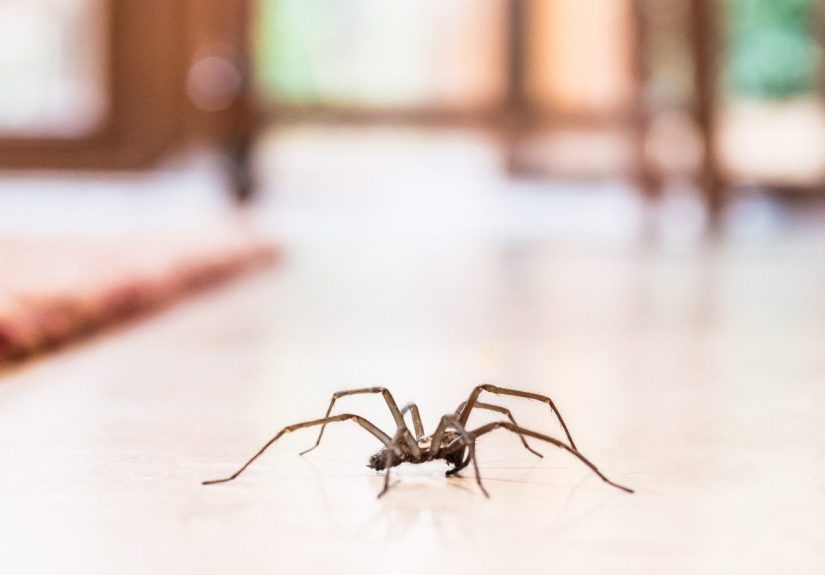
Picture this: it’s 11:47 p.m., you’re half-asleep, and a spider is suddenly doing cardio across your wall like it pays rent.
Your brain screams, “INTRUDER!” Your hand reaches for the nearest objectshoe, book, emotional support sandal.
But before you go full action-movie hero on an animal the size of a popcorn kernel, here’s the twist:
that spider is probably one of the most useful, low-maintenance roommates you’ll ever have.
This article breaks down why you should never kill a spider (at least not as your default setting),
what spiders actually do for your home and garden, why “spider bite” stories are often wildly misunderstood,
and how to deal with the rare situations where caution is smart. We’ll keep it science-based, practical, and
just funny enough that you might stop treating eight legs like a personal attack.
Spiders Are Free Pest Control (And They Don’t Even Ask for Tips)
The simplest reason to stop killing spiders: they’re working a night shift you don’t want.
Most spiders are generalist predatorsmeaning they eat a wide variety of insects and other tiny arthropods.
Indoors, that can include nuisance bugs like flies, mosquitoes, moths, and other “why are you in my kitchen?” visitors.
Outdoors, spiders help suppress many plant pests, which can mean fewer outbreaks in gardens and landscapes.
Think of a spider as a living, self-resetting trap. It doesn’t need batteries. It doesn’t stink.
It doesn’t lure your toddler into touching something sticky. It simply waits, hunts, and removes the very insects
that often bother humans far more than spiders ever do.
“But I don’t have pests.” Cool. Spiders Heard Otherwise.
Spiders don’t move in because your home has “vibes.” They move in because food exists.
If you keep seeing spiders, it can be a clue that small insects are availableoften the ones you don’t notice
because they hide, fly at night, or live in drains, basements, or garage corners.
In other words: the spider is not the problem. It’s usually the symptom of the bug buffet.
Most Spiders Can’t Harm You (And They Really Don’t Want to Try)
Let’s separate two ideas that get mashed together online: venom and danger.
Most spiders have venom because they need it to immobilize prey. That doesn’t mean they’re medically significant to humans.
Many common house spiders are physically incapable of biting people effectively, and many others would rather sprint away
than waste venom on a giant mammal they cannot eat.
When bites do happen, they’re often defensivelike when a spider is trapped in clothing, pressed against skin,
or accidentally grabbed. That’s not “aggression.” That’s “I am being squished and I would like to remain un-squished.”
The “Spider Bite” Myth: Why That Mystery Bump Probably Isn’t a Spider
If you’ve ever heard someone say, “I woke up with a spider bite,” you’re not alone. It’s practically a cultural ritual.
But medically, the phrase is often a guesssometimes a very wrong one.
Many skin irritations blamed on spiders turn out to be other insect bites, allergic reactions, contact dermatitis,
or infections. One common mix-up: bacterial skin infections that can look like an angry, painful bump and are sometimes
mistaken for a “spider bite,” especially when people never saw a spider at all.
Why this myth matters
Mislabeling a skin lesion as a spider bite can delay the right treatment. If something is worsening quickly, intensely painful,
oozing, spreading, or accompanied by fever, it’s worth getting checked by a clinician instead of arguing with your group chat
about whether it was “a brown recluse, I just know it.”
Spiders Help Your Garden, Too (And Your Garden Helps You Back)
Outdoors, spiders are part of the natural checks-and-balances system that keeps insect populations from exploding.
They eat a wide range of prey, including insects that damage plants or annoy humans.
In healthy gardens, spiders contribute to a more stable ecosystemone where you may need fewer chemical interventions.
There’s also a bigger ecological story: spiders are food for birds, reptiles, amphibians, and other wildlife.
Even their silk shows up in nature’s construction projectssome birds use spider silk as a building material in nests,
basically turning webs into high-performance, flexible “glue.”
Spiders aren’t a sign of “gross.” They’re a sign of “alive.”
A yard or garden with a variety of spiders often reflects habitat complexityplants, shelter, and a functioning food web.
If your goal is a thriving outdoor space, wiping out spiders can backfire. Remove the predators, and the pests get louder.
The Truth About “Venomous Spiders” in the U.S.
In the United States, two spiders get most of the medically serious attention:
the black widow and the brown recluse. They deserve respectbut not panic.
Both are generally non-aggressive and prefer to avoid people. Most incidents happen when they’re accidentally pressed,
trapped, or disturbed in their hiding spots.
Black widow basics
Black widows tend to like quiet, protected areasthink woodpiles, garages, sheds, and cluttered corners.
Bites can cause significant symptoms (often systemic), so medical guidance is important if a bite is suspected and symptoms develop.
Brown recluse basics
Brown recluse spiders are also associated with hidden, undisturbed locations.
Here’s a key point many people miss: brown recluse “bite” diagnoses are often overused, especially in regions where
brown recluses are uncommon or not established. When someone has a serious skin lesion and no confirmed spider,
it’s frequently something else.
The goal is not to memorize spider trivia like it’s the SAT. The goal is to respond proportionally:
don’t freak out at every spider, but do be careful in the places medically significant spiders may hide.
If You Don’t Want Spiders Indoors, Do This (Instead of a Shoe)
You can reduce indoor spiders dramatically without turning your home into a chemical war zone.
The best approach is prevention and exclusionoften called integrated pest management (IPM) thinking:
remove what attracts pests, block entry points, and handle the occasional visitor calmly.
Practical steps that actually work
- Seal entry points: Repair screens, add door sweeps, and seal cracks around windows, doors, and foundations.
- Reduce clutter: Especially in garages, basements, closets, and storage areas where spiders like to hide.
- Vacuum regularly: Corners, baseboards, behind furniturethis removes webs, egg sacs, and other insects too.
- Manage outdoor conditions: Keep woodpiles away from the house, clear debris near the foundation, and reduce dense clutter against walls.
- Cut the “insect magnet” effect: Outdoor lighting attracts insects; consider placement or bulb choices that reduce insect draw near doors.
Notice what’s missing from that list: “Perform nightly spider executions.”
That’s because killing individual spiders doesn’t solve why they’re there.
It’s like mopping up water while ignoring the dripping pipe above your head.
How to Relocate a Spider Like a Calm Adult
If you can relocate instead of kill, you’ll solve the immediate “spider situation” without erasing a beneficial predator.
Here’s the classic methodsimple, fast, and surprisingly empowering:
The cup-and-card method
- Grab a clear cup or jar (transparent helps you stay confident).
- Place it gently over the spider.
- Slide a stiff piece of paper or thin cardboard under the opening.
- Hold the paper against the cup, carry it outside, and release near shrubs or sheltered areas.
If your fear response is strong, start with “easy mode”: relocate spiders that are small, slow, and far from your face.
Skill-building is real. So is pride. You’re basically leveling up your human software.
What If You’re Truly Afraid of Spiders?
You’re not weird for feeling that way. Arachnophobia is common. But it helps to know what fear is doing:
your brain is trying to protect you from something it labels “unpredictable,” and spiders move in ways that feel unpredictable.
The fix is often familiarity and controlnot brute force.
Try this reframe
- Spiders are predictable: They want dark, quiet areas and food. They don’t want conflict.
- You have options: Relocation, sealing, cleaning, and reducing insects all reduce encounters.
- Knowledge reduces fear: Being able to identify a black widow or brown recluse (or rule them out) lowers panic.
Even a small mindset shift helps: instead of “spider equals threat,” try “spider equals tiny pest manager.”
You don’t have to love them. You just have to stop treating them like villains in a horror movie.
FAQ: Quick Answers People Actually Want
Do all spiders make webs?
Nope. Some build webs, some hunt, some ambush, and some do a little of everything depending on the species and life stage.
Does seeing spiders mean my house is dirty?
Not necessarily. It often means insects are present or entry points exist. Spiders go where food and shelter are.
A spotless home can still have spiders if insects can get in and hide.
Will spiders crawl in my mouth while I sleep?
This is one of those myths that survives because it’s dramatic. Spiders avoid large vibrating animals (that’s you),
and your bed is not a spider luxury resort. You can retire this fear.
When should I be extra cautious?
Use caution when reaching into undisturbed, dark storage areas (garages, sheds, woodpiles, cluttered boxes).
Wear gloves when cleaning these areas. Shake out shoes or gloves stored in garages if you haven’t used them in a while.
Experiences: What Happens When You Stop Killing Spiders (Real-Life Scenarios)
If you’re trying to change your spider policy from “zero tolerance” to “case-by-case diplomacy,” you’re not alone.
A lot of people start with one small decision: don’t kill the spider tonight. And what follows is usually
less horror-movie chaos and more… mild surprise at how boring the outcome is (in the best way).
One common experience: the “bathroom corner spider.” You notice it near the ceiling, far from your toothbrush,
and you decide to let it be. For the first few days, you keep checking that corner like the spider owes you updates.
Then you realize something odd: the spider stays put, and the number of tiny flying insects around the sink area
seems to drop. It’s not that the spider is a magical air purifierit’s just that bathrooms can attract small bugs,
and a web-building spider can quietly intercept them. Over time, you stop thinking of it as “a spider in my house”
and start thinking of it as “the night-shift security guard who never speaks.”
Another scenario happens in garages and basements. Someone goes in with the intent to “clear spiders,” but tries a different approach:
they clean clutter, vacuum corners, and seal a few obvious gaps. Over the next month, the “spider problem” shrinks.
The experience teaches a powerful lesson: the biggest gains often come from changing the environment, not from chasing individual animals.
People also notice they feel less anxious once they have a plangloves by the door, a lidded storage bin instead of cardboard boxes,
and a quick routine for sweeping webs outside the entryway.
Parents often report a surprisingly emotional moment when kids are involved. A child sees a spider and wants it gone.
Instead of squashing it, the parent does the cup-and-card method and narrates it like a tiny rescue mission:
“We’re taking it outside where it can find food and not scare anyone.” Kids tend to mirror adult energy.
When the adult acts calm, the child learns “spider” isn’t automatically a crisis. Later, that same child might point out
a spider web outdoors and describe it with curiosity instead of disgust. That’s not just cuteit’s a real shift in how fear gets taught.
People who garden have their own set of experiences. They might notice orb weavers appear in late summer,
or wolf spiders patrolling mulch. The first reaction is often “there are so many!” But after watching a web catch
moths night after nightor seeing fewer pests on plantsmany gardeners become protective. They’ll move a spider gently
rather than remove it, the way you’d relocate a helpful ladybug. The garden begins to feel more like a living system
and less like a showroom that must remain perfectly sterile.
And yes, there’s the “I thought it was a spider bite” experiencewhere someone has a painful bump and tells everyone
they got bitten in their sleep. Then a clinician asks the key question: “Did you see a spider?”
Often the answer is no. The follow-up may be treatment for something else entirely, like a skin infection.
For many people, that becomes a turning point: they stop blaming spiders by default and start thinking more critically,
which is both healthier and honestly kinder to the local spider population.
The most consistent experience across people who stop killing spiders is this: fear tends to shrink when you replace
panic with a repeatable routine. Keep a cup and stiff paper handy. Seal the obvious gaps. Vacuum occasionally.
Use gloves in storage spaces. With those habits, you don’t have to “love spiders” to coexist with them.
You just have to recognize that most of the time, they’re not a threatthey’re a tiny, helpful predator doing its job.
Conclusion: Let the Spider Live (And Make Your Home Less Bug-Friendly)
The case for “never kill a spider” isn’t about turning your house into an arachnid sanctuary.
It’s about choosing the smarter default: spiders are usually beneficial, usually harmless, and usually uninterested in you.
They help control pest insects, support ecosystems, and get blamed for skin problems they often didn’t cause.
If you don’t want spiders indoors, focus on sealing entry points, reducing clutter, vacuuming webs, and cutting down the insects
that attract them. When you do encounter a spider, relocate it. You’ll solve the immediate problem without deleting a useful
part of the natural worldone that has been quietly keeping bugs in check long before we invented bug spray.