Table of Contents >> Show >> Hide
- What “Yellow Tongue” Usually Means
- Common (Usually Harmless) Causes of a Yellow Tongue
- Less Common Causes That May Need Treatment
- How to Get Rid of a Yellow Tongue at Home
- When to See a Doctor or Dentist
- What a Clinician May Do to Figure It Out
- Prevention: Keeping Your Tongue Out of the “Yellow Zone”
- FAQ
- Real-Life Experiences: What a Yellow Tongue Usually Feels Like (and What People Learn)
- Conclusion
You brush your teeth, you floss (sometimes), you even do that dramatic “ahhh” in the mirror… and then you notice it:
your tongue looks a little yellow. Cue the panic spiral, followed by the reasonable question: Is this a big deal?
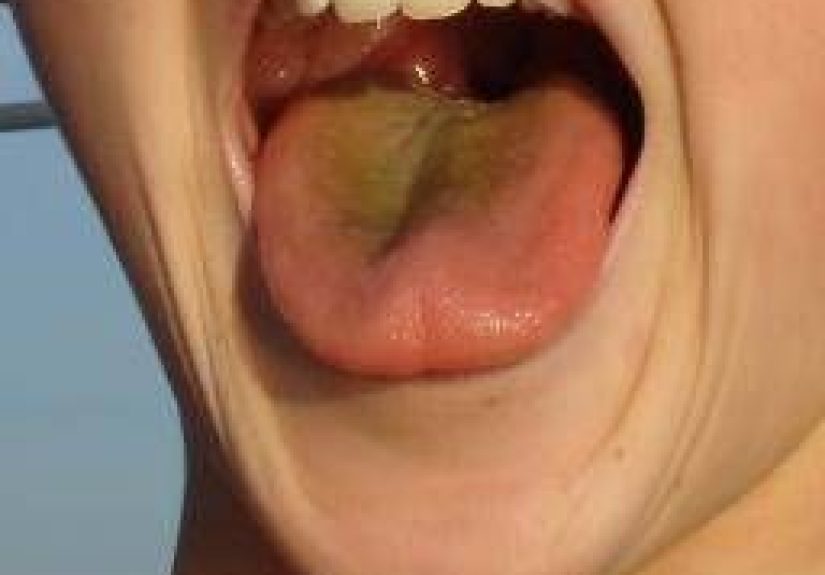
Most of the time, a yellow tongue is not dangerous. It’s usually a “surface-level” issueliterallycaused by a buildup of
dead cells, bacteria, and debris on the tongue’s tiny bumps (papillae). Think of it like a welcome mat that hasn’t been shaken out in a while.
But occasionally, a yellow coating can point to an infection or an underlying health problem that deserves attention.
This guide breaks down the most common causes, what you can do at home, and the red flags that mean it’s time to call a dentist
or doctorno doom scrolling required.
What “Yellow Tongue” Usually Means
A healthy tongue is typically pink with a thin, normal coating. A yellow tongue usually happens when that coating gets thicker
and then picks up coloreither from bacteria, yeast, food/drink pigments, tobacco, or changes in saliva.
One of the most common patterns is an early stage of black hairy tongue (don’t worrythe name is scarier than the condition).
In this situation, the tongue’s papillae don’t shed as efficiently, they grow longer than usual, and they trap more “stuff.”
That trapped buildup can look yellow, tan, brown, or black depending on what’s staining it.
Common (Usually Harmless) Causes of a Yellow Tongue
1) Buildup from oral hygiene gaps (yes, the tongue counts)
Your tongue has texture, and texture collects residue. If brushing and flossing are inconsistentor if your tongue never gets cleaned
bacteria and debris can hang out long enough to form a visible coating. Bad breath often tags along like an unwanted plus-one.
2) Dry mouth (not enough saliva)
Saliva is your mouth’s natural rinse cycle. When you’re dehydrated, mouth-breathing, sleeping with your mouth open, or dealing with
dry-mouth side effects from medications, your tongue gets less “self-cleaning.” That can lead to thicker coating and discoloration.
Dry mouth is especially common with certain allergy medications, decongestants, antidepressants, and blood pressure meds.
If your mouth feels sticky, your throat feels dry at night, or you’re suddenly guzzling water just to talk comfortably, this could be your clue.
3) Smoking or vaping (plus tobacco stains)
Tobacco and nicotine products can dry out the mouth and stain the tongue’s surface. They also change the oral environment,
making it easier for buildup to stick around.
4) Coffee, tea, and strongly pigmented foods
Dark drinks and richly colored foods don’t just stain teeththey can tint tongue coating too. If your “yellow tongue” appears after a week of
extra coffee and disappears after a few days of better hydration and tongue cleaning, staining was probably the main culprit.
5) Certain mouthwashes or oral products
Some productsespecially harsh or alcohol-containing rinsescan contribute to dryness or irritation in some people.
That doesn’t mean mouthwash is “bad,” but it does mean the right product and routine matter.
6) Recent antibiotics or changes in the oral microbiome
Antibiotics can shift the balance of bacteria and yeast in the mouth. Sometimes that promotes coating changes or yeast overgrowth.
If your yellow tongue appeared during or soon after antibiotics, keep this possibility on the list.
Less Common Causes That May Need Treatment
Oral thrush (yeast overgrowth)
Oral thrush usually causes creamy white patches, but depending on lighting, thickness, and what’s mixed into the coating,
it can look off-white or yellowish. Thrush may cause soreness, burning, altered taste, and patches that can bleed if scraped.
Thrush is more likely if you use inhaled steroids (like for asthma/COPD), have diabetes, wear dentures, have a weakened immune system,
or recently took antibiotics.
Acid reflux/GERD
Reflux doesn’t directly “dye” the tongue yellow, but frequent acid exposure can irritate oral tissues, contribute to bad taste,
and sometimes overlap with dry mouth and coating changes. If you also notice heartburn, sour taste, regurgitation, chronic cough,
or symptoms that worsen after meals or when lying down, reflux might be part of the story.
Jaundice (rare, but important)
Rarely, yellow discoloration in the mouth can be associated with jaundiceexcess bilirubin in the bloodstreamoften from liver or bile duct issues.
This is not the most common reason for a yellow tongue, but it’s a reason to pay attention to the rest of your symptoms.
How to Get Rid of a Yellow Tongue at Home
If you feel well otherwise and the only symptom is discoloration, home care is a reasonable first step. The goal is to:
(1) remove buildup, (2) reduce drying/staining triggers, and (3) let the tongue’s surface reset.
Step 1: Clean the tongue (gently, consistently)
- Use a toothbrush (soft bristles) to brush the tongue from back to front a few times.
- Or use a tongue scraper with light pressurethink “wipe condensation off a mirror,” not “sand a deck.”
- Rinse after each pass to remove debris.
Step 2: Upgrade the basics
- Brush twice daily with fluoride toothpaste.
- Clean between teeth daily (floss, picks, or interdental brushes).
- Replace your toothbrush regularly and after illness.
- Stay hydratedwater is boring but wildly effective.
Step 3: Address dry mouth
- Drink water throughout the day (especially if you talk a lot or exercise).
- Chew sugar-free gum or suck on sugar-free lozenges to stimulate saliva.
- Use a humidifier at night if your room is dry.
- Ask a dentist or clinician about dry-mouth rinses or saliva substitutes if symptoms persist.
Step 4: Reduce stain and irritation triggers for a week
- Cut back on coffee/tea or rinse with water afterward.
- Avoid tobacco.
- If mouthwash seems to worsen dryness, switch to a gentler option or use it less often.
Step 5: Be cautious with “home chemistry”
Some self-care guidance suggests occasional gentle brushing of the tongue with a properly diluted hydrogen peroxide solution.
If you try anything like this, dilution and frequency matter, and it’s best to confirm with a dentistespecially for kids,
people with mouth ulcers, or anyone with sensitive oral tissues. Never swallow peroxide solutions.
When to See a Doctor or Dentist
Get professional advice if the yellow tongue is persistent, worsening, or paired with other symptoms. Practical rules of thumb:
Make an appointment soon if:
- The discoloration lasts more than 1–2 weeks despite good tongue cleaning and hydration.
- You have pain, burning, swelling, or a strong change in taste.
- You see thick patches that bleed when gently scraped.
- You have frequent dry mouth, new bad breath, or trouble swallowing.
- You’re at higher risk for infections (e.g., diabetes, cancer treatment, immune suppression) and symptoms appear suddenly.
Seek urgent medical care if you notice jaundice signs, such as:
- Yellowing of the eyes or skin
- Dark urine or unusually pale stools
- Significant abdominal pain, fever, confusion, or feeling very unwell
If you’re unsure, a dentist is often an excellent first stop for tongue and mouth changes. They can identify benign coating issues,
thrush, irritation, medication-related dryness, and signs that warrant medical evaluation.
What a Clinician May Do to Figure It Out
Most cases are diagnosed by a quick history and an oral exam. Depending on what they see, they might:
- Ask about smoking/vaping, coffee/tea intake, recent antibiotics, inhaler use, and oral hygiene routine.
- Check for dry mouth, denture fit, and gum inflammation.
- Evaluate whether the coating looks like black hairy tongue, thrush, or simple staining.
- In certain situations, take a gentle swab or scraping, or recommend medical tests if systemic illness is suspected.
Prevention: Keeping Your Tongue Out of the “Yellow Zone”
- Clean your tongue regularly (brush or scrape gently).
- Hydrate and treat dry mouth early.
- Limit tobacco and manage staining drinks.
- Rinse your mouth after inhaled steroid use (and use a spacer if recommended).
- Keep up with routine dental visits.
FAQ
Is a yellow tongue contagious?
Usually, nobuildup and staining aren’t contagious. Thrush involves yeast overgrowth and can sometimes be shared in certain contexts,
but it typically reflects an imbalance or risk factor in the person who develops it.
Can kids get yellow tongue?
Yes, but the “why” can differ. Dehydration, mouth breathing, diet, and oral hygiene can play a role. In infants and young children,
white/yellow mouth patches may suggest thrush and deserve a call to a pediatric clinician.
Should I scrape hard to “get it all off”?
No. Aggressive scraping can irritate the tongue and make things worse. Gentle and consistent wins.
If it doesn’t improve with normal care, that’s your cue to get checked rather than escalating to tongue “power tools.”
Real-Life Experiences: What a Yellow Tongue Usually Feels Like (and What People Learn)
People often describe the moment they notice a yellow tongue as a mix of surprise and suspicionlike the tongue has been sneaking snacks
at midnight without telling anyone. In reality, the most common experience is incredibly boring (which is good news): you look in the mirror,
see a yellowish coating toward the back of the tongue, and realize you haven’t cleaned your tongue in… well… ever.
After a few days of brushing the tongue gently and drinking more water, it fades and life returns to normal.
A second common storyline involves dry mouth. Someone starts a new allergy medicine or antidepressant, or they’ve been traveling,
sleeping in a dry hotel room, and breathing through their mouth at night. They wake up with that “desert-mouth” feeling and notice the tongue looks
more coated than usualsometimes yellowish. What surprises people is how much saliva matters. Once they hydrate, add sugar-free gum,
and stop treating coffee like a water substitute, the tongue often looks dramatically better.
Then there’s the “my tongue looks weird and my breath could peel paint” crew. This group often finds that the yellow coating is tied to
bacteria and debris hanging around. Many people report that tongue cleaning doesn’t just change the colorit changes how the whole mouth feels.
The first time they use a tongue scraper, they’re equal parts impressed and horrified. (Yes, that was in your mouth.)
The good news is that gentle daily cleaning tends to reduce odor and coating quickly.
Some experiences are more medical. People who develop thrush often report discomfort: a burning tongue,
sensitivity to spicy foods, and patches that don’t brush away easily. They might have recently taken antibiotics or used an inhaled steroid
and then notice their mouth feels “off.” Once treated with appropriate antifungal medication (and the underlying trigger is addressed),
they usually feel relief fastsometimes within daysthough finishing the full course matters to prevent a rebound.
Another pattern is the person who notices yellow tongue alongside classic reflux complaintssour taste,
throat irritation, symptoms after meals, or discomfort when lying down. Their “aha” moment is realizing the tongue change isn’t necessarily
the main problem, but a side effect of a mouth environment that’s been irritated and dried out. Managing reflux (and improving oral care)
tends to help the tongue look more normal over time.
Finally, some people learn an important lesson about “context.” A yellow tongue alone is usually minor; a yellow tongue plus
yellow eyes/skin, dark urine, or feeling truly ill is a different situation. In those cases, people are glad they didn’t stop at
“maybe I need a new toothbrush” and instead got evaluated promptly. The big takeaway from most real-world experiences is this:
start with the basics, watch for red flags, and don’t ignore persistent changesyour tongue is not supposed to become a long-term art project.
Conclusion
A yellow tongue is most often caused by harmless buildup, staining, or dry mouthand it usually improves with tongue cleaning,
better hydration, and a few habit tweaks. But if discoloration persists beyond a couple of weeks, causes discomfort, or comes with
concerning symptoms (especially signs of infection or jaundice), it’s worth getting checked. A dentist or doctor can quickly sort out
whether this is simple coating or something that needs targeted treatment.