Table of Contents >> Show >> Hide
- First, meet the oregano family: herb vs. oil vs. tea
- What’s in oregano that gets researchers interested?
- Benefits of oregano: what’s most supported (and what’s still a maybe)
- 1) Antioxidant support (strong lab evidence, practical dietary value)
- 2) Antimicrobial activity (impressive in vitro, limited human proof)
- 3) Inflammation and immune signaling (promising, not a cure-all)
- 4) Digestive comfort (traditional use + plausible mechanisms)
- 5) Respiratory comfort (tea is popular; evidence is mixed)
- 6) Skin and scalp use (topical potential, but dilution is non-negotiable)
- Oregano oil: where most of the hype (and risk) lives
- Oregano tea: benefits, how to make it, and who it’s best for
- Safety: the “please read this” section
- Buying oregano products: how to choose without getting played
- The bottom line: what oregano can do for you
- Experiences With Oregano, Oregano Oil, and Oregano Tea (Real-Life, Not Fairy-Tale)
- SEO Tags
Oregano is the herb you shake over pizza like you’re blessing it for good behavior. But somewhere along the way,
oregano also picked up a second identity: “the one that might help with everything from germs to gut drama.”
Add oregano oil and oregano tea into the mix, and suddenly you’ve got a whole oregano extended universeeach form
with different strengths, different evidence, and very different “please don’t do that” safety rules.
This guide breaks down what oregano can realistically do, what the research actually supports, and how to use
oregano, oregano oil, and oregano tea without turning your wellness routine into a spicy science experiment.
(Spoiler: oregano oil is not the same thing as eating Italian food, even if your heart wants it to be.)
First, meet the oregano family: herb vs. oil vs. tea
Oregano (the herb)
Culinary oregano is the leafy herb (often Origanum vulgare) used fresh or dried in cooking. In normal food
amounts, it’s mostly a flavor boost with some naturally occurring plant compounds. Think of it as “daily life oregano.”
It’s low drama, easy to use, and generally very safe.
Oregano oil (two things people mean)
Here’s where confusion starts. “Oregano oil” can mean:
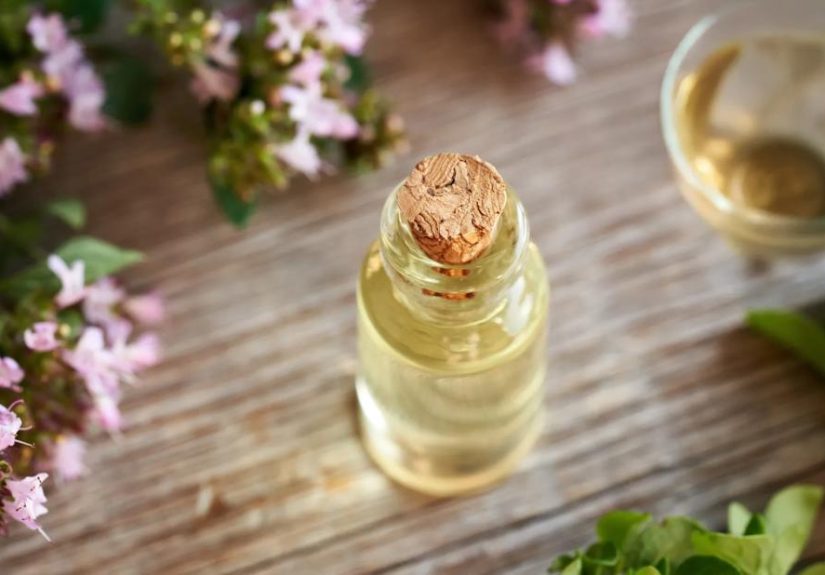
- Oregano essential oil: a highly concentrated oil distilled from the plant.
- Oil of oregano supplement: often an extract in a carrier oil or capsule, sometimes standardized.
Essential oil is the ultra-concentrated stuffpowerful aroma, potent chemistry, and a short list of ways to use it safely.
Supplements vary widely by brand and concentration, which is why labels and professional guidance matter.
Oregano tea (the gentler cousin)
Oregano tea is an infusion: fresh or dried oregano steeped in hot water. It’s the least concentrated option and often
used as a soothing warm drink. It may deliver some beneficial compounds, but usually in smaller amounts than extracts
or essential oils.
What’s in oregano that gets researchers interested?
Oregano is rich in aromatic plant compoundsespecially phenols and terpenesthat plants use to protect themselves.
In humans, these compounds may have antioxidant, antimicrobial, and anti-inflammatory effects (mostly shown in lab
studies and early research). The “headline” molecules you’ll see mentioned most often include:
- Carvacrol (a major compound in many oregano oils)
- Thymol
- Rosmarinic acid and other polyphenols
- Flavonoids and phenolic acids (vary by plant, growing conditions, and processing)
Oregano also has measurable antioxidant capacity in lab testing. That sounds impressiveand it isyet a key reality
check is that “antioxidant-rich” doesn’t automatically translate into “clinically proven to treat a condition.”
Most nutrition science lives in the land of promising, not miraculous.
Benefits of oregano: what’s most supported (and what’s still a maybe)
1) Antioxidant support (strong lab evidence, practical dietary value)
Oregano contains a range of antioxidant compounds. In lab tests, dried oregano can rank among herbs with high
antioxidant capacity. In everyday life, using oregano regularly (in sauces, marinades, soups, eggs, roasted vegetables)
is a simple way to add plant compounds to mealsespecially if you already like the flavor.
Practical takeaway: oregano is a smart “upgrade herb.” It won’t replace a diet rich in fruits and vegetables, but it can
help you stack small wins. Bonus: making food taste better often nudges people toward cooking more at home, which is
a sneaky health benefit all by itself.
2) Antimicrobial activity (impressive in vitro, limited human proof)
Oregano essential oil (and key compounds like carvacrol and thymol) shows antimicrobial effects in test-tube studies.
Researchers have explored oregano oil against various bacteria and fungi in controlled settings. That’s one reason oregano
oil shows up in conversations about “natural antimicrobials.”
Butand this is the important buttest-tube success doesn’t guarantee real-world results inside the human body.
Your gut, skin, and airways are not sterile petri dishes. Dose, absorption, metabolism, and safety all complicate the story.
So, oregano oil shouldn’t be treated as a DIY replacement for prescribed treatment, especially for serious infections.
3) Inflammation and immune signaling (promising, not a cure-all)
Oregano’s plant compounds have been studied for anti-inflammatory activity in lab and animal research. That helps explain
why oregano has a long tradition in folk medicine and why modern wellness culture keeps rediscovering it every few years
like it’s a brand-new invention.
Practical takeaway: oregano belongs in the “supportive habits” categoryalongside sleep, movement, and a balanced diet.
It’s not a magical “immune booster,” but it can be part of a reasonable wellness routine.
4) Digestive comfort (traditional use + plausible mechanisms)
People have used oregano traditionally for digestive complaints. As a warm tea, it may feel soothing when your stomach is
mildly unhappyespecially if the discomfort is stress-related or linked to heavy meals.
That said, concentrated oregano oil can cause GI upset in some people (heartburn, nausea, diarrhea). So the “digestive”
benefit depends heavily on the form: tea and culinary oregano are gentler; oils and supplements are more likely to irritate.
5) Respiratory comfort (tea is popular; evidence is mixed)
Oregano tea is commonly used when someone feels congested or has a scratchy throat. Warm fluids can loosen mucus and
soothe irritation, and oregano’s aromatic compounds may add a “clearer breathing” sensation for some people.
Here’s the honest take: warm tea itself is often the hero of the story. Oregano may contribute some helpful compounds,
but strong clinical evidence for oregano products treating colds is limited. If you’re sick, use oregano tea as comfort
and treat it like comfort, not a medical intervention.
6) Skin and scalp use (topical potential, but dilution is non-negotiable)
Oregano essential oil is sometimes used topically for its antimicrobial properties, especially for localized concerns.
The catch: essential oils can irritate skin, trigger allergic reactions, and burn sensitive areas if used incorrectly.
“Natural” does not mean “gentle.”
If you use oregano essential oil on skin, dilution and patch testing matter. Many people do better with a low dilution
(think “a tiny amount in a carrier oil”) and limited application. Avoid eyes, mucous membranes, and broken skin unless
advised by a clinician.
Oregano oil: where most of the hype (and risk) lives
Oregano oil gets the spotlight because it’s concentrated. Concentration is great for researchand great for marketing
but it also magnifies side effects. It’s the difference between eating a jalapeño and drinking pure capsaicin.
Same family, wildly different experience.
Potential upsides
- Strong lab antimicrobial activity (useful in research settings and some topical applications).
- Potent aromatic compounds that may contribute to antioxidant and anti-inflammatory effects.
Potential downsides
- GI irritation: heartburn, nausea, stomach upsetespecially at higher doses.
- Skin irritation: burning, rash, or sensitization if used undiluted.
- Drug interactions: possible increased bleeding risk and other interactions.
- Quality variability: supplements aren’t FDA-approved like drugs; products can differ a lot.
Oregano tea: benefits, how to make it, and who it’s best for
Oregano tea is the most beginner-friendly form if you’re exploring oregano for wellness. It’s easy, inexpensive, and
generally less likely to cause side effects than concentrated oils.
How to make oregano tea at home
- Bring water to a gentle boil.
- Add 1–2 teaspoons dried oregano (or a small handful of fresh leaves) to a mug or teapot.
- Pour in hot water and cover.
- Steep 5–10 minutes, then strain.
- Optional: add honey, lemon, or ginger. (Translation: make it taste like you want to drink it.)
What oregano tea may help with (realistic expectations)
- Comfort when you’re congested or have a scratchy throat
- Warm hydration, which supports general recovery and digestion
- Mild digestive ease after heavy meals for some people
Safety: the “please read this” section
Oregano as a culinary herb is generally safe. The safety conversation mostly applies to oregano oil, oregano essential oil,
and high-dose supplements. If you remember one line, make it this: the more concentrated the product, the more
careful you should be.
People who should be cautious (or avoid concentrated oregano products)
- Pregnant or breastfeeding individuals (medicinal amounts may not be safe; ask a clinician).
- People on blood thinners or with bleeding disorders (oregano may increase bleeding risk).
- People with diabetes using glucose-lowering medication (some sources caution about blood sugar effects).
- Anyone with allergies to plants in the mint family (Lamiaceae) or with sensitive skin.
- Children, especially with essential oils (higher risk of toxicity and skin reactions).
Topical oregano essential oil: a safer approach
If you’re using oregano essential oil on skin, dilution helps reduce irritation. A conservative approach is to start with
a low dilution (around 1%)for example, about 1 drop of essential oil per teaspoon (5 mL) of carrier oil.
Patch test on a small area first. If redness, burning, or itching shows up, stop.
Ingesting oregano essential oil: proceed with professional guidance
Essential oils are concentrated chemical mixtures. Swallowing them “neat” (undiluted) can be risky. If a product is sold
for oral use, follow label directions and consider checking with a pharmacist or clinicianespecially if you take medications
or have chronic health conditions.
If a child swallows essential oil or someone has concerning symptoms (trouble breathing, persistent vomiting, confusion),
treat it like a poisoning risk and seek urgent help.
Buying oregano products: how to choose without getting played
For culinary oregano
- Dried oregano is convenient and strong-flavoredgreat for sauces and roasted dishes.
- Fresh oregano is brighter and more aromaticgreat in salads, marinades, and finishing touches.
- Store dried oregano in a cool, dark place and replace when it smells like dust instead of “pizza night.”
For oregano tea
- Choose a food-grade dried herb from a reputable seller.
- Look for a strong aroma and a clean ingredient list (oregano, not “oregano-ish vibes”).
For oregano oil supplements
- Prefer brands that provide third-party testing or quality verification.
- Check the label for concentration, serving size, and form (capsule vs liquid extract).
- Be skeptical of medical claims. Supplements are not FDA-approved for treating disease, and quality varies.
The bottom line: what oregano can do for you
Oregano is a legitimately useful herbculinarily and potentially as a wellness support. The strongest, most practical
benefits come from using oregano as food: it adds flavor, provides antioxidant compounds, and makes healthy cooking
more enjoyable.
Oregano tea is a gentle, comforting option when you want something warm and soothing. Oregano oil is where research
looks exciting, but it’s also where safety and hype collide. If you use oregano oil, treat it like a concentrated product:
use small amounts, follow directions, and don’t replace real medical care with a bottle of spicy confidence.
Experiences With Oregano, Oregano Oil, and Oregano Tea (Real-Life, Not Fairy-Tale)
If you ask a room full of people about oregano, you’ll get three very different “experiences,” depending on which form
they triedand how brave (or reckless) they felt that day.
With culinary oregano, the experience is usually the happiest one. People often notice that oregano makes
simple meals taste “complete”like tomatoes finally found their soulmate. A sprinkle in marinara, a pinch in scrambled eggs,
or a shake over roasted vegetables can make healthy food feel less like homework. And because the herb is so flavorful,
many people report they use less salt without trying too hard. That’s not oregano acting like a medicine; it’s oregano acting
like a tiny chef on your shoulder saying, “Relax, I’ve got the flavor covered.”
With oregano tea, the most common experience is comfort. People tend to reach for it when they’re feeling
stuffed up, run down, or mildly stomach-grumpy. The ritual matters: boiling water, steeping something fragrant, holding a warm
mug, and taking slow sips. Sometimes the “benefit” is simply that you paused long enough to hydrate and breathe. Many folks
describe oregano tea as earthy and slightly pepperymore “savory soup-adjacent” than “cute café beverage.” That’s why adding
honey and lemon is popular: it nudges the taste toward cozy instead of “did I accidentally steep pizza toppings?”
With oregano oil, experiences split into two camps: “this is strong” and “THIS IS STRONG.” People who use
oregano oil topically often say the first thing they notice is warmthsometimes a pleasant warming sensation, sometimes a
not-so-pleasant “why is my skin spicy?” moment. That’s where dilution becomes the difference between “interesting” and
“regret.” A common real-life pattern is that someone tries it undiluted once, learns immediately, and then becomes the
neighborhood’s unofficial spokesperson for carrier oils. Patch testing also tends to convert people into believersbelievers
that yes, your skin can absolutely throw a tantrum over an essential oil.
For oral supplements, the experience is often about the stomach. Some people feel nothing (which can be good), some report
heartburn or burping with a strong herbal taste, and others decide it’s not worth the drama. The most grounded experiences
are the ones where people treat oregano oil like a short-term experiment, not a forever habitespecially if they’re also
taking medications. Those who do it thoughtfully typically pay attention to timing, dose, and whether it’s helping the specific
reason they started. If the goal was “support during cold season,” many people end up keeping the tea and ditching the oil
because tea feels nicer and doesn’t pick a fight with their digestion.
The biggest “experience-based” lesson is simple: oregano works best when it stays in its lane. Use the herb to make food
delicious. Use the tea for comfort and hydration. Use oregano oil only with respect for concentration and safety. When you
match the form to the goal, oregano feels like a helpful ally. When you don’t, it can feel like the herb equivalent of a
motivational speaker yelling in your face.