Table of Contents >> Show >> Hide
- Build a Thanksgiving Menu That Actually Fits Your Oven
- The Main Event: Turkey Recipes and Game-Changing Techniques
- Stuffing (or Dressing): The Cozy Carb That Steals the Show
- Gravy That Doesn’t Panic-Reduce
- Thanksgiving Side Dishes Everyone Actually Wants
- Breads & Butter: Rolls That Deserve the Gravy
- Desserts Worth Saving Room For
- Make-Ahead Timeline: A Stress-Free Thanksgiving Plan
- Leftovers: The Encore Performance
- Real-World Thanksgiving Cooking Experiences (and What They Teach)
- Conclusion
- SEO Tags
Thanksgiving recipes are basically America’s edible group project: one person’s in charge of the turkey,
someone “brings a salad” (it’s always a bowl of cheese cubes), and at least one cousin shows up with a pie
that’s still half-frozen. The good news? You don’t need culinary superpowers to pull off a memorable Thanksgiving.
You need a smart menu, a few reliable techniques, and a plan that doesn’t involve sprinting between oven and sink
like you’re training for the Kitchen Olympics.
This guide is a practical, flavor-forward roundup of classic Thanksgiving recipesturkey, stuffing, gravy, sides,
rolls, and dessertsplus make-ahead strategies and real-world cooking lessons so your holiday tastes like comfort,
not chaos. Expect specific tips, easy upgrades, and a little humor, because if you can’t laugh at the cranberry sauce
“situation,” what can you laugh at?
Build a Thanksgiving Menu That Actually Fits Your Oven
Before you pick recipes, pick your reality. The best Thanksgiving menu is the one you can execute with your space,
your time, and your guest list. A balanced Thanksgiving plate usually has:
a main (turkey or alternative), a rich carb (stuffing), a creamy side (mashed potatoes), a bright note (cranberry or
salad), a green vegetable, bread, and dessert.
Two sample menus (steal these)
- Classic Crowd-Pleaser: Roast turkey, sausage-sage stuffing, gravy, mashed potatoes, green bean casserole, cranberry sauce, dinner rolls, pumpkin pie.
- Modern + Lighter: Spatchcock turkey (or herb-roast turkey breast), cornbread dressing, make-ahead gravy, roasted Brussels sprouts with lemon, sweet potato casserole with pecan topping, cranberry-orange sauce, pull-apart rolls, apple crisp.
Pro move: choose one “wow” dish and keep the rest familiar. Thanksgiving isn’t the day to audition your new
fermented parsnip foam. Save that for a random Tuesday when no one can stop you.
The Main Event: Turkey Recipes and Game-Changing Techniques
Turkey gets a bad reputation because it’s often cooked like a punishment. But turkey can be juicy, flavorful,
and crisp-skinnedif you treat it like meat, not a holiday decoration.
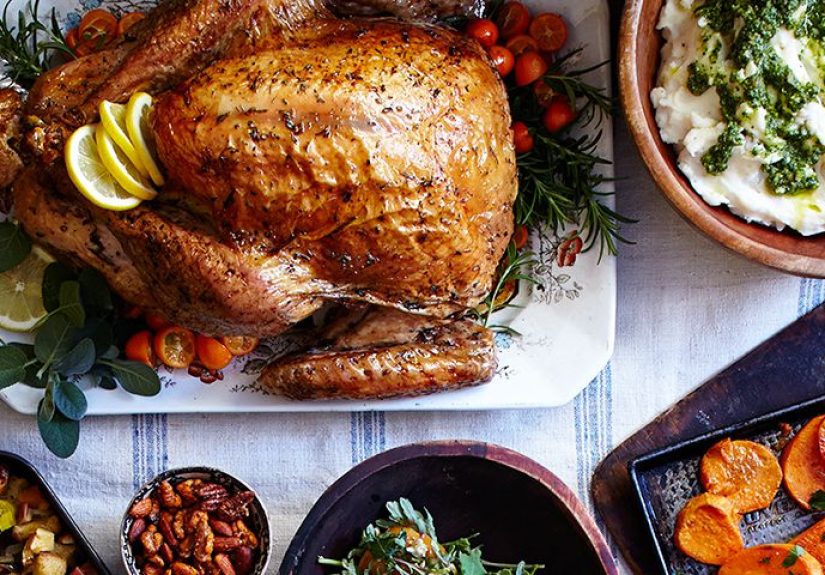
Recipe path #1: Classic roast turkey (simple and dependable)
A classic roast turkey is all about seasoning early, roasting evenly, and using a thermometer like you mean it.
Here’s the approach:
- Season ahead: Salt the turkey (inside the cavity and on the skin) 12–24 hours before roasting. Add herbs if you want, but salt is the real MVP.
- Dry the skin: Pat the turkey dry before it goes in the oven. Dry skin = crisp skin.
- Roast with purpose: Start at a moderate temperature and finish hotter if you want extra browning. Rest the turkey before carving so juices redistribute.
- Cook to temperature: Aim for 165°F in the thickest parts (breast and thigh) for safety and best texture.
Flavor upgrade: rub softened butter (or oil) with salt, pepper, and herbs under the skin. It feels a little weird
the first time. Then you taste it and immediately become the family “turkey person.”
Recipe path #2: Spatchcock turkey (faster, crispier, more even)
Spatchcocking means removing the backbone and flattening the bird. It increases surface area (hello, crispy skin),
helps white and dark meat cook more evenly, and cuts roasting time. If your Thanksgiving goal is “less waiting, more eating,”
this is the move.
How to make it feel doable:
ask a butcher to remove the backbone, or use sturdy kitchen shears. Dry-brine the flattened turkey overnight,
then roast it on a sheet pan or in a large roasting pan. You’ll also get better drippings distribution for gravy.
Turkey safety and thawing (so your holiday stays fun)
If you’re using a frozen turkey, thawing is not a same-day activity unless you enjoy stress.
Refrigerator thawing generally takes about 24 hours for every 4–5 pounds. Cold-water thawing can take
roughly 30 minutes per pound (with the water changed regularly).
Do not thaw on the counterroom temperature is where bacteria throw a party.
Once thawed, keep the turkey cold and cook it within a day or two. And yes: a thermometer beats “the juices run clear”
every single time.
Stuffing (or Dressing): The Cozy Carb That Steals the Show
Stuffing is the dish everyone claims they “only take a little of,” then mysteriously refills their plate.
The secret to great stuffing is texture: crisp edges, custardy center, and enough flavor to stand up to turkey.
Bread strategy: dry is good (no, really)
The drier the bread, the better it absorbs broth while still holding its shape. You can air-stale bread,
but you can also oven-dry cubes for speed and consistency. Either way, avoid bread that’s still soft in the middle;
it turns stuffing into wet pillow energy.
Flavor base that tastes like Thanksgiving
- Aromatics: onions + celery sautéed in butter
- Herbs: sage is the headline, thyme is the backup singer
- Depth: sausage, mushrooms, or roasted nuts
- Moisture: broth + eggs (for a custardy set)
Stuffing safety (the non-negotiable)
Baking stuffing outside the bird is the safest and most predictable method. When stuffing cooks inside the turkey,
you can end up overcooking the meat while waiting for the center of the stuffing to reach a safe temperature.
If you love the “turkey-juices” flavor, bake dressing separately and stir in a little pan drippings at the end.
You get the best of both worlds: juicy turkey and stuffing that doesn’t play temperature roulette.
Gravy That Doesn’t Panic-Reduce
Great gravy tastes like you worked all dayeven if you didn’t. The easiest way to upgrade gravy is to start with
flavorful stock and add drippings at the end.
Make-ahead gravy (your future self will cry happy tears)
You can make gravy days ahead using turkey wings (or drumsticks), onions, carrots, and herbs to build a deep base,
then cool and freeze it. On Thanksgiving Day, reheat and whisk in the turkey drippings for that “just made” flavor.
This single step can remove the most stressful five minutes of the entire holiday.
Quick gravy fixes
- Too thin: simmer longer or whisk in a small slurry (flour/cornstarch + cold water) gradually.
- Too thick: thin with warm stock, a splash at a time.
- Needs brightness: a tiny squeeze of lemon or a few drops of vinegar can wake it up.
- Needs depth: a spoon of drippings, a pinch of salt, or a touch of soy sauce (yes, really) can round it out.
Thanksgiving Side Dishes Everyone Actually Wants
Mashed potatoes: fluffy, creamy, and not glue
For mashed potatoes, the big rule is: don’t overwork the starch. Use a ricer or food mill for smooth potatoes
without turning them gummy. Warm your dairy (milk/cream) so it blends easily, and fold it in gently.
If you like ultra-rich potatoes, add more butter and a little cream cheese for tang and body.
Sweet potato casserole: choose your vibe
Sweet potato casserole can be dessert-in-disguise or savory-and-cozy. A classic version uses mashed sweet potatoes
with butter and warm spices, topped with marshmallows. A more grown-up version swaps marshmallows for a crunchy pecan
crumble (brown sugar + butter + nuts) for contrast. If you have guests who “don’t like sweet sides,” try a savory topping
(breadcrumbs, herbs, a little Parmesan) so it eats more like stuffing’s cousin.
Green bean casserole: nostalgic for a reason
Green bean casserole is a Thanksgiving icon because it’s creamy, salty, and crunchy all at once. The ultra-classic
route uses green beans, creamy mushroom soup, and crispy fried onions. If you want to upgrade it, use better beans
(fresh or frozen), add sautéed mushrooms, and save some fried onions for the very end so they stay crunchy.
Cranberry sauce: the easiest “homemade flex”
Homemade cranberry sauce takes about 10–15 minutes and tastes brighter than canned.
Simmer cranberries with sugar and water (or orange juice), then add orange zest, a pinch of salt, and optional warm spices.
The berries pop, the sauce thickens as it cools, and suddenly your table has a bold, tangy note that cuts through all the richness.
You can make it days ahead and chill itThanksgiving miracles do exist.
One green vegetable that isn’t an afterthought
Pick something with texture and a little bitterness to balance the meal:
roasted Brussels sprouts with lemon, garlicky green beans, or a simple salad with vinaigrette.
Thanksgiving is a feast, but it shouldn’t feel like you swallowed a blanket.
Breads & Butter: Rolls That Deserve the Gravy
If you’re baking rolls, make them ahead. Many dinner roll recipes can be shaped, chilled, and baked lateror frozen
and thawed/rised on the big day. That means you can serve warm, buttery rolls without spending Thanksgiving morning
whispering “why did I do this to myself” into a bowl of flour.
Easy upgrade
Brush rolls with melted butter as they come out of the oven. Add flaky salt if you want applause.
(Not required, but highly encouraged.)
Desserts Worth Saving Room For
Pumpkin pie: silky filling, crisp crust, no cracks
Great pumpkin pie is a texture game: custardy filling, not watery; browned edges, not burnt; crust that’s crisp, not soggy.
Consider pre-baking (blind baking) the crust if your recipe calls for it, especially if you’re worried about a soft bottom.
Want more flavor? Add a layer of nutty sweetness (like a pecan-brown sugar mixture) under the filling for a subtle “wow.”
Doneness tip: pumpkin pie should still have a slight jiggle in the center when it’s done. Overbaking can cause cracks
and a dry texture, so pull it when the center is set but not stiffit will finish setting as it cools.
Backup dessert ideas (in case pumpkin isn’t everyone’s love language)
- Apple crisp: easier than pie, still iconic, and loves vanilla ice cream.
- Pecan bars: big pecan pie energy, less slicing drama.
- Brownies: the universal peace treaty dessert.
Make-Ahead Timeline: A Stress-Free Thanksgiving Plan
Thanksgiving feels easiest when you treat it like a mini project plan (but tastier).
Here’s a realistic schedule you can adapt:
3–2 days before
- Shop for ingredients and check you have basics: salt, butter, stock, foil, a thermometer.
- Make cranberry sauce and refrigerate.
- Make pie dough (or buy it; no judgment) and prep crumb toppings.
- If making gravy ahead, cook it and freeze or chill.
1 day before
- Dry-brine/season the turkey and refrigerate uncovered (helps crisp the skin).
- Cube and dry bread for stuffing; prep aromatics.
- Peel/cut potatoes and store submerged in cold water in the fridge.
- Bake pies or desserts that benefit from chilling overnight.
Thanksgiving Day
- Roast turkey (and rest it before carving).
- Bake stuffing and casseroles while turkey rests.
- Reheat gravy, finish with drippings.
- Warm rolls and serve everything hot-ish at the same time (the true holiday miracle).
Leftovers: The Encore Performance
Thanksgiving leftovers are not an accident. They’re a feature. Plan for them. A few ideas:
- The legendary sandwich: turkey + gravy + stuffing + cranberry sauce on a roll.
- Turkey soup: simmer the carcass for stock, add veggies and noodles or rice.
- Stuffing remix: press into a waffle iron or skillet to crisp, then top with a fried egg.
- Pie for breakfast: not a recipe, just a lifestyle.
Real-World Thanksgiving Cooking Experiences (and What They Teach)
If you’ve ever hosted (or helped host) Thanksgiving, you learn quickly that recipes are only half the story.
The other half is timing, temperature, and the emotional resilience required to answer, “When will we eat?”
every twelve minutes. Here are some tried-and-true, real-kitchen lessons that make Thanksgiving recipes work
in the wild.
1) The turkey doesn’t care what time you “planned” to eat.
Turkeys run on their own schedule. Oven quirks, starting temperature, pan size, and even how often the door opens
can change cook time. That’s why a thermometer is the most calming tool in the kitchen. It turns guessing into knowing.
The best hosts build in a buffer: cook the turkey early enough that it can restand if it finishes ahead of schedule,
it can stay warm while sides bake. Guests rarely complain that food is ready on time; they absolutely complain when
everyone is hangry at 6:45.
2) One dish always becomes the unexpected star.
You can spend days perfecting the turkey, and the thing people talk about is “those potatoes” or “that cranberry sauce.”
That’s not a failureit’s Thanksgiving magic. It also means your menu doesn’t need ten complicated dishes. Pick two
that you’ll make really well (maybe turkey and gravy), keep a few classics simple (green bean casserole, rolls),
and let the meal feel generous instead of performative.
3) Make-ahead is not cheating; it’s wisdom.
Cooks who look relaxed on Thanksgiving are not naturally calmerthey’re just finished with half the work.
Cranberry sauce made days ahead tastes better once flavors meld. Gravy made ahead removes pressure from the final minutes.
Dessert baked the day before means you’re not praying to the pie gods while guests arrive. When people say, “How did you do all this?”
the honest answer is: “Earlier.”
4) Texture is what separates ‘fine’ from ‘wow.’
Thanksgiving plates can be delicious but monochrome in texturesoft turkey, soft potatoes, soft stuffing, soft casserole.
The meals people remember tend to have contrast: crisp turkey skin, crunchy fried onions, toasted pecans on sweet potatoes,
a bright cranberry bite, a salad with tangy vinaigrette. If you’re improving Thanksgiving recipes, focus less on adding
new dishes and more on adding crunch, brightness, and aroma to the ones you already love.
5) The best Thanksgiving flavor is confidence.
Nothing derails a cook faster than second-guessing. If your family loves classic recipes, make the classic recipes.
If you want one modern twistspatchcock turkey, a pecan-crumble sweet potato casserole, or a punchier cranberry sauce
do that, then keep the rest comforting. Thanksgiving is not a competition. It’s a memory-making machine, and the best
meals happen when the cook is present, not trapped in a spiral of perfectionism.
In other words: pick reliable Thanksgiving recipes, plan your timeline, trust your thermometer, and remember that
the goal isn’t a flawless tableit’s a table people want to linger around. If you can do that, you’re already winning.
Conclusion
The best Thanksgiving recipes aren’t just tastythey’re doable. Build a menu that fits your oven, lean on proven techniques
(season ahead, bake stuffing safely, make gravy in advance), and choose sides that balance rich flavors with bright contrast.
With a little planning and a lot of butter, you can serve a Thanksgiving dinner that feels warm, classic, and joyfully
un-stressful. And if something goes slightly sideways? Congratulations: you just created a family story that will be
told every year forever. That’s tradition, baby.