Table of Contents >> Show >> Hide
- What is diabetes burnout, really?
- Common signs you might be burned out
- Why diabetes burnout happens
- Forms of finding relief: what actually helps
- 1) Name it without judging it
- 2) Shrink the task: pick one “minimum viable” habit
- 3) Build a “tough-day plan” (so you’re not improvising while exhausted)
- 4) Ask your healthcare team for a “simplify my plan” visit
- 5) Use diabetes education and support (not as homework, as relief)
- 6) Treat stress like a blood sugar variablebecause it is
- 7) Watch out for shame language (and replace it with data language)
- 8) Bring in mental health supportearly, not as a last resort
- 9) Make your environment kinder: reduce friction
- 10) Rebuild motivation with values, not fear
- Specific examples: relief plans that work in real life
- When to get extra help quickly
- Conclusion: relief is possibleand it usually starts with less pressure, not more
- Experiences that many people reportand what helped (extra)
- Experience 1: “I’m tired of being the only one who notices.”
- Experience 2: “I feel judged by my own numbers.”
- Experience 3: “Food feels like math and drama at the same time.”
- Experience 4: “I’m burned out… and then I feel guilty for being burned out.”
- Experience 5: “I don’t want diabetes to be my whole personality.”
Diabetes management is a lot like owning a high-maintenance pet you didn’t adopt on purpose:
it needs attention every day, it has opinions about your schedule, and it will absolutely
wake you up at inconvenient times. If you’re feeling mentally, emotionally, and physically worn out
by the constant decisionsnumbers, food, meds, appointments, insurance calls that feel like escape roomsyou’re not “bad at diabetes.”
You’re human.
This article breaks down what diabetes burnout (often linked with “diabetes distress”) looks like,
why it happens, and practical ways to find reliefwithout pretending you can “just be more disciplined.”
We’ll keep it real, specific, and doable, because nobody needs another inspirational quote when their glucose meter is already judging them.
What is diabetes burnout, really?
Diabetes burnout is a state of emotional exhaustion and disengagement from diabetes self-care.
You may know what to do, and still feel unable to do it consistently. It’s not laziness; it’s overload.
It often overlaps with diabetes distress, which describes the emotional strain of living with a demanding chronic condition.
The key idea: this is a response to a heavy workloadnot a character flaw.
Diabetes burnout vs. depression: similar vibes, different needs
Burnout and depression can look alikelow energy, reduced motivation, feeling “over it.” But they aren’t the same thing.
Diabetes distress/burnout is typically tied directly to diabetes tasks and worries (numbers, complications, costs, stigma, fear of lows).
Depression is a broader mood condition that affects many parts of life. The best move is not to self-diagnose from one paragraph on the internet
(even if it’s an excellent paragraph), but to notice patterns and talk to your healthcare team.
Common signs you might be burned out
Burnout can be loud or sneaky. Here are some common patterns:
- Decision fatigue: you’re tired of thinking about carbs, timing, and numbers.
- Avoidance: not checking glucose, delaying refills, skipping appointments, or “forgetting” tasks you never used to forget.
- All-or-nothing thinking: “If I can’t do it perfectly, why do it at all?”
- Shame spiral: feeling like every high or low is a personal failure.
- Emotional overload: irritability, numbness, or constant worryespecially about complications or hypoglycemia.
- Body burnout: sleep issues, tension, and fatigue that make everything harder.
Why diabetes burnout happens
Diabetes asks you to do ongoing self-management that most people don’t have to think about: food choices, activity, medication timing,
monitoring, problem-solving, and planning for “what if.” Even on good days, it’s a lot.
On bad days, it’s a lot plus work stress, family stuff, money issues, or being a person with feelings.
Burnout accelerators (a.k.a. the usual suspects)
- Relentless responsibility: diabetes doesn’t take weekends off.
- Fear of highs/lows: especially if you’ve had scary episodes before.
- Stigma and “diabetes policing”: unsolicited advice like, “Should you be eating that?” (No. Nobody should be saying that.)
- Financial strain: medication costs, supplies, insurance hassles.
- Major life transitions: moving, new job, pregnancy planning, school changes, travel, illness, or new complications.
- Perfection pressure: treating glucose like a report card instead of feedback.
Forms of finding relief: what actually helps
Relief doesn’t usually come from one dramatic “comeback moment.” It comes from reducing load, increasing support, and building
small systems that work on your worst daysnot just your best days.
1) Name it without judging it
The first relief tool is weirdly simple: call it what it is. “I’m burned out.” “I’m overwhelmed.” “I’m dealing with diabetes distress.”
Naming it helps shift the story from “I’m failing” to “I’m overloaded,” which is a solvable problem.
2) Shrink the task: pick one “minimum viable” habit
When everything feels heavy, aiming for a perfect routine can backfire. Instead, choose one small action that creates stability.
Examples:
- Check glucose at one consistent time daily (like before breakfast).
- Set a single medication reminder (even if everything else is messy).
- Prep one “default” meal you can repeat (a reliable breakfast is a superhero move).
- Take a 10-minute walk after one meal per day.
The point is not to “do less forever.” The point is to build traction and reduce shame. Progress loves consistency more than intensity.
3) Build a “tough-day plan” (so you’re not improvising while exhausted)
Burnout is worst when you’re forced to make lots of decisions while drained. A tough-day plan is a short checklist you can follow when motivation is low.
Try this:
- Do the safety basics: take essential meds, do at least one glucose check, hydrate.
- Use defaults: pick from 2–3 easy meals/snacks you already know work for you.
- Lower the bar on everything else: you’re protecting your health, not winning a productivity contest.
4) Ask your healthcare team for a “simplify my plan” visit
Many people try to solve burnout with more willpowerwhen the real solution is often a better-fitting treatment plan.
Bring a direct request to your clinician or diabetes educator:
“I’m burned out. Can we simplify this?”
Practical options may include adjusting medication schedules, reducing complexity, addressing side effects,
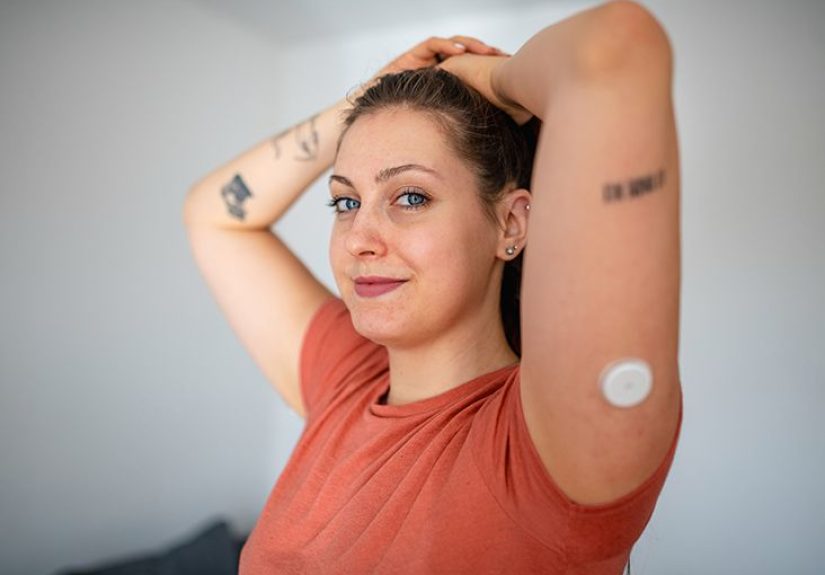
updating targets, or exploring tech that reduces decision load (like continuous glucose monitoring alerts or easier dosing routines).
This is also a good time to discuss barriers like cost, sleep, and fear of hypoglycemia.
5) Use diabetes education and support (not as homework, as relief)
Diabetes self-management education and support (often called DSMES) can help you troubleshoot challenges,
reduce overwhelm, and build skills that save you energy long-term. Think of it as outsourcing the mental load to someone trained to help you.
6) Treat stress like a blood sugar variablebecause it is
Stress can push blood sugar up or make it harder to predict. And high/low swings can worsen mood and fatiguean exhausting feedback loop.
You don’t need a perfect zen lifestyle; you need a few repeatable stress tools that work in real life.
- Breathing resets: 60–90 seconds of slow breathing before meals or bedtime.
- Micro-breaks: stand, stretch, or walk for 2 minutes between tasks.
- Sleep protection: a consistent bedtime “wind-down” cue (dim lights, phone away, same playlist).
- Boundaries: “I can’t discuss my food choices today” is a complete sentence.
7) Watch out for shame language (and replace it with data language)
Shame turns every number into a verdict. Data turns numbers into information. Try replacing:
“I was bad” with “My glucose ran high after that mealwhat can I tweak next time?”
This one shift can reduce burnout dramatically, because it stops the daily self-judgment loop.
8) Bring in mental health supportearly, not as a last resort
Talking with a therapist (especially someone familiar with chronic illness), joining a support group,
or using structured approaches like cognitive behavioral strategies can help with overwhelm, fear of lows,
and the “I’m tired of this forever” feeling. If you’re noticing persistent sadness, loss of interest, or major changes in sleep/appetite,
talk to a healthcare professional promptly.
9) Make your environment kinder: reduce friction
Burnout often improves when you remove tiny daily obstacles. A few examples:
- Keep supplies in two places (home and bag) so you’re not constantly repacking.
- Set up auto-refills or calendar reminders for prescription renewals.
- Create a “diabetes landing zone” (one drawer/bin) so things don’t disappear into the household Bermuda Triangle.
- Batch tasks: once a week, do the “supplies check” and schedule it like an appointment.
10) Rebuild motivation with values, not fear
Fear-based motivation (“If I don’t do this, something bad will happen”) is exhausting and often backfires.
Values-based motivation lasts longer: “I want energy to play with my kids,” “I want to feel steady at work,”
“I want fewer surprise lows,” “I want to protect my future options.” Pick one value and connect one small habit to it.
Specific examples: relief plans that work in real life
Example A: “I’m avoiding glucose checks because I dread the numbers.”
Relief plan: Check once per day at the time you feel least judged (often morning). Don’t change anything for a weekjust observe.
Write one neutral note: “High todaysleep was short,” or “Steadier todaywalk helped.” After a week, decide on one small tweak.
This turns monitoring into information, not punishment.
Example B: “I’m overwhelmed by food decisions.”
Relief plan: Create three default meals you can rotate. Keep “backup foods” on hand for chaotic days
(Greek yogurt, nuts, eggs, frozen veggies, pre-cooked protein, or whatever fits your plan and budget).
The goal is fewer decisions, not culinary perfection.
Example C: “I’m exhausted and everything feels harder.”
Relief plan: Ask your clinician to review sleep, medication side effects, dosing timing, and glucose patterns.
Consider whether night-time highs/lows are disrupting rest. Protect a consistent wind-down routine.
Add one small movement habit that boosts energy without demanding a full workout.
When to get extra help quickly
Burnout is common, but you shouldn’t have to carry it alone. Reach out to a healthcare professional promptly if:
- You feel persistently down, anxious, or emotionally “flat” for weeks.
- You’re frequently skipping essential medications or avoiding care.
- Fear of hypoglycemia is controlling your daily choices.
- You feel unsafe or unable to manage day-to-day taskstell a trusted adult or seek urgent medical help.
Conclusion: relief is possibleand it usually starts with less pressure, not more
Diabetes burnout doesn’t mean you’ve failed. It means the system you’re using right now asks too much from you without enough support.
Relief comes from simplifying where you can, building tiny “minimum viable” habits, getting practical help from your care team,
and treating mental health as part of diabetes carenot a side quest.
And if today all you can do is one small stepone check, one refill, one short walk, one honest conversationcount it.
That’s not falling behind. That’s rebuilding.
Experiences that many people reportand what helped (extra)
People don’t experience diabetes burnout in one universal way. It’s more like a playlist of stress, and everyone’s “top tracks” are different.
Below are common lived-experience patterns people describeplus realistic relief moves that tend to help. (No miracle cures. No “have you tried smiling?” energy.)
Experience 1: “I’m tired of being the only one who notices.”
Many people with diabetes describe a lonely kind of responsibility: you’re the one who remembers supplies, readings, appointments,
and that weird thing your body does when you’re stressed. Even supportive family members may not understand the constant mental load.
Over time, that can feel isolatinglike you’re running a 24/7 project and you’re also the project manager.
What often helps: making support specific. Instead of “I need help,” try “Can you pick up my prescription this week?” or
“Can you be my reminder buddy for two days while I reset?” Many people say their support improves when they stop asking for vague empathy
and start asking for concrete, limited tasks. It also helps to explain what support should not look like (“Please don’t comment on my food.”).
Experience 2: “I feel judged by my own numbers.”
A lot of people describe glucose numbers as emotionally loaded. A high reading can feel like a failing grade. A low can feel like your body
betraying you mid-errand. If you’ve ever avoided checking because you “don’t want to know,” you’re in very crowded company.
Avoidance is the brain’s way of dodging stressunhelpful long-term, but understandable.
What often helps: creating a “neutral data ritual.” People report better consistency when they pair a check with a calm cue:
sit down, take one slow breath, check, and label it neutrally (“information”). Some even change the language they use: “My glucose is high”
instead of “I messed up.” Over time, reducing shame makes the routine easier.
Experience 3: “Food feels like math and drama at the same time.”
People frequently describe meal decisions as exhaustingespecially when life is busy. It’s not just counting carbs; it’s predicting the future:
“Will this spike me? Will I go low later? Did I sleep enough? Am I stressed? Am I walking later?” That’s a lot of forecasting for a sandwich.
What often helps: default meals and “good enough” planning. Many people report relief when they pick 2–3 breakfasts and 2–3 lunches
that work reliably, then keep dinner flexible. The goal is fewer decision points. Another common win: a short grocery list of “assembly foods”
(protein + fiber + something you enjoy) so meals are easier without feeling like punishment.
Experience 4: “I’m burned out… and then I feel guilty for being burned out.”
The emotional double-stack is real: you feel exhausted, then you feel bad for feeling exhausted, then you’re even more exhausted.
People often describe a loop of perfectionism: if they can’t be consistent, they assume they’re not trying hard enough.
But diabetes is influenced by stress, hormones, sleep, illness, routines, and medication timingso perfect control isn’t a realistic standard.
What often helps: setting “stability goals” instead of “perfect goals.”
Stability goals sound like: “I’m going to take my meds consistently,” “I’m going to check once daily,” or “I’m going to follow up with my clinician.”
Many people report that once stability returns, they naturally rebuild more habits without forcing it.
Experience 5: “I don’t want diabetes to be my whole personality.”
Some people describe a quiet grief: the time and attention diabetes takes can crowd out hobbies, spontaneity, and rest.
Even well-meaning advice can make you feel like you’re “the diabetes person” instead of a whole human.
What often helps: scheduling non-diabetes identity timeon purpose. People report better resilience when they protect
one or two weekly moments that are about joy, not optimization: a show, a craft, a friend hang, a walk with music, a sport, a game.
It’s not frivolous; it’s fuel.