Table of Contents >> Show >> Hide
- Quick answer: Is mayo gluten free?
- Mayonnaise ingredients 101 (and why they’re usually gluten-free)
- Where gluten can sneak into mayo
- What “gluten-free” means on a U.S. label (and why it matters)
- How to find gluten-free mayo in the store (without losing your mind)
- Examples: what to choose (and what to question)
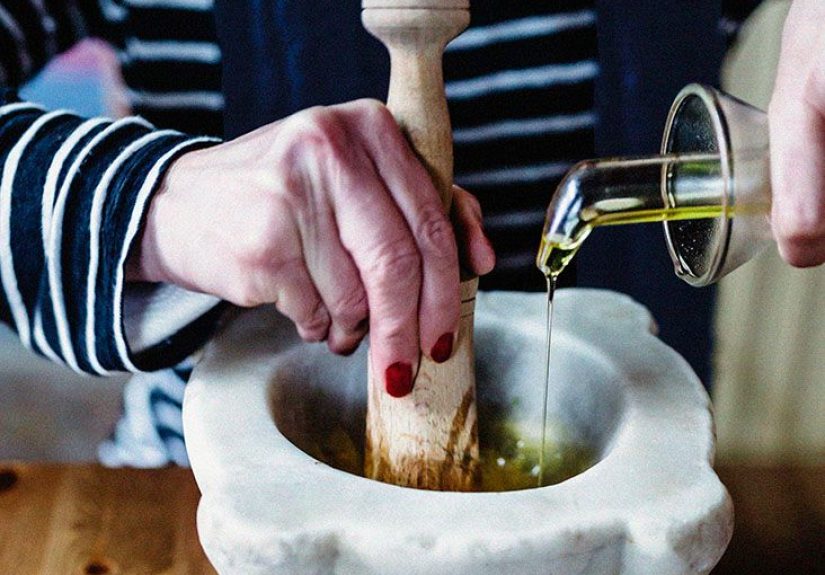
- Is homemade mayo gluten free?
- Gluten-free mayo outside the grocery store: restaurants, delis, and packets
- A simple gluten-free mayo checklist
- FAQ: quick questions people actually ask at the mayo shelf
- Real-World Experiences: Is mayo gluten free in everyday life?
- Conclusion
Mayo has a way of showing up everywhere: on deli sandwiches, in tuna salad, as the “secret sauce” in burgers,
and in that suspiciously delicious dip your friend swears is “just a little something.” If you eat gluten-free,
one tiny question can turn into a whole detective novel: Is mayo gluten free?
The good news: most mayonnaise is naturally gluten-free. The annoying news: “most” is not “always,”
and the risk is less about classic mayo and more about flavored versions, label loopholes, and cross-contact.
Let’s break it downingredients, labeling, and practical shopping tipsso you can get back to the important work of
turning fries into a vehicle for creamy joy.
Quick answer: Is mayo gluten free?
Usually, yes. Traditional mayonnaise is an emulsion made from ingredients that don’t contain gluten:
oil, egg yolk, an acid (like vinegar or lemon juice), and seasonings. That’s why many mainstream and specialty brands
sell gluten-free mayonnaise, and some label it clearly.
But you should pause if the mayo is:
- Flavored (chipotle, bacon-style, sriracha, “burger sauce,” truffle, etc.)
- Reduced-fat, light, or fat-free (often uses thickeners/starches)
- Served in restaurants/delis (cross-contact is a real thing)
- Made with “malt” ingredients (a common gluten red flag)
Mayonnaise ingredients 101 (and why they’re usually gluten-free)
In the U.S., mayonnaise is typically built on a classic formula that includes a high percentage of vegetable oil,
egg yolk (or egg yolk-containing ingredients), and an acidifying ingredient like vinegar. In plain English:
it’s mostly oil held together by egg and acid like a delicious science project.
Common mayo ingredients
- Oil (soybean, canola, avocado, sunflower, etc.)
- Eggs/egg yolks (or egg-free alternatives in vegan mayo)
- Vinegar or lemon juice
- Salt
- Mustard (sometimes)
- Sugar (some brands; not all)
- Spices/natural flavors
- Preservatives (varies by brand)
None of those are gluten-containing by default. The gluten trouble usually starts when a product adds:
malt vinegar, certain flavorings, or starches used to change texture.
Where gluten can sneak into mayo
Think of gluten in mayonnaise like glitter at a craft party: it’s not supposed to be there, but it can show up anyway
if you don’t control the environment.
1) Malt vinegar (the classic “gotcha”)
Some mayonnaiseespecially certain “specialty” or “light” stylesmay use malt vinegar,
which is typically derived from barley (a gluten-containing grain). If you see
malt vinegar, malt extract, or malt flavoring,
treat it as a stop sign unless the product is explicitly labeled gluten-free.
2) Thickeners and starches (more common in light/fat-free)
Reduced-fat or fat-free mayo often needs help to feel creamy. That’s where thickeners come in, such as
modified food starch or other starch-based stabilizers. In the U.S., if a starch ingredient is
derived from wheat, wheat generally must be declared on the label (because wheat is a major allergen).
Still, if you’re highly sensitive or managing celiac disease, it’s smartest to choose products that are
labeled gluten-free or certified.
3) “Natural flavors” and seasonings (rare, but worth scanning)
Most “natural flavors” in mayo won’t contain gluten, but flavored mayo blends can include complex ingredients.
For example, “teriyaki,” “soy sauce,” or certain spice blends can be a source of gluten if they’re not formulated
carefully. The fix is simple: stick to labeled gluten-free mayo when the ingredient list starts
reading like a novella.
4) Cross-contact during manufacturing
Even if the ingredients are gluten-free, gluten can be introduced if a facility makes other products containing
wheat/barley/rye and doesn’t fully control cross-contact. This is why many people prefer mayonnaise that is
labeled gluten-freeit signals the manufacturer is meeting a defined standard and addressing
cross-contact risks.
5) Cross-contact at home, restaurants, and delis (the breadcrumb tragedy)
The most common real-life issue isn’t a mysterious gluten ingredientit’s a crumby knife.
If someone spreads mayo on regular bread, then dips the same knife back into the jar, you’ve got gluten cross-contact.
This is especially risky for people with celiac disease.
What “gluten-free” means on a U.S. label (and why it matters)
In the U.S., “gluten-free” is a voluntary labeling claim, but it has a real definition: foods labeled “gluten-free”
must meet a threshold (commonly discussed as less than 20 parts per million of gluten) and must not
contain certain gluten-containing grains or ingredients that haven’t been processed to remove gluten.
Translation: a gluten-free label is not just vibes. It’s a meaningful shortcut when you’re shopping,
especially for items like condiments where cross-contact can happen easily and ingredients can vary across flavors.
Certified gluten-free vs. “gluten-free” on the label
Some products go a step further and carry a certified gluten-free seal from an independent program.
Certification programs often require additional auditing and testing and may use a stricter gluten threshold than the
general labeling definition. If you’re extremely sensitive, certification can provide extra peace of mind.
How to find gluten-free mayo in the store (without losing your mind)
Here’s a practical, repeatable process you can use in under a minute per jar. Yes, even when you’re hungry.
Especially when you’re hungry.
Step 1: Look for “gluten-free” on the front
If it’s clearly labeled gluten-free, that’s usually the simplest choice. Many mainstream and
specialty brands label at least some mayo varieties gluten-free, and many plant-based mayos do as well.
Step 2: Scan the ingredient list for red flags
Watch for:
- Malt vinegar, malt extract, malt flavoring
- Beer or beer-derived ingredients (rare in mayo, but common in “beer mustard” style spreads)
- Wheat (usually clearly listed)
- Flavor blends that might contain gluten (e.g., some “soy sauce” blends unless specified gluten-free)
Step 3: Check allergen statements (helpful, but not the whole story)
If a product contains wheat, it’s often called out clearly because wheat is a major allergen.
But remember: barley is not one of the major allergens, so barley-derived ingredients can show up as
“malt” without a big “contains” warning. That’s why scanning for the word malt matters.
Step 4: Consider your risk level
Not everyone avoids gluten for the same reason. If you have celiac disease, you typically need strict avoidance,
including cross-contact precautions. If you’re avoiding gluten for personal preference, your comfort level may be
different. Either way, buying mayo that is labeled gluten-free is the easiest all-around solution.
Examples: what to choose (and what to question)
You don’t need a single “perfect” brandjust a smart approach. Here are common categories you’ll see:
Mainstream “classic” mayo (often labeled gluten-free)
Many classic mayonnaise products are made with gluten-free ingredients and may be labeled gluten-free depending on
the variety and region. Some major brands even publish guidance about which of their mayonnaise products are
considered gluten-free. Always verify the specific product you’re holding, since formulas and labeling can change.
Southern-style mayo (often labeled gluten-free)
Some popular Southern mayonnaise brands state their mayonnaise is gluten-free, including on official FAQ pages.
If you love a tangier profile, this category can be a strong optionjust read the label for flavored versions.
Avocado oil and “clean ingredient” mayo (commonly gluten-free, sometimes certified)
Specialty mayos made with avocado oil are frequently marketed as gluten-free (and sometimes certified),
and often skip ingredients like soy. These are great if you want a straightforward label and a premium oil base.
Plant-based/vegan mayo (often gluten-free, but confirm flavors)
Many vegan mayo alternatives are labeled gluten-free. The biggest risk tends to be in flavored varieties or
cross-contact depending on facility practicesso again, labels and certification help.
Light/fat-free mayo (more label-reading required)
This is where you’ll most often see thickeners and stabilizers, so it’s the category where a gluten-free label
is especially helpful.
Is homemade mayo gluten free?
Yeshomemade mayonnaise is naturally gluten-free when you use gluten-free ingredients.
It’s basically oil + egg yolk + acid + seasoning. The main watch-outs are:
- Using a vinegar that contains gluten (for example, malt vinegar)
- Adding flavor boosters that may contain gluten (certain sauces, seasoning blends, or soy sauce)
- Cross-contact from utensils or cutting boards used for breaded foods
If you’re making mayo at home for someone with celiac disease, keep it boring in the best way:
clean tools, simple ingredients, and no mystery spice blends.
Gluten-free mayo outside the grocery store: restaurants, delis, and packets
Restaurant mayo is often gluten-free by ingredients, but the bigger issue is cross-contact. Mayo gets spread on bread,
then the utensil goes back into the container or touches other foods. If you’re highly sensitive, consider these moves:
- Ask for single-serve packets when possible
- Ask how mayo is handled (shared knives/spreaders are a risk)
- Choose condiments in squeeze bottles for shared settings when available
- Be extra cautious at sandwich counters where bread crumbs are everywhere (they truly are)
A simple gluten-free mayo checklist
- Best bet: Choose mayo labeled gluten-free (or certified gluten-free).
- Read for “malt” (malt vinegar/extract/flavoring).
- Be cautious with flavored and light versions unless labeled gluten-free.
- Prevent breadcrumb contamination at home: separate jar, clean utensils, or squeeze bottles.
- When in doubt: pick a brand with clear gluten-free guidance and consistent labeling.
FAQ: quick questions people actually ask at the mayo shelf
Is mayonnaise safe for celiac disease?
Many mayonnaise products are safe, especially those labeled gluten-free. For celiac disease, the biggest concerns are
malt ingredients and cross-contact (in factories, restaurants, or shared kitchens).
Does vinegar in mayo contain gluten?
Most vinegars used in mayonnaise (like distilled vinegar) are considered gluten-free, including many distilled
vinegars even when made from gluten-containing grains. However, malt vinegar is generally not
considered gluten-free unless specifically labeled as such.
What about “may contain wheat” statements?
Advisory statements like “may contain” are voluntary and often relate to shared facilities. If you need strict
avoidance, choose products labeled gluten-free and consider certified options.
Real-World Experiences: Is mayo gluten free in everyday life?
Facts and labels are great, but real life is where mayo really tests your gluten-free strategy. Here are
experiences many gluten-free eaters run intoand the lessons that make the next grocery trip (and the next cookout)
way easier.
1) The “shared jar” surprise
Someone in the house makes a sandwich on regular bread, uses a knife, and goes back in for a second scoop.
If you’re avoiding gluten for medical reasons, that second scoop can be a problemeven though the mayo itself
started out gluten-free. A simple fix that many families adopt: one mayo jar (or squeeze bottle) that’s
gluten-free only. Label it. Put it on a specific shelf. Treat it like a VIP.
2) The potluck dip dilemma
At a party, you see a creamy dip and think, “That looks safe.” Then you realize it’s surrounded by crackers
like it’s being guarded by crunchy bodyguards. Even if the dip was made with gluten-free mayo, the serving spoon
may have been used on crackers, and crumbs travel fast. People who eat strictly gluten-free often handle this by
bringing their own dip, asking for a fresh spoon, or sticking to foods they can verify (like veggies they serve
themselves from a clean platter).
3) The deli counter breadcrumb zone
Delis are wonderful, and also basically a museum of airborne bread crumbs. The mayo tub behind the counter might
be gluten-free by ingredients, but the spreader touches bread all day. Many gluten-free diners learn to ask for
mayo packets or request the sandwich without mayo and add their own. It feels a little extra…
until you realize it’s not extra, it’s just strategy.
4) The “light mayo” label rabbit hole
Some people switch to light or reduced-fat mayo and suddenly run into longer ingredient listsstarches, gums,
stabilizers. Most of these are gluten-free, but the label gets more complicated. A common experience is deciding,
“You know what? I’m going back to regular mayo that’s labeled gluten-free,” because it’s simpler and usually tastes
better anyway. (Your fries approve.)
5) The flavor craze: chipotle, sriracha, and “burger sauce”
Flavored mayo is fununtil it contains something like malt vinegar, a seasoning blend, or a sauce component that
isn’t gluten-free. People often find that the safest shortcut is buying plain gluten-free mayo and
mixing flavors at home: add hot sauce you trust, garlic, lemon, or herbs. You get the flavor, and you control the
ingredients. Plus, you can name your creation something ridiculous like “Spicy Dragon Mayo,” which improves taste
by at least 12% (scientifically unproven, emotionally true).
6) The confidence boost of certification
For those who are highly sensitive, certified gluten-free products can reduce anxietyespecially with condiments
that are used frequently and shared often. The experience many people describe is not just “I feel safer,” but
“I stop overthinking every sandwich.” That mental relief matters, and it’s why some shoppers happily pay a little
more for clearly labeled or certified gluten-free mayonnaise.
The big takeaway from all these experiences: mayo is usually gluten-free, but your environment might not be.
Choosing mayo that’s labeled gluten-free, preventing cross-contact at home, and being smart in shared food settings
can make mayonnaise the easy part of your gluten-free lifeexactly as it should be.
Conclusion
So, is mayo gluten free? In most cases, yestraditional mayonnaise is made from naturally gluten-free
ingredients. The times you need to be cautious are when mayo is flavored, light/fat-free,
or handled in environments where cross-contact is likely (hello, shared knives and deli counters).
Your simplest shopping strategy is also the best: choose mayonnaise that’s labeled gluten-free (or
certified), scan ingredients for malt, and protect your mayo at home from breadcrumb invaders.
With that, you can get back to living your best condiment lifegluten-free, confident, and just a little smug about
how good your potato salad tastes.