Table of Contents >> Show >> Hide
Bulk shopping is the retail version of a magic trick: you see a giant package, you assume you’re saving money, and somehow your kitchen ends up holding a lifetime supply of ketchup plus exactly zero extra dollars.
To be fair, buying in bulk can be smartif the product stays good, you’ll actually use it, and it won’t turn your pantry into a plastic-wrapped obstacle course. But for plenty of everyday items, bigger isn’t better. It’s just… bigger. And sometimes rancid. Or expired. Or mysteriously sticky.
Why “Bigger” Can Cost More
Bulk deals only work when three things are true:
- You’ll finish it before quality drops (stale, rancid, separated, weak, moldypick your villain).
- You can store it correctly (cool, dry, dark, sealedaka “not next to the stove in a half-open bag”).
- The unit price stays low after waste (half a “deal” tossed in the trash is just an expensive donation to your garbage can).
If any one of those fails, bulk buying turns into bulk wasting. So, in a Bob Vila-style reality check, here are the 14 things never to buy in bulkplus what to do instead.
14 Things Never to Buy in Bulk
1) Cooking Oils
Oil is basically a freshness race against light, heat, and oxygen. When it turns, it doesn’t politely “expire”it goes rancid and makes your food taste like you sautéed it in regret. Unless you cook with oil daily, huge bottles can outlast their best flavor window.
Buy instead: Smaller bottles you’ll use quickly, or boxed oil with better protection if you truly go through a lot. Store it sealed, cool, and away from the stove.
2) Eggs
A 36-pack looks heroic until you realize you’re not running a brunch restaurant. Eggs do have a decent fridge life, but most households don’t burn through bulk quantities fast enoughespecially if you’re also buying yogurt, berries, and the optimism to “meal prep.”
Buy instead: One to two dozen at a time (or whatever you reliably finish in a few weeks). If you need volume for baking or holidays, bulk makes sense for that specific week.
3) Bleach
Bleach feels immortallike a cockroach with a screw-top capbut it gradually loses punch over time (and faster with heat). Buying a gallon “just in case” often means you’re cleaning with a solution that’s more “suggestion” than disinfectant.
Buy instead: A smaller bottle, replaced regularly. Store it in a stable, cool spot and don’t stockpile unless you truly use it often.
4) Coffee
Coffee is at its best when it’s fresh. The bigger the bag, the more time air has to flatten flavor. If you’re buying in bulk, you’re basically betting your taste buds against timeand time is undefeated.
Buy instead: Smaller bags more often, or bulk beans only if you can freeze portions in airtight bags. Bonus: write the purchase date on the bag so you’re not guessing.
5) Spices
Spices don’t usually “spoil” dramatically, but they do fadeflavor, aroma, and potency slowly drift away. Bulk spices are a great way to own a Costco-sized jar of paprika that tastes like… red dust.
Buy instead: Smaller jars you can finish within a reasonable time, or share a bulk buy with friends and split into airtight containers stored away from heat and light.
6) Ketchup (and other condiments)
Condiments are tricky: unopened, they’re pretty sturdy. Opened, they’re a slow-moving fridge resident that quietly eats space for months. Oversize bottles are especially bad if your household uses ketchup as an occasional cameo rather than a leading actor.
Buy instead: Regular sizes, or shop sales when you’re close to running out. If you do buy large, commit to actually using itgrilled food season helps.
7) Sunscreen
Sunscreen is one of those products where “close enough” is not the vibe. It can lose effectiveness with time and poor storage (like roasting in a hot car or beach bag). Buying a mega-bottle that lasts three summers can leave you under-protected when you need it most.
Buy instead: One season’s worth. Store it cool, and replace if it’s expired, separated, weird-smelling, or has changed texture.
8) Brown Rice
Brown rice has more natural oils than white rice, which makes it more nutritiousand also more likely to go stale or rancid if it sits too long. A giant bag can become a “someday” pantry item… until someday smells off.
Buy instead: A size you’ll use within months, or store long-term portions in the freezer to slow quality loss.
9) Pain Killers (Over-the-counter meds)
Bulk bottles of ibuprofen or acetaminophen look economical until you realize most families won’t finish them before the expiration date. Also, medication is not the category where you want to play “probably fine.”
Buy instead: Modest sizes, rotate stock, and keep a small backupespecially for essentials. Ask a pharmacist about safe storage and disposal.
10) Baked Goods
Bread and bakery items are basically freshness on a countdown. You either eat them quickly, freeze them intentionally, or watch them evolve into science projects. Buying multiple loaves “because it’s cheaper” is how you end up throwing away half of them.
Buy instead: What you’ll eat in a week, plus freezer-friendly extras only if you actually freeze them the same day.
11) Beer
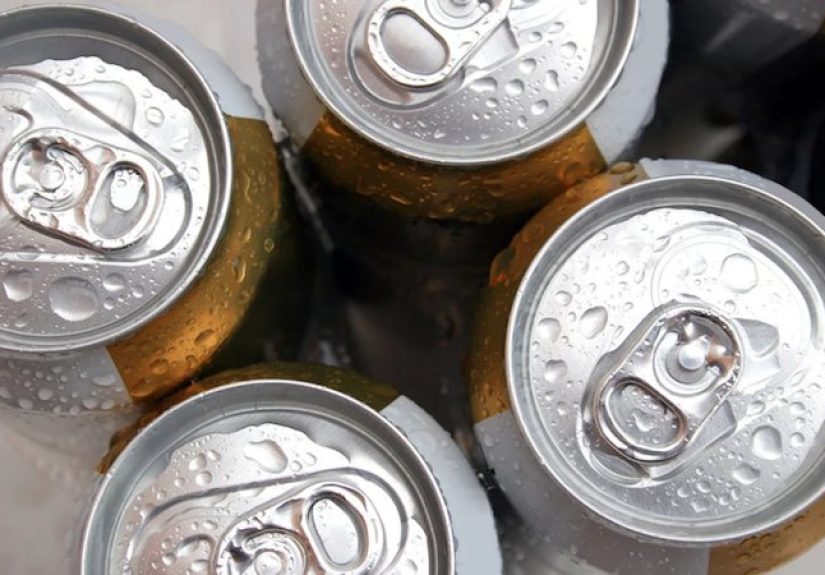
Beer doesn’t usually become dangerous when it gets oldit becomes disappointing. Time, heat, and light can dull flavor, especially for hop-forward styles. A bulk case is great for a party… less great as a six-month basement ornament.
Buy instead: Smaller amounts more often, and store cold and dark. If you’re stocking up for an event, buy closer to the date.
12) Detergent (laundry + dishwasher)
Detergents can lose effectiveness over time, and some forms can clump, separate, or absorb moistureespecially in humid laundry rooms. Bulk containers are also heavy, messy, and somehow always drip at the exact moment you’re wearing clean clothes.
Buy instead: A size you’ll use within months. If you love bulk, consider more shelf-stable options and store tightly sealed.
13) Makeup Multipacks
Multipacks are tempting, but many cosmeticsespecially eye-area products like mascarashould be replaced regularly for hygiene and safety. Buying a three-pack can mean you’re either using old makeup too long or tossing unopened product.
Buy instead: Single items you’ll use within recommended time frames. If you do buy extras, check dates and store them properly (cool, dry, not in a hot car).
14) Diapers
Diapers seem like the ultimate bulk buy… until your baby grows faster than your storage shelf can blink. Stockpiling too many in one size can leave you with a mountain of “almost fits.” Plus, long storage in heat/humidity can reduce performance.
Buy instead: A reasonable stash across the next size up, but don’t over-commit. If you do bulk, keep receipts and know return policies.
Smarter Bulk Shopping Rules (So You Still Save Money)
- Do the “finish line” test: Have you used that much of this item in the last 3–6 months?
- Know the enemy: For foods, it’s time + air + heat. For cleaners, it’s time + heat. For cosmetics, it’s time + microbes.
- Buy bulk only when storage is realistic: If it won’t fit neatly, it will become clutter. Clutter makes you forget what you own. Forgotten items become trash.
- Split bulk purchases: Team up with friends or family and divide into airtight containers immediately.
- Freeze strategically: Bread, some baked goods, and certain pantry items can last longer when frozen properlyjust don’t “plan to freeze later.” Later never comes.
Quick Cheat Sheet: Bulk Buys That Backfire
- Quality drops fast: oils, coffee, spices, brown rice, beer
- Perishables pile up: eggs, baked goods
- Effectiveness can fade: bleach, detergent, sunscreen
- Hygiene/expiration matters: painkillers, makeup
- Life changes quickly: diapers (because babies do not respect your inventory strategy)
Bulk-Buying Experiences (So You Don’t Have To)
Let’s talk about the real world, where bulk shopping isn’t a spreadsheetit’s a series of tiny choices that add up to either “wow, I’m so prepared” or “why do I own 40 pounds of rice and no idea what day it is.” Here are a few common scenarios that show how bulk buying goes sidewaysand how to fix it.
The Olive Oil Optimist: Someone buys a massive jug of olive oil because it’s “a better deal.” Six months later, the oil smells faintly like crayons and tastes flat. The lesson: if you don’t cook with oil constantly, bulk oil isn’t a bargainit’s an expensive experiment in oxidation. A smaller bottle used up in a few months tastes better and wastes less.
The Coffee Cliff: A family grabs a giant bag of beans and feels like a responsible adult. Week one is glorious. Week four is fine. Week eight tastes like someone whispered “coffee” into a cup of hot water. The fix: buy smaller bags or freeze in airtight portions. If you’re going to bulk-buy, you need a bulk-storage plan, not bulk-hope.
The Spice Rack Museum: Bulk spices are how you end up with a container of cinnamon that could season an entire pumpkin farm. It doesn’t “go bad,” but it does lose its punch. The next time your chili tastes dull, it might not be your recipeit might be your ancient cumin. The fix: smaller jars, or split bulk buys and label them with purchase dates.
The “I’ll Use It Eventually” Bleach: Bleach gets purchased like a doomsday supply, then stored in a garage that swings from freezing to sauna. Months later, it’s weaker, and you’re cleaning with confidence you didn’t earn. The fix: buy less, store it stable, and replace it on a schedule instead of stockpiling.
The Sunscreen Time Capsule: That jumbo sunscreen bottle lives in a beach bag, then a hot car, then a closet, then returns the next summer like nothing happened. But heat and time can reduce performance, and sun protection is not where you want “probably.” The fix: buy what you’ll use in one season, store it cool, and replace it when expired or degraded.
The Diaper Mountain: A well-meaning bulk diaper purchase becomes a tower of the wrong sizebecause babies are basically growth spurts wearing pajamas. The fix: keep a sensible stash, diversify sizes, and avoid over-buying one size unless you’re absolutely sure you’ll use it soon (and you know the return policy).
Bottom line: Bulk buying is a tool. Use it for the right jobs (nonperishables you truly use fast), and avoid it for products where time, storage, or life changes will win.
Final Takeaway
Bulk shopping should make your life easiernot turn your pantry into a time capsule of stale snacks and half-effective cleaners. Stick to “bulk” for items you reliably use, store properly, and finish before quality drops. For everything else, buy smaller, fresher, and smarteryour wallet will notice, and your trash can will feel personally attacked (in a good way).