Table of Contents >> Show >> Hide
- What Are Polyphenols, Exactly?
- Why People Care About Polyphenols
- Polyphenols Food List: Seasonings, Berries, and More
- 1) Seasonings: Herbs, Spices, and Flavor Boosters
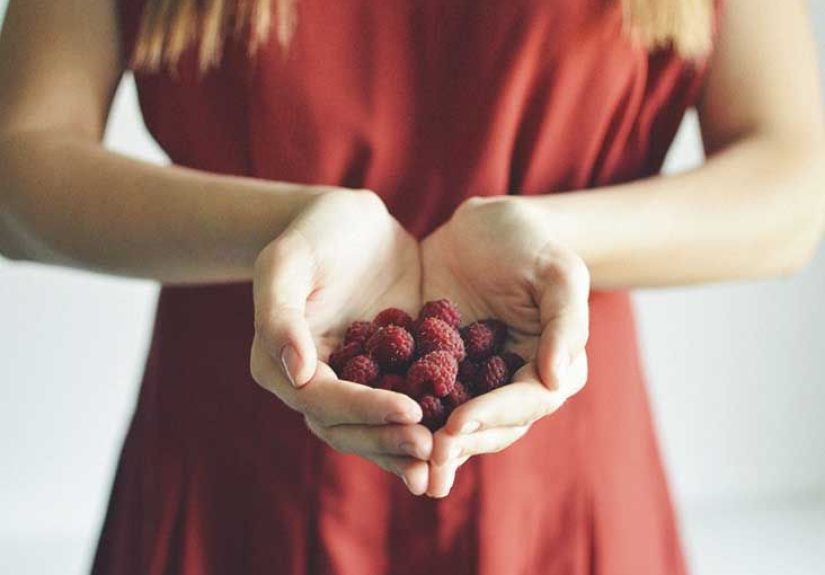
- 2) Berries: Small Fruit, Big Polyphenol Energy
- 3) Fruit (Beyond Berries): The “Eat the Skin” Advantage
- 4) Vegetables: The Quiet MVPs
- 5) Beans, Lentils, and Soy
- 6) Nuts and Seeds
- 7) Whole Grains (Yes, They Count)
- 8) Coffee, Tea, and Cocoa
- 9) Extra Virgin Olive Oil and Olives
- How to Eat More Polyphenols Without Becoming a Full-Time Salad
- Processing, Cooking, and the “Do Polyphenols Survive Heat?” Question
- Common-Sense Cautions (Because Your Body Is Not a Blender)
- A One-Day Polyphenol-Friendly Example (No Perfection Required)
- Conclusion: Your Best Polyphenol Strategy Is Flavor
- Everyday Experiences With Polyphenol-Rich Eating (About )
If you’ve ever wondered why blueberries stain everything they touch (including your soul, if you spill them on a white shirt),
or why oregano makes pizza taste like pizza, you’ve already met polyphenols. These naturally occurring plant compounds show up
in the foods that smell amazing, taste bold, and come in colors that look almost suspiciously vibrant.
This guide is your practical, real-world polyphenols food listwith a big spotlight on
seasonings and berries, plus the other everyday foods that quietly do a lot of heavy lifting.
You’ll get clear examples, simple ways to eat more of them, and a few “don’t overthink it” strategies so your pantry doesn’t
turn into a science project.
What Are Polyphenols, Exactly?
Polyphenols are a large family of bioactive compounds made by plants. Think of them as part of a plant’s
defense-and-survival toolkit: they help protect against UV light, pests, and environmental stress. For us, polyphenols often
behave like antioxidants and anti-inflammatory compounds, and they interact with the gut microbiome in interesting ways.
The Main Types You’ll See Mentioned
-
Flavonoids (the biggest group): includes anthocyanins (berries), flavanols/catechins (tea, cocoa),
flavonols like quercetin (onions, apples), and more. - Phenolic acids: common in coffee and many fruits/veg (think “plant tang”).
- Stilbenes: resveratrol is the celebrity example (grapes are a key non-alcoholic source).
- Lignans: found in seeds (especially flax) and whole grains.
Important note: polyphenols aren’t one “magic nutrient.” They’re a whole crowd of compounds, and their benefits are strongest
when you’re eating them as part of a balanced patternaka “real food, regularly.”
Why People Care About Polyphenols
Research links higher polyphenol intake with markers of better cardiometabolic health, largely because polyphenols can support
blood vessel function, help regulate oxidative stress, and influence inflammation pathways. Some of the best-studied examples
include cocoa flavanols and tea flavonoids. Still, the science is nuanced: effects depend on the specific compound, dose, the
rest of someone’s diet, and how the food is processed.
Translation: polyphenols are a smart “add more” target (more plants, more herbs and spices, more colorful produce), but they’re
not a cure, a detox, or a permission slip to ignore the basics like sleep, movement, and overall nutrition.
Polyphenols Food List: Seasonings, Berries, and More
Here’s the fun part. Use this as a mix-and-match list rather than a checklist. Variety matters because different plants contain
different polyphenol profiles.
1) Seasonings: Herbs, Spices, and Flavor Boosters
If polyphenols had a “best value” aisle, it would be the spice rack. Herbs and spices are concentrated plant materials, so even
small amounts can add up over timeplus they make healthy food taste like something you’d actually choose on purpose.
- Cloves: intensely concentrated; use a pinch in oatmeal, chai-style tea, or baked apples.
- Cinnamon: great in yogurt, smoothies, oatmeal, and even savory chili.
- Oregano, thyme, rosemary, sage: powerhouses for roasted veggies, marinades, and soups.
- Turmeric: pairs well with eggs, rice, lentils, and “golden” milk (use warm milk + turmeric + a little honey).
- Ginger: fresh or ground; excellent in stir-fries, tea, salad dressings.
- Cumin & chili peppers: bold flavor plus plant compoundsperfect for beans and taco-night veggies.
- Peppermint: try it as tea, or add a tiny amount to fruit salads for “wow, why is this so good?” energy.
- Parsley: not just decorationuse a big handful in salads, tabbouleh, or as a finishing herb.
2) Berries: Small Fruit, Big Polyphenol Energy
Berries are famous for anthocyaninsthe pigments that make them red, purple, and blue. Those colors aren’t just pretty; they’re a
clue you’re getting a dense mix of polyphenols. Fresh is great, but frozen berries count too (and are often more
affordable and consistently available).
- Blueberries: one of the most-studied berries for polyphenol content and potential cardiometabolic benefits.
- Blackberries & raspberries: fiber + polyphenols = a strong combo for everyday snacking.
- Strawberries: widely available and easy to add to breakfast.
- Cranberries: often consumed dried or as juicewatch added sugar; unsweetened options are best.
- Elderberries, chokeberries: very high in pigments; often found as frozen fruit, powders, or syrups.
3) Fruit (Beyond Berries): The “Eat the Skin” Advantage
Many fruit polyphenols concentrate in or near the peel. When it’s safe and edible, keeping the skin on (apples, pears, grapes)
can increase your polyphenol intake.
- Apples (skin on): classic source of flavonoids like quercetin.
- Grapes: red/purple varieties are especially rich in polyphenols.
- Cherries & plums: deep pigments, great in snacks or stirred into oatmeal.
- Pomegranates: a little effort, a lot of payofftry the arils on salads or yogurt.
- Citrus: flavanones show up here; use zest, too (it’s basically concentrated plant chemistry with a great smell).
4) Vegetables: The Quiet MVPs
Vegetables may not get “glam food” status, but they contribute polyphenols dailyespecially when you vary colors and include
alliums and leafy greens.
- Red onions: quercetin-rich; use raw in salads or lightly sautéed.
- Kale & spinach: leafy greens provide a mix of polyphenols plus vitamins and minerals.
- Broccoli: pairs well with garlic + lemon + olive oil.
- Artichokes: often cited as a high-polyphenol vegetable.
- Red cabbage: crunchy, colorful, and great for slaws.
- Carrots: add color and plant compounds, especially when roasted.
5) Beans, Lentils, and Soy
Legumes bring polyphenols plus protein and fiberso they’re especially useful for building satisfying meals.
- Black beans: a well-known polyphenol source in the legume world.
- Lentils: easy base for soups and grain bowls.
- Soy foods (edamame, tofu, tempeh): contain isoflavones, a flavonoid subgroup.
6) Nuts and Seeds
Nuts and seeds bring polyphenols along with healthy fats and minerals. They’re also a low-effort upgrade: sprinkle, stir, snack.
- Walnuts & pecans: often highlighted for antioxidant capacity and polyphenol content.
- Pistachios: easy snack, also works in salads.
- Flaxseed: notable for lignans; use ground flax in oatmeal or smoothies.
- Sesame seeds: tahini is a tasty way to add them.
- Almonds: widely available; try them with berries for a “polyphenol meets crunch” moment.
7) Whole Grains (Yes, They Count)
Whole grains contribute polyphenols, especially when you choose less refined options. Bonus: the fiber helps feed beneficial gut
microbes that can transform some polyphenols into forms your body can use more easily.
- Oats: a frequent mention in polyphenol-rich patterns.
- Whole wheat: choose intact grains or true whole-grain breads.
- Barley: great in soups and hearty salads.
- Brown rice: a simple base for veggie-and-bean bowls.
8) Coffee, Tea, and Cocoa
Beverages can be major polyphenol contributors because they’re consumed consistently. That said, watch added sugar, and be
mindful of caffeineespecially for teens or anyone sensitive to it.
- Green tea: known for catechins.
- Black tea: a major flavonoid source in many diets.
- Coffee: rich in phenolic acids; can contribute meaningful polyphenols in typical servings.
- Cocoa / dark chocolate: look for higher cacao percentages and less added sugar; “cocoa” is where many of the
flavanols live.
9) Extra Virgin Olive Oil and Olives
Extra virgin olive oil (EVOO) is repeatedly highlighted for its polyphenols, partly because it’s minimally
processed compared with more refined oils. Use it for salad dressings, drizzles, and low-to-moderate heat cooking when it fits
your routine.
How to Eat More Polyphenols Without Becoming a Full-Time Salad
You don’t need a complicated plan. You need a few reliable “default moves.”
The 2–2–2 Polyphenol Habit
- 2 colors at most meals (example: spinach + tomatoes, or blueberries + banana).
- 2 seasonings every day (example: cinnamon at breakfast, garlic/oregano at dinner).
- 2 plant snacks most days (example: apple + nuts, berries + yogurt).
Polyphenol Pairings That Actually Taste Good
- Berry bowl: frozen mixed berries + plain Greek yogurt + cinnamon + chopped walnuts.
- “Fancy toast”: whole-grain toast + tahini + sliced strawberries + a tiny drizzle of honey.
- Big salad upgrade: leafy greens + red onion + chickpeas + olive oil + lemon + oregano.
- Weeknight sheet pan: broccoli + carrots + red onion tossed with olive oil, turmeric, black pepper, and garlic.
- Cocoa oat mug: oats + unsweetened cocoa + banana + cinnamon (it tastes like dessert that decided to be responsible).
Processing, Cooking, and the “Do Polyphenols Survive Heat?” Question
Some polyphenols are sensitive to heat and storage, while others hold up fine. Here’s the practical takeaway:
use both raw and cooked plant foods. Cooking can reduce certain compounds, but it can also increase the
availability of others by breaking down plant cell walls. And if cooking vegetables makes you eat more vegetables, that’s a win.
- Frozen berries are a solid choice and often retain a lot of their polyphenols.
- Use EVOO smartly: drizzle some after cooking for flavor and to keep more of its delicate compounds.
- Spices are easy: add them at different points in cooking (some early, some at the end) for both flavor and variety.
Common-Sense Cautions (Because Your Body Is Not a Blender)
Polyphenol-rich foods are generally safe as part of a normal diet, but a few notes help:
- Caffeine awareness: tea/coffee/cocoa can be helpful foods, but caffeine isn’t ideal for everyone.
- Medication interactions: if you take regular meds, ask a clinician before using concentrated extracts or large supplemental doses.
- Don’t “supplement your way out”: food patterns beat megadoses. Aim for variety, not extremes.
A One-Day Polyphenol-Friendly Example (No Perfection Required)
Breakfast
Oatmeal cooked with cinnamon + topped with blueberries and chopped walnuts. Optional: a mug of green or black tea.
Lunch
Grain bowl: brown rice or barley + chickpeas + spinach + red onion + roasted carrots + olive oil + lemon + oregano.
Snack
Apple (skin on) + a small handful of pistachios, or yogurt with raspberries.
Dinner
Stir-fry with broccoli, peppers, and ginger-garlic seasoning over whole grains. Finish with a drizzle of extra virgin olive oil.
Something Sweet
A small portion of dark chocolate or cocoa made with unsweetened cocoa and minimal added sugar.
Conclusion: Your Best Polyphenol Strategy Is Flavor
If you remember one thing, make it this: the easiest way to eat more polyphenols is to build meals around plants that taste
greatberries you actually enjoy, vegetables you season boldly, and staples like oats, beans, nuts, tea, and olive oil that fit
your daily life. You don’t need a perfect diet. You need repeatable choices that stack up over weeks and months.
Start with your spice rack. Add berries to breakfast. Keep apples and nuts around. Upgrade dinner with leafy greens and olive oil.
If it tastes good, you’ll keep doing itand that’s where the benefits live.
Everyday Experiences With Polyphenol-Rich Eating (About )
People often expect “healthy eating” to feel like punishmentlike you’re supposed to crunch on plain lettuce while your taste buds
file a formal complaint. The funny thing about focusing on polyphenols is that it usually feels like the opposite. Most polyphenol-rich
foods are the ones that make meals more enjoyable: fragrant herbs, punchy spices, juicy berries, rich cocoa, and good olive oil. So the
experience tends to be less “discipline” and more “Why didn’t I do this sooner?”
One of the first things many people notice is how quickly flavor changes their habits. Adding cinnamon and frozen berries to breakfast
can make oatmeal go from “sad bowl” to “dessert-adjacent.” Tossing roasted vegetables with oregano, garlic, and olive oil can turn a
side dish into something you actually look forward to. And once you realize that a handful of herbs can make beans taste like a restaurant
meal, you start cooking the same basic ingredients in a dozen different ways without getting bored.
Another common experience is the “snack upgrade” effect. When berries, apples, nuts, and seeds are easy to grab, people often find
themselves snacking more intentionallywithout feeling like they’re following rules. It’s not about cutting foods out. It’s about having
better default options within arm’s reach. A bowl of grapes on the counter, a bag of frozen mixed berries in the freezer, or a jar of nuts
in the pantry can quietly change what you reach for when you’re hungry.
There’s also a learning curve with seasonings. At first, it’s normal to sprinkle turmeric like it’s glitter and then wonder why everything
tastes like a science experiment. Over time, most people figure out what works: turmeric with eggs or rice; cinnamon with fruit; rosemary with
potatoes; ginger with stir-fries; oregano with tomatoes; and mint when you want something fresh. Many end up with a small set of “signature”
seasonings that make healthy meals feel personal and satisfying, not generic.
Some people report digestion changes toousually because polyphenol-rich eating often comes with more fiber (beans, whole grains, berries,
vegetables). That can be a good thing, but the experience is best when you ramp up gradually and drink enough water. A sudden “I’m going to eat
three cups of beans today” moment can be… memorable. The smoother path is adding one fiber-rich food at a time and letting your body adjust.
Finally, a lot of people notice that the polyphenol approach feels sustainable because it’s flexible. You can swap strawberries for blueberries,
black beans for lentils, oats for barley, or tea for a cocoa drinkwithout “breaking” the plan. That flexibility is the secret sauce: it keeps
healthy eating from turning into a short-term project and turns it into something that fits real life.