Table of Contents >> Show >> Hide
- What Is Asparagus, Exactly?
- Asparagus Nutrition Snapshot
- Potential Benefits of Asparagus
- Risks and Downsides (Because Every Food Has a “But”)
- The Famous “Asparagus Pee” Smell
- How to Choose, Store, and Cook Asparagus
- Food Safety and Washing
- Who Might Want to Be Extra Careful?
- Quick FAQs
- Real-Life Asparagus Experiences (The 500-Word “Yes, I Actually Eat This” Section)
- Conclusion
- SEO Tags
Asparagus is one of those vegetables that shows up in spring like it owns the placelean, green, and weirdly
confident. It’s also one of the few foods that can make your bathroom smell like a science experiment (more on that
soon). But beyond its “party trick,” asparagus is a nutrient-dense, low-calorie vegetable that fits into plenty of
eating stylesfrom Mediterranean to vegetarian to “I just need something green next to my pasta.”
In this guide, we’ll break down asparagus nutrition, what the research suggests about possible health benefits, and
the situations where you might want to be cautious. No fluff, no fearmongeringjust the facts, plus a little humor
because vegetables deserve better PR.
What Is Asparagus, Exactly?
Asparagus (most commonly Asparagus officinalis) is a spring vegetable harvested as young shoots (spears).
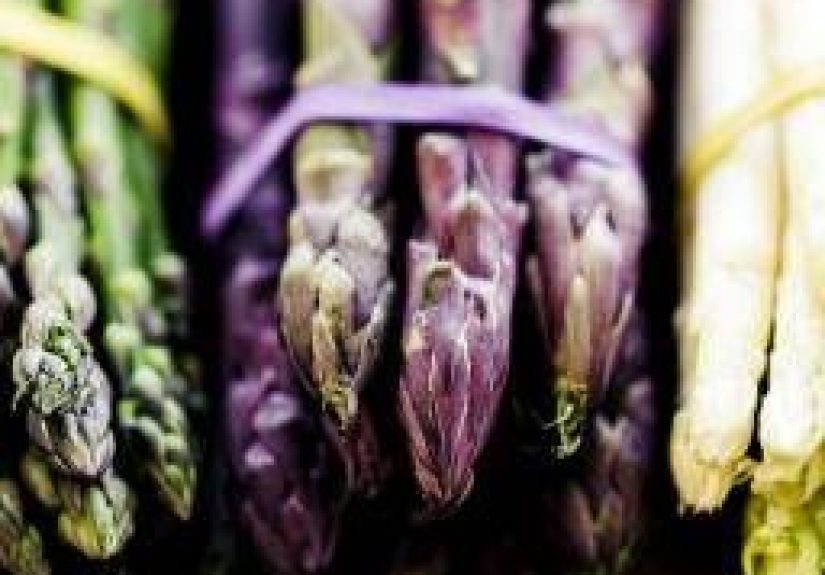
You’ll usually see green asparagus in U.S. grocery stores, but it also comes in:
- White asparagus (grown without sunlight; milder flavor, more delicate)
- Purple asparagus (slightly sweeter; color fades with cooking)
Flavor-wise, asparagus is earthy and slightly sweet with a gentle “green” bitternesskind of like broccoli’s calmer
cousin who drinks water and answers emails on time.
Asparagus Nutrition Snapshot
Nutrition varies a bit by variety and cooking method, but cooked asparagus is famously light and nutrient-packed.
For a practical serving size, here’s what you get in 1/2 cup (90g) cooked, boiled, drained asparagus:
Macros (1/2 cup cooked)
- Calories: 20
- Carbs: 3.7g (including fiber: 1.8g)
- Protein: 2.2g
- Fat: 0.2g
- Sodium: about 13mg
Notable Vitamins & Minerals (1/2 cup cooked)
- Vitamin K: 45.5 mcg
- Folate: 134 mcg
- Vitamin C: 6.9 mg
- Vitamin A: 45 mcg RAE
- Potassium: about 202 mg
- Selenium: about 5.5 mcg
Translation: asparagus won’t “carry” your whole day’s nutrition on its own (it’s a vegetable, not a superhero), but
it contributes meaningfullyespecially for folate and vitamin K.
Potential Benefits of Asparagus
Asparagus has been studied for a range of “good-for-you” qualities, but let’s keep expectations realistic: eating
asparagus won’t magically fix your health in the way a new planner won’t magically fix your life. Still, it offers
several evidence-based upsides.
1) Supports Digestion (Fiber + Prebiotic Potential)
Asparagus contains dietary fiber, which helps support regular bowel movements and overall gut function. More
interestingly, asparagus is often noted for containing inulin, a type of prebiotic fiber. Prebiotics
feed helpful gut bacteria, and a healthy gut microbiome is linked to digestion, immune function, and more.
Practical tip: if you don’t eat many high-fiber foods, don’t go from “zero vegetables” to “a whole bunch of asparagus”
in one sitting. Your digestive system may file a complaint. Start with a normal portion and increase gradually.
2) Helpful for Heart and Blood Pressure Habits
Asparagus provides potassium, and potassium-rich foods can help balance the effects of sodium in the diet. This
matters because many people consume more sodium than they realizeoften from packaged and restaurant foods.
The big-picture move for heart health is still the classic combo: more vegetables and fruits, less ultra-processed
food, and overall balanced eating patterns. Asparagus can be one easy (and tasty) way to add to the “more vegetables”
side of that equation.
3) Folate for Cell Growth and Pregnancy Planning
Folate (vitamin B9) plays a key role in DNA formation and cell division. It’s especially important before and during
early pregnancy because adequate folic acid intake reduces the risk of neural tube defects. Asparagus is a natural
food source of folate, making it a smart addition to a folate-forward diet.
Important nuance: food folate is great, but pregnancy guidelines often recommend folic acid from fortified foods or
supplements as well. Think of asparagus as “supporting cast,” not “entire production team.”
4) Antioxidants and “Plant Compounds” (The Quiet Overachievers)
Like many vegetables, asparagus contains antioxidants (including vitamins C and E) and various plant compounds.
Antioxidants help protect cells from oxidative stress. That doesn’t mean asparagus is a cancer shield or a detox wand.
It means that regularly eating plantsmany kinds, not just onesupports overall health in a very unsexy, very reliable
way.
5) Naturally Low in Calories, High in Nutrient Density
If you’re trying to build meals that feel satisfying without being heavy, asparagus helps because it’s high in water,
provides fiber, and adds volume and texture. You can pair it with protein (salmon, chicken, tofu), healthy fats (olive
oil, nuts), and a starch (brown rice, quinoa, potatoes) for a balanced plate that doesn’t feel like punishment.
Risks and Downsides (Because Every Food Has a “But”)
For most people, asparagus is safe and healthy. Still, a few considerations matterespecially if you have certain
medical conditions or take specific medications.
1) Blood Thinners and Vitamin K
Asparagus provides vitamin K, which is important for normal blood clotting. If you take warfarin (a common
anticoagulant), sudden big changes in vitamin K intake can affect how the medication works. That doesn’t mean you
must avoid asparagusit usually means keep your intake consistent and follow your clinician’s guidance.
2) Digestive Sensitivity (Inulin Can Be a Little Too Friendly)
Asparagus can cause gas or bloating in some peopleoften because of its fiber and certain fermentable carbohydrates.
If you have IBS or a sensitive gut, you might tolerate smaller servings better, or do better with well-cooked spears
rather than raw.
3) Kidney Concerns (Mostly About Potassium and Overall Diet)
Asparagus contains potassium (about 200 mg per 1/2 cup cooked). For most people, that’s a positive. But if you have
chronic kidney disease or have been told to limit potassium, you’ll want to consider portion sizes and your total
potassium intake across the daynot just one vegetable.
4) Gout or Uric Acid Issues: A “Personal Trigger” Situation
Some people with gout watch purine intake. Asparagus is sometimes listed among foods that may matter for people who
are sensitive, but triggers vary widely from person to person. If you know asparagus reliably triggers flare-ups for
you, it’s reasonable to limit it. If not, it may fit fine in moderation as part of an overall balanced diet.
5) Allergy (Rare, But Real)
Vegetable allergies are less common than, say, peanut allergies, but they happen. If asparagus makes your mouth itch,
causes hives, or triggers swelling or breathing trouble, treat that seriously and get medical advice.
The Famous “Asparagus Pee” Smell
Let’s address the green elephant in the bathroom. Asparagus contains asparagusic acid, which can break
down into sulfur-containing compounds. Those compounds can create a distinct odor in urineoften within hours.
Two fun facts:
- Not everyone produces the odor.
- Not everyone can smell it (genetics is rude like that).
The important part: it’s harmless. It’s not “toxins leaving your body.” It’s just chemistry doing chemistry things.
How to Choose, Store, and Cook Asparagus
Picking the best bunch
- Look for tight tips (closed, not mushy or flowering).
- Check the stalks: firm and smooth, not wrinkled.
- Avoid limp spears unless your plan is “asparagus soup,” in which case… carry on.
Storage that actually works
Asparagus is basically a bouquet pretending to be food. Treat it like flowers:
- Trim the ends and stand spears upright in a jar with a little water.
- Loosely cover the tops with a plastic bag.
- Refrigerate and use within a few days for best flavor and texture.
Cooking methods (and what they’re good for)
- Roast: caramelized edges, deeper flavor (great with olive oil, lemon, parmesan).
- Steam: tender-crisp, fresh taste (nice for salads or bowls).
- Sauté: fast and flexible (add garlic, mushrooms, or shrimp).
- Grill: smoky and slightly charred (perfect for cookouts).
- Blanch: quick boil then ice bath (bright green, great for meal prep).
Food Safety and Washing
Asparagus grows close to soil, and like all produce, it can carry dirt and microbes from handling. The simplest,
safest approach is:
- Wash your hands before prepping produce.
- Rinse asparagus under plain running water.
- Skip soap, detergent, or “produce wash” products.
- Trim or peel tough ends as needed.
Bonus: rinsing also helps remove sand that sometimes hides near the tips, waiting to ruin your nice dinner like a tiny
crunchy betrayal.
Who Might Want to Be Extra Careful?
Asparagus is a healthy choice for most people, but consider extra caution if:
- You take warfarin or another anticoagulant (keep vitamin K intake consistent).
- You have chronic kidney disease and are on a potassium restriction.
- You have IBS or frequent bloating (start with smaller servings).
- You have gout and know asparagus triggers flares for you personally.
Quick FAQs
Is raw asparagus healthier than cooked?
“Healthier” depends on what you mean. Cooking can reduce some heat-sensitive nutrients, but it can also make certain
compounds easier to digest. Many people find cooked asparagus gentler on the stomach. The best option is the one you
enjoy and will eat consistently.
Is asparagus good for pregnancy?
Asparagus is a good food source of folate, which supports healthy fetal development. Still, pregnancy guidelines
commonly recommend folic acid from fortified foods or supplementsespecially early in pregnancy. Asparagus helps, but
it’s not a substitute for prenatal guidance.
Why does asparagus taste bitter sometimes?
Bitterness can come from natural plant compounds, older spears, or overcooking. Try roasting to bring out sweetness,
or add acidity (lemon) and fat (olive oil) to balance the flavor.
Real-Life Asparagus Experiences (The 500-Word “Yes, I Actually Eat This” Section)
If you want to understand asparagus beyond nutrition labels and health claims, you have to meet it where it lives:
in real kitchens, on real plates, sometimes slightly overcooked because someone got distracted by a group chat.
The first “asparagus moment” for a lot of people is the grocery store decision. You see the bunchrubber band, proud
little spears, price tag that screams “seasonal main character.” The temptation is to grab the thickest stalks
because they look hearty, but here’s the thing: thick can be great if you peel the lower half and roast them, while
thinner spears are often easier for weeknight cooking because they turn tender faster. Either way, the key is the
tipsif they’re tight and not slimy, you’re already winning.
Then comes prep. Asparagus has this oddly satisfying quality where the woody ends practically volunteer to be removed.
You bend a spear, it snaps, and you feel like you’ve just performed a tiny magic trick. (If only folding laundry
worked the same way.) When I’m cooking for a crowd, I’ll line up the spears, trim the ends all at once, and pretend
I’m running a very small, very green assembly line.
Flavor-wise, asparagus is a team player. Roasted asparagus with olive oil, salt, and pepper is the classic. But the
real upgrade is what happens after it comes out of the oven: lemon zest, a squeeze of lemon juice, and something
savoryparmesan, toasted almonds, or even a sprinkle of everything bagel seasoning if you’re feeling chaotic-good.
It goes from “healthy side dish” to “wait… why is this so good?”
If you’ve ever tried to get kids (or picky adults) to eat asparagus, texture is usually the dealbreaker. That’s where
cooking method matters. Steamed asparagus stays tender-crisp and less “squeaky.” Roasted asparagus gets those browned
edges that taste almost nutty. Sautéed asparagus in a stir-fry becomes part of the overall flavor storygarlic,
ginger, soy sauceso it doesn’t feel like a separate vegetable assignment.
And yes, the bathroom thing is real. The first time it happens, you may think something has gone wrong in your
personal ecosystem. Then you remember you had asparagus, and suddenly it’s less scary and more like, “Oh right. The
vegetable did its weird little encore performance.” In a strange way, it becomes a shared cultural jokesomething
people mention at brunch like it’s a rite of passage.
Over time, asparagus becomes one of those reliable “healthy-but-not-boring” staples. It shows up in omelets, pasta,
grain bowls, sheet-pan dinners, and salads. It’s not a miracle food, but it’s consistent: low effort, high payoff,
and easy to pair with whatever else you’re already cooking. That’s the kind of nutrition habit that actually sticks.
Conclusion
Asparagus earns its reputation as a nutrient-dense vegetable: it’s low in calories, provides fiber, and supplies
standout micronutrients like folate and vitamin K. It may support digestion (thanks to fiber and prebiotic potential),
fits naturally into heart-healthy eating patterns, and works beautifully in everything from simple roasted sides to
stir-fries and salads.
The main “risks” aren’t scarythey’re situational: vitamin K consistency matters for people on warfarin, some folks
get gassy from its fermentable fibers, and certain medical conditions (like kidney disease or gout triggers) may call
for portion awareness. For everyone else, asparagus is a smart, versatile way to add more plants to your plateplus a
harmless bathroom chemistry demo you didn’t ask for but get anyway.