Table of Contents >> Show >> Hide
- How We Chose the Best Tile and Grout Cleaners
- Our Top-Tested Tile and Grout Cleaners
- 1. Black Diamond Ultimate Grout Cleaner – Best Overall Performance
- 2. Better Life Tub & Tile Cleaner – Best Natural Grout Cleaner
- 3. Mrs. Meyer’s Clean Day Tub & Tile Cleaner – Best for Everyday Bathroom Grout
- 4. Zep Grout Cleaner and Brightener – Best Heavy-Duty Cleaner for Tough Stains
- 5. Clorox Tilex Mold & Mildew Remover with Bleach – Best for Moldy Grout
- 6. Rejuvenate Tile and Grout Cleaner – Best Multi-Surface Option
- 7. TileLab Grout & Tile Cleaner – Best Budget Classic
- How to Choose the Right Tile and Grout Cleaner
- How to Clean Tile and Grout Like a Pro
- Common Mistakes That Can Damage Tile and Grout
- Real-World Experiences: What Using Top Tile and Grout Cleaners Is Really Like
- Final Thoughts
If you’ve ever gotten down on your hands and knees with an old toothbrush and a prayer, wondering when your nice white grout turned the color of iced coffee, this article is for you. The right tile and grout cleaner can make dingy floors, showers, and backsplashes look shockingly new againwithout you scrubbing until your soul leaves your body.
To round up the best tile and grout cleaners, we looked at lab-tested reviews from major U.S. publications, real-world testing feedback, and thousands of customer ratings. Then we compared formulas, safety notes, surface compatibility, price, and how much elbow grease each one demands.
The result: a curated list of standout tile and grout cleaners for tough stains, everyday maintenance, mold and mildew, natural formulas, and moreplus practical tips so you don’t accidentally destroy your marble shower in the process.
How We Chose the Best Tile and Grout Cleaners
Because “best” shouldn’t mean “the one with the loudest label,” we focused on a few key criteria that show up again and again in independent testing and expert reviews:
- Real testing, not just marketing claims. We prioritized cleaners that have been tested in labs or controlled home tests for performance on soap scum, ground-in dirt, grease, and discoloration in grout.
- Different formulas for different messes. Tile and grout live in wildly different environments: steamy showers, kitchen floors, muddy entryways. We looked for products that excel in specific situations (heavy-duty stains, mold, everyday wipe-downs).
- Surface safety. Some grout cleaners are fantastic on ceramic tile and sanded groutbut absolutely wrong for natural stone, colored grout, or unsealed surfaces. We noted where formulas are safe and where they are not.
- Ease of use. Spray-and-wait beats scrub-for-20-minutes every time. We favored products that don’t require extreme scrubbing to get visible results.
- Smell and ventilation needs. A cleaner can be powerful and still not knock you over with fumes. We included both gentler, plant-based options and stronger formulas for very stained grout, with clear notes on ventilation and protective gear.
- Value for money. We considered price per ounce and how much product you realistically need for a bathroom or kitchen, not just the sticker price on the bottle.
Below, you’ll find the tile and grout cleaners that consistently rise to the top across multiple expert tests and user experiences.
Our Top-Tested Tile and Grout Cleaners
1. Black Diamond Ultimate Grout Cleaner – Best Overall Performance
Best for: Very dirty grout lines on ceramic or porcelain tile floors and walls.
Black Diamond Ultimate Grout Cleaner shows up at the top of several “best grout cleaner” lists for a reason. It’s a professional-strength formula designed specifically to break down grease, ground-in soil, and soap scum in grout lines. Testers consistently report that it lifts years of grime with moderate scrubbing, especially when paired with a sturdy grout brush.
This is an alkaline cleaner, which means it’s excellent on general dirt and oily residues, making it ideal for kitchen floors and high-traffic entryways. It’s also a great choice for bathroom tile that has more dirt than mildew. Just spray, let it dwell for a few minutes, then scrub and rinse.
- Pros: Strong cleaning power, especially on old dirt; works on both floors and walls; available in spray bottles and larger refills.
- Cons: Not for natural stone; you still need a good brush; scent and strength may be too much for those who prefer ultra-gentle formulas.
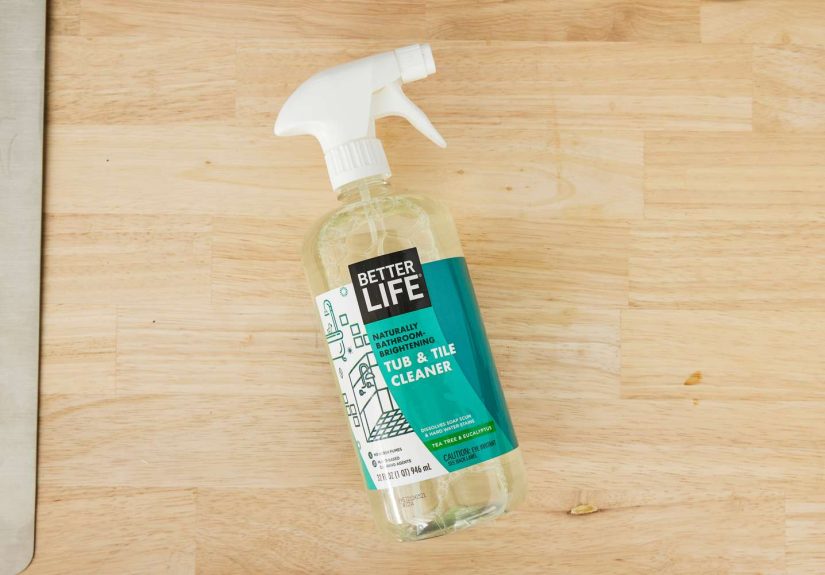
2. Better Life Tub & Tile Cleaner – Best Natural Grout Cleaner
Best for: Eco-conscious households, light to moderate soap scum and discoloration in showers and tubs.
If you prefer plant-based cleaning products but still want visible results, Better Life Tub & Tile Cleaner is a standout. In recent testing roundups, it’s often named the best “natural” bathroom cleaner for grout and tile because it uses plant-derived surfactants instead of harsh solvents, yet still cuts through soap scum and everyday grime.
It shines in regularly cleaned showers and tubs where you’re staying ahead of buildup rather than tackling grout that hasn’t seen a proper scrub since the last presidential administration. The spa-like scent and gentler ingredients also make it more pleasant for people sensitive to strong chemical odors.
- Pros: Plant-based ingredients; nice scent; works well for routine cleaning; safe on most bathroom tile surfaces.
- Cons: Not the best choice for deeply stained grout or serious mold; more of a maintenance cleaner than a miracle worker.
3. Mrs. Meyer’s Clean Day Tub & Tile Cleaner – Best for Everyday Bathroom Grout
Best for: Regular shower and tub cleaning, soap scum, and light staining on grout.
Mrs. Meyer’s Tub & Tile Cleaner scores highly in hands-on tests for balancing everyday cleaning power with a relatively gentle formula. Testers like that it removes soap scum, light mildew, and general grime on tile and grout without overwhelming fumes, thanks to essential oil–based fragrances like lavender or lemon verbena.
The foamy texture clings nicely to vertical shower walls and grout lines, giving the active ingredients time to work. With weekly use, it does a solid job keeping grout from returning to that “mystery gray” color.
- Pros: Pleasant scent; good for weekly use; easier on noses than harsh chemical sprays; effective on soap scum and mild staining.
- Cons: May struggle with severe discoloration or moldy grout; not designed as a heavy-duty restoration product.
4. Zep Grout Cleaner and Brightener – Best Heavy-Duty Cleaner for Tough Stains
Best for: Heavily stained, light-colored grout on ceramic or porcelain tile (not natural stone).
When your grout is deeply discolored and “gentle” products barely make a dent, Zep’s Grout Cleaner and Brightener is a go-to in multiple expert tests. It’s an acidic cleaner designed to dissolve mineral deposits, embedded dirt, and some discoloration in grout, often restoring much of the original color with relatively short dwell times.
Because it’s powered by stronger acids, this is one of those “read the label twice” cleaners. You’ll need gloves, good ventilation, and you must avoid using it on natural stone like marble, travertine, or limestone, where acid can cause permanent etching.
- Pros: Superb whitening and stain removal on light grout; fast-acting; ideal for “I’ve tried everything” situations on ceramic and porcelain tile.
- Cons: Not safe for natural stone; can be too strong for colored grout; requires protective gear and careful rinsing.
5. Clorox Tilex Mold & Mildew Remover with Bleach – Best for Moldy Grout
Best for: Mold and mildew stains on grout in showers and other damp areas.
For stubborn mold and mildew, especially in shower grout, bleach-based cleaners like Clorox Tilex Mold & Mildew Remover are still among the fastest ways to remove dark spots and kill mold spores on hard, nonporous surfaces. Testers frequently note that visible mold stains fade or disappear within minutes with minimal scrubbing, particularly on white grout.
This is not an everyday maintenance product and should be reserved for targeted mold or mildew problems. Good ventilation is essential, and it’s generally best for white grout only, since bleach can lighten or unevenly affect colored grout.
- Pros: Very effective on visible mold and mildew; works quickly; easy spray-on application.
- Cons: Strong fumes; can lighten colored grout; not suitable for frequent use or natural stone.
6. Rejuvenate Tile and Grout Cleaner – Best Multi-Surface Option
Best for: Large tiled areas, multi-room use, and homes needing one main tile and grout cleaner for routine deep cleaning.
Rejuvenate’s Tile and Grout Cleaner is a widely available, versatile cleaner formulated for ceramic and porcelain tile and grout. Homeowners praise it for noticeably brightening dingy grout on floors and making large areas feel fresher with less scrubbing than standard all-purpose cleaners.
Used with a grout brush or scrubber mop, it works well in kitchens, hallways, and bathrooms with broad expanses of tile. As with many strong cleaners, it’s meant for hard surfacesnot natural stone or unsealed grout.
- Pros: Good all-around performer; available in large bottles; works well with grout brushes and floor tools.
- Cons: Can be overkill for very small jobs; must avoid stone; may require a rinse to avoid residue.
7. TileLab Grout & Tile Cleaner – Best Budget Classic
Best for: Budget-conscious users who want a reliable, widely used grout cleaner for ceramic tile.
TileLab’s grout and tile cleaner has been around for years and still earns loyal fans who swear it’s the best tile and grout cleaner for routine use on ceramic and porcelain surfaces. It’s typically milder than the most aggressive “brightener” formulas but strong enough to tackle everyday dirt, minor discoloration, and soap scum.
If you’re refreshing grout that is dirty but not truly stained to the core, this budget-friendly option can be a good starting point before moving up to heavier-duty cleaners.
- Pros: Affordable; easy to find; works well for general maintenance on non-stone tile.
- Cons: Less dramatic results on long-neglected grout; not a mold or rust specialist.
How to Choose the Right Tile and Grout Cleaner
Picking the best grout cleaner isn’t just about star ratingsit’s about matching the formula to your tile, grout type, and mess. Here’s how to narrow it down.
1. Know Your Surface
- Ceramic and porcelain tile with standard grout: Most mainstream tile and grout cleaners are designed for this common combo.
- Natural stone (marble, travertine, limestone, slate): Skip acidic or harsh cleaners. You need stone-safe, pH-neutral products or cleaners labeled specifically for stone.
- Colored or epoxy grout: Avoid strong bleaching products or aggressive brighteners that can fade or unevenly lighten the color.
2. Match the Formula to the Problem
- Grease and general dirt: Alkaline or all-purpose grout cleaners (like Black Diamond) are ideal for kitchens and entryways.
- Hard water and mineral stains: Acidic grout cleaners can dissolve mineral buildup, especially on ceramic or porcelain grout lines.
- Mold and mildew: Bleach-based cleaners (or carefully diluted chlorine bleach solutions) excel at killing mold on nonporous tile and grout.
- Everyday maintenance: Gentler bathroom cleaners or plant-based formulas help keep grout from getting bad in the first place.
3. Consider Your Tolerance for Fumes and Scrubbing
If you hate strong chemical smells or live in a small space without great ventilation, lean toward plant-based or less aggressive formulas and use them more often. If you’d rather do one big deep-clean less frequently, a stronger cleaner might be worth itjust be prepared with gloves, eye protection, and open windows.
How to Clean Tile and Grout Like a Pro
Once you’ve chosen a tile and grout cleaner, technique matters just as much as the bottle.
- Vacuum or sweep first. Loose dirt and grit will just turn into muddy paste if you skip this step.
- Test in a hidden spot. Always spot-test on an inconspicuous area of tile and grout, especially if you have colored grout or older surfaces.
- Apply the cleaner generously. Sprays should fully cover grout lines; pour-on cleaners should soak into the grout but not pool on the tile for too long.
- Let it dwell. Follow the label’s contact time (usually a few minutes). This is when the cleaner breaks down grime so you don’t have to scrub as hard.
- Scrub smart, not harder. Use a stiff nylon grout brush or a scrubber tool designed for grout. Work in small sections so the product doesn’t dry out on the surface.
- Rinse thoroughly. Wipe and rinse with clean water to remove both the loosened dirt and any cleaner residue that can attract new grime.
- Dry the area. Towel-dry shower walls and floors where possible. Less lingering moisture means less mildew coming back.
Common Mistakes That Can Damage Tile and Grout
The wrong cleaner can undo all your hard work. Avoid these pitfalls:
- Using vinegar or lemon juice on stone. These acidic DIY favorites can etch or dull marble, travertine, and other natural stones.
- Mixing cleaners “for extra power.” Combining bleach with ammonia or acids can create dangerous fumes. Never mix cleaning products.
- Scrubbing with steel wool or scouring pads. Abrasive tools can scratch tile and chew up grout, making it more porous and harder to clean over time.
- Ignoring the label about surfaces. If a product says “not for natural stone,” believe itstone repairs are pricey.
- Letting moisture linger. Even the best grout cleaner can’t win if your shower never dries. Good ventilation and squeegeeing go a long way.
Real-World Experiences: What Using Top Tile and Grout Cleaners Is Really Like
On paper, tile and grout cleaners sound similar. In real bathrooms and kitchens, they behave very differently. Here’s what the experience of using these products is actually like, based on patterns seen across testing and user feedback.
Black Diamond on a High-Traffic Kitchen Floor
Imagine a light-colored tile kitchen that has survived years of cooking, kids, dogs, and the occasional “I’ll mop tomorrow” lie. The tiles still look okay, but the grout lines are several shades darker than they used to be. When people use Black Diamond Ultimate Grout Cleaner here, the first surprise is how much grime lifts even before heavy scrubbing. After spraying the grout lines and letting the product sit for a few minutes, the initial passes with a grout brush start pulling up brownish water that proves just how dirty those lines were.
Most users report that after a couple of passes and a good rinse, the grout is noticeably lighterand in some spots, almost back to its original color. It’s not “no scrubbing” magic, but it dramatically cuts the time it would take with a generic all-purpose cleaner. The flip side: this is definitely a “work day” clean, not a casual swipe with a paper towel, and you’ll feel it in your legs if you’re doing a whole kitchen.
Better Life in a Small Apartment Bathroom
In a small apartment with poor ventilation and no desire to turn the shower into a chemistry experiment, a plant-based cleaner like Better Life Tub & Tile feels much more approachable. When sprayed on shower walls and grout after a normal week of use, it softens soap scum and shower product residue without overwhelming the room with fumes.
The experience here is more about consistency than drama: used once or twice a week, the grout never gets bad enough to need a heavy-duty acid or bleach cleaner. Users often mention that they can clean the bathroom with the door half-open and no fan on full blast, which is a big quality-of-life improvement over more intense products. The trade-off is that if you skip weeks (or months), this kind of cleaner will struggle with deep staining that really needs a stronger formula.
Mrs. Meyer’s in a Busy Family Tub-Shower Combo
In a family bathroom that sees everything from bubble baths to muddy soccer-kid showers, Mrs. Meyer’s Tub & Tile Cleaner plays the role of “nice-smelling workhorse.” The foam clings to vertical grout lines around the tub, which means it doesn’t immediately run down the wall and disappear into the drain. After a short dwell time, a light to moderate scrub is usually enough to remove soap film and the faint gray haze that likes to settle in the grout around standing water areas.
Parents often appreciate that the bathroom smells more like a candle store than a chemical plant afterward, which makes it easier to keep up the habit of weekly cleaning. The grout doesn’t undergo a magical transformation in a single sessionbut it also doesn’t slide into disaster territory, which is exactly the point of a maintenance cleaner.
Zep vs. Long-Ignored Grout in a Rental
Then there’s the “move-in surprise” scenario: you pull back a bathroom rug in a rental only to discover grout that’s gone from off-white to straight-up brown. This is where heavy-duty cleaners like Zep Grout Cleaner and Brightener show what they’re made of. The experience is more intense from the start: the label warns about protective gear, there’s a clear acid smell, and you’re definitely turning on every fan you own.
On the plus side, after carefully applying the cleaner, letting it dwell, and scrubbing, the before-and-after difference can be dramatic. In many tests and user photos, grout that looked permanently stained becomes substantially brighter in a single session. In some areas, a second round is necessary, but the progress is obvious enough that most people feel the strong formula is worth itespecially for ceramic and porcelain tile in spaces that have clearly been neglected.
Bleach Cleaners on Moldy Shower Corners
For people battling mold in chronically damp shower corners, the experience of using a bleach-based mold and mildew cleaner is all about speed. After spraying the affected grout and waiting a few minutes, those dark spots often fade dramatically or disappear, sometimes with no scrubbing at all. It’s satisfying in the same way watching a power-washing video is satisfying.
The catch is that you can’t ignore the safety side: eyes may sting in a small, unventilated bathroom, and colored grout or adjacent fabrics (like a forgotten bath mat) can be damaged if overspray isn’t controlled. Many users reserve these products for occasional “resets” in the worst corners and rely on gentler cleaners the rest of the time.
Why Method Matters as Much as the Bottle
Across all these real-world scenarios, a few themes repeat: the tile and grout cleaner you choose absolutely matters, but so do dwell time, the right brush, and consistent maintenance. A top-rated product used for 30 seconds and rinsed off too soon will never work as well as a middle-of-the-road cleaner that’s allowed to sit, scrubbed with a grout brush, and rinsed thoroughly.
The happy news is that once you do one good “reset” cleaning with the right product for your surface, staying on top of grout maintenance becomes much easier. A plant-based cleaner or mild bathroom spray once or twice a week can maintain what your heavy-duty cleaner restored. Your grout stays bright, your nose stays happier, and your tile finally looks as clean as you know it is.
Final Thoughts
The best tile and grout cleaner for your home depends on your surfaces, your mess level, and your tolerance for stronger formulas. Black Diamond and Zep excel when grime and stains are serious; plant-based and everyday bathroom cleaners like Better Life and Mrs. Meyer’s keep things from getting out of hand. Add in good tools, a bit of dwell time, and regular maintenance, and even old grout can get a surprisingly fresh new life.