Table of Contents >> Show >> Hide
- Meet the Designer Redefining “Home” in Memphis
- Color as Culture, Story, and Self-Expression
- Pioneering Through Community-Focused Design
- Creating a Home That Reflects You: Lessons from His Work
- Facing Barriersand Rewriting the Script
- Real-World Experiences: What This Colorful Pioneer Teaches Us
- Conclusion: A Pioneer Painting the Future Bright
Some people walk into a room and immediately look for the snacks. Others notice the sofa,
the paint color, or the art on the walls. Then there are designers like
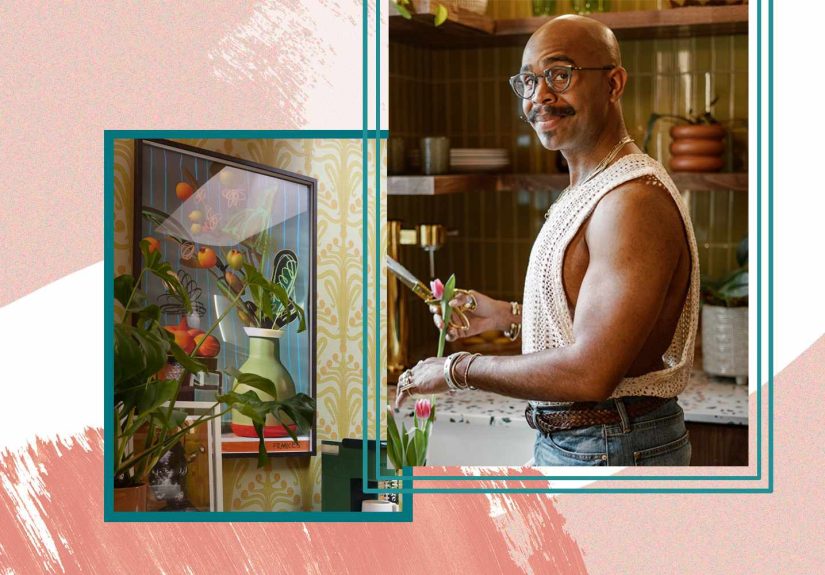
David Quarles IV, who walk into a space and see a story waiting to be told in
yellow, teal, terracotta, and every joyful hue in between.
This Memphis-based Black interior designer has become a local pioneer by daring to center
culture, history, and happiness in every project he touches. His spaces aren’t just pretty
backdrops for photos; they’re love letters to his Dominican and Creole roots, his Southern
upbringing, and the communities he serves. Through color-drenched homes, vibrant restaurants,
and thoughtful collaborations, he’s proving that design can be both deeply personal and
powerfully communal.
In this article, we’ll explore how this Black designer is breaking barriers in his industry,
why color is his favorite language, and what his work reveals about representation,
resilience, and building communityone bold room at a time.
Meet the Designer Redefining “Home” in Memphis
David Quarles IV is an interior designer, jewelry maker, and creative entrepreneur based in
Memphis, Tennessee. His work blends modern lines with lush color, global accents, and layers
of personal meaning. He often talks about designing “from a place of happiness” and using
interiors to give his younger self the spaces he didn’t see growing upa home where Black
culture, Caribbean influences, and Southern warmth coexist in full, unapologetic color.
Raising the bar for what “local designer” means, he doesn’t simply pick paint chips and
furniture. He collaborates with chefs, artists, and small businesses; he mentors younger
creatives; and he uses his platforms to highlight other Black designers in a field where they
are still underrepresented. In Memphis, he sees himself as part of a small but mighty group of
Black interior designers who are quietly, steadily changing the visual language of the city.
His approach is rooted in personal history. Seasonal home changes his grandmother made and the
houses he helped build with his father informed his belief that spaces are never static:
they’re meant to evolve as people do. That early exposure to both construction and styling
still shows up in his work todayhe’s just as interested in how a wall is opened up as he is
in which wallpaper goes on it.
Color as Culture, Story, and Self-Expression
For this designer, color is not an afterthoughtit’s the starting point. He’s widely known for
incorporating bold, sunny yellows into his projects. You’ll find yellow in tile, upholstery,
wallpaper, accessories, and even appliances. It’s a nod to joy, light, and optimism, but also
to the bright facades and intricate millwork he’s seen in New Orleans and in the Dominican
Republic, where saturated paint colors highlight every carved detail of historic homes.
This use of color aligns him with a growing number of Black designers who treat vibrancy as
both aesthetic and statement. Across the United States, Black-led design firms and creatives
have become known for fearless palettes: deep blues, citrusy greens, rich earth tones,
Afrocentric prints, and layered patterns that tell cultural stories instead of chasing
minimalist, beige-only trends.
While many mainstream interiors lean toward “safe” neutrals, his work shows that bold color
can still feel sophisticated and livable. Instead of asking, “Will this be too much?” he asks,
“Does this reflect who you are?” By reframing color as biography rather than risk, he helps
clients embrace hues they’ve always loved but never quite felt “allowed” to use.
Design Principles Behind His Colorful Spaces
-
Start with one anchor color: Yellow might show up as a refrigerator, a
backsplash, or a wallpaper, then everything else is layered around it. -
Pull from lived experiences: Travel, family, music, and food provide the
mood and palette long before a single swatch hits the table. -
Mix comfort with drama: He pairs playful hues with cozy textures, vintage
accents, and meaningful objects to keep bold rooms from feeling like a showroom. -
Reject the algorithm: Rather than repeating what’s trending on social
media, he treats every project as a personal story, not content.
Pioneering Through Community-Focused Design
Being a pioneer isn’t just about being “first.” For this Black designer, it’s about making
sure he’s not the last. That mindset shows up in the types of projects he takes on and how he
collaborates.
One of his standout projects is a Memphis restaurant created in partnership with a chef whose
life has been shaped by both Spain and the American South. The space merges Memphis pride with
Mediterranean influences, pulling from Spanish architecture, Caribbean color, and local
sports-team palettes. The goal wasn’t just to make a cool-looking restaurant; it was to
create a gathering place where artists, activists, and neighbors could feel welcome and seen.
The result is a space that feels like a cross-cultural salona place where people can talk
politics, art, and identity over tapas and cocktails under warm, golden light. It’s an
example of how commercial design can be community building, not just brand building.
His residential work follows the same values. He encourages clients to shop local when
possible, working with nearby fabricators, vintage shops, and small businesses. Instead of
ordering mass-produced decor from big-box retailers, he leans into unique pieces with a story:
a handcrafted ceramic from a Black maker, a photograph from a local artist, or a custom
wallpaper that reflects cultural motifs.
Why Representation in Design Matters
Interior design, like many creative industries, has long been dominated by white voices and
aesthetics. Black designers have often faced barriers ranging from lack of visibility in
mainstream magazines to overt client bias. Many have shared stories of being passed over for
jobs because “the clients aren’t used to people who look like you,” or of being invited into
spaces only after trends or cultural moments made their perspectives suddenly “marketable.”
That’s why seeing a Black designer leading high-profile projects, running his own firm, and
speaking openly about his journey matters. It disrupts the narrative that Black talent is an
exception. It shows younger creatives that they don’t have to leave their culture or
authenticity at the studio door. And it signals to clients that excellence in design doesn’t
come in just one skin tone, one accent, or one aesthetic.
Organizations and collectives across the United Statessuch as nonprofits dedicated to
uplifting Black interior designers, design guilds that amplify Black artists, and curated
lists of Black-led design firmshave helped increase visibility and opportunity. But the
impact is amplified when designers like him also advocate, mentor, and use their platforms to
highlight others.
Creating a Home That Reflects You: Lessons from His Work
You don’t need a full renovation budget or a restaurant build-out to borrow ideas from this
designer’s philosophy. His work offers practical lessons for any homeowner or renter who
wants a space that feels more personal, joyful, and rooted in their story.
1. Make Color Your Signature, Not Your Afterthought
Instead of picking furniture first and paint last, flip the script. Choose one color that
makes you feel like your best selfmaybe it’s yellow, emerald green, or deep plumand use it
as your anchor. Bring it into the room through one major element (a rug, a sofa, a bold
backsplash) and echo it with smaller touches like throw pillows, art, or glassware.
This is exactly how he treats yellow: not as a random accent, but as a recurring character
that ties his spacesand his storytogether.
2. Design for the Life You Want, Not the Life Instagram Expects
Trend fatigue is real. When every feed shows the same boucle chairs, beige walls, and “quiet
luxury” coffee tables, it’s easy to forget that your home doesn’t have to look like anyone
else’s. His design style is intentionally “free”he prioritizes how clients want to feel in
their homes over what’s currently viral.
Ask yourself: What does an ideal day at home look like? Do you host friends for big dinners?
Curl up with books and tea? Dance in the kitchen? Let those answers guide your floor plan,
seating choices, and lightingnot what’s trending on a design blog.
3. Let Heritage and Memory Be Your Mood Board
Just as he pulls inspiration from New Orleans, the Dominican Republic, and Memphis, you can
look to your own background for design cues. Maybe it’s the colors of your grandparents’
living room, textiles from your family’s home country, or the look of the neighborhood where
you grew up.
Translate those memories into materials: warm woods, woven baskets, hand-thrown pottery,
framed family photos, or a patterned tile that reminds you of a place you love. Your home
becomes less like a staged “after” photo and more like a living archive.
4. Invest in One Meaningful “Wow” Space
His own favorite room is his kitchen, which he fully renovated from ceiling to floor. It’s a
place where he added skylights to catch the path of the moon and where yellow tiles and
custom wallpaper create a daily sense of joy. Not everyone can overhaul a kitchen, but most
people can choose one room to turn into a sanctuary.
Whether it’s a reading corner, a bedroom, or a tiny balcony, pick one spot and give it extra
care. Layer light, texture, and color in that zone. Treat it like a personal retreat where you
can breathe, reflect, and reconnectwith or without a view of the moon.
Facing Barriersand Rewriting the Script
His journey hasn’t been without setbacks. Early in his career, he hoped to be hired at a firm
where he had interned, only to be turned down with a stinging explanation: the clients “weren’t
used to” designers who look like him. For a while, that rejection reinforced a harmful
narrativethat his talent and perspective were less valuable to the industry.
It took time, reflection, and a global pause during the pandemic for him to decide to fully
bet on himself and launch his own design practice. That pivot turned out to be transformative.
By working independently, he gained the freedom to choose projects that aligned with his
values, to center his identity instead of shrinking it, and to serve clients who genuinely
appreciated what he brings to the table.
His story mirrors those of many Black designers across the country who share experiences of
exclusion yet continue to reshape the field through persistence, community support, and
undeniable talent. Their presence is expanding the definition of “good design” from something
that merely looks polished to something that also feels inclusive, honest, and culturally
aware.
Real-World Experiences: What This Colorful Pioneer Teaches Us
When you look closely at this designer’s work and story, you’re not just seeing beautiful
roomsyou’re seeing a blueprint for how creative people can build community while staying
true to themselves. His journey offers several powerful lessons.
1. Your Difference Is Your Design Superpower
Growing up, he didn’t see many designers who looked like him in magazines or on TV. Instead
of trying to blend into an existing mold, he turned his difference into his signature. The
colors he chooses, the cultural references he honors, and the communities he prioritizes all
come from his own lived experience.
For anyone working in a field where you’re underrepresented, this is a reminder that your
background isn’t a hurdleit’s the raw material for your most original work. The details that
make you “not like everyone else” are often exactly what the world hasn’t seen yet.
2. Community Work Doesn’t Have to Be Loud to Be Transformative
It’s easy to think of “community impact” as big, flashy initiatives or huge public projects.
But his influence often happens in quieter ways: choosing to hire local tradespeople, giving
visibility to Black-owned brands, mentoring emerging designers, and creating spaces where
marginalized people feel safe and celebrated.
A restaurant infused with Memphis soul and global color becomes a hub where artists and
neighbors exchange ideas. A home that reflects a family’s history becomes a place where kids
grow up seeing their culture honored, not hidden. These spaces may not always make headlines,
but they shape daily life in ways that people feel deeply.
3. Color Can Be a Form of Healing
Many of his clients come to him after living in spaces that felt dull, impersonal, or
disconnected from who they are. Through color, he helps people reclaim their environmentsand
sometimes their sense of self. A yellow kitchen that glows under moonlight, a living room
filled with art from Black creators, a bold restaurant that feels like a second home: these
aren’t just “design decisions.” They’re emotional decisions.
Color has been shown to affect mood and energy, and he taps into that deliberately. Warm hues
can make social areas feel welcoming, while cooler tones and layered textures can create
calm, grounding spaces. When those choices also connect to cultural memory, they become even
more powerful.
4. Saying “No” Is Part of Pioneering
Another experience that stands out in his story is the moment he chose himself over a
traditional career path. Instead of continuing to seek validation from firms that didn’t see
his value, he redirected that energy into building something of his own. That “no” to someone
else’s narrow expectations became a “yes” to a design practice that aligns with his identity,
his ethics, and his joy.
For creatives, especially those from underrepresented backgrounds, this can be a tough but
necessary step. It may mean turning down projects that require you to mute your voice, or
walking away from opportunities that don’t respect your worth. But as his colorful portfolio
shows, those choices can lead to work that feels far more fulfillingand impactful.
5. The Most Beautiful Spaces Are Built on Trust
Finally, his projects remind us that the best design happens when clients trust the process.
Bold color, cultural storytelling, and unconventional ideas require a bit of courage from
everyone involved. When clients are willing to lean into try the yellow tile, to honor their
heritage in the decor, to support local creativesthe payoff is a space that feels truly
one-of-a-kind.
In the end, this Black designer isn’t just making rooms look good. He’s showing his community,
and anyone paying attention, that home can be a place where identity is celebrated, culture
is honored, and color leads the way. That’s what pioneering looks like when you do it
colorfully.
Conclusion: A Pioneer Painting the Future Bright
From Memphis kitchens bathed in moonlit yellow to restaurants buzzing with layered cultural
references, this designer’s work makes one thing clear: design is never just about
decoration. It’s about whose stories get told, whose histories are preserved, and whose joy
takes up physical space.
As a Black designer leading with color, culture, and community, he’s expanding what’s
possiblefor his clients, his city, and the next generation of creatives watching from the
sidelines. His message, translated into paint, fabric, and light, is simple but radical:
Your home should look like you, loudly and proudly.
And if that means a yellow fridge, vibrant wallpaper, and a dining room that feels like a
family reunion every night of the week? Even better.