Table of Contents >> Show >> Hide
- What “Highest ROI” Actually Means (Because It’s Not One Thing)
- The Eco-ROI Rulebook: The Order of Operations That Prevents Regret
- High-ROI Eco-Friendly Projects (Ranked by Realistic Payback + Buyer Appeal)
- 1) Air Sealing + Attic Insulation: The “Unsexy” Upgrade That Prints Money
- 2) Smart Thermostat: Tiny Gadget, Surprisingly Solid ROI
- 3) Heat Pump Water Heater: Big Savings Hiding in the Utility Closet
- 4) HVAC Upgrade (Including Electrification Options): High Impact, ROI Depends on Timing
- 5) Insulated Garage Door + Steel Entry Door: Curb Appeal With an Efficiency Bonus
- 6) Low-E Storm Windows (or Targeted Window Improvements): Smarter Than Full Replacement (Sometimes)
- 7) Cool Roof (Hot Climates) or Roofing Done the “Sustainable Way”
- 8) WaterSense Fixtures: Small Swaps, Real Savings (And Buyers Like Updated Baths)
- 9) Fiber-Cement Siding (When Replacement Is Needed): Durable, Lower-Maintenance, Strong Resale
- 10) Solar Panels: Eco Hero, ROI Wild Card
- A Practical “Eco ROI Scorecard” You Can Use Today
- How to Make Eco Upgrades Show Up in Your Appraisal (A.K.A. “Please Don’t Hide Your Homework”)
- Three Quick Examples of High-ROI Eco Renovations (With Realistic Decisions)
- Common Mistakes That Tank Eco ROI (Learn From Other People’s Pain)
- Conclusion: The Green Upgrades That Pay You BackTwice
- Experiences: What Eco-Friendly High-ROI Renovations Feel Like in Real Life (The Part No One Puts on the Receipt)
Eco-friendly renovations are basically the rare unicorn of homeownership: upgrades that can be good for the planet, good for your monthly bills, andif you play it smartgood for your resale value. The trick is picking projects that buyers notice and that your utility meter can’t ignore. Because while “I installed a high-efficiency doodad in the attic” warms the heart, it doesn’t always warm the appraisal.
This guide breaks down the eco-friendly home renovation projects with the highest ROI, using a practical, resale-plus-savings approach (a.k.a. “Will I get my money back, and will my house stop leaking air like it’s auditioning for a wind tunnel?”). You’ll get a prioritized list, real-world examples, and a few “please don’t do this” warningsdelivered with just enough humor to keep your spreadsheet from crying.
What “Highest ROI” Actually Means (Because It’s Not One Thing)
ROI can mean two different wins:
- Resale ROI: How much of the project cost you recoup when you sell.
- Living-in-it ROI: How quickly the upgrade pays you back through lower energy/water bills (plus comfort and fewer “why is this room 14 degrees colder?” arguments).
The best eco projects often score in both categoriesespecially the ones that improve your home’s “bones”: the building envelope (air sealing, insulation, windows) and the mechanical systems (HVAC and water heating).
The Eco-ROI Rulebook: The Order of Operations That Prevents Regret
If you want the highest return, follow this sequence:
- Stop waste first: Air leaks and poor insulation are like paying to heat your neighborhood.
- Right-size next: Upgrade HVAC/water heating after the home is tighterso you don’t buy a bigger system than you need.
- Then optimize: Smart controls, efficient appliances, and water-saving fixtures.
- Then generate (optional): Solar can be great in the right situation, but it’s not always the top ROI winner on paper.
High-ROI Eco-Friendly Projects (Ranked by Realistic Payback + Buyer Appeal)
1) Air Sealing + Attic Insulation: The “Unsexy” Upgrade That Prints Money
If your home had a dating profile, air sealing and insulation would be the reliable partner: not flashy, but absolutely the one you want. Sealing gaps and boosting insulation can lower heating and cooling costs significantly, and it improves comfort immediately. It also makes every future upgrade (like a heat pump) work better.
- Why it’s eco-friendly: Less energy wasted, lower emissions, less strain on HVAC.
- Why it’s high ROI: Often quick payback; comfort upgrades are buyer-friendly even when they can’t “see” them.
- Best for: Older homes, drafty rooms, high heating/cooling bills, any home with sad attic insulation.
Pro move: Start with a home energy audit (even a basic one) so you’re sealing the right places, not just aggressively caulking your feelings.
2) Smart Thermostat: Tiny Gadget, Surprisingly Solid ROI
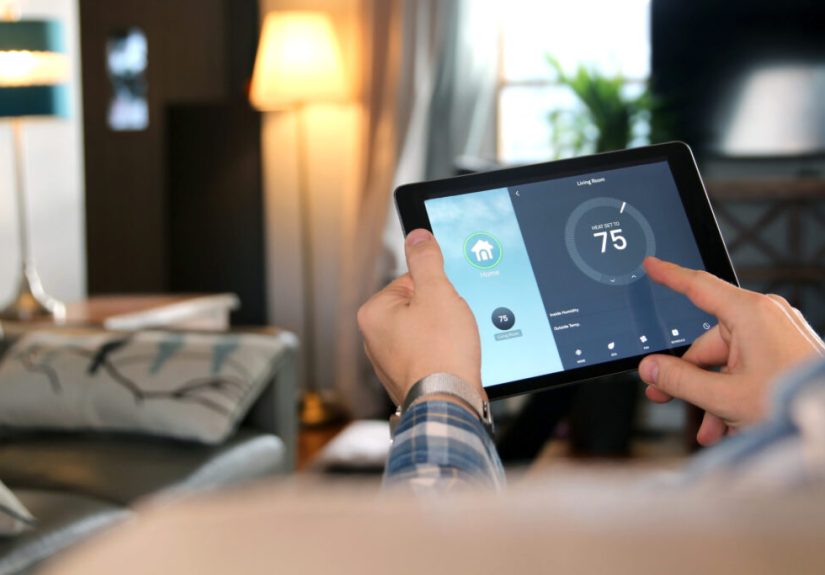
Smart thermostats are one of the few upgrades that can be installed in an afternoon and start paying you back without requiring drywall surgery. The key is actually using the features (schedules, learning modes, occupancy settings), not just enjoying the fun of changing the temperature from bed.
- Why it’s eco-friendly: Reduces unnecessary heating/cooling runtime.
- Why it’s high ROI: Low cost, easy install, quick payback, broadly appealing to buyers.
- Best for: Homes with predictable schedules or frequent “we forgot to adjust the thermostat” moments.
3) Heat Pump Water Heater: Big Savings Hiding in the Utility Closet
Water heating is a major energy user in many homes, and heat pump water heaters (HPWHs) are often dramatically more efficient than standard electric tanks. Translation: you keep the hot showers, but your power bill stops acting like it’s trying to buy a yacht.
- Why it’s eco-friendly: Uses electricity efficiently by moving heat rather than generating it the hard way.
- Why it’s high ROI: Strong “living-in-it” payback, plus a meaningful upgrade buyers appreciate when utility costs are high.
- Best for: Homes with older electric water heaters, larger households, warm/temperate garages or utility spaces.
4) HVAC Upgrade (Including Electrification Options): High Impact, ROI Depends on Timing
Upgrading HVAC is eco-friendly when it improves efficiency or shifts to cleaner operation. But ROI depends heavily on when you do it and what you’re replacing. If your system is near end-of-life, upgrading can be a smart move. If it’s brand-new, replacing it early is usually a “please don’t” from your wallet.
- Why it’s eco-friendly: Efficient HVAC reduces energy use; electrification can reduce direct fossil fuel use.
- Why ROI varies: HVAC is expensive; resale recoup may be moderate, but the comfort and utility savings can be excellent over time.
- Best for: Old, inefficient HVAC; uncomfortable rooms; regions with high heating/cooling demand.
Pro move: Pair HVAC upgrades with air sealing and insulation first. Otherwise, you’re installing a high-performance system in a leaky houselike putting racing tires on a shopping cart.
5) Insulated Garage Door + Steel Entry Door: Curb Appeal With an Efficiency Bonus
Some of the highest resale ROI projects are exterior replacements. You can make them more eco-friendly by choosing insulated, durable options and good weatherstripping. This is one of the easiest ways to blend “buyers love it” with “my house is less drafty.”
- Eco angle: Better sealing/insulation reduces heat loss and drafts; durable materials reduce replacement cycles.
- ROI angle: Extremely strong resale recoup in many national datasets.
- Best for: Homes with worn doors, poor seals, or a garage attached to conditioned space.
6) Low-E Storm Windows (or Targeted Window Improvements): Smarter Than Full Replacement (Sometimes)
Full window replacement can be pricey and doesn’t always top the ROI charts. A more budget-friendly eco moveespecially for homes with decent existing windowsis adding low-emissivity (low-E) storm windows or targeted upgrades that cut drafts and heat transfer.
- Why it’s eco-friendly: Cuts heating/cooling demand and improves comfort.
- Why it’s high ROI: Lower upfront cost can mean faster payback than full replacement.
- Best for: Older homes, drafty windows, historic homes where full replacement is complicated.
7) Cool Roof (Hot Climates) or Roofing Done the “Sustainable Way”
If your roof is due anyway, you can tilt the project toward eco and ROI by choosing a cool roof option (especially in warm climates), improving attic ventilation, and selecting durable materials with longer lifespans. A cool roof can reduce cooling costs, but it’s most effective where air conditioning is a major expense.
- Why it’s eco-friendly: Less cooling demand; lower peak electricity use in hot weather.
- Why ROI can be strong: A new roof is a buyer-friendly “big ticket” reassurance; efficiency can be a bonus.
- Best for: Sunny regions, homes with high summer cooling bills, roofs nearing end-of-life.
8) WaterSense Fixtures: Small Swaps, Real Savings (And Buyers Like Updated Baths)
Water-saving upgrades are an underrated eco-ROI play. WaterSense-labeled showerheads, faucets, and toilets reduce water useand often reduce water-heating energy too. Plus, they’re visible “nice updates” in bathrooms and kitchens, which buyers care about.
- Why it’s eco-friendly: Saves water and can reduce hot-water energy use.
- Why it’s high ROI: Low cost, easy install, and the “updated fixtures” effect helps resale appeal.
- Best for: Anyone with older fixtures, high water bills, or bathrooms that look stuck in 1998.
9) Fiber-Cement Siding (When Replacement Is Needed): Durable, Lower-Maintenance, Strong Resale
Siding replacement isn’t a casual weekend hobby (unless your hobby is “scaffolding”). But when siding is due, fiber-cement can be a durability win with strong resale performance in many markets. From an eco standpoint, longer service life and reduced repainting can cut long-term material and maintenance impact.
10) Solar Panels: Eco Hero, ROI Wild Card
Solar can lower operating costs and boost appeal for the right buyer in the right market. But the financial ROI has become more complicated. Upfront costs are significant, payback periods vary, and incentives can change. That doesn’t mean “don’t do it”it means “do the math for your zip code.”
- Why it’s eco-friendly: Generates clean electricity at home.
- Why ROI varies: Installation cost, electricity rates, financing terms, and market preferences all matter.
- Best for: Homes with good sun exposure, high electricity rates, and owners planning to stay long enough to realize savings.
A Practical “Eco ROI Scorecard” You Can Use Today
Below is a simplified guide to help you prioritize. (Actual numbers vary by region, home size, and existing conditionsbecause houses love being unique snowflakes.)
| Project | Typical Cost Level | Resale Appeal | Bill Savings Potential | Best Scenario |
|---|---|---|---|---|
| Air sealing + attic insulation | $–$$ | Medium (document it) | High | Drafty/older homes |
| Smart thermostat | $ | Medium | Medium | Busy households |
| Heat pump water heater | $$ | Medium | High | Replacing electric tank |
| Efficient HVAC / electrification | $$$ | Medium–High | High | Old HVAC near end-of-life |
| Insulated garage + entry doors | $–$$ | High | Low–Medium | Bad seals/curb appeal needs |
| Low-E storm windows | $–$$ | Medium | Medium–High | Drafty windows, budget-conscious |
| Cool roof (warm climates) | $$–$$$ | Medium | Medium | Roof replacement + high AC use |
| WaterSense fixtures | $ | Medium | Medium | Old fixtures, quick refresh |
| Solar panels | $$$ | Variable | High | High rates + staying put |
How to Make Eco Upgrades Show Up in Your Appraisal (A.K.A. “Please Don’t Hide Your Homework”)
Eco improvements can be “invisible value” unless you document them. Here’s how to help your future sale reflect what you did:
- Keep receipts and specs: Model numbers, efficiency ratings, installation dates.
- Save audit reports: Before-and-after blower door results are persuasive.
- Summarize utility savings: A simple one-page comparison can be powerful.
- List certifications/labels: ENERGY STAR, WaterSense, or third-party home performance documentation.
Three Quick Examples of High-ROI Eco Renovations (With Realistic Decisions)
Example 1: The 1978 Ranch That Couldn’t Hold a Temperature
Problem: High heating bills, drafts, one room always freezing.
Smart eco-ROI plan: Air sealing + attic insulation first, then a smart thermostat, then replace the aging electric water heater with a heat pump water heater.
Why it works: The envelope upgrades cut waste, and the HPWH lowers ongoing costswithout making resale depend on a single expensive “wow” project.
Example 2: The Hot-Climate Home With Sky-High Summer Bills
Problem: AC runs nonstop; upstairs feels like a toaster.
Smart eco-ROI plan: Air sealing + attic insulation, then a cool roof when the roof is due, plus a smart thermostat.
Why it works: Cooling savings stack, and roof replacement is a resale-friendly “big checkbox” item buyers love.
Example 3: The Bathroom Refresh That Also Saves Water (And Doesn’t Start a Permitting Saga)
Problem: Old fixtures, meh bathroom vibe, high water use.
Smart eco-ROI plan: WaterSense showerhead and faucet aerators, fix leaks, and choose durable low-VOC finishes if repainting.
Why it works: Low cost, quick payoff, and buyers notice updated fixtures immediately.
Common Mistakes That Tank Eco ROI (Learn From Other People’s Pain)
- Going big before going tight: Installing a fancy HVAC system without air sealing is like buying a premium umbrella with holes in it.
- Over-customizing: Ultra-niche green materials that require special care can scare off buyers.
- Ignoring maintenance: “Eco” fails if it’s installed poorly or never serviced.
- Assuming incentives are forever: Rebates and tax credits can changealways verify what’s active in your area.
Conclusion: The Green Upgrades That Pay You BackTwice
If you want eco-friendly renovations with the highest ROI, focus on projects that reduce waste and boost buyer confidence: air sealing and insulation, smart controls, efficient water heating, high-performing doors, and water-saving fixtures. Then, if your timing and location are right, layer in bigger-ticket items like HVAC electrification or solarafter you’ve tightened the home.
Think of it as building a “high-performance house” the same way you build a good meal: start with the fundamentals, season thoughtfully, and don’t dump the entire spice rack in at once.
Experiences: What Eco-Friendly High-ROI Renovations Feel Like in Real Life (The Part No One Puts on the Receipt)
Here’s the funny thing about ROI: the spreadsheet cares about dollars, but homeowners often remember the moments. The first night after air sealing when the house is noticeably quieter. The morning you realize the hallway isn’t a wind tunnel anymore. The tiny shock of walking barefoot across a floor that doesn’t feel like it’s storing winter as a hobby.
Many homeowners describe air sealing and insulation as the upgrade that makes everything else “click.” Rooms that used to fight each otherone too hot, one too coldstart behaving like they’re on the same team. You may still have a “moody room” (every house does), but it’s less dramatic. And because comfort improves so quickly, people often say it feels like they renovated the whole house… even though they mostly paid to stop air from escaping through places air should never have been invited in the first place.
Smart thermostats have a different kind of satisfaction: the quiet smugness of not paying to heat (or cool) an empty home. Homeowners frequently mention small behavioral winslike seeing runtime reports and realizing, “Oh. That’s why our bill looks like this.” The best part isn’t just the savings; it’s the sense of control. Instead of guessing, you’re steering.
Heat pump water heaters tend to be the “surprise favorite” in eco upgrades. People expect “efficient,” but they don’t always expect the delight of steady hot water paired with a less terrifying utility bill. Some homeowners notice side benefits toolike a cooler, drier utility spacebecause the unit moves heat around rather than brute-forcing it. (If your water heater lives in a tiny closet, though, planning and placement matter. Efficiency is great; suffocating your equipment is not.)
WaterSense fixtures are the opposite vibe: fast, low-drama wins. Homeowners often talk about how simple it feelsswap a showerhead, twist on an aerator, replace an old faucetand suddenly you’re saving water without changing your routine. No one wants a “conservation shower” that feels like a sad drizzle, and modern efficient fixtures are designed to keep the experience comfortable while cutting waste. It’s one of those rare upgrades where you can be eco-friendly without feeling like you’re sacrificing anything.
And then there’s the resale experience. Sellers who document their efficiency upgrades often describe buyers asking better questionsabout insulation, windows, HVAC age, and utility costsespecially in markets where energy bills are top of mind. The upgrades become part of the home’s story: not just “new stuff,” but “a home that costs less to live in.” That story can be powerful. The best ROI isn’t always the flashiest projectit’s the one that makes buyers think, “This house is cared for,” and makes you think, “Finally, my home works with me instead of against me.”