Table of Contents >> Show >> Hide
- What Is TMS (Transcranial Magnetic Stimulation)?
- Who Might Benefit from TMS Therapy?
- What to Expect During a TMS Treatment Course
- Does TMS Actually Work?
- Common TMS Side Effects (and What They Feel Like)
- Types of TMS: rTMS vs Deep TMS
- Questions to Ask Your TMS Provider
- Real-World TMS Experiences: What People Often Report
- The Bottom Line
If you’ve ever seen a science-fiction movie where someone sits under a giant brain-zapping helmet, you’ve already met the dramatic cousin of
TMS (transcranial magnetic stimulation). Real-life TMS is much less dramatic (no sparks, no mind reading), but it can be a powerful,
noninvasive option for people living with hard-to-treat depression and a few other brain-related conditions.
In this guide, we’ll walk through how TMS treatment works, who it’s for, what side effects to expect, and how people actually feel during a course of
TMS therapy. Think of this as the “friend who already did it” version, backed by current medical evidencenot urban legends from social media.
What Is TMS (Transcranial Magnetic Stimulation)?
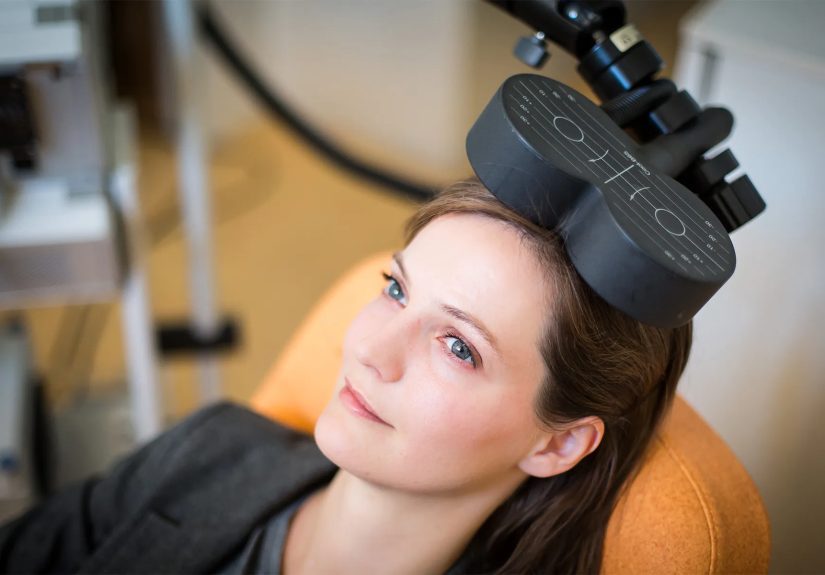
Transcranial magnetic stimulation is a type of noninvasive brain stimulation. A treatment device uses a magnetic coil placed near your
scalp to send short magnetic pulses into a targeted area of the brain involved in mood and other functions. Those magnetic pulses create small
electrical currents that help “nudge” brain cells to fire differently over time.
TMS does not require anesthesia, surgery, or implants. You remain awake, you can talk, and yes, you can complain about traffic or your favorite
TV show while you’re being treated.
How TMS works in the brain
For depression, TMS often targets the left dorsolateral prefrontal cortex, a region linked to mood regulation, decision making,
and motivation. Research suggests that in major depressive disorder, this region can be underactive. Repetitive pulses of magnetic stimulation
(often called rTMS) are used to gradually increase activity and improve communication in mood-regulating brain networks.
Over a series of sessionsusually weeksthe repeated stimulation can lead to long-lasting changes in how these networks function, which is why
some people continue to feel better even after treatment ends.
FDA-approved uses of TMS
In the United States, the Food and Drug Administration (FDA) has cleared TMS devices to treat several conditions:
- Major depressive disorder (MDD), including treatment-resistant depression
- Obsessive-compulsive disorder (OCD) with specific protocols and devices
- Preventive treatment for certain migraine headaches
- Smoking cessation with specific devices and protocols
Beyond these, researchers are studying TMS for conditions like post-traumatic stress disorder (PTSD), anxiety disorders, tinnitus, and even
chronic painbut those uses are still considered off-label and experimental.
Who Might Benefit from TMS Therapy?
TMS is most commonly offered to people with major depressive disorder who have not improved enough with standard treatments
like medication and psychotherapy. If you’ve tried multiple antidepressants, adjusted doses, and stuck with therapy but still feel stuck,
your doctor might call your condition treatment-resistant depression (TRD) and consider TMS as the next step.
Typical candidates for TMS
In general, TMS may be considered if:
- You have a diagnosis of major depressive disorder or OCD that hasn’t responded well to first-line treatments.
- You’ve tried at least one (often two or more) antidepressant medications at adequate dose and duration.
- You cannot tolerate medication side effects or don’t want to increase doses further.
- You’re seeking a noninvasive option that doesn’t involve anesthesia or memory loss.
Some people also choose TMS over electroconvulsive therapy (ECT) because TMS usually does not cause the short-term memory issues
sometimes seen with ECT and doesn’t require you to take time off work to recover from anesthesia.
Who should not get TMS?
TMS is not right for everyone. In general, you may not be a candidate if you have:
- Metal implants or devices in or near your head (excluding most dental work).
- A history of seizures or certain neurological conditions that significantly lower your seizure threshold.
- Brain implants (such as deep brain stimulation electrodes) or certain cochlear implants.
- Uncontrolled bipolar disorder, where TMS may increase the risk of a manic episode without careful monitoring.
Because these decisions are highly individual, a TMS provider will usually do a detailed medical and medication review before starting treatment.
What to Expect During a TMS Treatment Course
Before your first session
Before you ever sit in the TMS chair, you’ll typically meet with a psychiatrist or other licensed provider who specializes in
TMS therapy. They’ll review your:
- Medical history and current diagnoses
- Past and current medications
- History of seizures, head injuries, or implanted devices
- Symptoms, including severity of depression, anxiety, OCD, or migraine
During mapping, they’ll place the coil against your scalp and deliver brief pulses to find your
motor thresholdthe lowest intensity that causes a tiny twitch in your hand or fingers. This helps set the right intensity
for your treatment so it’s strong enough to be effective but not stronger than needed.
What a TMS session actually feels like
Imagine sitting in a comfortable recliner while a technician positions a padded coil near your forehead. You’ll hear a series of rapid clickssimilar
to a fast-tapping woodpeckerand feel a tapping sensation on your scalp. Many people describe it as:
- “Weird, but not painful” after the first few sessions
- A tapping or knocking feeling under the coil
- A temporary tightening or twitching in facial muscles
You wear earplugs for sound protection, and you can usually scroll your phone, chat, or just rest with your eyes closed. A standard session lasts
around 20–40 minutes, depending on the type of TMS protocol used.
How many sessions will I need?
A typical course of TMS for depression involves:
- 5 sessions per week (Monday through Friday)
- For about 4–6 weeks of acute treatment
- Sometimes followed by taper or “maintenance” sessions spaced out over weeks or months
Many people start to notice changessleep, energy, or a slight lifting of moodafter 2–3 weeks, though some respond earlier or later. Because the
effect is cumulative, providers usually encourage completing the full course even if the first week feels underwhelming.
Does TMS Actually Work?
Effectiveness for depression and other conditions
For major depressive disorder, especially in people who haven’t responded well to medications, TMS has solid evidence behind it. Large trials and
real-world studies suggest that:
- About 50–60% of people with treatment-resistant depression experience a meaningful improvement in symptoms.
- Roughly 30–35% achieve full remission (their depression symptoms become minimal or disappear).
Those numbers may sound modest, but for people who’ve tried many medications without relief, they represent a significant step forward.
For OCD, migraine, and smoking cessation, the data are more specialized and device-dependent, but TMS has shown benefit in many patients,
especially when added to ongoing therapy or medication.
What about relapse and maintenance TMS?
Like any depression treatment, TMS is not a permanent “cure.” Some people stay well for many months or years after a single course; others
gradually experience a return of symptoms. Studies suggest that:
- Relapse can occur within months after successful acute TMS, especially in people with more severe or long-standing depression.
- Maintenance TMSsessions spaced weekly or monthlymay significantly lower relapse risk in responders.
Maintenance plans are highly individualized. Your provider might suggest tapering sessions slowly (for example, three times a week, then twice, then
once) and later scheduling “booster” treatments if symptoms begin to creep back.
Common TMS Side Effects (and What They Feel Like)
One of the biggest selling points of TMS is its side-effect profile. No treatment is completely risk-free, but compared with many
psychiatric medications and procedures, TMS is generally very well tolerated.
Short-term, mild side effects
The most common TMS side effects are usually mild and temporary. They tend to show up in the first week or two of treatment and often fade as your
brain and scalp get used to the stimulation. Common issues include:
- Headache during or after a session, often mild to moderate
- Scalp discomfort or tingling at the treatment site
- Facial muscle twitching while the machine is running
- Jaw or tooth discomfort in some people
- Temporary fatigue or feeling “worn out” after a session
Clinics usually recommend simple strategies to manage these, like over-the-counter pain relievers (if approved by your doctor), hydration, and
adjusting the coil position or intensity slightly. Most people are able to drive themselves home or go back to work right after a session.
Serious but rare risks
The most serious potential side effect of TMS is a seizure, but this is extremely rare when treatment follows established safety
guidelines. Modern estimates suggest the risk is well below 1 in 1,000 sessions, and in many reports closer to about 1 in 10,000 or fewer in
carefully screened patients.
Other rare concerns include:
- Worsening mood or emergence of suicidal thoughts (as can happen with any depression treatment).
- Induction of a manic or hypomanic episode in people with bipolar disorder.
- Hearing discomfort if ear protection is not used properly.
Because of these possibilities, reputable TMS centers monitor patients closely, adjust protocols when needed, and coordinate with your psychiatrist
or primary care clinician.
TMS vs medication and ECT side effects
Compared with many antidepressants, TMS:
- Does not typically cause weight gain, sexual side effects, or gastrointestinal issues.
- Does not cause sedation or require you to stop driving.
- Can often be combined safely with medications.
Compared with ECT, TMS:
- Does not require anesthesia or muscle relaxants.
- Usually does not cause short-term memory loss or confusion.
- Allows you to return to daily activities immediately after the session.
ECT can still be life-saving and more effective for some people with severe, psychotic, or catatonic depression, but for many others, TMS provides
a meaningful improvement with far fewer side effects.
Types of TMS: rTMS vs Deep TMS
You’ll often hear different flavors of TMS mentioned in clinics and research papers. Two of the most common are:
-
Repetitive TMS (rTMS): Traditional TMS delivered as repetitive pulses to a targeted cortical area. Sessions usually last
about 30–40 minutes. -
Deep TMS (dTMS): Uses a specially designed “H-coil” to reach deeper brain structures. Sessions may be shorteraround 20 minutes
in many protocols.
Both rTMS and dTMS have been shown to be safe and effective for depression. Some studies suggest deep TMS may offer advantages for certain patients,
but it can also be more expensive and is more dependent on specific device brands and protocols. In many real-world settings, standard rTMS remains
a widely used, evidence-based option.
Questions to Ask Your TMS Provider
If you’re considering TMS therapy, bring these questions to your consultation:
- Which conditions do you treat with TMS (depression, OCD, migraine, smoking cessation)?
- Which device and protocol do you userTMS, deep TMS, or both?
- What percentage of your patients typically respond or reach remission?
- How do you monitor side effects and adjust treatment?
- Is maintenance TMS available if I respond but later start to relapse?
- How will you coordinate with my current psychiatrist or therapist?
A good clinic welcomes these questions and answers them clearly. You’re not just renting a chair and a magnetyou’re partnering with a team to
manage a real medical condition.
Real-World TMS Experiences: What People Often Report
Every person’s TMS journey is unique, but certain themes show up again and again when people describe their experiences. The following examples
are composite “types” based on common reports, not any single real person.
The “slow and steady” responder
One common story goes like this: during the first week, nothing much happens except a sore scalp and a few headaches. By week two, sleep starts to
improve a bitfewer 3 a.m. staring-at-the-ceiling sessions. In week three, the person notices they’re not crying as easily, and tasks like showering
or making lunch feel slightly less impossible.
By week five, friends or family may say, “You seem more like yourself.” The person might still have bad days, but the crushing, unbroken heaviness
is gone. They finish the TMS course, continue therapy and medication, and schedule occasional check-ins to see if booster sessions are needed.
The “I felt worse before I felt better” group
Some people describe a bumpier road. They might feel more tired or emotionally stirred up during the first two weeks, almost like their brain is
rebooting. This can be scary, especially if they were hoping for immediate relief.
In these cases, open communication with the TMS team is vital. Sometimes the treatment intensity can be adjusted, and providers may check for other
factorslike medications, sleep problems, or life stressthat could be interacting with TMS. For many in this group, symptoms settle and begin to
improve once the brain adapts to the stimulation.
The “partial responder who still calls it a win”
Not everyone walks away from TMS completely depression-free. Some people get a 30–40% reduction in symptoms: fewer days in bed, better focus,
and slightly more motivation, but still noticeable mood challenges.
For these individuals, TMS may still be valuable, especially when combined with therapy, lifestyle changes, and close medication management.
A 40% improvement can mean the difference between barely functioning and being able to work, study, or parent again. Some go on to try a second
TMS course or maintenance sessions to build on partial gains.
Navigating side effects in daily life
In day-to-day life, the most disruptive side effect tends to be headaches or scalp pain, especially early on. People often manage this with:
- Taking over-the-counter pain relievers before or after sessions (with doctor approval).
- Talking with the technician about adjusting coil pressure or position.
- Scheduling sessions later in the day so they can rest afterward if needed.
Many people figure out a routinedrive to the clinic, chat with staff, get treatment, grab a coffee, and head to work. Over time, the session becomes
just another appointment in the calendar rather than a huge event.
The emotional side of TMS
TMS isn’t just a physical experience; it’s an emotional one. Some people feel hopeful and empowered: “I’m finally trying something different.”
Others feel nervous or skeptical: “What if I do all this and it doesn’t work?”
Both reactions are completely normal. It often helps to:
- Keep a mood journal to track subtle changes over time.
- Stay connected with a therapist to process feelings during treatment.
- Bring a trusted friend or family member into the loop so they can help notice improvements you might miss.
In the end, many people say the biggest benefit of TMSbeyond symptom reliefis getting a little more room in their day: room to think, to feel,
to make decisions that aren’t fully controlled by depression or intrusive thoughts.
The Bottom Line
TMS (transcranial magnetic stimulation) is not a miracle cure, but it is a scientifically grounded, FDA-cleared option that can make
a very real difference for people living with depression, OCD, migraine, and other conditions. It works by gently modulating brain networks over
time, using focused magnetic pulses rather than drugs or surgery.
Most side effects are mild and temporary, and serious risks like seizures are rare when treatment follows established safety guidelines.
Many people experience meaningful improvementeven remissionafter a full course, especially when TMS is integrated into a broader treatment plan
that includes therapy, healthy routines, and appropriate medication.
If you’re considering TMS, the next step isn’t to self-diagnose on the internet (tempting, we know), but to talk with a qualified mental health
professional. Together, you can decide whether TMS fits your specific history, goals, and lifestyleand whether this quiet, clicky machine might
help you reclaim some light in your day.