Table of Contents >> Show >> Hide
- The quick take: socks can help, but they’re not a sleep cure-all
- Why warm feet can make you sleepy: a thermostat story
- What research actually says about sleeping with socks
- When socks help the most
- Potential downsides (because your feet have boundaries)
- How to sleep in socks the “smart” way
- If socks don’t work for you, try these alternatives
- FAQ: the questions your feet would ask if they had a group chat
- Bottom line: yes, socks can helpif they solve your specific problem
- Experiences: What people notice when they try sleeping in socks
- 1) The Instant Relief Crowd (a.k.a. “My feet were the problem all along”)
- 2) The One-Hour Wonder (socks help… until they don’t)
- 3) The Sweaty-Toe Realists (humidity is the villain)
- 4) The “Raynaud’s and Cold Sensitivity” Crowd (comfort first)
- 5) The Skincare Multitaskers (soft heels, calmer bedtime)
- 6) The “I Hate Socks” Honest Majority (and the workaround)
Some people treat sleeping in socks like a bedtime superpower. Others treat it like a personal betrayal of the feet.
So… who’s right? As with most sleep debates (see also: “one pillow vs. eight”), the answer is: it depends.
For many folksespecially the “my toes are tiny ice cubes” crowdwearing socks to bed can help you fall asleep faster
and sometimes stay asleep longer. Not because socks are magical, but because your body is basically a thermostat with opinions,
and warm feet can nudge it toward sleep mode.
The quick take: socks can help, but they’re not a sleep cure-all
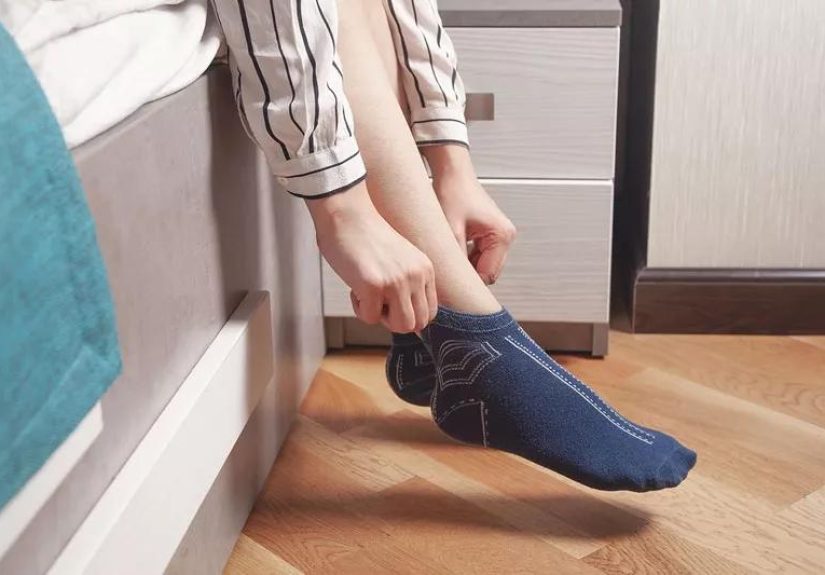
Wearing socks to bed may help if you struggle with cold feet, live in a chilly environment, or notice you’re restless until you warm up.
The main idea: warming your feet can improve heat loss from your body in a way that supports the natural drop in core temperature that happens at night.
That temperature shift is one of the “okay brain, we’re doing sleep now” signals your body uses.
But if you’re waking up from stress, caffeine, reflux, loud neighbors, or a snoring partner who sounds like a leaf blower,
socks aren’t going to fix that. Think of socks as a small lever in the bigger machine of sleep hygiene.
Why warm feet can make you sleepy: a thermostat story
Your body temperature follows a daily rhythm: it rises during the day, then starts to dip in the evening.
That dip helps facilitate sleepiness and sleep onset. Here’s the funny part: to cool your core,
your body often increases heat loss through your skin, especially in “distal” areas like your hands and feet.
Distal vasodilation: the science-y term for “feet help you cool off”
When your feet warm up, tiny blood vessels near the skin can widen (vasodilation). This increased blood flow brings heat to the surface
where it can dissipate. That heat shedding supports the core temperature drop your brain associates with bedtime.
In sleep research, scientists often look at the “distal-to-proximal temperature gradient”basically,
how warm your hands/feet are compared with your torsoas a clue for sleep readiness.
Translation: if your feet are cold, your body may be stuck in “hold onto heat” mode.
If your feet are warm, your body can more easily do the nightly cool-down routine that helps you drift off.
What research actually says about sleeping with socks
The evidence isn’t “everyone must wear socks forever,” but it’s also not just internet folklore.
Several studies on foot warming (including socks and warm foot baths) show improvements in sleep onset and sleep continuityespecially in cooler conditions.
A small sock study with measurable changes
In one controlled study where adults slept in a cool environment, wearing “bed socks” to warm the feet was associated with
shorter time to fall asleep, longer total sleep time, and fewer awakenings.
The big takeaway wasn’t that socks changed everythingit was that foot temperature is a real knob you can turn in the sleep system.
Warm feet + sleep onset is a recurring theme
Other research on skin temperature and sleep onset finds that warming the feet (including via special socks or other passive heating)
can accelerate falling asleep, particularly when it increases warmth in the extremities relative to the torso.
Related work on passive heating (like warm bathing before bed) also points in the same direction: when you warm the skin and then allow the body to cool,
sleep onset can improve.
Important caveat: sleep is complicated. Many studies are small, conditions vary (room temperature, sock type, participant age, baseline sleep issues),
and the effect size differs from person to person. Consider this more like “a helpful experiment” than a guaranteed hack.
When socks help the most
Socks tend to shine in a few specific situationslike a humble supporting actor who suddenly steals the scene.
1) Cold feet, cold room, or winter “why is my bed an iceberg?” nights
If you get into bed and your feet stay cold for 30 minutes, socks can reduce that warm-up delay.
This is especially true if your bedroom is on the cool side or you use lighter bedding.
2) People who struggle to fall asleep (but don’t want a whole production)
Not everyone wants a 12-step bedtime ritual featuring lavender candles and interpretive stretching.
Socks are low-effort. Put them on, climb in, done. If they reduce tossing and turning even a little, that’s a win.
3) Circulation issues or “my toes go numb if I look at a snowflake”
Some people with conditions that cause cold sensitivity (for example, Raynaud’s phenomenon) often manage symptoms by keeping extremities warm.
Socks can be a simple comfort toolthough anyone with significant circulatory disease or diabetes-related foot issues should prioritize safe sock choices
and discuss concerns with a clinician.
4) Bedtime skincare routines
This one is less about sleep physiology and more about “wake up with nicer feet.”
Many clinicians suggest applying moisturizer to dry heels and wearing clean cotton socks to help lock in hydration overnight.
If you’re already doing foot care, socks pull double duty.
Potential downsides (because your feet have boundaries)
Socks aren’t automatically “good” or “bad.” They’re a tool. And like any tool, they can be annoying if used wrong.
Overheating and sweaty feet
If you’re already warm at night or prone to night sweats, socks may push you into “why am I roasting?” territory.
Heat and moisture can disrupt sleep and create a more fungus-friendly environment between toes. If you wake up damp,
switch to lighter socks, breathable fabric, or skip socks and warm the feet another way (like a quick foot bath).
Fungal risk if you reuse socks or trap moisture
Athlete’s foot thrives in warm, dark, moist environments. If socks are worn repeatedly without washing, or if your feet sweat a lot,
you can increase irritation and infection risk. This is less “socks are evil” and more “dirty, damp socks are a crime scene.”
Socks that are too tight
Tight elastic bands can leave deep marks, feel uncomfortable, and potentially aggravate circulation problems.
Sleep should not involve a tourniquet aesthetic. If you see indents in the morning, size up or choose loose, non-binding socks.
Special caution for diabetes and reduced sensation
People with diabetes and neuropathy may have decreased foot sensation and higher risk of unnoticed skin injury.
Socks can be fineand sometimes helpful for warmthbut the key is clean, dry, well-fitting socks that don’t rub,
and careful attention to skin changes. If you’re unsure, follow a clinician’s foot-care guidance.
How to sleep in socks the “smart” way
Choose the right socks
- Breathable fabric: cotton or moisture-wicking blends if you sweat.
- Loose fit: non-binding cuffs; no tight compression unless prescribed.
- Clean pair nightly: your toes deserve fresh linens, too.
- Temperature-appropriate: lightweight for mild nights; warmer for cold rooms.
Pair socks with a body-temperature-friendly bedtime routine
- Cool room, cozy bed: many sleep experts recommend a slightly cool bedroom with comfortable bedding.
- Warm feet, then relax: socks work well after you’ve started winding downreading, gentle stretching, dim lights.
- Try a foot bath: a warm foot soak 10–15 minutes before bed can warm feet without keeping them covered all night.
- Give it a fair test: try socks for a week, then compare. Sleep responds better to patterns than one-off experiments.
If socks don’t work for you, try these alternatives
Warm shower or bath (timed right)
Warm bathing 1–2 hours before bedtime is often recommended because it warms the skin and can promote a helpful cool-down afterward.
The timing matters: too hot, too close to bed can backfire for some people.
Targeted warmth without full coverage
- Extra blanket at the foot of the bed (easy to kick off if you overheat)
- Pre-warm the bed with a heated blanket, then turn it off before sleep (follow manufacturer safety instructions)
- One foot out if you run hot but hate cold toesyes, people really do this
FAQ: the questions your feet would ask if they had a group chat
Will socks help insomnia?
They can help with sleep onset if cold feet are part of your problem. But chronic insomnia is often driven by stress,
conditioning, irregular schedules, or medical issues. Socks are a “supporting strategy,” not the whole treatment plan.
Can sleeping in socks improve deep sleep?
Temperature regulation affects sleep quality, and some people may experience fewer awakenings when they’re comfortable.
But “deep sleep” depends on many factorssleep debt, alcohol, stress, light exposure, and schedule consistency.
Is it unhealthy to sleep with socks on?
For most healthy adults using clean, breathable, non-restrictive socks, it’s generally fine.
The main risks are overheating, moisture buildup, and tight socks. If you have circulation problems, diabetes-related foot issues,
or frequent fungal infections, be more cautious.
Bottom line: yes, socks can helpif they solve your specific problem
Sleeping with socks on can be a surprisingly effective way to fall asleep faster when cold feet are the culprit.
It works by supporting your body’s natural temperature choreography: warm the extremities, shed heat, and let your core temperature dip into sleep territory.
If you try it, keep it simple: clean socks, breathable fabric, loose fit, and stop if you feel sweaty ors uncomfortable.
And if you’re still awake at 2 a.m., remember: the socks aren’t judging you. They’re just doing their best.
Experiences: What people notice when they try sleeping in socks
Below are real-world style scenarios people commonly describe when they experiment with socks at bedtime.
Consider them “experience patterns” rather than universal truthssleep is personal, and feet are famously dramatic.
1) The Instant Relief Crowd (a.k.a. “My feet were the problem all along”)
Some people put socks on and feel an almost immediate shift: less fidgeting, fewer cold shocks when they move,
and a faster slide into drowsiness. The biggest clue is how quickly their shoulders drop once their feet feel cozy.
For them, socks don’t feel like an “extra,” they feel like the missing piecelike finally turning the right key in a stubborn lock.
They often report falling asleep before finishing a chapter or waking less from that half-conscious “why am I still awake?” loop.
2) The One-Hour Wonder (socks help… until they don’t)
Another common experience: socks feel great at first, then become annoying later. People in this group often wake up warm,
kick socks off in their sleep, and find them at the foot of the bed like tiny fabric tumbleweeds.
The lesson here isn’t “socks fail,” it’s “temperature changes during the night.” A lighter pair, looser knit,
or a strategy like warming feet before bed and removing socks once cozy can work better than wearing thick socks all night.
3) The Sweaty-Toe Realists (humidity is the villain)
In warmer climatesor in homes where the heat is blastingsome people notice socks increase foot sweat.
They might still fall asleep faster, but they wake up uncomfortable or itchy between the toes.
This group often does best with thin, moisture-wicking socks, careful foot drying before bed, and strict “fresh pair only” rules.
Many also discover that socks plus heavy blankets is too much, but socks plus a lighter comforter hits a sweet spot.
4) The “Raynaud’s and Cold Sensitivity” Crowd (comfort first)
People with cold-triggered toe color changes or intense cold sensitivity often describe socks as a comfort anchor.
They may not frame it as “sleep optimization”it’s more like “I can finally stop thinking about my toes.”
Warm feet can reduce that distracting sensation that keeps the brain alert. They tend to prefer thicker, warmer socks
but still benefit from a non-binding fit. They also often pair socks with other warmth tactics: a warm drink, a foot bath,
or simply pre-warming the bed.
5) The Skincare Multitaskers (soft heels, calmer bedtime)
Some people start wearing socks to bed for foot caremoisturizer plus socksthen notice sleep benefits as a bonus.
The routine itself becomes a wind-down cue. Even when socks don’t dramatically change sleep onset, the ritual helps them slow down:
wash up, moisturize, socks on, lights dim. It’s not the socks aloneit’s the consistent bedtime rhythm.
They often report waking up with softer skin and a slightly more “together” feeling in the morning, which can reinforce the habit.
6) The “I Hate Socks” Honest Majority (and the workaround)
Plenty of people try socks and immediately nope out. They feel constrained, sensory-icky, or simply “not like themselves.”
A common workaround is pre-warming feet without sleeping in socks: a 10-minute warm foot soak, a warm shower earlier in the evening,
or a dedicated blanket over the feet that can be kicked off easily. The best lesson from this group is that comfort beats ideology.
If socks make you tense, you’ve defeated the purpose.
The overall pattern: socks tend to help most when they solve a specific barrier (cold feet) and when they don’t introduce a new one (overheating or itch).
If you’re curious, treat it like a personal sleep experimentlow stakes, easy to reverse, and potentially very cozy.