Table of Contents >> Show >> Hide
- How to Pick the Right Backsplash (Without Overthinking It)
- Budget-Friendly (Under ~$300 DIY) Big Impact, Small Spend
- 1) Painted “Faux Tile” with a Stencil
- 2) Peel-and-Stick Subway or Mosaic Sheets
- 3) Removable Wallpaper (Yes, in a Kitchen)
- 4) Beadboard Panels for Cottage Charm
- 5) Shiplap-Style Panels (Vertical or Horizontal)
- 6) Tin or Metal-Look Panels
- 7) Laminated Wall Panels (Stone or Tile Look)
- 8) “Classic White” Anything (With a Twist)
- Affordable Upgrades (~$300–$1,500 Installed or Mid-Range DIY)
- 9) Classic Subway Tile (Never Not a Good Idea)
- 10) Subway Tile… But Vertical Stack
- 11) Herringbone Pattern (Instant “Designer Did This”)
- 12) Hex Tile for a Soft Geometric Look
- 13) Penny Tile for Vintage Texture
- 14) Glass Tile for Light and Shine
- 15) Porcelain “Marble Look” Tile (Luxury Vibes, Practical Brain)
- 16) Matte Ceramic Tile for a Softer, Modern Finish
- 17) Checkerboard or Graphic Pattern Tile (Playful but Timeless)
- 18) Kit Kat / Finger Tiles for Subtle Texture
- 19) Cement-Look Tile (Without the High Drama)
- 20) Terrazzo-Look Tile for Color Confetti
- 21) Brick-Look Tile for Loft Warmth
- Mid-to-High End (~$1,500–$4,500+) “This Kitchen Means Business”
- 22) Handmade-Look Zellige (Texture for Days)
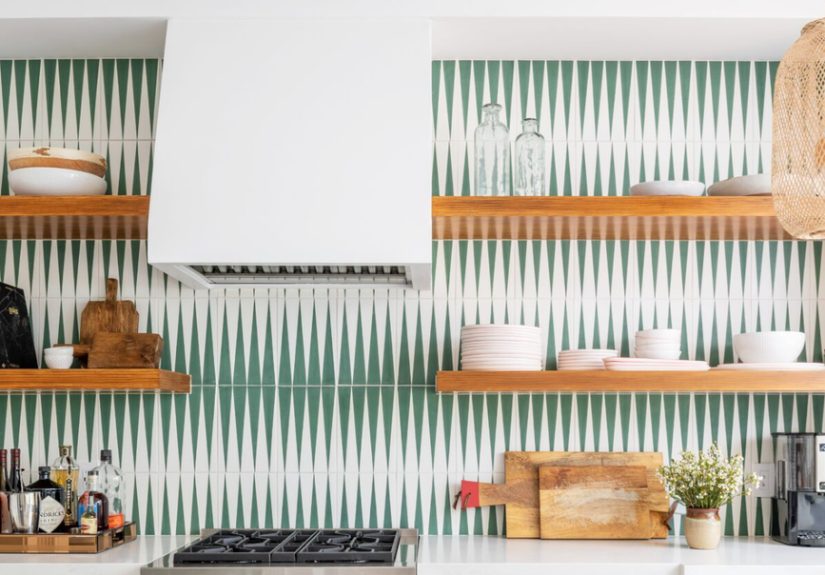
- 23) Hand-Painted or Patterned Artisan Tile
- 24) Full-Height Backsplash (Counter to Upper Cabinets… or the Ceiling)
- 25) Solid Surface “Slab” Backsplash (Stone, Quartz, or Solid Surface)
- 26) Countersplash (Countertop Material Extended Up the Wall)
- 27) Fluted / Reeded Tile for Sculptural Dimension
- 28) Stainless Steel for a Chef’s-Kitchen Feel
- 29) Mirrored or High-Gloss Reflective Tile
- 30) Custom Mosaic (The Ultimate Signature Look)
- Design + Installation Tips That Save Money (and Sanity)
- Maintenance: Keeping It Pretty Without a Weekly Deep Clean
- Wrap-Up: Your “Perfect” Backsplash Is the One You’ll Still Like Next Year
- Real-World Backsplash Experiences (The Stuff People Don’t Tell You Until After the Renovation)
A kitchen backsplash is basically the “splash zone” behind your sink and stoveaka the place that takes the most abuse and still has the audacity to be judged for its outfit.
The good news: you don’t need a celebrity-renovation budget to get a backsplash that looks custom, cleans easily, and makes your kitchen feel pulled together.
Below are 30 kitchen backsplash ideas across every price pointrenter-friendly, DIY-able, and “call-a-pro-and-treat-yourself” levelplus practical tips so you don’t end up grouting at midnight, questioning your life choices.
How to Pick the Right Backsplash (Without Overthinking It)
Start with your “mess profile”
If you cook daily, you’ll love surfaces that wipe clean fast: glazed ceramic/porcelain, glass, stainless steel, or a solid slab (stone/quartz/solid-surface).
If your kitchen is more “coffee and vibes,” you can flirt with texture and matte finishesjust know they may show splatters sooner.
Decide your visual role: background or main character
Want your cabinets and counters to shine? Choose a simple tile (classic subway, soft white, or tone-on-tone).
Want the backsplash to be the wow moment? Go bold with pattern, color, dramatic veining, sculptural texture, or a full-height statement.
Budget smarter: pay for what you touch and see
A backsplash is one of the smallest surfaces in a kitchen, which makes it the perfect place to “splurge small.”
You can often afford a pricier tile in 30–50 square feet than you could across an entire floor.
Budget-Friendly (Under ~$300 DIY) Big Impact, Small Spend
1) Painted “Faux Tile” with a Stencil
Paint a durable, scrubbable backsplash area, then add a tile-like pattern with a stencil. Seal it with a clear, washable topcoat.
Best for: quick style upgrades, minimal texture. Bonus: you can change it later without a chisel.
2) Peel-and-Stick Subway or Mosaic Sheets
Modern peel-and-stick options can look shockingly legit from a normal human distance (not from three inches away with a flashlight).
Best for: renters, “I need this done in an afternoon” energy.
3) Removable Wallpaper (Yes, in a Kitchen)
Choose washable, removable wallpaper and place it away from direct heat and heavy splatter zones. Pair with a clear acrylic sheet behind the stove if needed.
Best for: statement pattern on a low-commitment timeline.
4) Beadboard Panels for Cottage Charm
Beadboard (or beadboard-look panels) creates instant warmth. Paint it in a semi-gloss or satin finish for wipeability.
Best for: farmhouse, coastal, or classic kitchens that want texture without tile.
5) Shiplap-Style Panels (Vertical or Horizontal)
Shiplap is the jean jacket of wall treatments: not always trendy, but always functional.
Use moisture-resistant panels and a washable paint finish.
6) Tin or Metal-Look Panels
Pressed-tin panels (or lightweight metal-look alternatives) add vintage character fast. Great behind a coffee bar or open shelving zone.
Best for: glam, vintage, industrial, or “I want drama for cheap.”
7) Laminated Wall Panels (Stone or Tile Look)
Some laminate sheets mimic stone and tile surprisingly well, with easy cleanup and minimal seams.
Best for: ultra-low maintenance and fast installs.
8) “Classic White” Anything (With a Twist)
White backsplashes stay popular because they’re bright, flexible, and forgiving with changing decor.
Add interest with an off-white tone, subtle handmade look, or a slightly different grout color.
Affordable Upgrades (~$300–$1,500 Installed or Mid-Range DIY)
9) Classic Subway Tile (Never Not a Good Idea)
Subway tile is popular for a reason: it plays well with nearly every countertop and cabinet style.
Try it with darker grout for definition (and easier stain-camouflage), or match grout for a softer look.
10) Subway Tile… But Vertical Stack
Same tile, different attitude. Vertical stacking feels modern and can visually “lift” the wall height.
Best for: contemporary kitchens that want clean lines.
11) Herringbone Pattern (Instant “Designer Did This”)
Herringbone adds movement and polishespecially in a simple color palette.
Tip: use a tile with consistent sizing (porcelain/ceramic) to keep installation easier.
12) Hex Tile for a Soft Geometric Look
Hex tiles can read playful or elegant depending on color and scale.
Best for: modern, transitional, and Scandinavian-inspired kitchens.
13) Penny Tile for Vintage Texture
Penny rounds are classic and charming, especially in white, black, or muted colors.
Pro tip: use a grout you can live withpenny tile means more grout lines (and more scrubbing).
14) Glass Tile for Light and Shine
Glass bounces light around, which can make smaller kitchens feel brighter.
Works beautifully with under-cabinet lighting.
15) Porcelain “Marble Look” Tile (Luxury Vibes, Practical Brain)
If you love marble but don’t love marble maintenance, porcelain can deliver that veined look with easier care.
Best for: busy households that still want the fancy feeling.
16) Matte Ceramic Tile for a Softer, Modern Finish
Matte can look calm and elevated. It may show grease more quickly than glossy finishes, so keep it in mind if you cook often.
17) Checkerboard or Graphic Pattern Tile (Playful but Timeless)
A backsplash is a perfect place to test pattern without overwhelming the room.
Keep the rest of the kitchen simpler to let the tile do the talking.
18) Kit Kat / Finger Tiles for Subtle Texture
These slim tiles create a rhythmic, architectural lookgreat in glossy or satin finishes.
Best for: modern kitchens that want texture without loud pattern.
19) Cement-Look Tile (Without the High Drama)
Cement-look porcelain offers an industrial, grounded vibe while staying easier to maintain than true cement tile.
Great with warm wood cabinets and black hardware.
20) Terrazzo-Look Tile for Color Confetti
Terrazzo patterns add energy and hide minor messes well (because, visually, it’s already “busy” in a charming way).
Best for: playful kitchens, mid-century style, or neutral kitchens needing a spark.
21) Brick-Look Tile for Loft Warmth
Brick texture reads cozy and architectural. Choose porcelain brick-look tile for easier cleaning and consistent sizing.
Tip: consider a grout color that matches the tile tone to keep it from looking too busy.
Mid-to-High End (~$1,500–$4,500+) “This Kitchen Means Business”
22) Handmade-Look Zellige (Texture for Days)
Zellige tiles bring glossy depth, variation, and that handmade charm designers love.
Heads-up: the beautiful irregularity can make installation trickierplan for extra tile and an experienced installer if you want a crisp finish.
23) Hand-Painted or Patterned Artisan Tile
A small area behind the range or sink can become a true focal point with hand-painted patterns.
Best for: Mediterranean, Spanish, eclectic, or classic kitchens that want soul.
24) Full-Height Backsplash (Counter to Upper Cabinets… or the Ceiling)
Running the backsplash higher makes the kitchen look taller and more intentional.
It also reduces the number of “painted wall” zones that can get grimy over time.
25) Solid Surface “Slab” Backsplash (Stone, Quartz, or Solid Surface)
Fewer seams, fewer grout lines, more “clean and luxe.” Dramatic veining can turn the backsplash into artwork.
Best for: low-maintenance households and modern design lovers.
26) Countersplash (Countertop Material Extended Up the Wall)
A countersplash creates a seamless look that feels expensive and calm.
Pair it with minimal shelving for a gallery-like backdrop.
27) Fluted / Reeded Tile for Sculptural Dimension
Fluted tile adds shadow-play and textureespecially gorgeous with directional lighting.
Best for: kitchens that want a tactile “designer moment” without relying on color.
28) Stainless Steel for a Chef’s-Kitchen Feel
Stainless is durable, heat-friendly, and easy to wipe downhello, practicality.
It also reflects light and pairs well with modern appliances and industrial accents.
29) Mirrored or High-Gloss Reflective Tile
Reflective surfaces can make small kitchens feel larger and brighter.
Best for: bar areas, coffee stations, or kitchens where you want extra sparkle.
30) Custom Mosaic (The Ultimate Signature Look)
A custom mosaicwhether geometric, floral, or abstractcan become the kitchen’s “conversation piece.”
Keep surrounding finishes simpler so it looks curated, not chaotic.
Design + Installation Tips That Save Money (and Sanity)
Use grout strategically
Grout color can completely change the vibe: matching grout softens the look; contrasting grout highlights the pattern.
If you hate cleaning, consider larger-format tiles or slab backsplashes with fewer grout lines.
Prep matters more than perfection
Clean, smooth walls are the difference between “wow” and “why is it bubbling?”
Remove outlet covers, degrease surfaces, and plan your layout around focal points (like the range).
Know where heat and moisture are highest
Near the stove: choose materials and adhesives rated for heat.
Near the sink: choose surfaces that can handle water splashes and frequent wiping.
Seal when needed
Some materials (certain natural stones, handmade tiles, and some grouts) benefit from sealing to reduce staining and make cleanup easier.
Always follow manufacturer guidance for your specific tile and grout type.
Maintenance: Keeping It Pretty Without a Weekly Deep Clean
- Daily-ish: quick wipe with a soft cloth and gentle cleaner.
- Weekly: degrease the cooking zone (especially behind the range).
- Monthly: check grout lines and corners; re-caulk if gaps appear.
- Always: avoid harsh abrasives on polished surfaces unless the manufacturer says it’s okay.
Wrap-Up: Your “Perfect” Backsplash Is the One You’ll Still Like Next Year
The best kitchen backsplash isn’t just prettyit’s practical for how you actually live.
Whether you’re team peel-and-stick, team classic subway, or team full slab “I deserve peace and fewer grout lines,”
you can find a solution that fits your style, budget, and tolerance for cleanup.
Real-World Backsplash Experiences (The Stuff People Don’t Tell You Until After the Renovation)
If you read enough kitchen remodel stories (and watch enough DIY videos), you start seeing the same “aha” moments show up again and again.
Here are the most useful real-world lessons homeowners tend to learnsometimes the easy way, sometimes the “why is my grout cracking?” way.
First: backsplash regret is rarely about the tile itself. It’s usually about the finish, grout, or scale. Glossy tile looks incredible in photos and feels
effortlessly clean in real lifeespecially in the cooking zone where oil splatters happen. Matte tile can look modern and expensive, but it may show smudges
faster, particularly near the stove. People who cook a lot often end up happiest with glazed ceramic/porcelain, glass, or a slab/countersplash approach because
wiping it down is quick. In other words: the “best” backsplash is the one that doesn’t make you negotiate with yourself before cleaning spaghetti sauce off the wall.
Second: grout is the silent lead actor. Many homeowners pick tile and treat grout like a footnoteuntil they realize their backsplash is now 40% grout lines.
Penny tile and intricate mosaics can be gorgeous, but they come with more maintenance simply because they have more joints.
Meanwhile, larger tiles (or slabs) reduce grout lines and often feel calmer and more modern. The practical takeaway: if you want an easy life, choose bigger formats
or fewer seams; if you want maximum texture and detail, be prepared to seal and occasionally scrub.
Third: peel-and-stick can be a hero, but it’s a “prep first” relationship. The best peel-and-stick results come from obsessively clean walls:
remove grease, let the surface dry, and avoid installing over textured paint that looks like it was applied with a mop. People who take shortcuts usually end up
with corners lifting or seams showing. People who prep well often get a surprisingly crisp resultespecially if they align the first row perfectly and trim carefully
around outlets. The lesson is simple: peel-and-stick doesn’t demand a tile saw, but it does demand patience.
Fourth: full-height backsplashes look expensive because they reduce visual clutter. Homeowners who extend tile to the underside of upper cabinets (or even to the ceiling)
often describe the kitchen as feeling “finished” in a way paint alone didn’t. It’s not just aesthetics, eitherfewer painted wall areas means fewer spots that discolor
from cooking residue over time. Even if you’re using an affordable tile, taking it higher can make the whole kitchen look more intentional.
Finally: the happiest remodelers plan the backsplash with lighting in mind. Under-cabinet lights can turn a simple glossy tile into something that looks custom.
Textured tileslike handmade-look finishes or fluted designscan become downright sculptural when lit well. If your kitchen is darker, reflective surfaces (glass,
glossy ceramics, stainless, or certain stones) can bounce light around and make the room feel larger. It’s a small detail that changes the day-to-day experience
in a big way: your kitchen doesn’t just photograph betterit feels better to cook in.
The punchline of all these experiences is pretty comforting: you don’t need a perfect choice. You need a choice that matches your habits.
If you cook constantly, pick easy-clean surfaces. If you love bold design, let the backsplash be your personality wall. If you’re renting, go removable.
And if you’re renovating for the long haul, remember that classic doesn’t have to mean boringit can mean “I still like this after five years,” which is the real flex.