Table of Contents >> Show >> Hide
- Table of Contents
- Plant profile: what you’re growing
- Light, temperature, and humidity
- Soil and potting (the aroid mix)
- Watering: moist, not marshy
- Fertilizer and growth
- Repotting without the drama
- Propagation: division and corms
- Outdoor growing and overwintering
- Common problems and pests
- Toxicity and pet safety
- Conclusion
- Extra: 500+ words of grower experiences
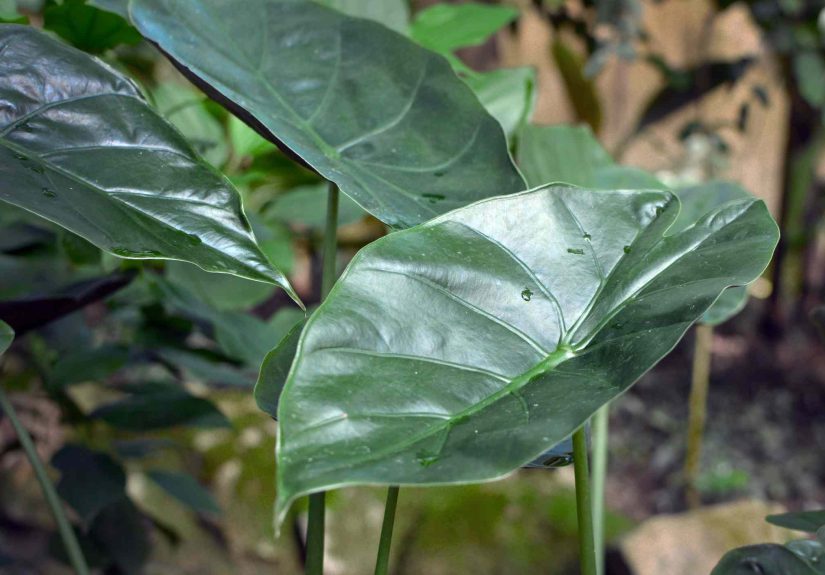
Alocasia wentii is the houseplant version of a fancy coat: glossy, dramatic, and guaranteed to get compliments. Sold as hardy elephant ear or New Guinea shield, it’s an aroid (Araceae) grown for bold, shield-like leavesdeep green on top with a darker underside. Give it the right setup and it’s surprisingly manageable. Treat it like a cactus and it will file a formal complaint (in the form of crispy edges and leaf drop).
This guide covers the real-world essentials: light, humidity, watering, soil, feeding, repotting, propagation, overwintering, and troubleshootingplus a longer “grower experiences” section at the end.
Plant profile: what you’re growing
Alocasia is a genus of tuberous, herbaceous perennials prized for large, architectural foliage. Alocasia wentii grows from a rhizome and often produces small bulb-like corms in the pot (tiny “bonus plants” waiting to happen). Indoors it can reach several feet tall with good care; outdoors in warm climates it can get much larger.
- Common names: Hardy elephant ear, New Guinea shield
- What “hardy” means: more tolerant than many alocasias, not frost-hardy
- Why people love it: big glossy leaves, strong tropical look, easier than some fussy varieties
Light, temperature, and humidity
Light: bright and indirect
Wentii thrives in bright, indirect light. Too much direct sun can scorch leaves; too little light slows growth and stretches stems. A north or east window is often ideal. If you only have a sunny south/west window, back the plant away from the glass and use a sheer curtain.
Temperature: stable warmth wins
Keep it warm and steadythink normal indoor comfort. Daytime temperatures around 68–77°F are a sweet spot for many alocasias, including wentii. It can handle cooler spells better than some varieties, but once you dip to around 45°F it may start looking rough and slipping into dormancy. Avoid cold drafts from doors, windows, or AC vents. If you move it outside for summer, wait until nights are reliably warm and bring it in well before cold snaps.
Humidity: your edge-crispness prevention plan
High humidity makes a noticeable difference in leaf quality. If you can keep humidity around 60–70%, you’ll usually see fewer brown edges and stronger growth. Aim for a more humid corner of your home and consider a humidifier if you run heat/AC frequently. Grouping plants together helps; pebble trays help a little (but a humidifier is the heavy hitter).
Soil and potting (the aroid mix)
Alocasia wentii wants a mix that holds moisture and breathes. Unlike bog-loving elephant ear relatives, alocasias generally do not tolerate overly wet soil for longespecially indoors. Soggy soil suffocates roots; dense mixes stay wet too long and invite rot. The goal: an airy, rich medium that drains well but doesn’t dry into a brick.
Simple DIY aroid mix
- 1 part indoor potting mix
- 1 part perlite (or pumice)
- 1 part coco coir
If you tend to overwater, add chunky orchid bark for extra airflow. If you forget to water, keep the mix slightly less chunky so it holds moisture longer.
Pot choice
- Drainage holes: non-negotiable
- Size: wentii likes to be a bit snugoversized pots stay wet too long
Watering: moist, not marshy
Watering is where most Alocasia wentii care goes right… or goes spectacularly wrong. It prefers even moisture, but it also hates “wet feet.” Use soil feel, not a calendar.
The top-inch test
- Check the soil 2–3 times per week with your finger.
- When the top 1–2 inches feel dry, water thoroughly until it drains.
- Let it drain completely; don’t leave it sitting in a puddle.
Seasonal adjustments
In brighter months, you’ll water more often. In winter or low light, watering slows down because growth slows down. If your plant drops leaves in cooler, darker months, reduce watering and wait for spring growth before resuming “summer” care.
Fertilizer and growth
Alocasias are known as heavy feeders during active growth. If you want bigger, glossier leaves, feed during spring and summer with a balanced liquid fertilizer.
- Growing season: light, regular feeding (many growers do every 2–3 weeks)
- When growth pauses: stop fertilizing until you see new growth
More fertilizer doesn’t mean more leaves. It often means salty soil and stressed roots. When in doubt, dilute.
Repotting without the drama
Alocasia wentii isn’t fast to outgrow a pot, and it often prefers being slightly rootbound. Repot when you see roots escaping drainage holes, the soil stops absorbing water well, or the plant dries out unusually fast.
Repotting steps
- Repot in spring/summer if possible.
- Choose a pot 2–4 inches wider than the current one.
- Refresh with airy mix; trim any mushy roots with clean scissors.
- Water lightly, then return to bright, indirect light.
Propagation: division and corms
You can’t propagate wentii from stem cuttings, but you can multiply it through rhizome division or by growing corms. Spring is the easiest time because the plant is waking up and roots recover faster.
Option 1: Divide the rhizome
Quick safety note: aroids contain irritating calcium oxalate crystals, so many growers wear gloves for division and cleanup.
- Remove the plant from the pot and gently shake off soil.
- Separate a healthy clump with roots attached using sterile shears.
- Pot each division in a well-draining mix and keep evenly moist.
Option 2: Start corms (the “free plant” method)
Corms are small, bulb-like offsets. Many growers sprout them in a high-humidity setup: partially submerged in water or set in a moist medium under a loose cover to keep humidity high. Once roots are a few inches long, pot the corm into airy mix and keep it lightly moist.
Outdoor growing and overwintering
Outdoors, elephant ears often grow faster because light is stronger (even in shade) and humidity is higher. Wentii is commonly grown outdoors in warmer regions (think USDA zones 8–10), and elsewhere it’s a great “summer outside, winter inside” plant. Place wentii in bright shade or filtered sun to avoid scorch. Keep watering consistent; container plants dry quickly.
Overwintering basics
- Bring indoors early: move the plant inside before nights get cold.
- Expect slowdowns: it may go semi-dormant and drop leaves.
- Water less in dormancy: keep the mix barely moist, not wet.
If your plant forms a sizable rhizome/tuber and you prefer storage, you can sometimes lift and store it like other tender bulbs: dig before (or right after) a hard freeze, let it air-dry, then store it in a breathable box with dry material like shredded paper, peat moss, or perlite in a cool, dry place. The key is dry, not dampwet storage is how rot wins.
Common problems and pests
Fast diagnosis table
| Symptom | Most common causes | What to do |
|---|---|---|
| Yellow leaves | Watering imbalance (too wet or too dry), low light | Check moisture; adjust watering; move to brighter indirect light |
| Brown, crispy edges | Low humidity, inconsistent watering | Increase humidity; water when top layer dries |
| Leaf drop | Cold stress, drafts, seasonal dormancy | Stabilize temps; reduce watering in winter; be patient |
| Droop + wet soil | Root stress / potential rot | Let soil dry; improve drainage; inspect roots if severe |
Pests (and why they show up)
- Spider mites: more common in dry air; look for stippling and fine webbing.
- Mealybugs: cottony clusters in leaf joints.
- Aphids: can gather on tender new growth.
- Fungus gnats: usually a sign the soil is staying too wet.
Start with gentle controls: rinse leaves, wipe down undersides, and isolate the plant. Treat early with insecticidal soap or neem-based products if needed, and address the underlying cause (often low humidity or soil staying wet too long).
Toxicity and pet safety
Alocasia species contain insoluble calcium oxalate crystals. Chewing or swallowing plant tissue can cause oral irritation, drooling, swelling, and stomach upset in people and pets. Keep it out of reach of curious kids and animals. If ingestion happens, contact a veterinarian or poison control for guidance (in the U.S., the Poison Help hotline is 1-800-222-1222).
Conclusion
To grow a happy Alocasia wentii, keep the routine tropical but sensible: bright indirect light, warm stable temperatures, higher humidity, and an airy aroid mix that stays evenly moist. Water when the top layer dries, feed during active growth, and don’t panic if it slows down in winter. With consistent care, wentii becomes a reliably dramatic, glossy centerpiecewithout requiring you to turn your living room into a rainforest (though your humidifier might disagree).
Extra: 500+ words of grower experiences
Care guides are great, but the “aha” moments usually come from what happens between waterings. Below are common experiences growers describe with Alocasia wentiiplus the practical takeaways that keep this plant looking like it belongs in a magazine, not a compost bin.
The winter wobble (and the urge to panic-repot)
Wentii often looks unstoppable during longer days: it pushes a new leaf, the petioles stand tall, and you start planning its future as the main character of your plant corner. Then winter hits and suddenly it seems to “stall.” Leaves can yellow, one may drop, and growth slows or pauses. The first instinct is to fix everything at once: more water, less water, new fertilizer, new soil, new spot. That flurry of changes usually stresses it more than the season itself.
What tends to work better: assume the plant is responding to light/temperature changes first. Keep it warm, avoid drafts, and water less frequentlyonly when the top layer dries. If your home gets dim, a simple grow light for a few hours a day can reduce winter leaf drop. When spring returns and you see new growth, you can resume regular feeding and more frequent watering.
Humidity is the quiet hero
Many people think they have a watering problem when they actually have a humidity problem. Brown tips and edges show up, so they water more, and the soil stays wet longer. That’s how you accidentally create root issues while trying to solve crispy edges.
What tends to work better: treat humidity like a core input, not a “nice to have.” If your home air is dry from HVAC, a small humidifier near the plant can make a visible difference. Grouping plants helps too, especially if the wentii is in a bright bathroom or kitchen where humidity naturally runs higher. Misting can feel satisfying, but it’s usually temporarythink of it as a quick spritz, not a climate plan.
The “one new leaf, one old leaf” exchange
Alocasias can behave like they’re budgeting energy: a new leaf arrives, and an older leaf fades soon after. That doesn’t automatically mean something is wrong. It can be normal while the plant is building a stronger root systemespecially after repotting or a move to a brighter spot.
What tends to work better: watch trends, not single events. If the plant is producing new growth and the newest leaves look healthy, one older leaf yellowing occasionally isn’t a crisis. If multiple leaves yellow quickly, that’s when you revisit the basics: soil staying too wet, long dry spells, not enough light, or cold drafts.
Corm treasure hunts and patience training
Repotting often reveals corms tucked in the soil like little plant Easter eggs. Growing them is funand also a lesson in patience. Corms want warmth, humidity, and bright indirect light. They don’t want to be rushed with heavy fertilizer or soaked in cold water.
What tends to work better: start corms in a humid mini-setup (a covered container works), keep them warm, and wait for roots. Once roots form, pot them in an airy mix and keep it lightly moist. Expect slow progress at first, then a sudden “oh hey, I’m a plant now” moment when the first proper leaf expands.
Pests follow patterns
Spider mites are more likely when air is dry and the plant is stressed. Fungus gnats usually show up when the mix stays wet too long. Mealybugs appear when you’re already having a day.
What tends to work better: weekly leaf checks and quick clean-ups. Wiping the undersides of leaves sounds boring, but it’s the difference between “a few pests” and “a tiny apocalypse.” If you spot issues early, a rinse in the shower and a targeted treatment is usually enough. If you keep humidity reasonable and avoid constantly wet soil, you prevent a lot of pest problems before they start.
The recurring theme is wonderfully unglamorous: Alocasia wentii does best when your care is steady and predictable. Stable light, warmth, and moisture create the big glossy leaves you want. The plant brings the drama; you bring the consistency.