Table of Contents >> Show >> Hide
- Why This BBQ Roast Turkey Breast Works
- What You’ll Need
- Step-by-Step: BBQ Roast Turkey Breast
- Method A: Oven BBQ Roast (Easy + Reliable)
- Method B: Grill-Roast (BBQ Flavor Without Smoking All Day)
- Turkey Breast Temperature: When Is It Done?
- Timing Guide (Use as a Starting Point)
- Flavor Variations (Same Method, Different Mood)
- Troubleshooting: Common BBQ Turkey Breast Problems
- Serving Ideas (Because Turkey Deserves Friends)
- Storage and Reheating
- Extra : Real-World “BBQ Turkey Breast” Experiences (and What They Teach You)
Turkey breast has a reputation: “dry,” “boring,” “only good for sandwiches,” and “why is Uncle Dan chewing like he’s trying to win a jaw-strength contest?”
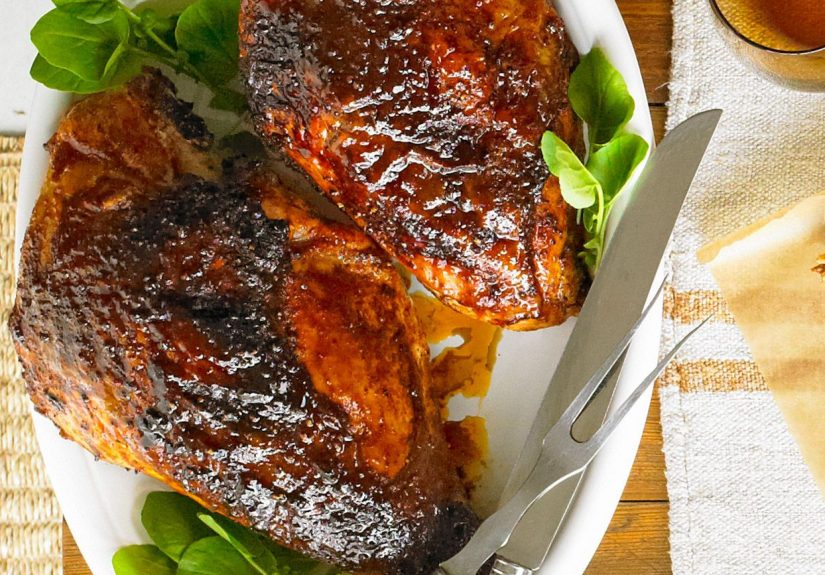
Today we fix that. This BBQ roast turkey breast is juicy, boldly seasoned, and finished with a sticky-sweet glaze that tastes like summer cookouts
and holiday dinners shook hands and became best friends.
The secret isn’t luck. It’s (1) a little salt up front, (2) roasting with steady heat, (3) using a thermometer like an adult, and (4) glazing at the end
so your BBQ sauce doesn’t burn and turn into “campfire candy.”
Why This BBQ Roast Turkey Breast Works
- Dry brine (or quick wet brine) = juicier meat. Salt helps the turkey hold onto moisture and seasons it throughout.
- Two-stage flavor. A savory dry rub builds a tasty crust; BBQ sauce goes on late for shine and punch.
- Temperature beats timing. Turkey doesn’t care about your schedulecook to the right internal temp for perfect doneness.
- Resting isn’t optional. A short rest makes slices juicier and easier to carve.
What You’ll Need
Equipment
- Rimmed baking sheet with rack or roasting pan (for oven)
- Grill setup for indirect heat (for grill method)
- Instant-read thermometer or leave-in probe thermometer
- Small saucepan (optional, to warm BBQ sauce)
- Foil (for a quick “cape” if browning too fast)
Turkey
- 1 turkey breast, 3 to 6 lb (bone-in, skin-on is ideal for the juiciest results; boneless works too)
- 1 to 2 tbsp neutral oil (or melted butter)
Dry Brine (Best Option)
- 1 to 1 1/2 tsp kosher salt per pound of turkey breast
- 1 tsp brown sugar per pound (optional but great for BBQ vibes)
BBQ Dry Rub
- 2 tsp smoked paprika
- 1 1/2 tsp garlic powder
- 1 1/2 tsp onion powder
- 1 tsp chili powder
- 1 tsp ground black pepper
- 1/2 tsp ground cumin
- 1/2 tsp dried oregano (or thyme)
- 1/4 to 1/2 tsp cayenne (optional, depending on your bravery)
BBQ Glaze
- 3/4 cup BBQ sauce (your favorite style)
- 1 tbsp apple cider vinegar (brightens sweetness)
- 1 tbsp honey or brown sugar (optional for extra shine)
- 1 tsp Worcestershire sauce (optional for deeper savory notes)
Step-by-Step: BBQ Roast Turkey Breast
1) Prep the Turkey
Pat the turkey breast dry with paper towels. If it’s frozen, thaw safely in the fridge (plan aheadthis is turkey, not instant ramen).
Remove any netting from boneless breasts and trim excess skin flaps if needed. Keep the skin if you canskin is basically nature’s moisture blanket.
2) Dry Brine for Juiciness (12 to 24 hours is ideal; 2 hours helps)
- Mix the salt and (optional) brown sugar.
- Sprinkle evenly all over the turkey breast, including under the skin if you can gently loosen it.
- Place on a rack over a tray and refrigerate uncovered. (Yes, uncovered. This helps the skin dry for better browning.)
Short on time? Skip to the rub step and roast anyway. You’ll still get a tasty turkey breastjust not the “wow, who did this?” level.
Optional: Quick Wet Brine (If You Prefer a Soak)
For a faster brine, dissolve about 1/2 cup kosher salt and 1/4 cup brown sugar in 2 quarts of cold water.
Add aromatics (peppercorns, bay leaf, garlic) if you like. Submerge turkey 2 to 6 hours, then rinse quickly and pat very dry.
(Dry is importantwet turkey equals sad, steamy skin.)
3) Season with BBQ Rub
Rub the turkey with oil or melted butter. Mix the spices and coat the breast generously.
If it’s skin-on, gently loosen the skin and get some rub underneath toothis seasons the meat, not just the jacket.
4) Roast Using One of These Methods
Method A: Oven BBQ Roast (Easy + Reliable)
- Heat oven to 325°F (or 350°F if you want slightly faster cooking).
- Place turkey breast on a rack in a roasting pan or on a rack set over a sheet pan, skin-side up.
- Roast until the thickest part hits your target temperature (see the temperature section below).
- If the skin is browning too quickly, loosely tent the top with foil for the last 20–40 minutes.
Method B: Grill-Roast (BBQ Flavor Without Smoking All Day)
This is “roasting” on a grill using indirect heatthe turkey is not sitting over direct flames. You’re aiming for steady grill temp,
like an outdoor oven with better vibes.
- Preheat grill to 350–375°F with a two-zone setup (one side hot, one side off/low).
- Place a drip pan under the turkey on the cool side. Put turkey breast on the grate above the drip pan.
- Close the lid and maintain steady temperature.
- If you want a gentle smoke note, add a small chunk of fruitwood (apple/cherry) or a small handful of soaked chips. Don’t overdo itturkey is polite.
- Cook until the turkey reaches the target internal temperature.
5) Glaze Near the End (So It Stays Glossy, Not Burnt)
BBQ sauce contains sugar, and sugar burns. So we glaze late.
When the turkey is about 15–20°F below your final target temp, brush on a thin layer of glaze.
Repeat once or twice more every 5–10 minutes until shiny and delicious.
Quick glaze tip: Warm the BBQ sauce mixture in a small saucepan for 2–3 minutes so it brushes easily.
6) Rest, Slice, and Serve
Move the turkey to a cutting board and rest 15–25 minutes.
Slice across the grain. Serve with extra warmed BBQ sauce on the side and accept compliments like you planned this all along.
Turkey Breast Temperature: When Is It Done?
For safety, turkey should reach a minimum of 165°F in the thickest part of the breast. Insert the thermometer without touching bone
(bone can give a false reading).
Best-Quality Targets (Taste + Safety)
- Safety-first: Pull at 165°F.
- Juicy strategy: Pull at 160–162°F, then rest; carryover heat often brings it to 165°F.
- Boneless breasts: Tend to cook fasterstart checking earlier than you think.
Also: turkey can look slightly pink and still be fully cooked. Color is not a thermometer. Your eyes are great at many things,
but internal temperature is not one of them.
Timing Guide (Use as a Starting Point)
Cooking time varies by shape, bone-in vs. boneless, grill accuracy, and whether your turkey breast is secretly a spaceship.
Use this chart as a guide, but let the thermometer make the final call.
| Turkey Breast Size | Oven Roast (325°F) | Grill-Roast (350–375°F) |
|---|---|---|
| 3–4 lb | 60–90 minutes | 45–75 minutes |
| 4–5 lb | 75–110 minutes | 60–90 minutes |
| 5–6 lb | 90–140 minutes | 75–115 minutes |
Flavor Variations (Same Method, Different Mood)
1) Sweet Heat Turkey Breast
Add 1 tsp chipotle powder to the rub and use a honey BBQ sauce. Serve with pickles and slaw.
2) Carolina-Inspired Tangy Turkey
Use a vinegar-forward BBQ sauce (or add 2 extra tbsp cider vinegar to the glaze). Great for sandwiches.
3) Maple-Bourbon BBQ
Add 1 tbsp maple syrup and 1 tsp bourbon (optional) to the glaze. Perfect for “fancy but still casual” dinners.
4) Peppery Texas-Style
Go heavier on black pepper and keep the glaze minimal. Let the rub do the talking.
Troubleshooting: Common BBQ Turkey Breast Problems
“My turkey breast is dry.”
- Next time, dry brine overnight and pull earlier (carryover cooking is your friend).
- Slice only what you need; keep the rest whole to stay juicier.
- For leftovers, reheat gently with a splash of broth or BBQ sauceno microwave punishment marathons.
“The BBQ sauce burned.”
- Glaze late: last 15–20°F of cooking.
- If grilling, keep the turkey firmly on the indirect side.
- Thin thick, sugary sauces with a little vinegar or apple juice.
“The skin isn’t crisp.”
- Dry brine uncovered in the fridge to dry the skin.
- Don’t glaze too early (wet sauce softens skin).
- Optional: finish with 2–4 minutes under the broiler (watch closelyBBQ sauce can go from glossy to charcoal fast).
Serving Ideas (Because Turkey Deserves Friends)
- BBQ turkey sandwiches: toasted buns, turkey slices, slaw, pickles, extra sauce
- Turkey tacos: warm tortillas, turkey, salsa, lime, cilantro, a drizzle of BBQ sauce
- BBQ turkey salad: mixed greens, corn, black beans, avocado, smoky ranch
- Weeknight bowls: rice or potatoes + turkey + roasted veggies + sauce
Storage and Reheating
Refrigerate cooked turkey within 2 hours. Store in airtight containers for 3–4 days.
For best texture, reheat slices gently in a covered pan with a splash of broth or water, or warm in the oven at 300°F
until heated through. If you microwave, use lower power and add a little moistureturkey breast dries out faster than gossip spreads at a family party.
Extra : Real-World “BBQ Turkey Breast” Experiences (and What They Teach You)
If you ask a group of home cooks about turkey breast, you’ll hear the same origin story on repeat: someone tried to “be safe,” cooked it “a little longer,”
and ended up with slices that could double as DIY drywall patches. The good news is that BBQ roast turkey breast is one of the easiest ways to break that cycle,
because the method naturally encourages the two things turkey loves most: steady heat and sensible timing.
One common experience: people treat a turkey breast like a pork shoulderlow-and-slow for hoursthen wonder why it tastes smoky but still somehow dry.
Turkey breast is lean. Lean meat does not want an epic, day-long cook unless you’re doing a very controlled smoking approach with careful temperature management.
For most kitchens, the “roast on the grill” method is the sweet spot: you get that outdoor BBQ aroma, a little kiss of smoke if you want it, and a cooking window
that’s forgiving enough for real life (kids, side dishes, your neighbor asking to borrow something right when you’re glazing).
Another super common moment: the sauce goes on too early. It’s understandableBBQ sauce is delicious and people want to see that lacquered look ASAP.
But sugar + heat = burnt. When cooks wait until the end to glaze, they’re usually shocked at how much better it tastes: brighter, less bitter, and more “BBQ joint”
than “campfire mishap.” The glaze becomes a finishing touch instead of a cooking medium, and that small mental shift changes everything.
Then there’s the thermometer revelation. Plenty of cooks start skeptical“I can tell when it’s done”and end converted“Where has this been all my life?”
Because turkey breast doesn’t give you the same forgiving cues that fattier meats do. A few degrees can be the difference between juicy slices and “pass the gravy.”
The experience most people describe is a kind of calm confidence: once you’re watching temperature instead of guessing time, you stop opening the oven or grill every
10 minutes “just to check,” which also helps the cook stay consistent.
A fun (and very real) BBQ turkey breast scenario is the “schedule panic.” You want it ready at 6:00, but the turkey hits temperature at 5:15.
This is where resting and holding become a lifesaver. If you rest the breast properly, then tent it loosely, it can stay warm and juicy for a bit while you finish sides.
People often learn that “being done early” is actually the best turkey problem to have. Being late means cranking heat, rushing glaze, and slicing before juices settle
basically the trifecta of dryness.
Finally, leftovers. The most satisfying experience might be realizing you’re not stuck with bland turkey for days. BBQ turkey breast leftovers are a cheat code:
they’re ready-made for sandwiches, wraps, salads, nachos, and quick rice bowls. A little extra sauce, a crisp pickle, and suddenly day-two turkey feels like a planned meal,
not an obligation. The lesson? When you cook the breast correctly the first timebrine if you can, roast steadily, glaze late, rest welleverything after that gets easier.
Including the part where you casually say, “Oh this? Just a simple BBQ roast turkey breast,” like you didn’t just upgrade the entire turkey situation.