Table of Contents >> Show >> Hide
- Before You Reply: A 10-Second Reality Check
- 15 Ways to Respond to an “I Miss You” Text
- 1) The Sweet and Simple “I Miss You Too”
- 2) The “Tell Me More” (Emotional Validation Without Guessing)
- 3) The Flirty Escalation (For Crushes and Couples)
- 4) The “Make a Plan” Reply (Turn Feelings Into Action)
- 5) The Long-Distance Comfort (Specific + Reassuring)
- 6) The Busy-But-Caring Reply (So They Don’t Read Silence as Rejection)
- 7) The Friendship Version (Affection Without Mixed Signals)
- 8) The “I Don’t Miss You, But I Care” Reply (Honest, Kind, Not Cruel)
- 9) The Gentle Boundary (When “I Miss You” Feels Like Pressure)
- 10) The “Let’s Talk About Us” Response (If Something Needs Clarity)
- 11) The Apology + Repair Reply (When You Know You’ve Been Distant)
- 12) The Playful Meme-Energy Reply (Funny, Low-Stakes)
- 13) The Ex Text Response (Proceed With Caution)
- 14) The “No Contact / No Re-Opening” Reply (Clear and Final)
- 15) The Safety-First Response (When Contact Isn’t Appropriate)
- How to Choose the “Right” Reply (Without Overthinking Yourself Into the Sun)
- Conclusion: A Good Reply Is Honest, Kind, and On-Purpose
- Experiences People Commonly Have With “I Miss You” Texts (And What Helps)
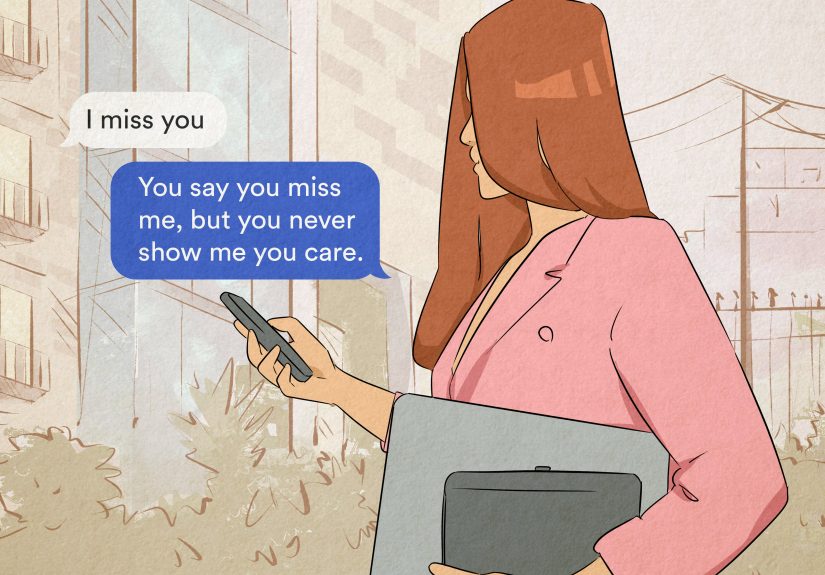
Few texts hit quite like “I miss you”. It’s sweet. It’s loaded. It’s also one of those messages that can mean
anything from “I saw your hoodie and got nostalgic” to “I’m ready to talk about us” to “I’m bored and checking if you’re still
emotionally available.”
The best response depends on context: who’s texting (partner, crush, ex, friend), what your relationship is right now
(solid, complicated, “it’s fine,” or “please stop”), and what you actually want. This guide gives you optionswarm, flirty,
honest, boundary-setting, and everything in betweenso you can reply like an emotionally intelligent adult… or at least like one
who’s had coffee.
Before You Reply: A 10-Second Reality Check
If you want your reply to land well (and not start a seven-hour “what are we?” text marathon), pause and ask yourself:
- Do I miss them too? (Be honest. Your thumbs can’t handle lies forever.)
- What’s our relationship status? Dating? Long-distance? Situationship? Exes with history?
- What do I want this text to lead to? A plan? A sweet moment? Closure? A clear boundary?
- Is this safe? If this person has been controlling, harassing, or you have a protective order, prioritize safety and support.
Once you know the goal, choose a response that matches it. Below are 15 ways to respond to an “I miss you” text,
with examples you can copy, tweak, and send without sounding like a robot with feelings.
15 Ways to Respond to an “I Miss You” Text
1) The Sweet and Simple “I Miss You Too”
Sometimes the direct route is the most romantic. If you miss them, say itwithout adding twelve disclaimers and a footnote.
A short reply can feel warm, confident, and reassuring.
Text to send: “I miss you too. Like… a lot.”
2) The “Tell Me More” (Emotional Validation Without Guessing)
“I miss you” can be an emotion, an invitation, or a test balloon. If you’re not sure what they mean, ask in a gentle way.
This keeps you connected without assuming anything.
Text to send: “Aw. What made you miss me today?”
3) The Flirty Escalation (For Crushes and Couples)
If the vibe is playful and you want to turn up the heat a notch, flirt. Keep it charming, not cringeythink “tease,” not “audition
for a perfume commercial.”
Text to send: “Oh yeah? Prove it. When do I get to see you?”
4) The “Make a Plan” Reply (Turn Feelings Into Action)
Missing someone is a feeling; seeing them is a solution. If you want something real to happen, move toward a plancasually,
confidently, and without sounding like you’re scheduling a dentist appointment.
Text to send: “I miss you too. Want to grab coffee this week?”
5) The Long-Distance Comfort (Specific + Reassuring)
In long-distance situations, “I miss you” often carries loneliness and uncertainty. A good reply is both comforting and specific:
remind them you’re there, and anchor the connection with a next touchpoint (call, video date, countdown).
Text to send: “I miss you too. Can we do a call tonight? I want to hear your voice.”
6) The Busy-But-Caring Reply (So They Don’t Read Silence as Rejection)
If you’re slammed, a warm acknowledgment prevents overthinking. You’re not brushing them offyou’re communicating like a person
who has responsibilities and not just a phone and feelings.
Text to send: “That’s really sweet. I’m in the middle of a hectic day, but I’m thinking of you too.”
7) The Friendship Version (Affection Without Mixed Signals)
Friends can miss each other tooshocking, I know. If you want to keep it clearly platonic, use friendly warmth and suggest a hangout.
This protects the vibe and avoids accidentally writing a romance novel in two texts.
Text to send: “Miss you! Let’s catch up soonfree this weekend?”
8) The “I Don’t Miss You, But I Care” Reply (Honest, Kind, Not Cruel)
If you don’t miss them, you don’t have to fake it. The goal is to acknowledge their message without leading them on. Keep it respectful,
simple, and clearno vague “aww” that accidentally becomes emotional bait.
Text to send: “I appreciate you saying that. I care about you, but I don’t feel the same way.”
9) The Gentle Boundary (When “I Miss You” Feels Like Pressure)
Sometimes “I miss you” lands as expectation: “Respond right now,” “Fix my mood,” or “Reassure me immediately.” You can be kind
without taking responsibility for someone else’s emotional weather report.
Text to send: “I hear you. I’m not in a place to talk a lot today, but I hope you’re okay.”
10) The “Let’s Talk About Us” Response (If Something Needs Clarity)
If the relationship has been confusinghot, cold, undefinedthis is your chance to steer toward clarity. “I miss you” can open a door,
but you decide whether to walk through it.
Text to send: “I miss you too. Can we talk about where we’re at? I want to be on the same page.”
11) The Apology + Repair Reply (When You Know You’ve Been Distant)
If you’ve been checked out, late to reply, or emotionally absent, a thoughtful response matters. Acknowledge the impact, then offer a
path forward. No dramatic self-roasting required.
Text to send: “I’m sorry I’ve felt far lately. I miss you too, and I want to do bettercan we reconnect tonight?”
12) The Playful Meme-Energy Reply (Funny, Low-Stakes)
Humor can keep things lightespecially early on, or when you don’t want to dive into deep feelings mid-workday. The trick: make the joke
affectionate, not dismissive.
Text to send: “Missing me is a completely normal and medically expected side effect.”
13) The Ex Text Response (Proceed With Caution)
If an ex texts “I miss you,” it might be sincereor it might be nostalgia, loneliness, or a late-night “do you still exist?” ping.
If you’re open to talking, keep it calm and clarify intent before reopening old chapters.
Text to send: “I hear you. What are you hoping happens from reaching out?”
14) The “No Contact / No Re-Opening” Reply (Clear and Final)
If you’re moving on, protecting your peace is not rudeit’s healthy. You don’t need a debate. Keep it short, firm, and respectful.
You’re not required to provide an emotional PowerPoint presentation.
Text to send: “I understand. I’m focusing on moving forward, so I’m not going to keep texting. I wish you well.”
15) The Safety-First Response (When Contact Isn’t Appropriate)
If this person has harassed you, ignored boundaries, or you feel unsafe, you don’t owe emotional engagement. Depending on the situation,
the healthiest response may be no response, blocking, documenting messages, or contacting support resources. If you choose to reply,
prioritize clarity and safety.
Text to send: “Do not contact me again.”
How to Choose the “Right” Reply (Without Overthinking Yourself Into the Sun)
Here’s a simple way to match your response to your goal:
- If you want closeness: respond warmly + suggest a plan.
- If you want clarity: ask what they mean + propose a real conversation.
- If you want to keep it light: go playful + affectionate.
- If you don’t feel the same: be kind + avoid mixed signals.
- If you need distance: set a boundary + keep it short.
And a quick pro tip: if you’re tempted to write a five-paragraph reply with subheadings, citations, and a conclusionpause. That’s not a
text. That’s an essay. Save it for therapy or your Notes app.
Conclusion: A Good Reply Is Honest, Kind, and On-Purpose
The best way to respond to an “I miss you” text isn’t about finding the “perfect” wordsit’s about matching your words to your truth.
If you miss them, say it. If you want to see them, make a plan. If you’re unsure, ask. If you don’t feel the same, be respectful and
clear. And if you need boundaries, set them without guilt.
“I miss you” is an emotional bridge. You get to decide whether it leads to a sweet moment, a deeper conversation, or a polite exit sign.
Either way, you’re allowed to respond like a whole personnot a customer service chatbot for someone else’s feelings.
Experiences People Commonly Have With “I Miss You” Texts (And What Helps)
One of the most common experiences is the “midday surprise text”: you’re doing something normalworking, grocery shopping,
pretending you enjoy meetingsand suddenly you see “I miss you.” Many people describe a split-second emotional whiplash: excitement, warmth,
and then panic about what to say. What tends to help here is replying with a small truth plus a small next step. For example:
“That’s sweetI miss you too. Want to talk later?” It keeps the moment genuine without turning your afternoon into a relationship summit.
Another frequent scenario is long-distance missing, where “I miss you” carries a heavier emotional load because there’s no
quick fix. People often report that vague replies (“aw same”) don’t satisfy the ache, while specific comfort does. A message like
“I miss you toocan we do a video call at 9?” tends to feel grounding because it turns longing into connection. Even adding a tiny detail
(“I miss your laugh” or “I miss falling asleep on the phone with you”) can make the other person feel seen rather than merely answered.
Then there’s the early-dating version: you’ve gone on a few dates, things are promising, and someone sends “I miss you”
sooner than expected. Many people wonder, “Is this sweet… or is this too much?” A helpful approach is to mirror the emotional intensity
you genuinely feel. If you like them but don’t want to sprint emotionally, you can keep it warm and playful:
“That’s cutewhen do I get to see you again?” It acknowledges the affection while nudging the connection toward real-world plans instead
of endless texting chemistry.
A big one: the ex who reappears. People often experience a rush of nostalgiayour brain remembers the good highlights and
forgets the messy behind-the-scenes footage. When an ex texts “I miss you,” it can feel flattering, confusing, or even annoying, depending
on history. What usually helps is not answering the emotion with an emotion. Instead, answer with a question that clarifies intent:
“What are you hoping for by reaching out?” That question is like turning on the lights in a room full of feelings. If they’re serious, they’ll
respond with clarity. If they’re bored, they’ll evaporate.
Finally, many people experience guilt when they don’t miss someone back. They don’t want to be cruel, but they also don’t want
to lie. The most respectful path is often a short, humane truth: “I appreciate you saying that. I don’t feel the same.” It can feel blunt,
but it’s kinder than sending mixed signals that keep someone emotionally “on hold.” In healthy communication, clarity is compassioneven when
it’s uncomfortable.
Across all these experiences, the pattern is simple: the replies that work best tend to be honest, specific,
and aligned with what you want next. You’re not just responding to a textyou’re shaping the relationship dynamic one message
at a time.