Table of Contents >> Show >> Hide
- What a Body Scrub Actually Does (And Why Your Skin Loves ItSometimes)
- Pick the Right Body Scrub for Your Skin Type
- Body Scrub Ingredients: What to Look For (And What to Side-Eye)
- How to Use a Body Scrub Effectively: Step-by-Step
- How Often Should You Use Body Scrub?
- Body-Zone Game Plan: Scrub Smarter, Not Harder
- Pro Tips for Next-Level Results (Without the Drama)
- DIY Body Scrubs: Safe, Simple, and Not a Kitchen-Sink Science Experiment
- When You Should NOT Use a Body Scrub
- When to Ask a Dermatologist
- Wrap-Up: The Soft, Radiant Skin Routine That Actually Works
- Real-Life Experiences: What Using a Body Scrub “Correctly” Feels Like (500+ Words)
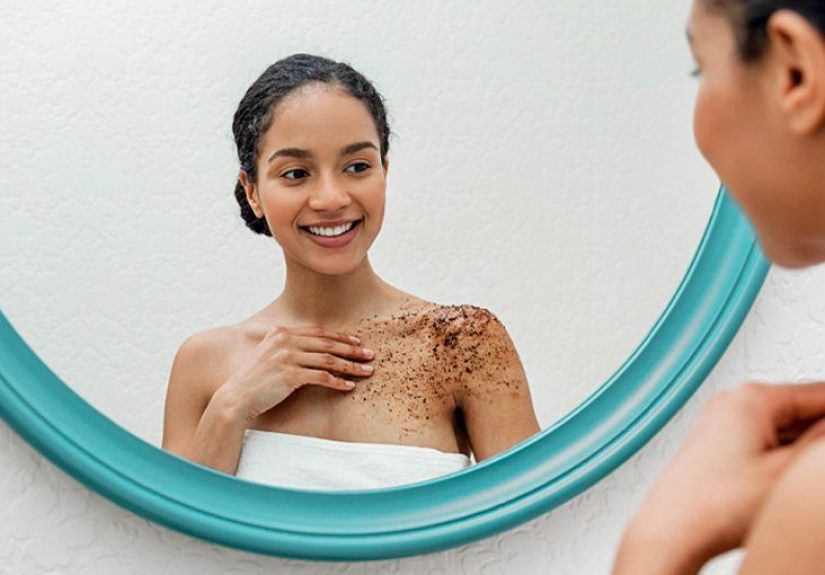
Body scrubs are basically the “polite bouncer” of skincare: they escort dull, flaky dead skin cells out the door so the fresh, smoother-looking skin underneath can have its moment.
But there’s a fine line between “glow” and “why is my skin acting like I offended it.” Use a scrub the right way, and you’ll get soft, radiant skin that plays nicely with lotion, self-tanner,
and your favorite shorts. Use it like you’re sanding a wooden deck, and your skin barrier will file a formal complaint.
This guide walks you through how to use a body scrub effectivelywhat to choose, how to apply it, how often to exfoliate, and how to avoid common mistakes.
You’ll also find skin-type-specific routines, ingredient tips, and real-life-style experiences at the end (because exfoliation stories are surprisingly relatable).
What a Body Scrub Actually Does (And Why Your Skin Loves ItSometimes)
Your skin naturally sheds dead cells, but that process can slow down or get “sticky,” leaving rough texture, dullness, and flaky patches behind. A body scrub helps by exfoliatingremoving
dead cells from the surface so skin looks smoother and feels softer.
Exfoliation can also help moisturizers spread more evenly and feel more effective, because you’re not trying to hydrate a layer of loose flakes. That said, exfoliation (physical or chemical)
can irritate skin if you overdo it, use harsh formulas, or scrub too aggressively. Translation: the goal is “buff,” not “battle.”
Pick the Right Body Scrub for Your Skin Type
The best body scrub is the one your skin tolerates consistently. “Strongest” isn’t a flex in skincare; it’s usually a shortcut to dryness, redness, or stinging.
Here’s how to match scrub style to your skin:
If You Have Dry Skin
- Go for: Fine sugar-based scrubs, creamy scrubs, or gentle chemical exfoliants (like lactic acid) built into a moisturizing base.
- Look for: Oils (jojoba, coconut, sunflower), glycerin, shea butter, ceramides, colloidal oatmeal.
- Avoid: Very salty/gritty scrubs and strong fragrance if you’re easily irritated.
If You Have Sensitive Skin
- Go for: Very gentle optionssoft washcloth exfoliation, mild formulas, or low-strength chemical exfoliants used less often.
- Look for: “Fragrance-free,” “sensitive skin,” and barrier-supporting ingredients like ceramides.
- Avoid: Large abrasive particles, harsh brushing tools, and combining scrubs with other strong actives on the same day.
If You Have Oily or Acne-Prone Body Skin
- Go for: Chemical exfoliants are often more predictable than aggressive scrubbing. Salicylic acid (BHA) can help unclog pores on the body.
- Use physical scrubs carefully: Gentle pressure onlyespecially on back or chest, where irritation can trigger more breakouts.
If You Have Keratosis Pilaris (“Chicken Skin” Bumps)
- Go for: Gentle exfoliation plus targeted “smoothing” ingredients like lactic acid, glycolic acid, salicylic acid, or urea.
- Key tip: Don’t scrub KP aggressively. It often gets worse with harsh friction. A steady routine wins here.
If You Have Eczema or Psoriasis
- Proceed cautiously: Scrubbing can worsen flares by disrupting the skin barrier. If you exfoliate at all, keep it extremely gentle and skip it during active irritation.
- Safer approach: Focus on short, warm showers and moisturizing immediately afterward. Ask a clinician for personalized guidance if you’re unsure.
Body Scrub Ingredients: What to Look For (And What to Side-Eye)
Physical Exfoliants (The “Grains”)
- Sugar: Usually gentler than salt because it dissolves more easily. Great for most skin types, especially dry skin.
- Salt: More abrasive and can sting on micro-cuts (hello, freshly shaved legs). Better for thicker areas like elbows and feetused gently.
- Finely milled powders: Some scrubs use very fine particles designed to be less scratchy.
Chemical Exfoliants (The “Smart” Helpers)
Chemical exfoliants loosen the bonds between dead skin cells so they shed more evenlyoften with less friction than a gritty scrub. Common options in body products include:
- AHAs (like glycolic acid and lactic acid): help with dullness and rough texture.
- BHA (salicylic acid): oil-soluble; can be helpful for clogged pores and body acne.
- Urea: a humectant that also gently softens thick, rough buildup.
Hydrators and Barrier Support
- Humectants: glycerin, hyaluronic acid (pull water into skin)
- Emollients: oils, squalane (smooth and soften)
- Occlusives: petrolatum in some lotions (locks moisture in)
- Ceramides: support the skin barrier
Microbeads: A Quick PSA
If you see “polyethylene” microbeads marketed as exfoliants in a rinse-off product, that’s a red flag. Plastic microbeads in rinse-off cosmetics have been restricted by U.S. law.
Choosing biodegradable exfoliants (like sugar) is better for your skin and the planet.
How to Use a Body Scrub Effectively: Step-by-Step
If you remember nothing else, remember this: gentle + consistent beats intense + occasional.
Here’s the method that dermatology-minded routines tend to support.
-
Start with Warm Water (Not Lava)
Take a warm shower for a few minutes to soften the outer layer of skin. Hot water can strip oils and leave skin drier, so keep it comfortably warm.
-
Cleanse First
Wash with a mild body cleanser to remove sweat, sunscreen, and deodorant residue. Exfoliating over “grime” can increase friction and reduce the scrub’s effectiveness.
-
Use the Right Amount
You don’t need a handful the size of a baseball. Start with a quarter-sized amount per limb (arm/leg) and adjust. Using too much often leads to over-scrubbing.
-
Apply with Light Pressure in Small Circles
Massage the scrub onto damp skin with light, even pressure. Think “polishing a wine glass,” not “removing graffiti.”
Spend about 20–30 seconds per area. Let the scrub do the work.Where to focus: rough areas like elbows, knees, shins, upper arms (especially if you have KP), and heels.
Where to be careful: chest, neck, underarms, bikini line, and anywhere easily irritated.
-
Rinse Thoroughly
Rinse until the water runs clear and you don’t feel a slippery residueunless your scrub is intentionally oil-rich. Leftover grit can keep rubbing after you’re done (not a bonus).
-
Pat DryDon’t Rub
Towel-rubbing can undo your “gentle exfoliation” intentions by adding extra friction. Pat your skin dry, leaving it slightly damp.
-
Moisturize Immediately (This Is the Glow Secret)
Apply moisturizer within a few minutes of showering. Damp skin helps lotions and creams spread more easily and can improve hydration.
If you’re dry-prone, choose a thicker cream. If you’re bump-prone, consider a lotion with lactic acid, urea, or salicylic acid (depending on tolerance). -
Use Sunscreen on Exposed Skin
Exfoliation can leave newer, more delicate skin at the surface. If your arms, legs, chest, or shoulders will see sunlight, apply broad-spectrum sunscreen.
Radiant skin is great; sunburn is not the vibe.
How Often Should You Use Body Scrub?
Frequency depends on your skin type, the scrub’s intensity, and whether you’re also using chemical exfoliants. A safe starting point for most people is
1–2 times per week. If you’re sensitive or dry, start at once weekly (or even every other week). If you’re oily and tolerant, you may do 2–3 times weekly with a gentle product.
Signs You’re Over-Exfoliating
- Stinging when applying lotion
- Persistent redness or tightness
- Flaking that seems worse (not better)
- Shiny, “over-polished” look with sensitivity
- New bumps or irritation where you scrubbed
If you spot these signs, pause exfoliation and focus on moisturizing and gentle cleansing for a week or two. Your skin barrier will thank you by calming down.
Body-Zone Game Plan: Scrub Smarter, Not Harder
Legs (Especially if You Shave)
- Best timing: Exfoliate the day before shaving, or gently exfoliate first and shave secondnever scrub aggressively after shaving.
- Ingrown-hair tip: Gentle exfoliation + moisturizing consistently tends to help more than a once-a-month scrubbing frenzy.
Upper Arms (KP Territory)
- Use a gentle scrub 1–2 times weekly.
- Follow with a KP-friendly lotion (lactic acid, glycolic acid, salicylic acid, or urea) if tolerated.
- Avoid harsh scrubbingKP often worsens with irritation.
Elbows and Knees
- These areas can handle a touch more attention, but still keep pressure moderate.
- Seal with a thicker cream afterward because these spots dry out easily.
Feet and Heels
- Soak first, then exfoliate gently with a scrub or pumice stone.
- Finish with a rich foot cream, and consider socks overnight for maximum softness.
Back and Chest (Body Acne)
- Consider a salicylic-acid body wash a few times per week instead of a harsh physical scrub.
- Avoid aggressive friction, which can inflame acne.
Pro Tips for Next-Level Results (Without the Drama)
1) Don’t Stack Too Many “Actives” on Scrub Day
If you exfoliate in the shower and then apply a strong acid lotion, plus a retinoid, plus a fragranced body spray… your skin may revolt.
Keep exfoliation days simple: gentle scrub, moisturizer, sunscreen if exposed.
2) Keep Your Tools Clean
If you use a washcloth, exfoliating mitt, or brush, rinse it well and let it dry fully between uses. Damp tools can collect bacteria and mildew,
which is not the kind of “microbiome support” anyone asked for.
3) Be Cautious with Fragrance
Fragrance isn’t evil, but it’s a common irritation triggerespecially after exfoliation. If you’re sensitive, choose fragrance-free and let your perfume do the scent job.
4) Timing Hacks: When Body Scrub Helps the Most
- Before self-tanner: Exfoliate 24 hours before tanning for a more even look.
- Before a big-event moisturizer moment: Exfoliate the night before you want your skin to look extra smooth.
- Winter rescue: Once weekly exfoliation + immediate moisturizing can make dry seasons more manageable.
DIY Body Scrubs: Safe, Simple, and Not a Kitchen-Sink Science Experiment
DIY scrubs can be fine if you keep them simple and gentle. The biggest DIY mistake is adding irritating ingredients (like lemon juice) or making a scrub so gritty it could double as sandpaper.
A Simple DIY Sugar Scrub (Gentle-ish)
- 1/2 cup fine sugar
- 1/4 cup oil (like jojoba or olive oil)
- Optional: a teaspoon of honey (for slip)
Mix, apply gently on damp skin, rinse well, and moisturize. Make small batches and don’t store it in the shower long-termwater can sneak in and encourage contamination.
DIY Cautions
- Skip DIY if you’re eczema-prone, actively irritated, or very sensitive.
- Avoid essential oils if you react easily.
- Never use a body scrub on your face (facial skin is generally more delicate).
When You Should NOT Use a Body Scrub
- On sunburn, fresh razor burn, or open cuts
- During eczema/psoriasis flares (unless a clinician has guided you)
- Immediately after waxing or laser hair removal
- On inflamed acne lesions you keep picking at (be honest, we’ve all been there)
- If your skin is already stinging from productspause and repair first
When to Ask a Dermatologist
If you have persistent irritation, severe body acne, painful cracking, frequent rashes, or skin conditions like eczema or psoriasis that flare with exfoliation,
professional guidance can save you time (and discomfort). Also ask if you have diabetes or circulation issues and you’re aggressively exfoliating your feetsafety first.
Wrap-Up: The Soft, Radiant Skin Routine That Actually Works
The most effective way to use body scrub is also the least dramatic: choose the right formula for your skin, exfoliate gently on damp skin, rinse well,
and moisturize immediately. Keep frequency reasonable, avoid over-stacking strong products, and protect freshly exfoliated skin with sunscreen when exposed.
When in doubt, go gentler. Your future selfwearing shorts, feeling smooth, and not mildly irritated for no reasonwill appreciate it.
Real-Life Experiences: What Using a Body Scrub “Correctly” Feels Like (500+ Words)
Let’s talk about the part skincare guides don’t always capture: what it’s like in real life when you finally get your body scrub routine rightafter a few
very normal missteps. Because if you’ve ever exfoliated your shins like you were trying to erase your past, you are not alone.
The “Winter Shin” Situation
A common experience: it’s cold, the heat is blasting, and your lower legs suddenly look like they’ve been lightly dusted in powdered sugarexcept not the cute, bakery kind.
You grab a scrub, go a little too hard, and the next day your legs feel tight and weirdly sensitive. The fix usually isn’t “scrub harder.”
It’s: one gentle exfoliation session (think: 30 seconds per shin, light pressure), then an immediate, unapologetically rich moisturizer while your skin is still slightly damp.
Do that once a week for a couple of weeks and many people notice the flakes calm down, lotion stops “pilling,” and the legs look smoother without the sting.
The “I Want My Self-Tanner to Behave” Era
Self-tanner has a special talent for clinging to dry patches like it’s paying rent. A lot of folks try to fix that by scrubbing right before tanning
which can leave skin sensitive and uneven. The more reliable routine is exfoliating the day before.
That gives skin time to settle, lets you moisturize well, and helps the tanner apply more evenly. The next day, you’ll often see fewer dark patches on knees and ankles
and less of that “mystery orange elbow” effect.
Keratosis Pilaris: The “Why Are My Arms Bumpy?” Mystery
KP is one of those things that makes people scrub harder because the bumps feel “stubborn.” Unfortunately, KP often gets crankier with aggressive friction.
A more successful experience usually looks like this: gentle exfoliation once or twice a week (no rage-scrubbing), followed by a smoothing lotion most days
(often with lactic acid, urea, or salicylic acidwhatever your skin tolerates). The change isn’t always instant, but after a few weeks many people notice
the bumps feel less rough and the skin looks more evenespecially when they stop treating their arms like a cast-iron pan that needs sanding.
The “Gym Sweat + Body Acne” Reality Check
If you’re active, you might notice body breakouts on the back, shoulders, or chestespecially if you sit in sweaty clothes too long.
A classic mistake is using a super gritty scrub and scrubbing the area raw. That can backfire by irritating the skin and making breakouts angrier.
A more comfortable approach many people like: a chemical exfoliant body wash a few times per week (often salicylic acid), gentle cleansing after workouts,
and light moisturizing. The skin tends to respond better to consistency than intensitylike a calm manager, not a chaotic supervisor.
Shaving Days: The Razor-Burn Plot Twist
Lots of people discover the hard way that exfoliating after shaving can feel like applying spicy water to your legs.
A smoother experience is exfoliating the day before shaving, or gently exfoliating first, rinsing well, then shaving with a lubricating shave gel.
Afterward, a bland, fragrance-free moisturizer can reduce that tight, itchy “freshly shaved and regretting everything” feeling.
The Best “Aha” Moment
The most relatable realization is this: body scrubs work best when they’re boring. Not fancy-boring, but routine-boring.
You’re not looking for that super-squeaky, stripped feeling. You want skin that feels comfortable, looks smoother, and stays calm.
When exfoliation is gentle and paired with immediate moisturizing, the glow tends to show up quietlylike your skin just got its life together.